Improving your home’s energy performance matters now more than ever. Rising household energy spending and volatile prices mean small changes can deliver real savings. Simple energy efficient home tips, such as draught-proofing and efficient lighting, can cut bills by hundreds of pounds a year, while deeper home energy improvements like insulation and heating upgrades offer the largest long‑term returns.
Domestic buildings account for a notable share of UK carbon emissions, so making your home energy efficient also helps reduce emissions and supports national net‑zero goals. Better insulation and smarter heating increase thermal comfort and lower running costs. Across typical UK properties — from older terraced houses to detached period homes — targeted measures often pay back within a few years.
This article is a practical roadmap for a sustainable home UK approach. It moves from immediate, low‑cost actions through fabric improvements, renewable technologies and behavioural changes to ongoing maintenance. You will find guidance on prioritising interventions by cost‑effectiveness and payback, and on measuring progress using energy bills, smart meter data and EPC insights.
For major works, choose certified installers such as MCS for renewables and TrustMark‑registered tradespeople. Where relevant, look into UK incentives like the Boiler Upgrade Scheme and local council grants. Combining short‑term fixes with longer‑term investments is the most reliable way to reduce energy bills UK households face while creating a greener, more comfortable home.
Practical energy efficient home tips for immediate savings
Small changes can deliver quick energy savings and make a tangible difference to your bills. These adjustments cost little, fit into busy lives and help homes feel warmer and smarter. Below are clear, practical steps to start saving from day one.
Low-cost adjustments that cut bills quickly
Draught-proofing around windows and doors with foam or brush seals, plus letterbox and keyhole covers, stops unwanted heat loss. Fit door snakes where gaps remain.
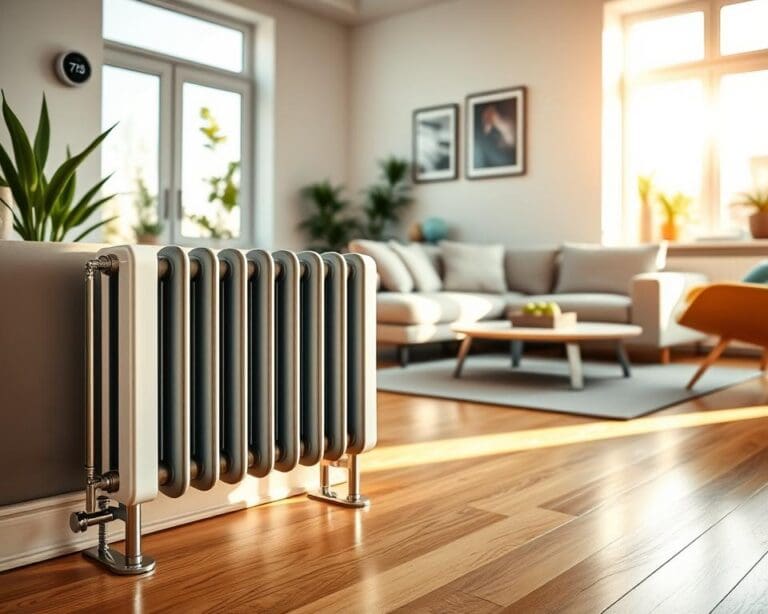
Use radiator reflector panels and bleed radiators regularly to keep heating efficient. Avoid blocking radiators with furniture and fit thermostatic radiator valves to control temperatures by room.
Lower boiler temperature settings where safe and insulate hot water pipes. Change laundry habits: wash at 30°C, run full loads and air-dry when possible. These cheap energy saving tips add up fast.
Smart thermostats and heating controls
Smart thermostats from Nest, Hive and Honeywell Home offer programmable schedules, remote control and geofencing to avoid heating empty houses. They also link with smart meters for clearer usage data.
Check compatibility with your boiler; older systems may need a relay or compatible receiver. Use zoning to set different schedules for living areas and bedrooms and lower temperatures at night or when away. These smart thermostat benefits can reduce wasted heating when used alongside good insulation.
Efficient lighting: LEDs and smart bulbs
Swap incandescent and halogen lamps for LEDs. LED lighting UK options from Philips Hue, OSRAM and IKEA Tradfri cut energy use by up to 90% and last much longer.
Choose bulbs by lumens for the right brightness and pick 2700K–3000K for warm living spaces. Use smart bulbs and motion sensors to light zones only when needed. This approach gives flexibility and immediate savings.
Reducing standby power with plug-in monitors and smart plugs
Many gadgets draw power on standby. Use a plug-in energy monitor to identify high-draw devices and then employ smart plugs to schedule or switch them off remotely. Brands like TP-Link Kasa and Eve Energy are widely available and easy to set up.
Do not cut power to essential appliances such as freezers or alarms. For entertainment systems, use a single switched surge-protected multiway outlet to remove vampire loads safely and reduce standby power without fuss.
Improving insulation and fabric of the building to reduce heat loss
Upgrading the building fabric transforms comfort, cuts bills and lowers a home’s carbon footprint. Focus on targeted measures that give fast returns, then layer in higher-cost improvements. A well-planned approach to home insulation UK delivers long-term warmth and quieter rooms.
Loft and cavity wall insulation options
Lofts are one of the simplest places to start. Common loft insulation options include mineral wool (glass or rock wool) as rolled or loose-fill, blown cellulose and rigid boards for cold loft conversions. Current UK guidance recommends around 270mm of mineral wool for new installations; confirm the latest government advice before work begins.
Many homes built after 1920 have cavities suitable for cavity wall insulation. Injected mineral fibre or specialist foam can be effective, but a professional survey is essential. A survey will assess damp risk and recommend MCS or TrustMark-registered installers such as SIG Energy or British Gas for trustworthy workmanship.
Properties without cavities need solid wall insulation, done internally or externally. Solid wall insulation costs more than cavity or loft work, yet yields larger energy savings and may qualify for grants or local support schemes. Typical payback times for loft and cavity work are shorter than for wall upgrades.
Double and triple glazing benefits for UK homes
Double glazing uses two panes with a sealed gap, often fitted with low-E coatings and argon gas to reduce heat loss. Triple glazing adds a third pane to improve U-values and acoustic performance. Both systems reduce draughts, lower condensation and increase comfort near windows.
Triple glazing UK installations suit very cold exposures or homes beside busy roads where sound reduction matters. The trade-off is higher cost and heavier frames, which can affect sash balance and reveal detail.
Choose frames carefully: uPVC gives low maintenance, aluminium with a thermal break offers slim sightlines, and timber suits period properties. Correct installation is vital to secure double glazing benefits and to avoid thermal bridging or unwanted draughts. In conservation areas, secondary glazing or bespoke timber solutions help meet local planning rules and preserve character.
Sealing draughts: doors, windows and floorboards
Simple draught proofing house measures bring immediate warmth. Fit brush or compression seals for sash windows, self-adhesive foam strips for casements and threshold seals for external doors. Pay attention to loft hatches, extractor fan penetrations and cable feed-throughs.
Gaps at skirting boards and between floorboards can be reduced with flexible fillers or strips. For suspended timber floors, place breathable insulation between joists while keeping ventilation free. Use fire-safe sealants around chimneys and consult a registered professional for structural or flue work.
As airtightness improves, maintain fresh air to prevent condensation and mould. Consider mechanical extract ventilation or a heat recovery system in very airtight homes to balance airtight seals with healthy ventilation.
Renewable energy and low-carbon heating solutions
Switching to renewables can cut bills and shrink your home’s carbon footprint. Practical options range from rooftop panels to electric heat systems and battery storage. Each choice suits different homes, budgets and lifestyles, so weigh performance, cost and long-term benefits carefully.
Solar photovoltaic panels: what to expect
Solar PV systems convert sunlight into electricity via panels and an inverter. For typical UK roofs, a 3–4 kWp array often fits an average home and supplies a large share of daytime demand. Output peaks in summer and falls in winter; roof orientation and pitch strongly affect yield.
Installation costs vary with system size and brand. Payback depends on self-consumption and energy prices. With the Smart Export Guarantee you can export solar energy UK to suppliers but earning most value comes from using generation on site for appliances and EV charging.
Most domestic installs do not need planning permission, though listed buildings or conservation areas may require consent. Use MCS-certified installers and get several quotes from reputable companies. Maintenance is low: occasional cleaning and inverter replacement after 10–15 years are common.
Heat pumps versus gas and electric boilers
Heat pumps extract ambient heat and upgrade it for space heating and hot water. An air source heat pump draws heat from outside air. A ground source heat pump uses buried loops to tap stable ground temperatures. Both offer high coefficients of performance, giving several kilowatts of heat for each kilowatt of electricity used.
Upfront costs for domestic heat pumps are higher than for gas boilers. Running costs are usually lower, especially with low carbon heating electricity. Gas boilers remain cheaper to fit but face future regulatory and carbon concerns.
Homes need good insulation to get the best savings. Existing radiators may need larger, low-temperature emitters or underfloor systems. Plan for heat cylinders or buffer tanks and modern controls. Check the Boiler Upgrade Scheme for grants and choose TrustMark or HIES-registered, MCS-compliant installers.
Battery storage and exporting surplus energy
Battery storage home systems boost self-consumption of PV power, offer backup and improve financial returns. Popular brands in the UK include Tesla Powerwall, LG Chem and Sonnen alongside other UK-available units. Battery capacity, round-trip efficiency and warranties determine value.
Sizing batteries depends on household daytime use and evening demand. Compare kWh capacity, cycle life and expected degradation when choosing a system. Proper inverter compatibility and accredited installers are essential for safety and performance.
Rather than export solar energy UK at low SEG rates, batteries can store surplus for evening use. For larger systems you may need a meter upgrade or to notify the distribution network operator. Shop around for SEG offers and balance storage costs against likely savings.
Behavioural changes, monitoring and long-term maintenance
Small daily routines add up. Turn off lights in unused rooms, use lids on pans and lower the thermostat by 1°C to save roughly 10% on heating energy. Drying clothes outdoors when weather allows and running full loads in dishwashers and washing machines are simple energy saving behaviour steps that cut bills and carbon.
Make monitoring part of the habit. Installing a smart meter or in‑home display gives direct feedback on consumption, while third‑party devices from companies such as Smappee or Sense can show appliance‑level use. These smart meter tips and home energy monitoring tools help you spot waste, test the impact of changes and set visible targets for household energy challenges.
Plan maintenance to protect savings. Book an annual boiler service with a Gas Safe‑registered engineer, check PV inverters and clean panels when needed, and inspect seals and insulation after storms. Long term home maintenance also means budgeting for replacement of roofs, boilers, glazing and batteries, and coordinating major works—installing solar when replacing a roof is often sensible.
Keep paperwork organised: EPCs, MCS and Gas Safe certificates, warranties and installer contacts increase resale value and simplify future upgrades. Start with low‑cost, high‑impact actions like loft insulation, draught‑proofing and LEDs, then move to fabric improvements and heating or renewable upgrades. Adopting these steps will reduce energy use UK, lower bills and create a more comfortable, greener home for the long term.