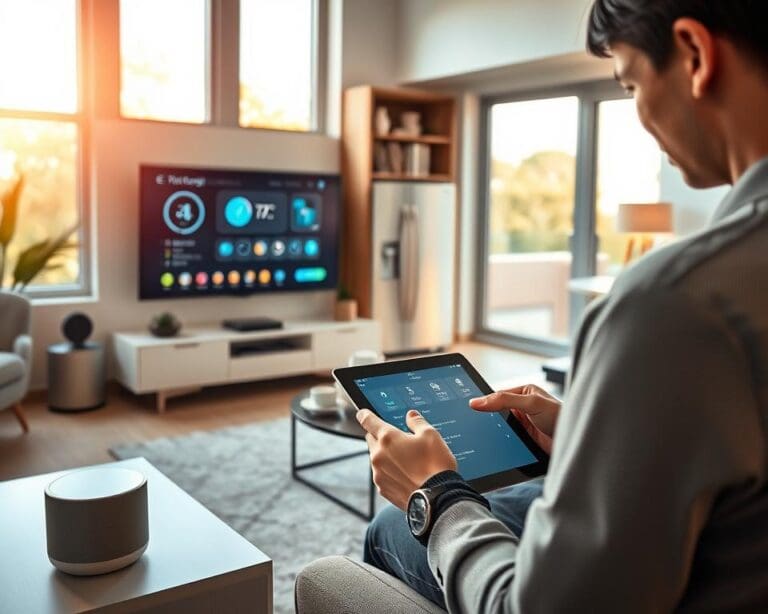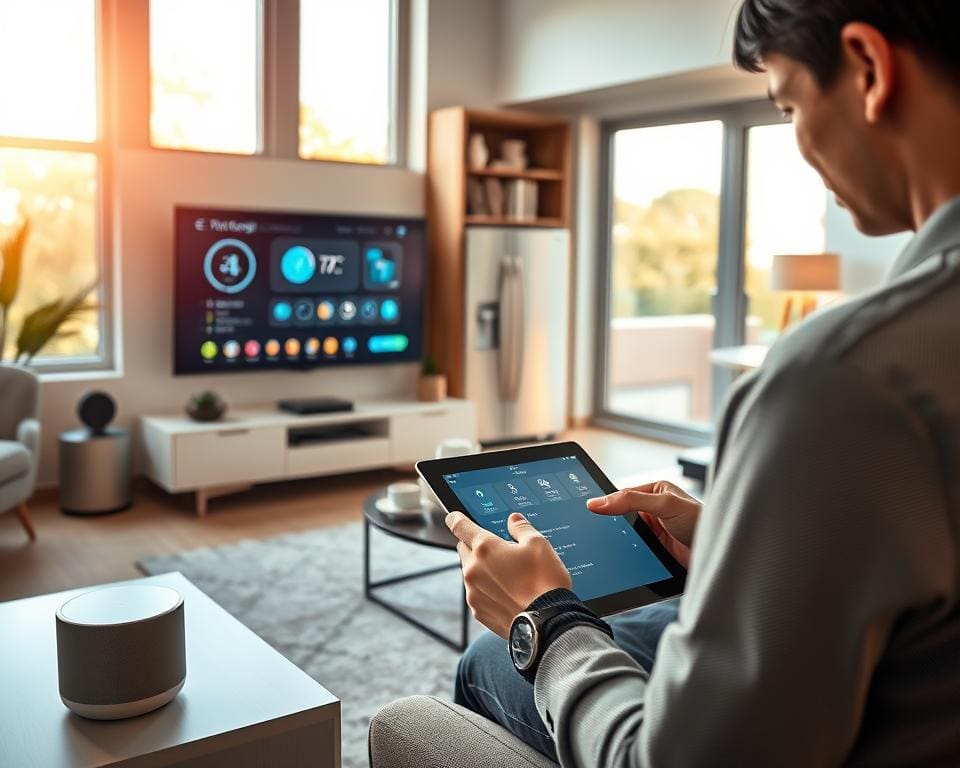
Smart devices are shifting how people in the United Kingdom live, work and look after their wellbeing. Recent data from the Office for National Statistics and Ofcom show rising household internet access and growing adoption of connected gadgets. Sales trends for Apple Watch and Fitbit, alongside the spread of smart thermostats such as Nest and Hive, underline the scale of UK smart living.
The impact of smart technology goes beyond convenience. Data from wearables can nudge better sleep and activity habits, while smart home benefits — from automated lighting to energy-saving heating schedules — cut bills and reduce stress. Connected appliances and robotic vacuums free up time for exercise, cooking and rest, supporting wellbeing and technology working hand in hand.
This piece will offer practical examples and evidence-based guidance. Later sections examine transforming the home, device tools that support natural immune-boosting routines, and how smart tech reshapes work and social life. We will also consider wider questions about privacy and accessibility, so readers can use smart solutions with confidence.
Transforming the home: smart living, comfort and energy savings
Smart devices make modern homes more restful and efficient. Small routines become effortless. Families enjoy more consistent temperatures, clearer lighting cues and less time spent on chores. The modest conveniences add up to real wellbeing and measurable smart home energy savings.
Smart thermostats and energy efficiency
Products such as Nest Thermostat, Hive and Honeywell Home learn household patterns, use geofencing and factor local weather to cut wasted heating. Manufacturers and independent bodies like the Energy Saving Trust report typical heating bill reductions in the range of 10–15% when schedules are optimised. A controlled heating profile keeps night temperatures steady, which supports sleep and reduces immune stress. Remote control reduces the worry of leaving heating on while away.
Lighting and ambience controlled by voice and schedules
Philips Hue and LIFX bulbs work with Amazon Echo and Google Home to offer circadian-friendly lighting and programmable scenes. Research shows blue light affects melatonin, so warm dimming in the evening helps prepare the body for rest. Bright, cooler lights in the daytime support alertness. Scheduled scenes also simulate presence for added safety while improving comfort.
Smart security: cameras, locks and peace of mind
Ring and Arlo cameras pair with Yale smart locks to create layered protection. Homeowners get remote notifications, two-way audio and activity-zone alerts with options for cloud or local storage. Greater visibility reduces anxiety and supports mental wellbeing. Users must follow UK data protection law when pointing cameras towards public spaces and choose storage options that respect privacy.
Connected appliances that simplify daily chores
Bosch and Samsung washing machines, Samsung and AEG ovens, iRobot Roomba and Roborock vacuums and smart fridges automate routine tasks. Features include remote start, detergent optimisation, recipe links and service alerts. These functions cut time spent on chores and lower cognitive load, freeing time for exercise, sleep and better meal preparation. The summed connected appliances benefits reach beyond convenience to support healthier routines.
Integration and best practice
- Choose hubs and protocols wisely: Zigbee and Z‑Wave suit hub-based setups, while many devices run over Wi‑Fi.
- Check compatibility with Alexa, Google Assistant or Siri/HomeKit before buying.
- Use routines and automations to align heating, lighting and appliances with daily health goals.
- Keep firmware updated, use strong passwords and consider network segmentation to protect privacy and device reliability.
How can you boost your immune system naturally?
Living well supports immune resilience. NHS guidance and peer‑reviewed studies point to balanced nutrition, adequate sleep, regular activity, stress management, hydration and safe sun exposure for vitamin D as core immune system natural boosters. Technology can help make those habits easier to maintain without replacing professional medical advice.
Wearables and health tracking to support healthier routines
Devices from Apple Watch, Fitbit, Garmin and Oura Ring track resting heart rate, heart rate variability and daily steps. These metrics act as early signals of stress, fatigue or illness and show users when to rest or adjust training to avoid immune suppression from overtraining.
Wearables for health offer simple, actionable alerts. Expect reminders to move after long sitting spells, guided breathing sessions and trends that highlight an elevated resting heart rate or falling HRV. These insights help build steady routines that protect immunity.
Smart nutrition apps and personalised meal planning
Smart nutrition apps such as MyFitnessPal, Lifesum and Noom let users track macronutrients and micronutrients linked to immune support. Meal plans can emphasise vitamin C from citrus and peppers, vitamin D from oily fish and fortified foods, zinc from oysters and seeds, plus protein and fibre for gut health.
Integration with connected fridges and grocery delivery services can generate shopping lists and cut food waste. That makes consistent, nutritious eating more practical and positions smart nutrition apps as everyday immune system natural boosters.
Sleep optimisation through connected devices
Research shows 7–9 hours of sleep supports vaccine responses and immune markers. Sleep optimisation devices such as smart mattresses from Sleep Number, Oura Ring and Fitbit sleep tracking offer data on sleep stages and sleep quality.
Use tech to build evening routines: dim smart lights on a circadian schedule, enable noise‑masking devices and set wind‑down automations that reduce notifications and lower thermostat settings. Regular use of sleep optimisation devices leads to clearer patterns and better recovery.
Integrating mindfulness and stress reduction with smart assistants
Voice assistants like Amazon Alexa, Google Assistant and Apple Siri can launch guided meditations and breathing exercises from Headspace, Calm or Insight Timer. Regular practice reduces cortisol spikes that weaken immune responses.
Set daily reminders and short sessions delivered by mindfulness apps UK to keep calm moments consistent. Pair these prompts with wearable data and step goals to maintain hydration, outdoor walks and a balanced routine that supports immune health.
Follow NHS advice and consult a clinician for personalised recommendations. Where supplements are considered, check guidance on vitamin D for winter months in the UK. Protect health data by choosing reputable providers, reading privacy policies and enabling device encryption and secure accounts.
Work, mobility and social life: productivity and connection reimagined
Technology now shapes how we work, move and stay social. Hybrid patterns let people reclaim time once spent commuting. That spare time often goes to exercise, cooking or sleep, all of which support natural immune resilience. Practical tools and clear boundaries make hybrid life feel sustainable and energising.
Remote working tools and smart office devices
Teams rely on Zoom, Microsoft Teams and Slack for meetings and chat. Smart office devices such as smart speakers for conferencing, Logitech Brio webcams and noise‑cancelling Bose or Sony headphones make remote meetings clearer and less tiring.
Standing desks with integrated reminders and ergonomic accessories reduce strain. UK workplace studies report gains in productivity and wellbeing from hybrid models when employers provide proper equipment and guidance on remote working ergonomics. Reduced commute stress gives people time for restorative habits that benefit immunity.
Smartphones, wearables and staying connected on the move
Smartphones keep calendars, messages and telemedicine apps within reach. The NHS App and Babylon Health let people book care or check symptoms without long waits. Wearables on the move track steps, sleep and heart rate so routines stay consistent during travel.
eSIM and robust UK mobile networks ensure seamless connectivity across journeys. Push notifications and habit reminders nudge healthy choices. Quick access to health information helps users protect their wellbeing while on the go.
Collaboration tech that reduces friction and boosts creativity
Platforms such as Miro, Notion and Google Workspace streamline workflows and cut meeting overload. Collaboration tools that integrate calendars and automate tasks free time for creative work and recovery. Less cognitive load reduces stress and supports clearer thinking.
AI-enhanced features like smart summarisation and writing assistants speed routine tasks. Teams can prototype ideas faster and preserve headspace for innovation.
Balance and etiquette matter on every device. Focus modes and Do Not Disturb features help preserve offline time. Employers in the UK can support hybrid working with scheduled breaks, protected offline periods and access to wellness technology for staff.
Societal impacts: privacy, accessibility and the future of daily routines
Smart devices bring clear benefits but they also raise urgent questions about smart device privacy UK and digital wellbeing. The UK Data Protection Act (UK GDPR) and guidance from the Information Commissioner’s Office shape how firms handle biometric and health-related data. Practical risks include cloud storage of camera footage, third-party sharing by apps and metadata from wearables. Strong passwords, two-factor authentication and selective data-sharing permissions are simple steps that individuals can take now.
Vendors and regulators are responding. There is a move towards on-device processing, or edge computing, to keep sensitive health signals local and reduce exposure. Consumer protections under UK law and EU rules aim to limit undue profiling, while manufacturers such as Apple and Fitbit promote privacy features for health metrics. Still, users must review permissions and choose devices that align with GDPR smart devices principles.
Accessibility is a major social gain when accessibility smart tech is done well. Voice control, fall detection available on the Apple Watch, pill reminders and telecare services can help older adults and people with disabilities live more independently. UK assistive technology providers and NHS digital services are expanding options, but affordability and rural connectivity gaps risk leaving some people behind. Simpler onboarding and local community support can reduce digital exclusion.
Mass adoption also affects the economy and environment. E-waste and the energy of constant cloud syncing matter, but circular economy efforts — repairable design and recycling programmes from manufacturers such as Dyson and Apple’s trade-in initiatives — offer mitigation paths. At the same time, smart tech can cut energy bills, boost productivity and spawn new jobs in home automation and digital health coaching.
Looking ahead, expect tighter links between personal health data and care pathways, AI nudges that support healthier habits, and more interoperable systems that make future daily routines feel seamless. To protect digital wellbeing, start with a few high-impact devices — a sleep tracker, smart thermostat or nutrition planner — set clear privacy controls and build habits slowly. That approach balances innovation with safety while helping people enjoy smarter, more connected lives.