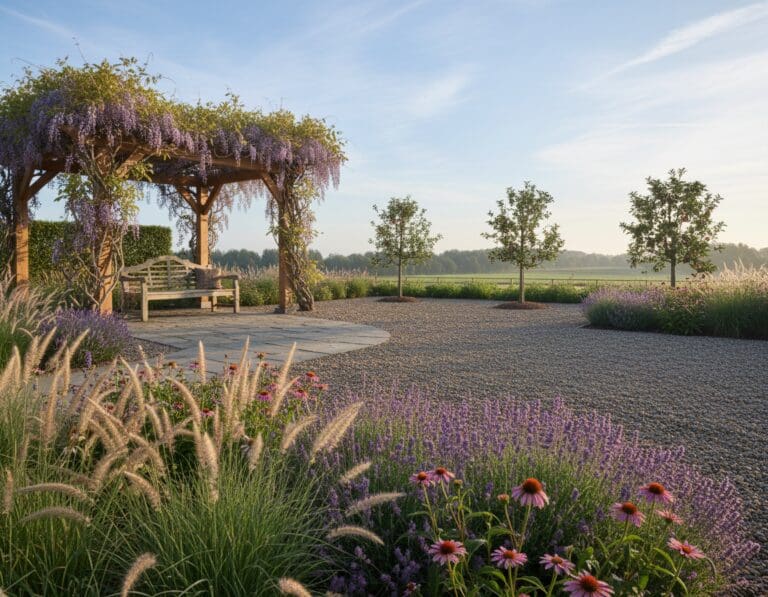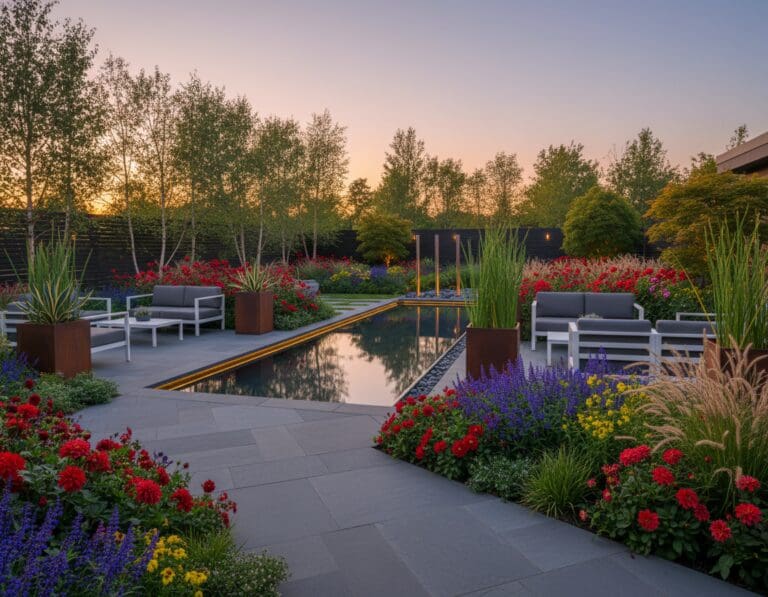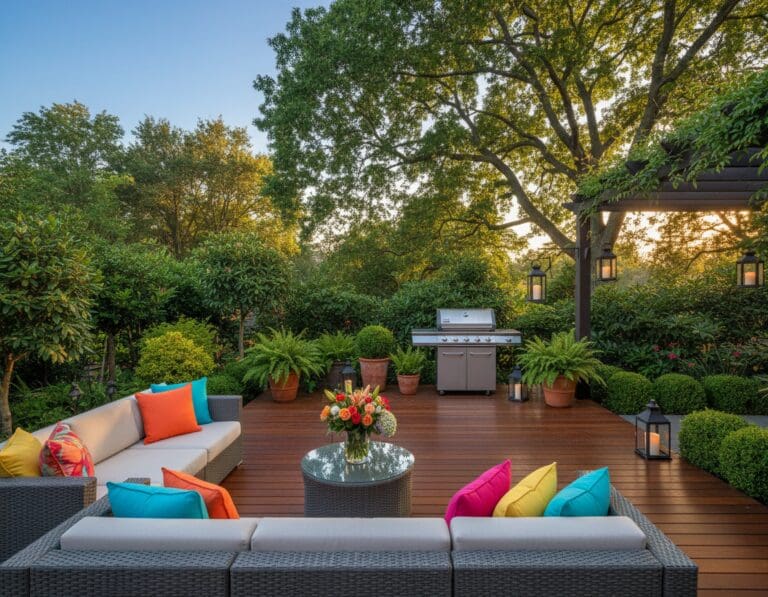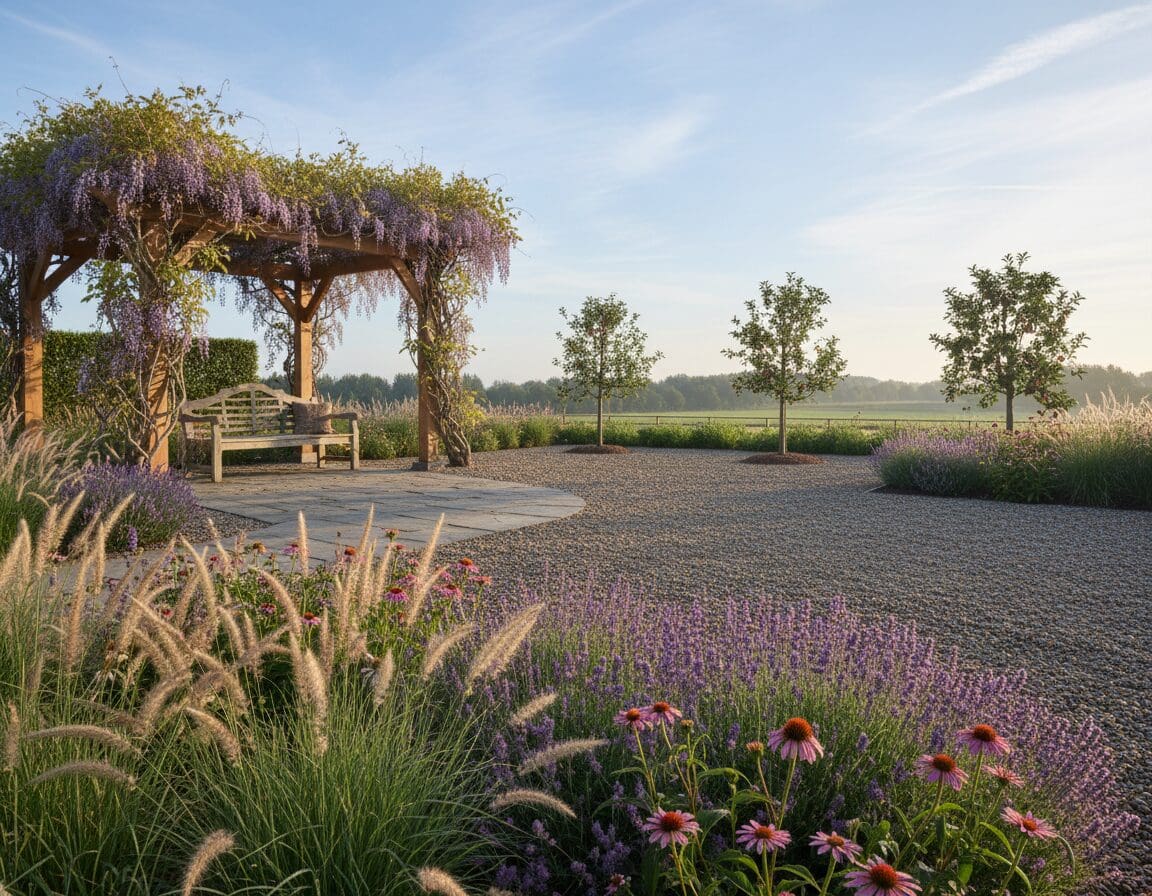
Creating a low maintenance garden means designing an easy-care garden that looks stylish with minimal effort. It combines smart garden design UK choices, durable materials and planting that reduces watering, weeding and pruning.
In practice, a low-maintenance landscaping approach uses native and drought-tolerant plants, mulch, permeable paving and drip irrigation to cut time and costs. These sustainable garden ideas help plants thrive with less input and lower lifetime expense.
The temperate maritime climate of the United Kingdom brings wet winters and variable summers. Selecting regionally appropriate plants and hard landscaping reduces stress on the garden and the gardener across seasons.
This guide targets homeowners, renters with garden duties, busy professionals and older gardeners who want an attractive, effortless garden. Expect seasonal check-ins and light tasks rather than daily maintenance, with busier periods in spring and early summer.
Before you begin, assess your space—size, soil, light and microclimate—and use the following sections on planning, plant selection and low-effort maintenance to build a resilient, low-maintenance garden that fits your life.
Planning your low maintenance garden design
Good garden planning begins with clear aims and a calm assessment of the space. A modest, well-ordered plan saves hours of upkeep and guides choices on planting, hard landscaping and storage. Start by thinking about garden functionality UK homeowners value: ease of use, spots for entertaining and areas that support wildlife with minimal fuss.
Assessing your site and setting realistic goals
Carry out a simple site assessment by measuring the area, noting sun and shade at different times and mapping prevailing winds. Check drainage and soil type, whether sandy, loam or clay, and mark any wet patches or compacted zones.
Look for microclimates such as sheltered corners, frost pockets and south-facing warm areas. These small differences determine which plants will thrive and where to place seating or raised beds. Use a tape measure, compass app and repeat observations across the day for an accurate picture.
List constraints and opportunities. Keep mature trees, solid fences or patios that help structure the space. Identify problems that need expert attention, such as invasive species, and set maintenance targets. Decide priorities like wildlife value, entertaining, edible planting or a low maintenance landscaping plan that matches your weekly or monthly time budget.
Choosing practical layouts for easy care
Simplify shapes and favour larger planting beds to cut edge work. Sweeping curves reduce weeding and mowing compared with intricate borders. A hardscape-first approach lets you define patios, paths and gravel areas to reduce lawn and tidy the overall layout.
Choose permeable paving and low-weed jointing to avoid puddles and weed ingress. Plan access routes so wheelbarrows and tools reach beds easily. Place storage near the house to lower friction for upkeep tasks.
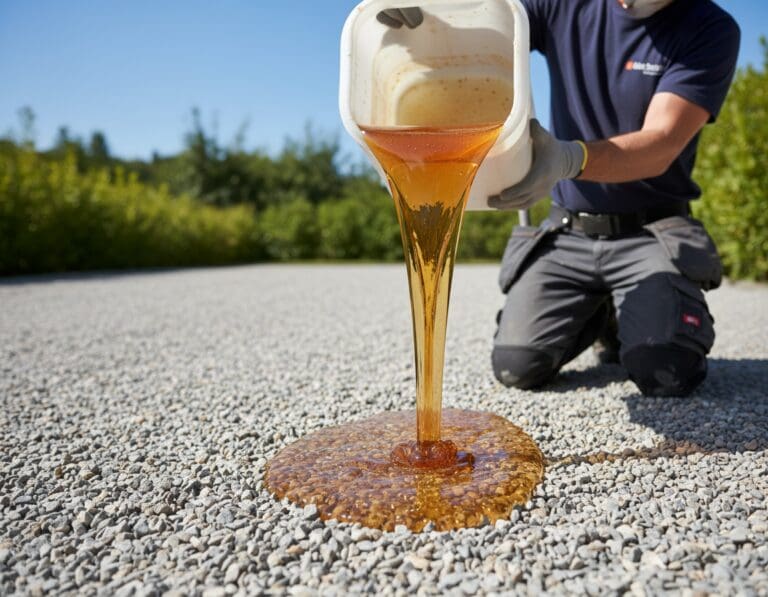
Pick durable materials from trusted UK suppliers when specifying finishes. Consider Marshalls paving, Envirodeck composite decking and resin-bound surfaces for a stylish, low-effort garden layout that lasts.
Creating zones for different functions
Use garden zoning to separate activities: a seating and entertaining area, a low-effort lawn or play space, small raised veg beds and utility zones for compost and storage. Clear zones make chores predictable and quick.
Introduce buffer planting with low-maintenance hedging such as beech, hornbeam or laurel to reduce wind and form gentler microclimates. Place specimen shrubs or a small ornamental tree to create focal points and lower the need for immaculate maintenance across the whole plot.
Think seasonal use. Plant spring bulbs in drifts in less-tended corners and keep high-attention features like patio containers close to the house. This mix of garden zoning and considered planting supports a pleasing, low maintenance landscaping plan that suits everyday garden functionality UK owners expect.
Plant selection and sustainable planting strategies
Thoughtful plant selection sets the tone for a low-effort, resilient garden. Choose species that suit your soil, aspect and local microclimate. A mix of hardy structural specimens and seasonal perennials creates interest while cutting long-term work.
Choosing hardy, native and drought-tolerant plants
Prioritise native plants UK where possible to support wildlife and reduce ongoing care. Look for county horticultural guidance and RHS recommendations when selecting species. For sunny, well-drained patches, consider drought tolerant plants UK such as Lavandula angustifolia, Salvia and rosemary. Native grasses like Festuca and Deschampsia, shrubs such as Cornus sanguinea and Cotoneaster, and herbaceous natives like Geranium pratense and Achillea give year-round structure.
Using perennials, shrubs and groundcovers to reduce replanting
Opt for perennials for low maintenance because they return each season and build deep roots that suppress weeds. Choose clump-forming perennials rather than single-season displays to limit gaps.
Layer planting with long-lived shrubs and low spreading groundcovers to create a self-sustaining matrix. Good groundcover choices include Ajuga reptans, Thymus serpyllum and, where suitable, Vinca minor or native woodland species for shade.
Companion planting and planting for pest resilience
Use companion planting to deter pests and attract beneficial insects. Plant aromatic herbs such as lavender and rosemary beside ornamentals to repel aphids. Introduce native wildflowers to support bees and hoverflies that keep pest numbers down.
Mix species and cultivars to avoid monocultures. Choose disease-resistant varieties recommended by the RHS for roses, Phlox and Helleborus to reduce spray needs. Provide habitats like log piles and wildflower patches to encourage ladybirds, lacewings and birds.
Mulching and soil preparation for long-term health
Test soil pH and add organic matter such as well-rotted farmyard manure or compost to improve structure. For heavy clay, add grit and compost to aid drainage. Use John Innes or other root-friendly composts when planting shrubs.
Apply mulch to conserve moisture, suppress weeds and feed soil life. Mulching benefits include temperature moderation and reduced watering. Spread bark or woodchip to 5–7.5 cm, keeping material away from stems, and top-dress perennial beds annually.
Consider water-retentive soil conditioners in drought-prone areas and improve drainage with raised beds or simple French drains where needed. Plant at the correct depth and water-in well to give new plants the best start.
Low effort maintenance techniques and smart features
Design the garden to cut routine chores. Replace a large turf area with low-growing grass mixes such as clover or moss lawns, or use hard surfaces and dense groundcovers. If you keep lawn, consider British Seed House low-maintenance mixes and mow less often to encourage deep roots. This approach reduces time and gives quick wins in low effort maintenance.
Keep pruning and weed control simple. Prune shrubs and perennials in late winter or early spring, and tidy perennials in autumn to avoid heavy work later. Use electric secateurs like Bosch cordless secateurs to speed jobs. For weeds, use regular shallow hoeing, hand-pull invasive species promptly, and apply annual mulch; landscape fabric can help in high-traffic beds though it may affect long-term soil health.
Invest in water-wise systems to save time and water. Low-pressure drip irrigation and soaker hoses from Gardena or Hozelock, paired with timers, target roots and reduce evaporation. Fit water butts to downpipes for rainwater harvesting and consider larger tanks where space allows. Smart controllers and soil moisture sensors — Hunter or Rachio-compatible units available in the UK — prevent overwatering and form the backbone of automatic irrigation solutions.
Choose durable materials and wildlife-friendly features to lower upkeep. Permeable paving and sealed resin-bound surfaces cut moss and weed ingress. Composite decking or aluminium pergolas reduce repainting. Use larger pots with slow-release feed or self-watering planters to reduce watering frequency. Add a small wildlife pond or container bog garden, bird boxes and bee hotels for biodiversity without fuss. Follow a simple seasonal checklist — spring pruning and planting, summer watering, autumn mulching and leaf management, winter tool care — and weigh upfront costs against long-term savings. For major work, hire qualified professionals, seek three quotes and check trade memberships to ensure safe, lasting results.