A comfortable home environment blends practical function with calm and warmth. It means managing temperature, air quality and ergonomics while also shaping light, sound, scent and style to support everyday life.
This article looks at creating a cosy home that supports wellbeing, whether you live in a Victorian terrace, a solid‑walled suburban house or a compact London flat. UK home comfort often involves tackling heat loss, damp and condensation, noise from neighbours and limited storage. But small behavioural changes and targeted upgrades can make a big difference.
We will offer clear home comfort tips to improve home wellbeing across short‑term habits and longer‑term investments. Expect guidance on lighting, textiles, ventilation, layout and sensory design, plus budget ideas and when to consider professional help.
Recommendations draw on reputable UK sources such as NHS guidance on sleep and mental health, Energy Saving Trust advice on insulation and British Safety Council tips on home safety, so practical steps are grounded in evidence and tailored to British homes.
Why comfort matters: benefits of a cosy, healthy home
A welcoming home shapes more than decor. The benefits of comfortable home living touch mood, sleep, physical health and daily costs. Small changes can build resilience, reduce stress and make routines easier to keep. That is the real power of a cosy healthy home.
Emotional and mental wellbeing
Living spaces influence how we feel. NHS guidance and mental health charities note that clutter, poor light and cold can worsen anxiety and low mood. Simple fixes like better daylight, plants by a window or a clear desk can lift concentration and calm the mind.
Sleep links directly to home design. Lighting, noise reduction and the right bedroom temperature help circadian rhythms. NHS advice on sleep hygiene recommends a cool bedroom around 16–18°C for many adults and steady routines to improve rest.
Personalised rooms give a sense of belonging and control. Feeling ownership over furniture and layout reduces stress and strengthens the home wellbeing benefits that support everyday life.
Physical health and safety
Air quality matters for long-term health. Poor ventilation, condensation and mould raise the risk of respiratory problems and allergies. UK guidance highlights the need to remove damp, improve airflow and act fast when mould appears.
Cold homes carry health risks, especially for older people. The NHS warns that excess cold can increase cardiovascular and respiratory issues. Adequate heating, insulation and temperature control protect physical wellbeing and raise comfort levels.
Home safety and comfort go hand in hand. Remove trip hazards, fit smoke and carbon monoxide detectors and secure locks to reduce risk. Store medicines and cleaning products safely and use candles with caution to lower fire hazards.
Practical advantages and value
Energy efficiency reduces bills and raises comfort. The Energy Saving Trust suggests insulation, draught-proofing and efficient boilers as effective ways to cut costs while improving warmth and stability.
Comfort boosts a property’s appeal. Buyers and tenants favour well-maintained, comfortable homes; upgrades such as double glazing, modern heating and attractive finishes can increase market value.
A comfortable home supports productivity and social life. Good lighting, quiet corners and adaptable spaces make working from home easier, encourage family activities and help with hosting friends. These everyday gains reflect clear home wellbeing benefits.
Practical steps to create a comfortable home environment
Small, thoughtful changes can transform a house into a calm, welcoming home. Below are practical home comfort steps that start with low-cost tweaks and progress to larger investments. Each suggestion targets how you feel, how spaces function and how easy the home is to maintain.
Optimise lighting for warmth and function
Layered lighting gives rooms flexibility. Combine ambient ceiling lights with task lamps for reading and under-cabinet lighting in kitchens.
Use warm-colour LED bulbs (2700–3000K) in living areas and cooler tones for desks and study corners. Fit dimmer switches or smart bulbs such as Philips Hue or IKEA TRÅDFRI to change mood and save energy.
Maximise daylight by keeping windows clear and positioning seating to catch sunlight. Add mirrors to reflect light and use thermal curtains that insulate without losing brightness. In bedrooms, use blackout curtains and low-level bedside lamps to support sleep routines.
Choose textiles and colours that promote comfort
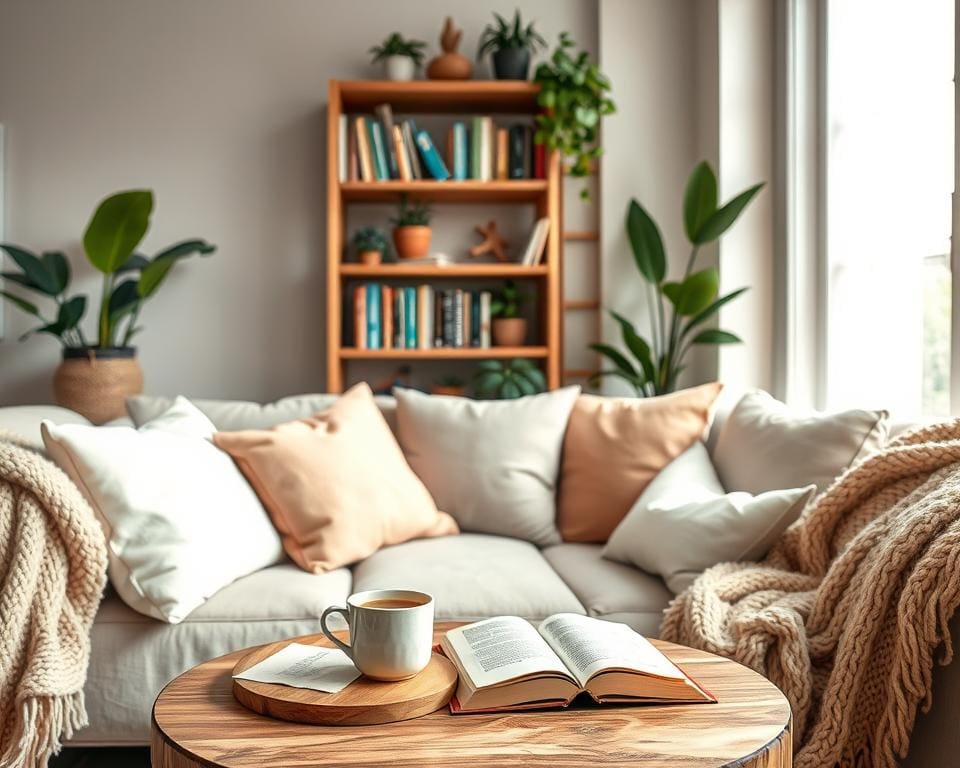
Layer soft throws, cushions and rugs to add tactile warmth and reduce noise. For UK winters, favour wool, fleece, brushed cotton and velvet; switch to breathable linens in summer.
Warm neutrals and muted earthy tones calm a room; add accents in deep blues, greens or terracotta for cosiness. Test sample paints and create a simple mood board before committing to a palette.
Pick washable fabrics and stain-resistant finishes for durability. Use carpet or large rugs to prevent cold feet and to improve acoustics. These choices help you choose cosy textiles that last.
Improve air quality and temperature control
Air rooms for five to ten minutes two or three times daily to reduce humidity and stale air. Use extractor fans in kitchens and bathrooms and consider mechanical ventilation if mould is a concern.
Control moisture with dehumidifiers or moisture-absorbing products in problem areas. Ensure tumble-dryer vents are routed outside where possible.
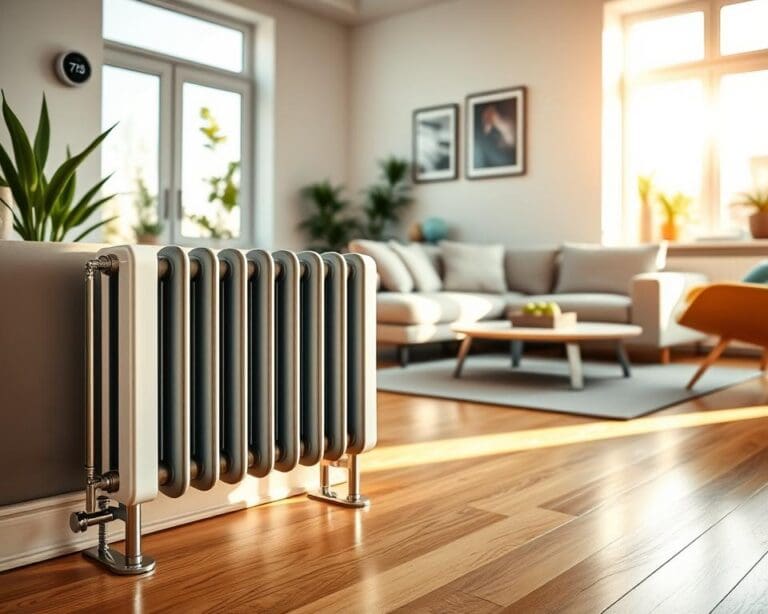
Upgrade insulation and draught-proof doors and windows to keep heat in. Fit radiator reflector panels, thermostatic radiator valves and a smart thermostat such as Hive or Nest to hold comfortable temperatures efficiently. For allergy sufferers, use HEPA-equipped purifiers from reputable brands like Dyson or Philips and clean vents and filters regularly to improve indoor air quality.
Arrange furniture for flow and relaxation
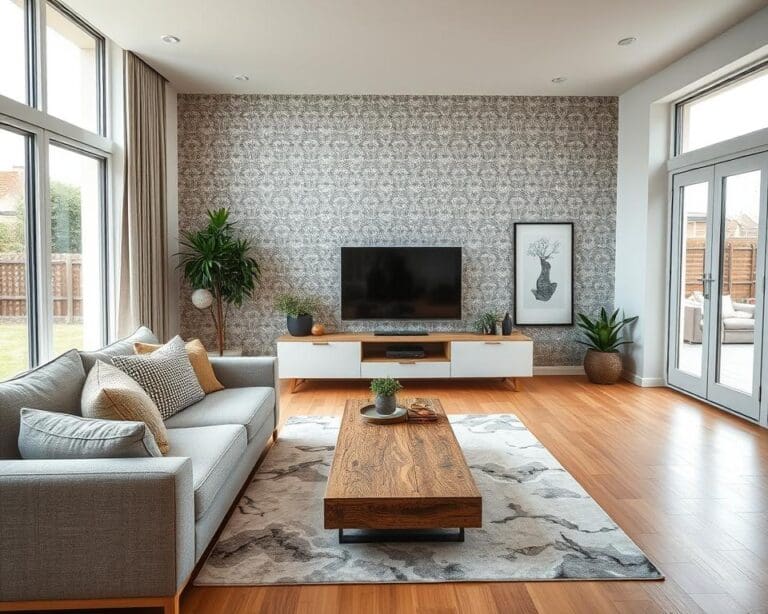
Create clear pathways and a focal point such as a fireplace, TV or a view. Aim for balance and proportion so rooms feel neither cramped nor empty.
Define zones for relaxing, working and dining in open-plan spaces using rugs, shelving or the positioning of sofas and tables. Avoid pushing every item against the walls; a floating seating group often feels more intimate.
Prioritise supportive seating and correct seat heights for comfort. For home-working, choose an ergonomic chair and set monitor height to eye level. Reduce visual clutter with storage from IKEA or John Lewis, freestanding cupboards and simple daily habits to keep surfaces calm.
- Start small: swap bulbs, add a rug, hang thermal curtains.
- Medium upgrades: fit dimmers, buy a smart thermostat, invest in a good sofa.
- Larger projects: loft insulation, new windows, whole-house ventilation.
Enhancing comfort through personal style and sensory design
Comfort grows when a home speaks to the senses and to who you are. Sensory home design blends touch, scent, sight and sound to create a calm, lived-in space. Choose simple routines and a few signature items that match daily life and habits.
Soundscaping and reducing noise
Street traffic, neighbours and plumbing can disturb rest and focus across the UK. To reduce home noise, start with soft furnishings that absorb sound: thick curtains, layered rugs and upholstered furniture work well. Add bookcases or acoustic panels from brands like Auralex or Snowsound for targeted absorption.
Seal gaps around doors and windows and fit door sweeps to limit drafts and noise leaks. For active control, try white noise machines or apps such as Calm and Noisli to mask intrusive sounds. When buying appliances, check decibel ratings and choose quieter models for bedrooms and living areas. For persistent external issues, explore secondary glazing or speak to your local council about excessive noise.
Scent and sensory cues
Smell shapes mood and memory. Introduce scent for home comfort with care: essential oil diffusers, soy or beeswax candles from respected UK brands like Neom, linen sprays or fresh herbs offer safe options. Pick citrus or eucalyptus to energise kitchens and work zones. Use lavender or chamomile in bedrooms to support rest. In autumn and winter, warming spices such as cinnamon and clove add cosiness.
Watch for sensitivities and avoid overpowering fragrances. Never leave candles unattended and follow safety guidance for plug-in diffusers. For households with allergies, opt for light, natural scents or unscented alternatives.
Personal touches and meaningful decor
Curate displays of photos, heirlooms and souvenirs to foster belonging. Group items in odd numbers and place them against neutral backdrops to prevent visual clutter. Rotate artworks, cushions and plants seasonally to keep the home feeling fresh.
Use textiles and art to tell your story. Patterned cushions, throws and a small gallery wall can express personality while a limited palette ties the room together. Choose low-maintenance plants such as spider plant, pothos or sansevieria for a touch of green and better air quality.
Adopt a simple rule to manage accumulation: one in, one out. This helps you personalise home decor with intention and preserves the calm that comes from thoughtful sensory design.
Long-term strategies and budget-friendly upgrades for lasting comfort
Start with low-cost quick wins that give instant benefit. Draught-proofing kits, door brushes and foam sealant from retailers such as Screwfix or B&Q seal gaps and cut heat loss. Thick thermal curtains or blinds, rugs and extra cushions add warmth and sound absorption with minimal expense. Swap to LED warm bulbs, use plug-in dimmers and smart plugs to control lighting and heaters for a fast boost to long-term home comfort and affordable home improvements.
Next, plan medium-cost retrofits that deliver strong returns. Loft insulation, cavity wall insulation and double or secondary glazing follow Energy Saving Trust guidance to reduce bills and raise comfort. Upgrading to a more efficient boiler, installing smart thermostats and adding thermostatic radiator valves improves zoned heating and represents sensible home comfort investments. Also consider bathroom and kitchen ventilation upgrades to cut mould risk and improve air quality.
For older houses, look at whole-house retrofit and longer-term capital works. Retrofit approaches that improve insulation, airtightness and ventilation can transform comfort and efficiency, and may be eligible for schemes such as ECO or local authority grants. Explore renewable options like air-source heat pumps or solar PV where appropriate, working only with MCS-certified installers. When undertaking large projects, seek advice from chartered surveyors or RICS-accredited professionals and use reputable trades found via TrustMark or Checkatrade.
Keep comfort durable through routine upkeep and simple habits. An annual boiler service, gutter cleaning and seal checks prevent small faults becoming big problems. Regular airing, humidity control and prompt repair of leaks preserve indoor health and reinforce long-term home comfort. Prioritise insulation and heating first in a phased plan, then address ventilation and sensory upgrades, while exploring grants and finance for energy efficient upgrades UK to make budget home upgrades truly affordable and lasting.