This short guide aims to help UK readers discover practical, affordable and design-led ways of creating a comfortable living space at home. We mean a setting that supports physical comfort—temperature control, supportive seating and sensible ergonomics—alongside mental wellbeing through calm, decluttered rooms and social spaces that welcome family and guests.
Evidence links a well‑arranged home to better sleep, lower stress and improved focus. The NHS offers clear sleep hygiene advice that benefits bedroom layout and routines, while the Chartered Institute of Environmental Health highlights indoor air quality as central to health. Housing studies across Britain also connect domestic comfort with overall wellbeing, underscoring that modest changes can yield measurable gains.
This piece speaks to homeowners, renters and flat dwellers across the UK, offering scalable home comfort tips for every budget. Whether you want to know how to make home cosy with simple swaps or are planning a larger refresh, the suggestions are practical and achievable. Remember: small, consistent improvements compound into a noticeably cozier home.
What follows covers four clear areas to guide you: core principles for a cosy, functional interior; soft furnishings and materials that add warmth and texture; lighting, colour and scent to shape mood; and everyday habits that sustain comfort. Use these sections as a roadmap for creating a comfortable living space at home and for finding immediate cosy home ideas UK that fit your life.
Comfortable living space home: principles for a cosy, functional interior
Creating a cosy functional interior begins with clear principles of comfortable home design. Start by imagining how each room will feel and work for daily life. Small, deliberate changes to warmth, light and layout make an outsized difference to wellbeing and usability.
This opening section lays out practical steps to balance thermal comfort, natural light and home ergonomics. Use the guidance that follows to assess your space, define a focal point and set priorities that suit style and budget.
Understanding comfort: balance of warmth, light and ergonomics
Thermal comfort matters. Aim for around 18–21°C in living areas and 16–18°C in bedrooms when asleep, matching NHS and UK Government advice. Draught-proofing, improved loft insulation and a programmable thermostat or smart radiators such as Tado help keep temperatures steady while cutting bills.
Natural light supports circadian rhythm and mood. Maximise daylight by keeping windows clear, adding mirrors and using light-reflecting surfaces. For evenings, plan layered lighting with bulbs that offer adjustable colour temperature to switch between daylight-like cool tones and warmer cosy light.
Good home ergonomics protects posture and comfort. Choose sofas and chairs with suitable seat height and depth. Opt for supportive mattresses and create adjustable workspaces if you work from home. Follow Health and Safety Executive guidance for setting up a safe, ergonomic home office.
Assessing your space: flow, focal points and decluttering
Map key circulation paths to check room flow and avoid blocked walkways. Measure and sketch areas where people move most so furniture supports conversation and movement without crowding. Aim for clear routes between doors and main seating.
Identify a room flow and focal point by spotting natural anchors: a fireplace, a large window or the TV. Arrange seating to enhance sightlines and social use. A clear focal point brings cohesion to a cosy functional interior.
Decluttering reduces stress. Work through possessions with a four-box method: keep, donate, recycle, store. Use modular storage such as IKEA Kallax units or built-in shelving to keep surfaces tidy. These decluttering tips UK readers find practical and effective for daily calm.
Setting priorities: comfort, style and budget considerations
Create a simple prioritisation list: must-haves (comfort and function), nice-to-haves (designer pieces) and future upgrades (double glazing or insulation). This framework helps you spend where it counts and resist trend-led splurges.
Choose budget-friendly swaps with high impact. Layered textiles, LED bulbs and draft excluders improve comfort at low cost. Save for longer-term investments that increase efficiency and value, such as cavity wall insulation or quality upholstery from John Lewis & Partners and Habitat.
Think sustainability and longevity when buying. Durable materials and energy-efficient appliances lower running costs and reduce environmental impact over time. Prioritise items that deliver comfort now and continue to perform well for years.
Soft furnishings and materials that enhance warmth and texture
Soft furnishings transform a room from functional to inviting. Focus on fabrics and finishes that add tactile interest, thermal comfort and visual depth to create a cosy atmosphere without needing major renovation.
Choosing fabrics means weighing breathability, care and feel. Natural fibres such as cotton, linen, wool and silk offer excellent airflow and natural insulation. Wool rugs and throws provide resilience and warmth underfoot. Linen curtains give airy light diffusion while remaining breathable. For families and renters, easy-care blends like poly-cotton or wool mixes bring stain resistance and durability. Always check care labels and British Standards where relevant before buying.
Texture matters for comfort. Bouclé, velvet, chunky knits and sheepskin—real or faux—add tactile richness that guests notice. Reputable UK suppliers such as The White Company, Loaf and Dunelm supply a wide range of natural textiles that balance quality and value.
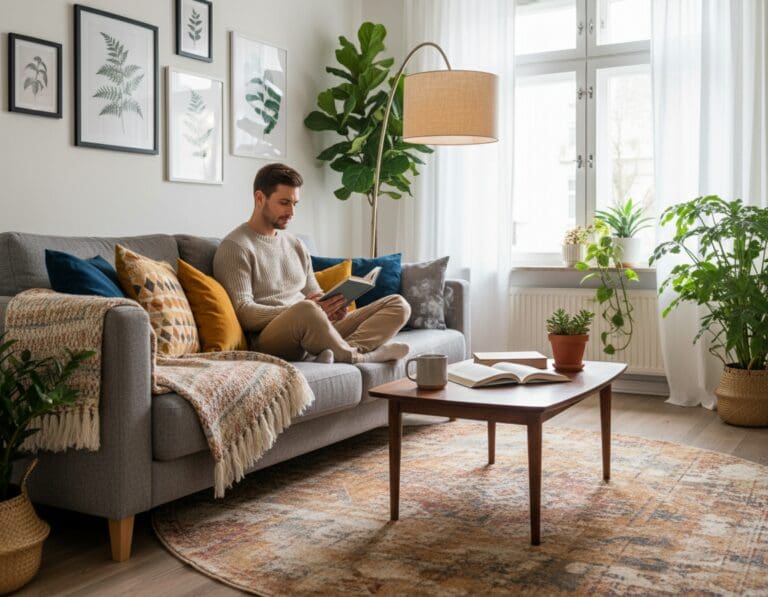
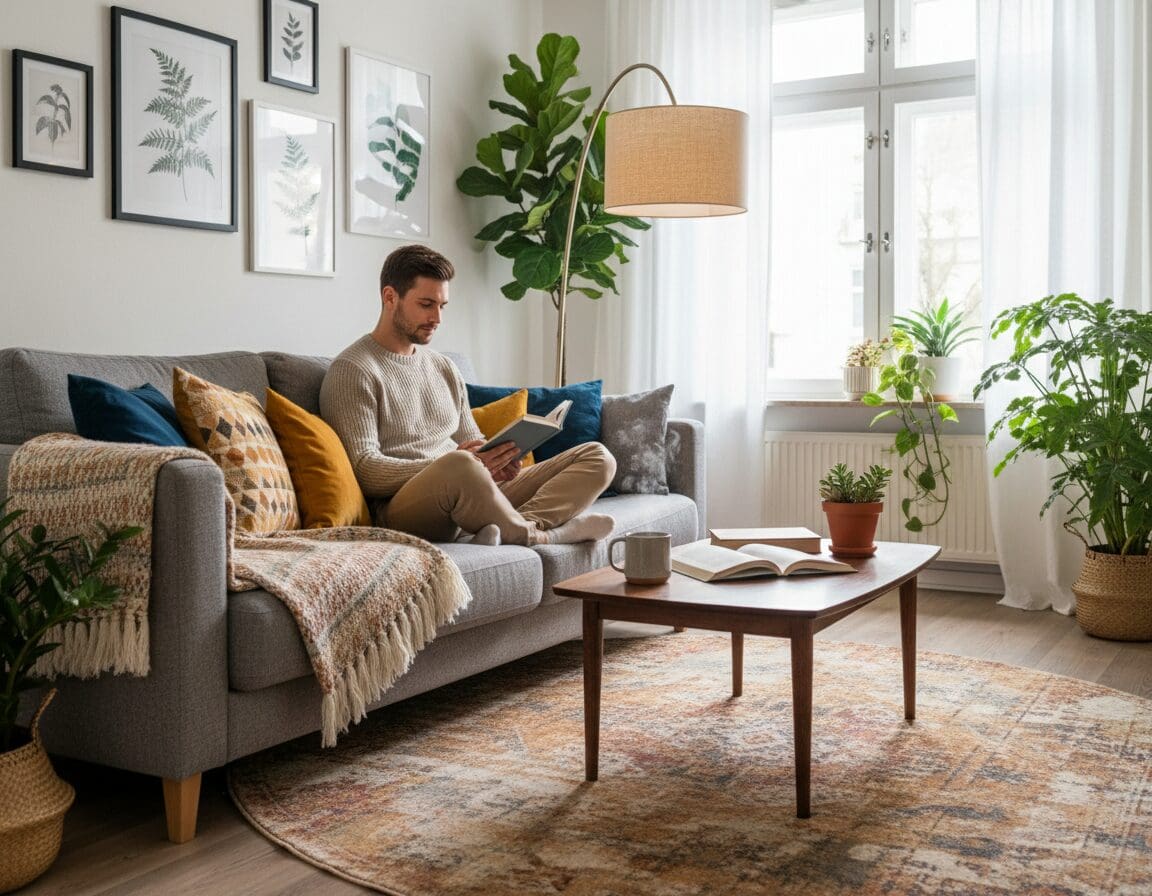
Layering textiles creates depth and insulation. Start with a neutral sofa as the base layer, add textured throws as mid layers and finish with accent cushions in varied sizes and shapes for interest. Use a mix of 50×50 and 30×50 cushions with some round or lumbar pieces to avoid uniformity.
Rugs help to zone spaces and retain warmth. Choose materials and pile heights suited to room traffic. Low-pile wool works well in hallways, while a thicker pile adds comfort in sitting areas. A quality underlay improves thermal and acoustic performance. Retailers such as Carpetright and John Lewis offer options for different budgets and needs.
Rotate textiles seasonally to keep comfort economical. Switch to lighter linen and cotton in summer, then bring in wool and faux fur for winter. This approach maintains a comfortable home without higher energy bills.
Furniture finishes and upholstery should balance longevity and comfort. Performance fabrics—stain-resistant polyester blends—work well for busy households. Leather can age gracefully but may feel cool; pair it with warm throws. Natural woven fabrics give a relaxed look and pleasant feel.
Inspect frame and cushion construction when choosing pieces. Solid hardwood frames and quality springs, such as serpentine or pocket springs, extend lifespan. Test items in showrooms where possible to assess comfort and support.
Visual warmth comes from finishes as much as textiles. Warm wood tones, matte surfaces and rounded edges create a welcoming vibe. Consider refinishing or reupholstering second-hand furniture to refresh a room sustainably while keeping upholstery choices durable comfortable.
Lighting, colour and scent to shape mood and atmosphere
Good lighting, considered colour and gentle scent work together to make a home feel restful and welcoming. Use simple adjustments to alter mood, support daily tasks and bring nature indoors. The ideas below help you plan lighting for cosy home spaces, test colour palettes for comfort and introduce scent and plants home thoughtfully.
Layered lighting: ambient, task and accent for adaptable moods
Start with ambient light for general illumination. Ceiling-mounted fixtures, pendant lights and wall sconces give even coverage. Pick dimmable LED fittings to adjust brightness and lower energy use while meeting UK lighting standards and energy labels.
Task lighting sits where you need focused light. An adjustable desk lamp for work, under-cabinet LEDs in the kitchen and bedside lamps with warm temperatures (2700K–3000K) reduce eye strain and feel inviting.
Accent lighting adds depth and drama. Use picture lights, floor lamps and discreet LED strips to highlight architectural details. Smart systems such as Philips Hue let you create scenes and set schedules. Practical tips: position lights to avoid glare on screens, choose shades that diffuse light softly and match bulb colour temperature to room function. These layered lighting ideas keep each room flexible for reading, cooking or relaxing.
Colour palettes for comfort: warm neutrals, calming blues and accent hues
Warm neutrals form a soothing backdrop. Soft beiges, warm greys and creamy whites reflect light and make rooms feel cosy without overwhelming the senses.
Calming blues and greens support rest and focus. These hues are linked with tranquillity and lower stress, making them ideal for bedrooms and chill-out corners.
Use richer accent colours sparingly to add personality. Mustard, terracotta and deep teal work well on a feature wall, shelf styling or soft furnishings. Try samples from Farrow & Ball, Dulux or Little Greene and view them at different times of day to see how natural and artificial lighting interact with your colour palettes for comfort.
Using scent and plants: subtle fragrance, air quality and biophilic benefits
Choose subtle, natural fragrances to support mood. Essential-oil diffusers or soy candles in lavender, cedarwood or citrus create calm or uplift as needed. Follow UK fire-safety guidance and keep candles attended and away from flammable materials.
Plants improve air quality and foster a connection to nature. Low-maintenance choices such as spider plant, snake plant (Sansevieria) and peace lily are good starting points. Research links indoor greenery with better mental wellbeing and concentration.
Place plants where light and care routines suit them. Use pots with drainage, match pot size to the plant and set a simple watering timetable. For supplies and advice, visit local retailers such as B&Q, Homebase or online growers like Patch Plants. Combining scent and plants home with considered lighting and colour reinforces biophilic design UK principles and helps create a calm, comfortable living space.
Practical habits and small changes for everyday comfort
Start with simple daily habits to lift your living space. Open curtains each morning to admit daylight and make the bed with breathable cotton or linen to set a tidy tone. Use a warm lamp in the evening to signal wind-down and support sleep hygiene; for guidance on sleep routines, follow NHS advice on good sleep practices.
Keep air fresh with short bursts of ventilation for 5–15 minutes, especially after cooking or showering, and run extractor fans where fitted. Regular airing reduces humidity and pollutants and helps with home comfort maintenance UK. A weekly 10–15 minute declutter habit prevents build-up and keeps surfaces calm and welcoming.
Schedule seasonal checks: change HVAC filters, inspect door and window seals, clean radiators and vacuum beneath rugs to preserve thermal performance. For quick comfort upgrades, consider draft excluders, a heated throw, a memory-foam topper, non-slip rug underlay, a smart thermostat and a good bedside lamp; these small changes for cosy home living bring big benefits.
Plan staged upgrades with a simple comfort plan: prioritise urgent fixes such as insulation or damp repair, list medium-term buys like a new sofa or mattress, then add aesthetic updates. Look into Energy Company Obligation (ECO) and local council grants if eligible, and find reputable tradespeople through Checkatrade or TrustMark. With patience and nightly routines, everyday comfort tips home and daily habits for comfortable living become lasting ways to make your house feel truly like home.