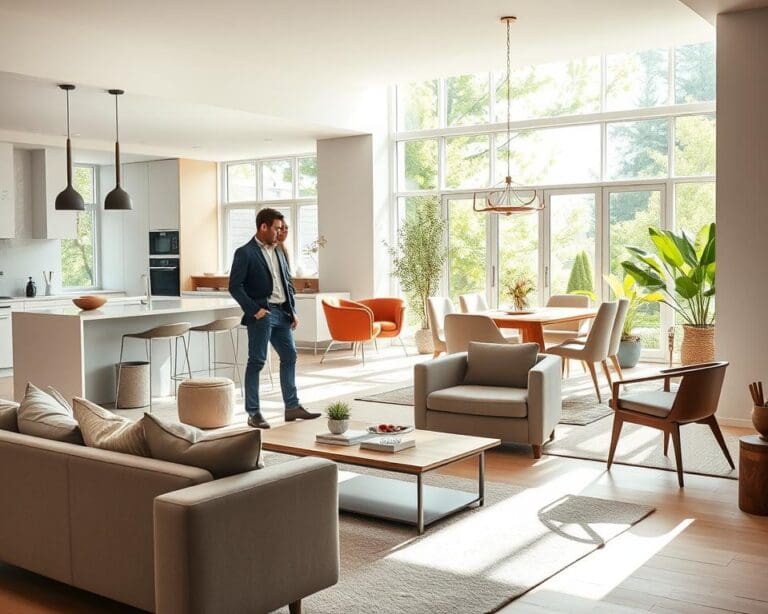
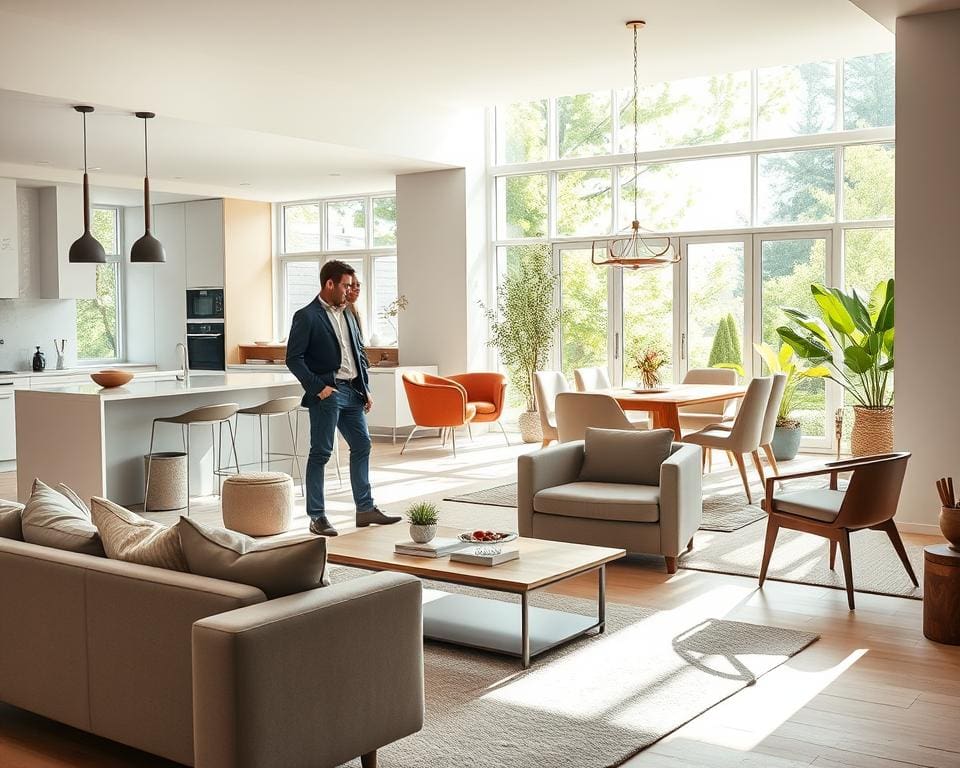
Designing a modern practical home starts with a clear brief. Think about how you live now: remote working, family routines and how you entertain. Set a realistic budget, a timeline and decide on ecological goals such as energy efficiency and low‑carbon materials.
Modern functional home design marries a clean, contemporary aesthetic with everyday usability. In contemporary home design UK, simplicity and purposeful form matter, but every choice should solve a problem or enhance daily life. Functional modern interiors focus on storage, flow and surfaces that are easy to care for.
UK homes vary: terraced houses, Victorian conversions, flats and new‑builds each bring different constraints. Smaller footprints, listed‑building rules and planning permissions shape your modern home layout. Be aware of Building Regulations such as Part L for energy performance and Part F for ventilation.
Practical first steps include commissioning a measured survey for major works and checking local authority planning portals. Engage an architect for structural changes, a chartered surveyor for older properties and Gas Safe engineers or certified electricians for services. These steps protect your budget and timeline.
The aim is an uplifting, adaptable home. A successful modern practical home reduces clutter, lowers energy bills and adapts as your needs change. Keep function at the heart of design to achieve contemporary home design UK that feels both beautiful and genuinely useful.
Core principles of modern functional home design
Good design begins with purpose. These core ideas guide a home that feels deliberate, calm and practical. Use them to shape layouts, choose materials and future-proof choices for everyday life.
Defining function before form
Start by mapping how rooms will be used across a day. Sketch simple bubble diagrams or activity flow charts to show circulation and adjacency. Place utility and storage near entrances and put the kitchen close to dining for smooth movement.
Create a user-centred brief listing must-haves, should-haves and nice-to-haves. A clear brief helps decide whether a workspace or a play area gets priority, and it shapes material and layout choices.
Plan for accessibility and longevity. Step-free access, wider doorways and future-proof fittings follow guidance from the Centre for Accessible Environments and keep a home usable as needs change.
Minimalism with warmth
Minimalist cosy interiors favour pared-back palettes and high-quality finishes rather than empty spaces. Choose soft greys, warm whites and natural timber tones to bring calm and comfort.
Layer tactile textiles and warm lighting to avoid cold sterility. Durable, easy-clean surfaces suit family life. Invest in key pieces from trusted UK retailers such as John Lewis, DFS or Heal’s for longevity and style.
Flexible, multi-use spaces
Adaptable living spaces make a small home feel larger and a large home more efficient. Think sliding doors, pocket doors, foldaway desks and built-in joinery that conceals different functions.
Use rugs, lighting layers and ceiling treatments to zone open-plan areas without full partitions. For home offices, create nooks with sound-reducing bookshelves or compact desk systems to support remote working trends.
Sustainability and energy efficiency
Sustainable home design UK starts with fabric-first measures: insulation upgrades, draught-proofing and better glazing. These changes improve comfort and cut bills.
Consider efficient heating systems such as condensing boilers or heat pumps and explore rooftop solar PV, solar thermal and battery storage. Smart meters help manage use and reveal savings.
Choose FSC-certified timber, low-VOC paints and responsibly made tiles and fabrics. Look for standards such as BREEAM or Passivhaus when budgeting improvements and claim grants or support under UK schemes to offset upfront costs.
Designing each room for real life
Good design answers daily routines. A room-by-room design UK approach makes choices that suit family patterns, site constraints and long-term use. Below are practical tactics for kitchens, living areas, bedrooms and bathrooms that blend style with everyday function.
Kitchen layouts that work
Start with the work triangle: sink, hob and fridge should form easy routes to save steps. In small flats a galley kitchen keeps everything close. Open-plan houses benefit from L-shaped or island layouts that support social cooking.
Plan circulation with care. Allow at least 1m aisles for one cook and 1.2–1.5m where two people work. Use tall units and deep drawers for pots. Pull-out larders and integrated appliances keep surfaces clear.
Choose durable finishes like quartz, Dekton or sealed timber for worktops. Prefer matt or satin surfaces and non-porous splashbacks for hygiene. Fit energy-rated ovens and induction hobs to cut running costs.
Living areas that host and relax
Define arrival points and social clusters so people move naturally. Arrange seating to suit conversation and TV viewing while keeping walkways free. Zoning keeps open-plan spaces feeling organised.
Select sofas and chairs that match room scale. Pick stain-resistant fabrics for family life. Layer throws and cushions for warmth and texture to make rooms inviting.
Hide AV wiring and use built-in speakers to reduce clutter. Add rugs and soft furnishings to improve acoustics. Where possible, use folding or sliding doors to blur indoor-outdoor boundaries and expand entertaining space.
Bedrooms and restorative design
Make sleep the priority with a good mattress and blackout blinds. Aim for a bedroom temperature around 18–21°C for best rest. Use circadian-friendly bulbs to ease evening wind-down.
Reduce visual clutter with built-in wardrobes and under-bed storage. Keep bedside surfaces organised for calm mornings and nights. Natural fibres like linen and wool feel cosy and breathe well.
Layer lighting: dimmable overhead lamps, bedside reading lights and soft ambient options. Buy beds and mattresses from reputable UK retailers that offer trial periods to ensure comfort.
Bathrooms combining luxury and practicality
Design layouts with adequate manoeuvring space and consider wet-room conversions for long-term accessibility. Plan ventilation to meet UK Building Regulations Part F and prevent damp.
Choose large-format porcelain tiles or engineered stone to reduce grout lines. Fit thermostatic showers and dual-flush WCs to save water. Add underfloor heating and recessed shelving for comfort and neat storage.
Use frameless glass screens and mirrored cabinets to reflect light and enlarge a small room. Ensure extraction is vented outside and systems meet current regulations for safety and longevity.
Practical implementation: materials, lighting and storage
Choosing materials for modern homes begins with durability and ease of care. Engineered oak or quality laminate suit high-traffic zones, porcelain tiles work well in wet areas and resilient carpets add warmth to bedrooms. For worktops, quartz and Dekton offer low-maintenance, stain-resistant surfaces while natural stone remains an option where budget allows; laminates and solid-surface tops give cost-effective alternatives. When sourcing, look for FSC timber, Cradle to Cradle certification and the EU Ecolabel to support sustainable materials interiors and long-term performance.
Lighting design modern home principles favour a layered approach: ambient light for general use, task lighting over counters and desks, and accent fixtures to highlight art or architecture. Fit LED lamps for energy efficiency and longevity, choose 2700–3000K for cosy living spaces and 3000–4000K for task areas, and specify CRI 90+ where accurate colour matters. Dimmable circuits, zoned controls and programmable systems compatible with Apple HomeKit, Google Home or Amazon Alexa help adapt mood and save energy while motion sensors work well in utility rooms.
Built-in storage ideas transform awkward British layouts into efficient rooms. Floor-to-ceiling joinery, recessed shelving and bespoke alcove cabinets make use of irregular spaces common in period homes. Combine this with multifunction furniture such as ottomans with storage, wall beds for guests and bespoke bench seating with concealed compartments to increase utility without clutter. Practical organisation features include pull-out pantry organisers, drawer dividers and integrated charging stations hidden within cabinetry.
Plan projects with clear priorities: tackle structural repairs and energy-efficiency improvements first, then move to finishes and furnishings to spread cost and disruption. Obtain several quotes, use written contracts and seek trades vetted through the Federation of Master Builders or TrustMark. Keep receipts, warranties and supplier details in a home manual and follow simple maintenance routines for wood, stone and fabrics to protect practical home finishes UK. Small, timeless architectural decisions and quality core pieces will deliver the best return, while seasonal styling keeps interiors fresh.