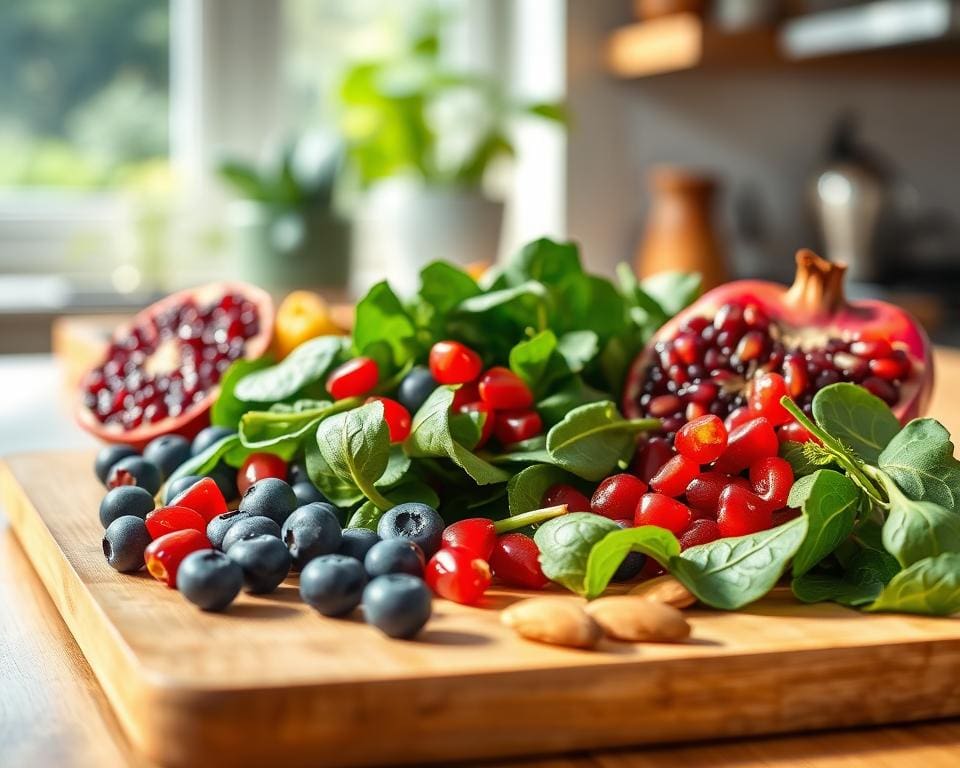
In today’s fast-paced world, the importance of selecting antioxidant-rich foods for wellness cannot be overstated. Antioxidants play an essential role in protecting our bodies from oxidative stress, a condition linked to numerous chronic diseases. By incorporating these vital nutrients into our diet, we can enhance our health benefits, support longevity, and foster a sense of well-being. As we explore the world of healthy eating, it becomes clear that thoughtful nutrition selection is key to enhancing our lives. Join us on this journey to discover how to make informed choices that benefit your health.
Understanding Antioxidants and Their Benefits
Antioxidants play a crucial role in protecting our bodies from oxidative stress, which can result from environmental factors and unhealthy lifestyle choices. By inhibiting oxidation, these remarkable molecules help maintain cellular integrity and promote overall wellbeing.
What Are Antioxidants?
Antioxidants are substances that neutralise free radicals, unstable molecules that can cause cell damage and contribute to various diseases. Their primary function is to prevent oxidation, a chemical reaction that turns healthy cells into potentially harmful ones. Understanding the nature of antioxidants allows individuals to appreciate their importance in everyday diets.
How Do Antioxidants Support Health?
The health benefits of antioxidants are extensive and well-documented. These potent compounds can reduce inflammation, lower the risk of chronic diseases such as heart disease and cancer, and even support skin health by promoting a youthful appearance. Integrating dietary antioxidants into your meals can significantly enhance your health profile and provide long-term benefits.
Common Sources of Antioxidants.
Identifying the best sources of antioxidants is vital for incorporating them into your daily diet. Consider the following foods that are rich in these beneficial compounds:
- Berries: Blueberries, strawberries, and raspberries contain high levels of flavonoids.
- Citrus Fruits: Oranges and grapefruits provide a wealth of vitamin C.
- Leafy Greens: Spinach and kale are excellent sources of various dietary antioxidants.
- Nuts: Walnuts and pecans offer significant antioxidant content.
- Whole Grains: Foods such as brown rice and quinoa provide health benefits through antioxidant-rich nutrients.
Key Nutrients to Look for in Antioxidant-Rich Foods
The journey to better health requires an understanding of important nutrients found in antioxidant-rich foods. Focusing on specific vitamins, minerals, and phytochemicals can enhance well-being and provide significant health support. Recognising these components empowers individuals to make informed dietary choices that promote overall vitality.
Vitamins and Minerals
Vitamins such as Vitamin C and Vitamin E play crucial roles in fighting oxidative stress. Vitamin C, found in citrus fruits and leafy greens, helps to protect cells from damage and enhances the immune system. Vitamin E, present in nuts and seeds, works alongside Vitamin C to maintain healthy skin and eyes.
Minerals like selenium also contribute significantly as potent antioxidants. This essential mineral acts to neutralise free radicals and support thyroid function. Sources of selenium include Brazil nuts, seafood, and whole grains. Ensuring an adequate intake of these vitamins and minerals will contribute to optimal health.
Phytochemicals and Their Importance
Phytochemicals represent a diverse group of biologically active compounds found in plants. These natural substances offer protective effects against chronic diseases, including heart disease and certain cancers. Common phytochemicals include flavonoids, carotenoids, and polyphenols, each with unique health benefits.
Including a variety of colourful fruits and vegetables in your diet will maximise your intake of these nutrient-dense foods. Berries, green tea, and colourful peppers are particularly rich in beneficial phytochemicals. Emphasising these foods in everyday meals can lead to improved health outcomes and enhanced well-being.
How do you pick antioxidant-rich foods for wellness?
Choosing high-antioxidant foods is pivotal for boosting health. Understanding how to identify these foods can guide your food selection process, leading to more health-conscious choices and effective dietary strategies. By incorporating specific techniques, individuals can not only enhance their meals but also their overall wellbeing.
Identifying High-Antioxidant Foods
When it comes to recognising high-antioxidant foods, one effective method involves evaluating the ORAC (Oxygen Radical Absorbance Capacity) scores. Foods with higher ORAC values tend to offer greater antioxidant benefits. Examples include:
- Blueberries
- Dark chocolate
- Artichokes
- Kidney beans
- Green tea
These selections stand out in your grocery aisles and provide a solid foundation for health-conscious choices. Focusing on a colourful variety of fruits and vegetables can further ensure a potent intake of antioxidants.
Colour-Coding Your Choices
Implementing a colour-coding system for fruits and vegetables simplifies food selection. Darker-coloured produce typically holds higher antioxidant levels. Consider including:
- Purple carrots
- Blackberries
- Red cabbage
- Spinach
An array of colours not only brightens your plate but also optimises the antioxidant capacity of your meals. Evaluating the colour intensity during shopping encourages health-conscious choices and enhances dietary strategies that align with wellness goals.
Incorporating Antioxidant-Rich Foods into Your Diet
Integrating antioxidant-rich foods into your daily routines can enhance your overall wellness. Embracing meal planning not only helps in selecting nutrient-dense ingredients but also promotes healthy eating habits that can easily fit into your lifestyle. Here are some meal planning tips and easy-to-follow recipes that ensure a smooth diet integration.
Meal Planning Tips
Effective meal planning can simplify the process of including more antioxidants in your diet. Consider the following strategies:
- Incorporate a variety of fruits and vegetables to maximise your intake. Brightly coloured options, such as berries and leafy greens, often provide the highest levels of antioxidants.
- Utilise whole grains such as quinoa, brown rice, and oats in your meals. These foods pair well with antioxidant-rich ingredients.
- Select lean proteins such as chicken or fish to complement your meals while keeping your diet balanced.
Simple Recipes for Daily Intake
Creating delicious meals with antioxidant recipes can be delightful and straightforward. Here are a few ideas:
- Berry Smoothie: Blend together your choice of berries, a banana, and some Greek yoghurt for a refreshing breakfast packed with antioxidants.
- Kale Salad: Toss fresh kale with cherry tomatoes, avocado, and a light vinaigrette for a nutrient-dense side dish.
- Colourful Stir-Fry: Stir-fry a mix of bell peppers, broccoli, and carrots with tofu or lean beef for a vibrant dinner option rich in antioxidants.
By incorporating these meal planning tips and simple recipes into your daily routine, achieving a diet rich in antioxidants becomes a fulfilling and enjoyable experience.
Additional Tips for Maximising Antioxidant Intake
To truly maximise antioxidant intake, it’s essential to embrace a diverse range of foods in your diet. Incorporating various fruits, vegetables, whole grains, and legumes not only introduces different types of antioxidants but also ensures a broader spectrum of nutrients. When you make mindful dietary choices, like opting for berries, nuts, and leafy greens, you create a vibrant plate that supports health optimisation.
Preparation methods also play a crucial role in retaining the beneficial properties of your food. Steaming vegetables rather than boiling them can help to preserve both flavour and nutrients, ensuring that you’re getting the maximum antioxidant benefit from your meals. Furthermore, whenever possible, choosing organic produce can reduce exposure to pesticide residues, enhancing the overall healthfulness of your meals.
Incorporating lifestyle tips such as staying hydrated, maintaining a balanced diet, and engaging in regular physical activity can further enhance the effectiveness of your dietary choices. Optimal health is a holistic journey; by prioritising these elements, you set the stage for improved well-being. Remember, each small change contributes to a brighter, healthier future filled with vitality and resilience.