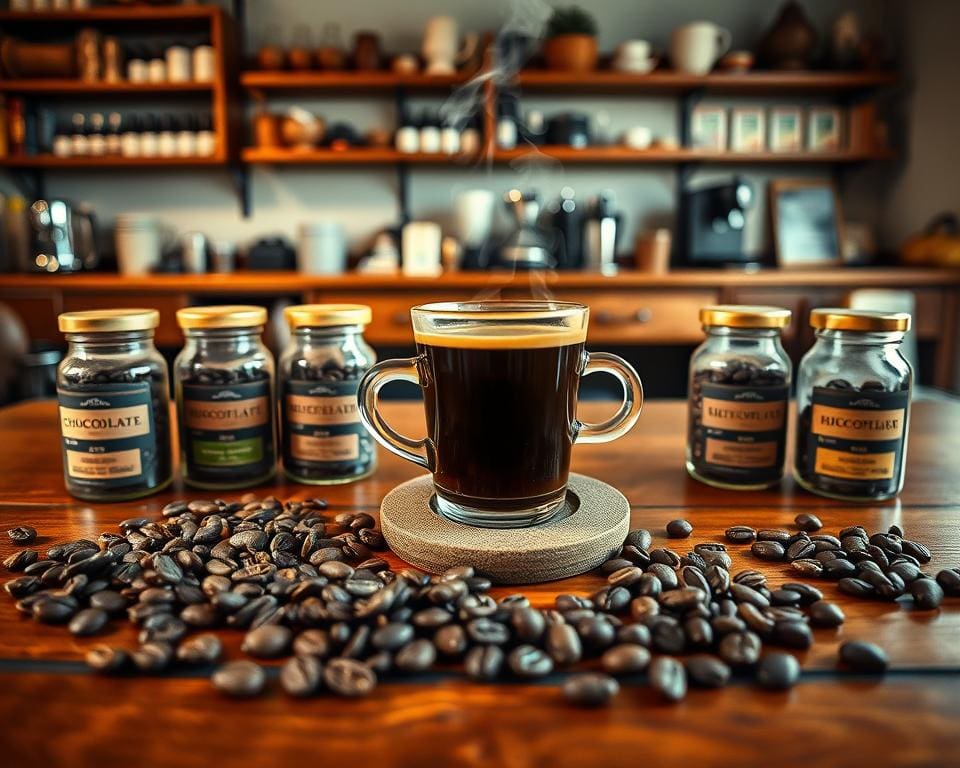
Selecting the right coffee beans is an exhilarating journey that intertwines personal preferences with the diverse world of flavours. Understanding your coffee taste preferences is essential for crafting the perfect cup that resonates with your unique palate. With the vast array of options available, from the bold notes of Arabica to the deep richness of Robusta, making informed decisions becomes crucial. This guide will help you navigate the intricacies of coffee selection by exploring how different beans can enhance your experience. By mastering the art of picking coffee beans tailored to your tastes, you’ll unlock a new realm of coffee enjoyment.
Understanding Coffee Bean Varieties
Embarking on the journey to discover your perfect cup of coffee starts with understanding the diverse coffee bean varieties available. Among them, Arabica coffee and Robusta coffee stand out as the two primary types that shape the coffee landscape. Each variety offers unique characteristics that appeal to different palates and brewing methods.
Arabica vs Robusta: The Key Differences
Arabica coffee is celebrated for its smoothness, balanced flavours, and delicate acidity. Grown predominantly in higher altitudes, this variety accounts for around 60-70% of global production. Many enthusiasts appreciate its complex flavour profile, which can include hints of fruit, sugar, and even floral notes.
In contrast, Robusta coffee takes the spotlight for strength and richness. With a higher caffeine content, this variety is often favoured for espresso blends, enhancing the shot’s crema and depth. Robusta beans exhibit a bold flavour, sometimes described as earthy or nutty, making them a popular choice among those who prefer a bolder taste in their coffee.
Single Origin Versus Blends: What’s Best for You?
When selecting coffee, consider the differences between single origin coffee and coffee blends. Single origin coffee, sourced from a specific region, offers unique flavour characteristics that reflect the environmental conditions and cultivation methods of that area. An excellent example is Ethiopian Yirgacheffe, known for its distinct fruity notes and vibrant acidity.
On the other hand, coffee blends combine beans from various regions, providing a balanced taste that can be tailored to appeal to a broader audience. An example of a well-crafted blend is the Espresso Roast by Starbucks, skillfully designed to deliver a consistent flavour profile, perfect for elevating your espresso experience.
The Impact of Roast Levels on Taste
The journey of coffee flavours begins with the roasting process, which significantly alters the taste experience. Understanding coffee roast levels—light roast, medium roast, and dark roast—can help you select the coffee that suits your palate. Each roast level brings forth distinct flavour profiles that highlight the characteristics of the beans, enhancing your coffee enjoyment.
Light Roast: Brightness and Acidity
A light roast is known for its bright and acidic notes. This roasting level maintains most of the bean’s natural qualities, allowing floral and fruity undertones to shine through. Often, coffee enthusiasts appreciate the complexity this roast offers, as it showcases the unique attributes of the beans themselves.
Medium Roast: Balanced Flavours
Medium roast strikes a delightful balance between the vibrant acidity of light roasts and the deeper flavours of dark roasts. The result is a smooth coffee that provides a harmonious blend of flavours without overshadowing the original notes of the beans. This roast level caters well to those who enjoy a satisfying cup that is neither too strong nor too delicate.
Dark Roast: Bold and Rich
A dark roast is recognised for its bold, intense flavours with deep, smoky undertones. While this roasting process often diminishes some original bean notes, it introduces a richness that many find appealing. This roast level can offer a comforting cup filled with a robust profile that energises the senses.
How do you pick coffee beans that match your taste?
Understanding your personal coffee preferences is essential for an enjoyable coffee experience. Every coffee lover has unique tastes, and recognising these can transform the way you approach coffee tasting. Begin by introspecting and identifying the flavour notes that resonate with you. Consider whether you favour fruity, nutty, or chocolatey overtones. Engaging in a coffee taste assessment not only enhances your enjoyment but also guides you towards selecting the perfect beans.
Assessing Your Personal Preferences
To refine your personal coffee preferences, keep a journal during your tasting adventures. Jot down your thoughts and feelings about each coffee, noting the specific flavours and characteristics that stand out. Try using descriptive terms like “bright acidity” or “smooth body” to articulate your experiences clearly. This practice not only helps you remember your favourite brews but also serves as a reference for future selections.
Tasting Notes: Decoding Flavour Profiles
Understanding flavour notes is crucial in the world of coffee tasting. Familiarise yourself with common terminology such as mouthfeel, aftertaste, and body that describes the overall experience. Here’s a handy guide to decoding coffee flavour profiles:
- Mouthfeel: Refers to the texture of the coffee, whether it feels creamy, silky, or watery.
- Aftertaste: The lingering flavours that remain after swallowing, which can range from pleasant to unpleasant.
- Body: Describes the weight of the coffee on the palate, affecting the overall perception of richness.
Consider organising cupping sessions with fellow enthusiasts or local baristas to explore a variety of beans and processing methods. This shared experience not only hones your assessment skills but also broadens your understanding of different flavour profiles. Through practice, you will uncover a world of flavours that resonate with your taste buds and enhance your overall enjoyment of coffee.
Exploring the Coffee Bean Processing Methods
The journey of a coffee bean from farm to cup includes various coffee processing methods, each significantly influencing its final flavour profile. Understanding these methods equips coffee enthusiasts to appreciate the nuances that washed coffee, natural coffee, and honey processed coffee bring to their mugs.
Washed vs Natural: How Processing Affects Taste
Washed coffee offers a distinct clarity and brightness, widely appreciated by those who favour a clean taste. This method involves removing the cherry before fermentation, resulting in a crisp, vibrant flavour that showcases the inherent qualities of the bean. Regions renowned for washed coffee, such as Colombia, produce beans with an elegant finish and pronounced acidity.
In contrast, natural coffee processing allows the beans to dry within their cherries, leading to a much fruitier profile. This method tends to highlight the sweet and luscious characteristics of coffee, making for a richer and more robust cup. Locations such as Ethiopia often produce striking natural coffees that embody an array of berry-like notes, pleasing the palates of those looking for a complex tasting experience.
Honey Processed: The Best of Both Worlds
Honey processed coffee merges the techniques of washed and natural processing, leaving a portion of the fruit on the beans during drying. This innovative approach results in a sugary sweetness combined with a fuller body. The flavour profile of honey processed coffee makes it an excellent choice for those who enjoy a harmonious balance between brightness and depth. Known for the versatility it brings, this method has gained popularity, especially in regions like Brazil, where unique profiles emerge from diverse processing approaches.
The Role of Freshness in Coffee Quality
In the world of quality coffee, freshness stands as a crucial element defining the overall experience. Coffee freshness directly impacts the flavour and aroma of your brew, making it essential to understand how roast dates and proper storage can affect your daily cup. Paying attention to these aspects ensures that each sip is nothing short of delightful.
Understanding Roast Dates: Why They Matter
Roast dates play a pivotal role in determining coffee freshness. Choosing beans roasted within the past few weeks guarantees a richer flavour and more pronounced aroma. As time passes, the volatile oils in the coffee begin to degrade, leading to a lacklustre cup. Seek out roasters who prominently display roast dates on their packaging, making it effortless for you to select the freshest beans available.
Storage Tips for Maintaining Freshness
To preserve the flavour and aroma of your coffee, proper coffee storage is essential. Following a few simple guidelines can extend the life of your beans significantly:
- Keep them in airtight containers to prevent exposure to air.
- Store them in a cool, dark place away from heat sources and moisture.
- Avoid purchasing pre-ground coffee, as whole beans retain quality coffee characteristics longer and maintain optimal freshness when ground just before brewing.
Finding Your Ideal Brew Method
Choosing the right coffee brewing method plays a crucial role in achieving your desired flavour and aroma. Each technique uniquely influences the extraction process, bringing out distinct characteristics from the coffee beans. The exploration of different coffee brewing methods can significantly elevate your coffee experience. Consider the following popular methods to refine your brews.
Espresso: Intense Concentration
Espresso is known for its rich, concentrated flavour and creamy texture. This method involves forcing hot water through finely-ground coffee under high pressure. The result is a small yet potent shot of coffee that serves as the foundation for various drinks like lattes and cappuccinos. Investing in a quality espresso machine can greatly enhance your coffee repertoire.
Pour Over: Control and Precision
The pour-over method allows for an exquisite level of control over brewing variables, such as water temperature and flow rate. This technique enables the extraction of clean and intricate flavour profiles, highlighting the unique characteristics of each coffee bean. Using a Chemex or a similar device can facilitate a beautifully brewed cup, showcasing the coffee’s nuances.
French Press: Full-Bodied Delight
For those who enjoy a more robust coffee experience, the French press method is ideal. By steeping coffee grounds in boiled water, this technique produces a full-bodied drink with rich flavours and a hint of grittiness. Simple to use, the French press remains a favourite among coffee enthusiasts who appreciate depth and intensity in their brews.
Guidelines for Buying Coffee Beans
Finding the perfect coffee beans requires careful consideration of where to purchase them. Both local roasters and online retailers offer unique advantages that cater to different preferences. Understanding these options will enhance your coffee experience, making your journey into the world of coffee both enjoyable and fulfilling.
Where to Buy: Local Roasters vs Online Retailers
Local roasters often provide an unparalleled connection to the coffee-making process. Purchasing from these artisans allows you to enjoy freshly roasted beans while supporting your community. Local roasters are typically passionate about their craft, often sharing their knowledge about the coffee’s origin and how it was processed. This expertise can help you make more informed choices when buying coffee beans.
On the other hand, online retailers offer the convenience of a wider selection, allowing you to explore various brands and blends from the comfort of home. This option is particularly beneficial for those looking for specific origins or processing methods that may not be available locally. Nonetheless, always consider the roasting date, as fresher beans will yield better flavours.
Reading Labels: What to Look For
When buying coffee beans, understanding coffee labels plays a crucial role in ensuring you select quality products. Key indicators to note include:
- Roast Date: Always check for the roasting date to ensure freshness.
- Origin: Look for beans from specific regions renowned for particular flavour profiles.
- Processing Method: Know whether the beans are washed, natural, or honey-processed to gauge taste.
- Certifications: Seek out labels indicating Fair Trade or Organic to align with your values.
By paying attention to these aspects, your choice in buying coffee beans will lead to satisfying brews that resonate with your taste preferences.
Experimentation and Tasting
Embarking on a coffee journey is an adventure that invites you to engage in coffee tasting and explore the myriad flavours that different beans offer. The world of coffee is vast, and through flavour experimentation, you can uncover a profile that resonates with your palate. Consider setting aside time for dedicated tasting sessions where you sample various blends and single-origin coffees. This exploration not only enhances your experience but also deepens your appreciation for the craft behind each cup.
To track your discoveries, maintain a coffee journal where you can jot down your observations on taste, aroma, and brewing methods. Recording your thoughts during your coffee experiences will not only enhance your understanding but also help refine your preferences over time. This reflective practice encourages you to seek out new varieties and roast levels, continually broadening your horizons while perfecting your ideal brew.
Lastly, don’t hesitate to venture into local cafés and artisanal roasteries; each location presents a unique approach to coffee. Engaging with baristas can offer insights into their crafting process, and you may find inspiration in their passion. Ultimately, embracing the spirit of adventure in your coffee journey can lead to delightful surprises and unforgettable tastes.