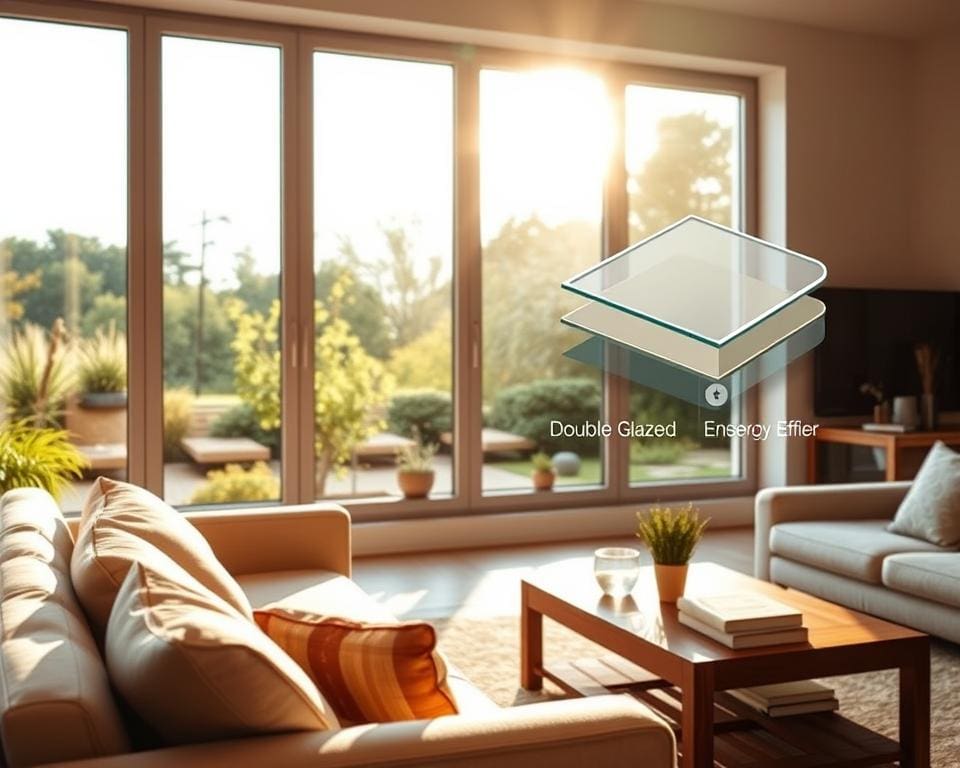
For UK homeowners asking how does double glazing improve home efficiency, the answer starts with a clear definition. Double glazing consists of two panes of glass separated by a sealed cavity filled with air or argon, fitted into thermally efficient spacers and sealed units from established manufacturers such as Pilkington and Saint-Gobain.
At a glance, the physics are simple and powerful. The cavity cuts conductive and convective heat transfer, low-emissivity coatings reflect radiant heat, and warm-edge spacers reduce thermal bridging around the frame. These features together explain the main double glazing benefits.
Practical outcomes follow: less heat loss in winter, reduced overheating in summer, lower energy consumption for heating and cooling, better acoustic insulation and a lower risk of condensation. That translates directly into improved home energy efficiency and greater year-round comfort.
In the UK context, glazing for homes UK matters because many Victorian and Edwardian properties still have single glazing. Upgrading contributes to net zero targets, helps households cope with rising energy prices and aligns with standards such as the British Fenestration Rating Council, U‑value metrics (W/m²K) and Building Regulations Part L.
What follows is a closer look at thermal performance, the likely impact on bills, comfort and soundproofing, and how to choose energy-efficient windows that deliver value and compliance.
How does double glazing improve home efficiency?
Upgrading windows can transform a home’s warmth and running costs. This section explains the science behind thermal insulation double glazing, how reduced heat loss windows cut fuel use, and the real-world evidence that underpins those claims.
Thermal insulation and reduced heat loss
Window U-value UK figures show how well glass resists heat flow in W/m²K. Single glazing often sits near 5.0 W/m²K. Standard double glazing usually ranges from 1.2 to 1.6 W/m²K. High-performance units with argon fill and low‑E coatings can drop to about 0.8–1.0 W/m²K.
Argon gas between panes reduces convection currents inside the cavity. Low‑E coatings reflect long‑wave infrared back into the room to retain heat. Frame design matters too: uPVC with thermal breaks, thermally broken aluminium and well‑made timber frames all influence whole-window performance measured under BS EN ISO 10077.
Edge seals and warm‑edge spacer bars reduce thermal bridging at the glass margins. That lowers condensation risk and improves the overall efficiency of reduced heat loss windows.
How double glazing lowers heating bills
Windows typically account for 10–25% of household heat loss. Replacing single glazing with modern double glazing can cut space‑heating demand and shrink bills by a measurable amount.
To estimate savings, compare pre‑ and post‑installation U‑values. Multiply the U‑value difference by the glazed area and the degree‑hours for your location to get heat‑loss reduction in watts. Convert watts over time to kWh and multiply by current UK energy prices to find likely savings on double glazing heating bills.
A typical upgrade may reduce space‑heating fuel use by roughly 5–15%, depending on fabric quality and occupant behaviour. Lowering thermostat settings by 1°C can save around 10% of heating energy, so improved glazing often yields extra benefits when occupants adjust controls.
Evidence from energy performance and case studies
Energy Performance Certificates often record improved SAP ratings and lower annual space‑heating demand after window upgrades. Local authority retrofit pilots and research from the Building Research Establishment and Energy Saving Trust report consistent gains when double glazing is combined with draught‑proofing and insulation.
Case studies of period homes show notable comfort gains in rooms that were once cold. Terraced and semi‑detached properties frequently demonstrate clearer payback when full‑house window replacement is carried out rather than piecemeal work.
- Measure changes in EPC or SAP scores to track energy performance double glazing impact.
- Check whole‑house modelling to see cumulative effects with loft and wall insulation.
- Factor behavioural habits and existing draughts to refine expected savings.
Energy savings and long-term cost benefits
Upgrading windows can cut heat loss, lower bills and boost comfort. This section shows how to measure savings, find available support and compare options so you can judge double glazing payback and window replacement cost effectiveness with confidence.
Calculating payback periods and return on investment
Start with the full upfront cost: glass, frames, specification such as low‑E coatings, argon fill and warm‑edge spacers, plus installation and removal of old windows. Include VAT as it applies to most private home improvements and add likely maintenance over the product lifecycle.
Estimate annual energy savings from the U‑value improvement. Multiply U‑value change by glazed area and degree‑days to get kWh saved. Convert kWh into money using current gas or electricity prices. Divide total upfront cost by annual monetary savings to get simple payback years.
Run a sensitivity check for energy price rises and inflation. Add non‑monetary returns such as improved EPC rating, higher marketability and better comfort. These affect how you assess return on investment windows beyond pure payback.
Government schemes, grants and energy-efficiency incentives in the UK
Support for home upgrades changes frequently. Historic schemes like the Energy Company Obligation and local retrofit pilots show how funding can reduce costs. Always check current guidance from gov.uk and local councils before budgeting for works.
Some energy-saving measures may qualify for reduced VAT in limited circumstances. Confirm status with HMRC guidance and seek free advice from bodies such as the Energy Saving Trust when checking eligibility for UK energy-efficiency grants.
When applying for funds, note that double glazing may form part of wider whole‑house retrofit packages. Combining measures can help meet the criteria for larger grants or social housing funds and improve overall project value.
Comparing double glazing to other retrofit measures
Compare cost per kWh saved across measures to judge window replacement cost effectiveness. Loft and cavity wall insulation typically deliver a lower cost per saved unit of energy than new glazing. Draught‑proofing and boiler upgrades often pay back faster than window work.
Windows matter for comfort, daylight and condensation control. Homes with large glazed areas or single glazing tend to gain more from new windows. Older, leaky period properties may benefit more from addressing draughts and insulation first.
For best results, follow a fabric‑first approach. Combine window upgrades with loft and wall insulation, draught‑proofing and efficient heating controls to maximise savings. Use comparative analysis to accurately compare retrofit measures and to plan the most cost‑effective route for your property.
Comfort, soundproofing and condensation control
Double glazing can transform how a home feels day to day. Upgrading to well-installed units raises internal surface temperatures, cutting cold draughts and creating noticeable double glazing comfort. In the UK this change helps households enjoy steadier warmth without constant thermostat adjustments.
How double glazing improves indoor comfort and temperature stability
Warmer glass surfaces stop cold spots near windows and improve thermal comfort for occupants. Choosing solar-control or low-emissivity coatings for south-facing panes reduces swings from bright days to cool nights, boosting indoor temperature stability UK. Less reliance on heating systems follows, which supports better sleep and general wellbeing.
Noise reduction advantages for urban and suburban homes
Soundproofing windows work by adding mass and a cavity that blocks airborne sound. Standard double glazing brings several decibels of quiet compared with single glazing. For homes next to busy roads or rail lines, acoustic or laminated units with unequal pane thicknesses offer stronger protection.
Installation quality matters for performance. Poor seals or frames weaken noise reduction glazing, so careful fitting or secondary glazing may be needed in very noisy locations.
Reducing condensation and moisture-related problems
Condensation prevention windows keep internal glass surfaces warmer, which reduces dew formation on panes and sills. Warm-edge spacers and insulated frames limit cold spots at the glass edge and cut the risk of mould around windows.
Double glazing lowers the chance of inter-pane fogging and internal surface moisture, yet good ventilation remains essential. Trickle vents, extractor fans and following Building Regulations guidance on ventilation work together with sealed units to manage humidity and protect health.
Choosing the right double glazing for your home
Start by checking whole-window U‑values, centre‑pane specification and the solar heat gain coefficient (g‑value). Look for acoustic ratings and air permeability classifications to match comfort needs. BFRC rated windows give verified performance figures; ask manufacturers such as Pilkington or Saint‑Gobain for data sheets so you can compare like for like.
Decide on the frame material that suits appearance and upkeep. uPVC offers low maintenance and strong thermal performance, timber gives a traditional look but needs regular care, and aluminium with a thermal break delivers slim sightlines and durability. Consider glass choices too: low-E windows, argon or krypton fills, toughened or laminated safety glass and acoustic variants. Warm-edge spacers help reduce condensation and edge heat loss.
Installation quality is as important as product choice. Use accredited installers (FENSA or Certass) to ensure Building Regulations compliance and valid warranties. Poor fitting can create air leaks and thermal bridging that erase expected savings. When assessing measures, take a whole-house view — balance glazing upgrades with loft and wall insulation, heating efficiency and ventilation for the best impact.
For homes in conservation areas or listed buildings, check planning requirements and consider slim-profile double glazing or secondary glazing under Historic England guidance. Ask about seals, frame and glass warranties (commonly 10–20 years), recyclability and embodied carbon if sustainability matters. Obtain multiple quotes, request U‑value evidence and confirm installer accreditation, and consult the Energy Saving Trust or your local authority for tailored advice when choosing double glazing UK and the best double glazed windows for your property.