The evolution of industrial technology is intrinsically linked to the emergence of new regulations, particularly within UK industries. Compliance with these regulations not only ensures adherence to legal frameworks but also acts as a crucial driver for innovation. As industries strive to meet regulatory standards, they uncover avenues for enhanced operational efficiency and safety improvements.
This dynamic relationship between regulations and technology encourages businesses to remain alert and responsive to legislative changes, effectively catalysing transformation. In this article, we will delve into the impact of regulatory changes on industrial practices, illustrating how these shifts can inspire advancements in technology and advance sustainability initiatives across various sectors.
The Impact of Regulatory Changes on Industrial Practices
Regulatory changes significantly influence industrial practices across various sectors. In the UK, these adjustments are shaped primarily by regulatory bodies responsible for enforcing compliance with established standards. The implications of these changes are profound, driving industries to adopt new methods and technologies to ensure adherence to updated legislation.
Understanding the Role of Regulatory Bodies
In the UK, organisations such as the Health and Safety Executive (HSE) and the Environment Agency play an essential role. These regulatory bodies are tasked with developing and enforcing industrial standards aimed at ensuring the health and safety of workers as well as protecting the environment. By setting clear guidelines, they help industries navigate regulatory changes effectively, allowing for safer and more efficient operations.
Key Legislation Shaping Industrial Technology
Critical UK legislation, including the Health and Safety at Work Act 1974 and the Environmental Protection Act 1990, has a tremendous impact on how industries operate. These laws dictate various aspects of industrial practices, from safety protocols to environmental responsibilities. Awareness and understanding of such legislation encourage organisations to innovate and adjust their practices in line with evolving regulatory frameworks.
How does industrial technology evolve with new regulations?
As industrial sectors face continuous regulatory changes, the evolution of technology plays a pivotal role in ensuring compliance with both health and safety standards and environmental protection measures. Businesses must not only adapt their existing practices but also embrace innovative solutions that align with contemporary expectations.
Adaptation to Health and Safety Standards
The enforcement of stringent health and safety standards compels industries to invest in advanced technological solutions. Organisations are increasingly deploying:
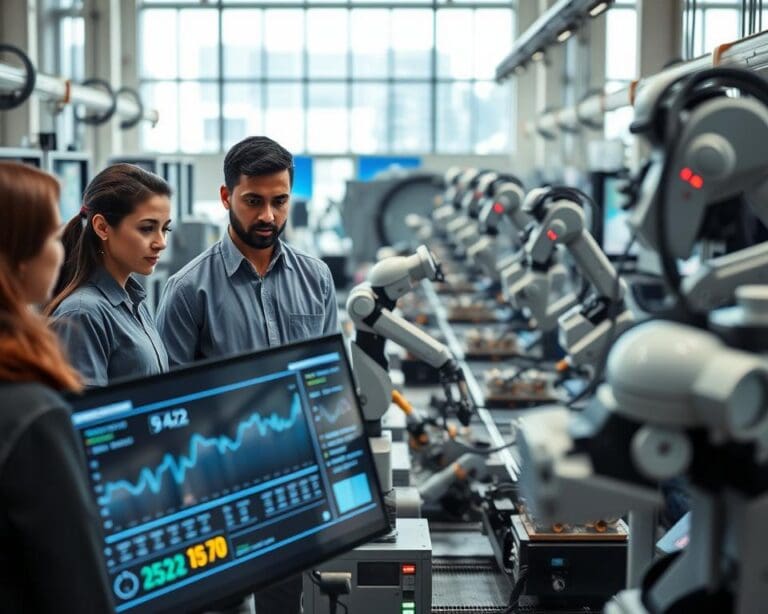
- Real-time monitoring systems to track safety conditions in workplaces.
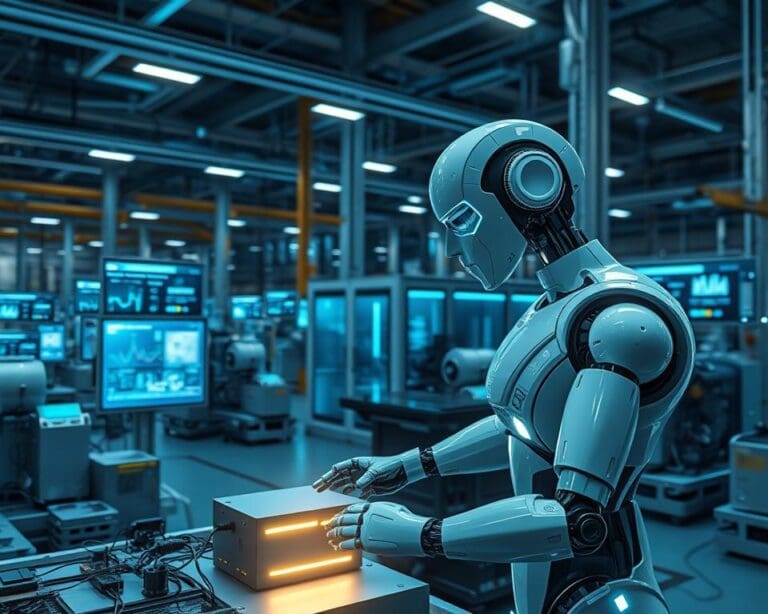
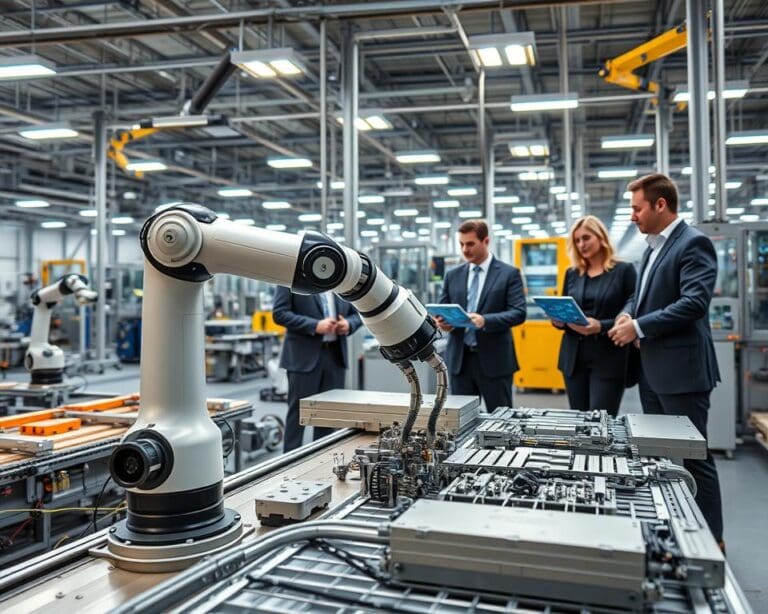
- Robotics and automation to perform high-risk tasks, significantly reducing the potential for human error.
- Artificial intelligence for predictive analytics, which can identify dangerous patterns before accidents occur.
This technology evolution not only promotes safer working environments but also enhances operational efficiency, ultimately shaping a culture of safety across various sectors.
Integrating Environmental Protection Measures
Compliance adaptation extends beyond safety, reflecting the growing importance of environmental protection. Industries are shifting towards cleaner technologies and sustainable practices, including:
- The implementation of renewable energy sources, such as solar and wind, to minimise carbon footprints.
- Waste reduction strategies that encompass recycling and resource efficiency to promote sustainability.
- Investment in eco-friendly materials to decrease environmental hazards while enhancing product appeal.
These initiatives not only meet regulatory demands but also significantly improve a company’s reputation, establishing them as responsible entities committed to ecological stewardship.
Driving Innovation through Compliance
Compliance with evolving regulations serves as a catalyst for innovation across various industries. The emphasis on adhering to these rules encourages businesses to engage in research and development, creating opportunities for advancement and efficiency. Those who commit to this path often find themselves leading the charge in implementing cutting-edge solutions.
The Importance of Research and Development
Research and development is crucial for companies striving to meet compliance requirements. Investing in R&D fosters a culture of creativity, allowing organisations to explore innovative approaches that not only satisfy regulatory demands but also enhance operational effectiveness. This proactive stance can lead to the discovery of cost-saving measures and the improvement of overall product quality.
Case Studies of Successful Adaptation
Numerous case studies illustrate how effective industrial adaptation can drive progress. For example, manufacturing firms leveraging lean techniques have managed to reduce waste while enhancing productivity, all in line with compliance standards. Similarly, construction companies adopting digital transformation initiatives demonstrate that embracing technology can facilitate adherence to environmental regulations, revealing new paths for sustainable growth.
The Relationship Between Technology and Sustainability
The link between technology and sustainability grows stronger as industries work towards minimising their environmental impact. Embracing innovations enhances the ability to implement sustainable practices that foster ecological balance and economic viability.
Leveraging Technology for Sustainable Practices
Companies harness advanced technologies such as automation, renewable energy solutions, and smart systems to create energy-efficient manufacturing processes. These investments contribute significantly to sustainable practices by reducing waste and consumption of resources. For instance, IoT devices facilitate real-time monitoring of energy usage, allowing businesses to optimise their operations and identify areas for improvement. Such approaches not only promote sustainability but also drive down operational costs.
Future-Proofing Industrial Operations
Future-proofing becomes essential as industries adapt to the rapid evolution of technologies like artificial intelligence and big data analytics. These tools enable predictive maintenance, enhancing efficiencies within industrial operations. By adopting these advancements, organisations position themselves to meet emerging sustainability goals and comply with shifting regulatory landscapes. Embracing such a technology relationship ensures long-term viability, paving the way for a more sustainable future.
Challenges Faced by Industries in Adapting to Regulations
Industries encounter various challenges when adapting to regulatory changes. Among these, compliance costs stand out as a significant concern. Meeting new regulations often necessitates substantial investment in innovative technologies, employee training, and modification of operational processes. As such, businesses must find a balance between adhering to regulations and managing their financial resources effectively.
Cost Implications of Compliance
The financial burden associated with compliance can vary widely depending on the sector. Some industries face steep compliance costs due to the rigorous nature of regulatory requirements. This includes expenses related to upgrading equipment, implementing new systems, and ensuring that all staff members are adequately trained. Failure to manage these compliance costs may lead to reduced profitability and competitive disadvantage in the market.
Technological Limitations and Solutions
In addition to compliance costs, technological limitations pose significant hurdles for many sectors. Companies may struggle with outdated machinery or software that cannot accommodate evolving regulations. These constraints can slow down the adaptation process and ultimately affect a firm’s market position. Nevertheless, industrial solutions exist to address these issues. Collaborations with technology providers, particularly those who offer scalable solutions, can help industries modernise without incurring prohibitive expenses. By investing in strategic partnerships and embracing technological advancements, firms can navigate regulatory challenges more effectively.
Future Trends in Industrial Technology and Regulation
The landscape of industrial technology is on the brink of a significant transformation, largely shaped by future trends in the regulatory environment. Businesses are increasingly recognising the necessity for digitalisation and automation, as these advancements not only improve compliance but also enhance overall operational efficiency. The impact of these shifts cannot be underestimated; industries prioritising smart technologies will likely experience a competitive edge in an increasingly stringent regulatory climate.
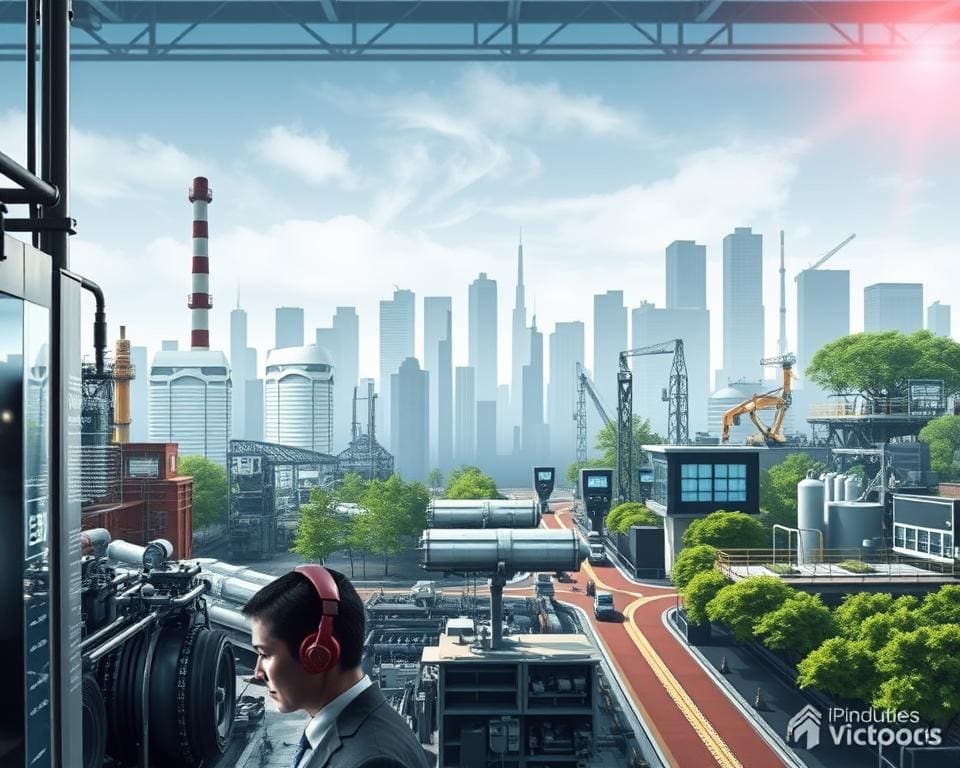
Moreover, the momentum towards net-zero initiatives and embracing circular economy principles is setting the stage for a new era of innovation strategies. Companies are challenged to rethink traditional practices, pooling resources toward sustainable innovations and long-term viability. By integrating these principles, businesses not only adhere to evolving regulations but also cultivate a forward-thinking ethos that empowers them to innovate and adapt swiftly.
As we look to the future, it becomes evident that thriving in this dynamic regulatory environment will hinge upon how effectively industries leverage the latest advancements in technology. Embracing the future trends in industrial technology will not only ensure compliance but will also promote a culture of resilience and continuous innovation, paving the way for sustainable growth in years to come.