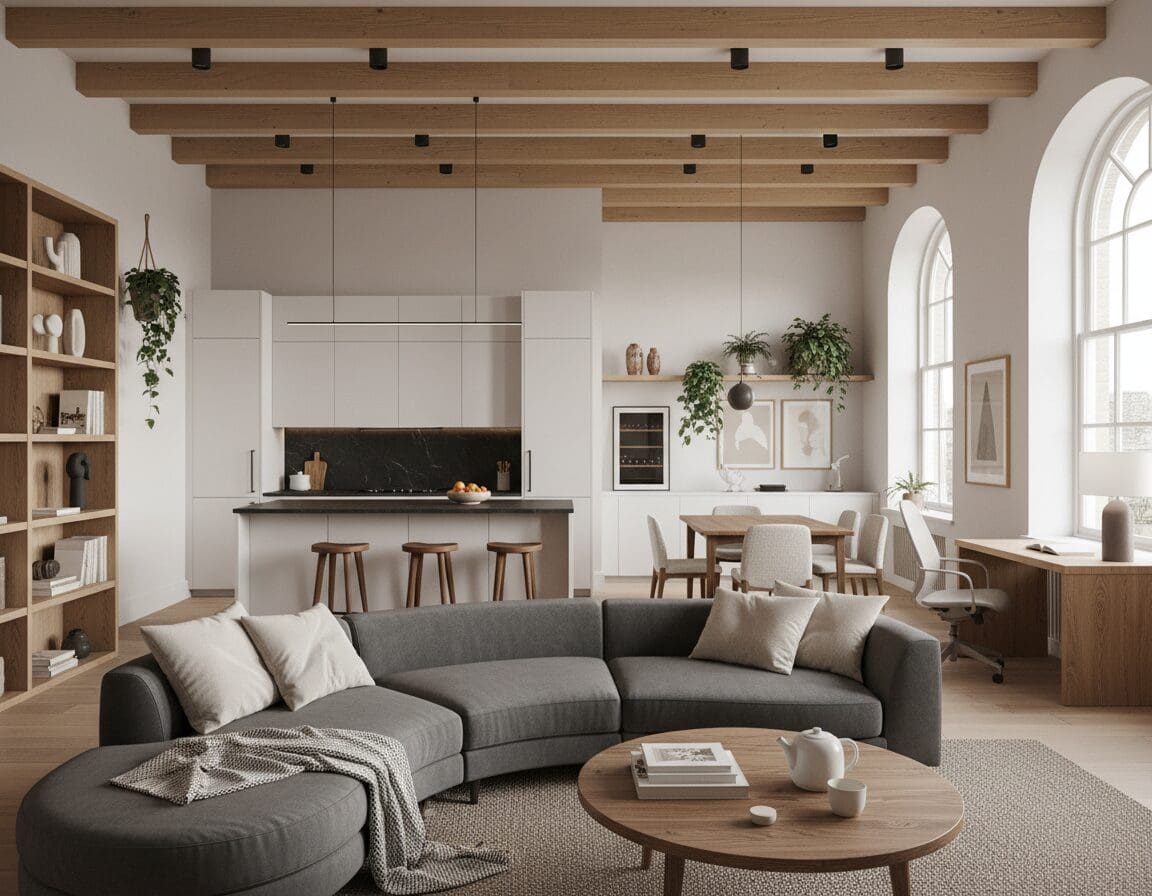
Turning an underused attic into a practical room is one of the smartest moves a homeowner can make. A well-planned loft conversion can add usable floor space, lift property value and improve energy efficiency when insulated correctly.
Across the loft conversion UK market, many Victorian and Edwardian terraces and semi-detached homes sit on lofts that are barely used. With rising house prices and changing lifestyles, converting a loft often proves more cost-effective and less disruptive than a side or rear extension.
Homeowners commonly choose to convert loft space to create an extra bedroom, a home office for remote work, an en suite, or a self-contained flat to let on Airbnb. Investors also favour loft extension ideas that promise strong returns without the footprint changes of ground-floor builds.
Later sections will cover structural feasibility and building regulations, the main conversion types such as rooflight, dormer, mansard and hip-to-gable, realistic loft conversion cost estimates, budgeting and funding, project timescales and management, plus design choices that maximise light, storage and comfort.
This guide is for UK homeowners planning to convert loft into living space, property investors seeking value-adding renovations, architects and self-builders looking for practical cues, and interior designers aiming to make compact plans sing.
Read on and you will gain clear, actionable advice to assess feasibility, pick the right conversion type, set a realistic budget and timetable, and choose finishes that maximise comfort and resale value.
Practical planning for loft conversion ideas
Good loft planning begins with a clear-eyed look at your roof and goals. Start by listing what you want from the new space, then map practical constraints. Early decisions shape costs, timescales and the style of the finished room.
Assessing structural feasibility and building regulations
Check head height first. A usable loft normally needs about 2.2–2.3 metres from finished floor to the underside of the roof ridge for a full conversion. Take note of the roof type: trussed roofs often need reconfiguration or strengthening with steel beams (RSJs). Traditional rafter roofs can be easier to adapt.
Commission a structural survey loft and hire a chartered structural engineer or an architect experienced in loft work. Look for RICS-qualified surveyors or members of the Chartered Institute of Architectural Technologists. A survey flags floor loading limits and hidden defects before you commit.
Building regulations approval is required for structural changes, thermal performance, fire safety and escape routes. Loft conversion planning permission may not be necessary if your scheme fits permitted development rights, but there are limits: volume increases over 40m³ for terraced houses and 50m³ for detached or semi-detached homes, changes that raise roof height, or work on listed buildings or in conservation areas will usually need full planning consent. Use the Planning Portal guidance when assessing rules.
Fire safety matters demand attention. You may need protected staircases, fire-resistant doors, interlinked smoke alarms and a secondary escape window or protected route in some designs. Building control will confirm exact requirements.
Choosing the right conversion type for your property
Survey the roof pitch, street scene and neighbouring properties to choose a conversion type that fits. Rooflight conversions are the least invasive when head height allows. They keep external change to a minimum and often sit well on modern builds.
Dormer conversions increase floor area and headroom. Rear, full-width or L-shaped dormers suit Victorian and Edwardian terraces and many suburban homes. Mansard roofs give the most space on steep pitches but commonly require loft conversion planning permission. Hip-to-gable conversions work well for semi-detached and detached houses with hipped roofs.
Compare loft conversion types by cost, visual impact and disruption. Rooflight schemes usually cost less and have quicker build periods. Dormers add useful area for bedrooms or studies. Mansards offer maximum volume at a higher price and complexity.
Budgeting and funding options for loft projects
Set a realistic loft conversion budget and seek at least three detailed quotes. Indicative UK costs guide decisions: basic rooflight conversions from about £15,000–£30,000; rear dormers typically £25,000–£60,000; larger mansard or hip-to-gable projects often start around £40,000 and can exceed £100,000 depending on finish and services.
Include all cost elements: structural works such as RSJs and floor strengthening, roofing and insulation, windows or rooflights, stair installation, electrics, plumbing, heating, plastering, joinery, flooring, decoration, professional fees and building control inspections. Factor in planning application fees where needed.
Consider funding options: savings, remortgaging, a home equity loan or specialist home improvement finance. Speak to a mortgage adviser about how the work might affect lending. VAT on renovation is generally 20% unless exemptions apply; check HMRC for current rules if you plan to rent the space.
Timescale and project management tips
Plan a realistic loft project timeline before signing contracts. Typical durations: small rooflight jobs 2–4 weeks; standard dormer projects 6–10 weeks; larger mansard or extensive conversions 10–16 weeks or more. Allow 8–12 weeks for planning applications if required.
Appoint a main contractor or choose a design-and-build firm to simplify communication. Insist on a clear written contract that sets out scope, materials, milestone payments and warranties. Regular site meetings and progress reports keep everyone aligned.
Minimise disruption with practical measures: protect living areas, plan temporary service routes and schedule noisy tasks when occupants can be elsewhere. Decide early whether to stay in the house during works or arrange short-term relocation.
Build a contingency of 10–20% into your budget for unforeseen issues such as rot, hidden structural repair or changes discovered when the roof is opened up. That cushion preserves momentum and prevents costly delays in the loft project timeline.
Design and layout strategies to maximise space
Thoughtful loft design ideas turn awkward roof volumes into calm, useful rooms. Begin with a clear plan that balances light, storage and flow. Small choices on layout and finishes can significantly maximise loft space and improve comfort.
Open-plan versus partitioned layouts
Open-plan loft layout ideas give a sense of space and let natural light travel across the room. This suits studio bedrooms, home offices and play areas where flexibility matters.
Partitioned layouts add privacy and clear room functions, useful for a bedroom with an en suite or a separate study. They improve thermal zoning and can lift resale value for family buyers.
Decide by listing intended uses, privacy needs and noise control. Consider plumbing runs if adding a bathroom. Use lightweight partitions, sliding doors or glass screens to strike a balance between openness and separation.
Place the staircase to aid circulation and comply with headroom and fire-safety rules. Choose compact stairs such as alternating-tread or space-efficient straight runs where possible, but check what is acceptable as the primary escape route.
Natural light solutions: dormer windows, skylights and rooflights
Three main approaches bring daylight into the loft: rooflights, dormer windows and gable or full-height openings. Rooflights from VELUX or Fakro offer flush or centre-pivot options that suit many roofs.
Dormers increase headroom and allow standard vertical windows. They change the exterior appearance and may need planning permission, so match styles to nearby houses and materials.
Choose double-glazed units with low-E glass and trickle vents to control condensation. Consider top-hung versus centre-pivot rooflights for ventilation and view. Add external blinds or integrated blinds to manage solar gain and overheating.
Storage optimisation: built-ins, eaves cupboards and multifunctional furniture
Turning low eaves into fitted cupboards makes every centimetre count. Design bespoke wardrobes or pull-out drawers that follow the slope for a neat finish.
Use multifunctional furniture such as daybeds with storage, fold-down desks and ottomans with hidden compartments. Retailers like John Lewis or Made.com offer good examples; bespoke joiners provide tailored solutions.
Measure volumes precisely and plan sockets, lighting and access. Deep drawers and slide-out shelving improve usability in tight spaces and make loft storage solutions feel effortless.
Insulation, ventilation and thermal comfort considerations
Choose a warm-roof approach where possible so insulation sits above the rafters and reduces cold bridges. Common materials include Kingspan or Celotex PIR boards and mineral wool for partitions.
Ensure adequate loft insulation ventilation. Fit trickle vents in roof windows, add extractor fans in en suites and consider mechanical ventilation with heat recovery where airtightness is high.
Extend central heating with a radiator or underfloor heating for comfort. For small studio spaces, electrified panel heaters work well. Seek an MCS-certified installer when integrating renewable systems such as solar PV.
Reduce sound transfer with acoustic insulation between the existing floor and the converted room. Good acoustic design helps whether the loft becomes rental accommodation or a lively living space.
Creative finishes and lifestyle-focused conversions
Careful finishes transform a loft into a lived-in room rather than an attic. Choose lightweight engineered oak or durable laminate where roof loading is a concern, and carpet in sleeping areas for warmth. Walls in plasterboard with a smooth skim or decorative panelling create a clean backdrop, while exposed timber beams left weathered add character. Bespoke joinery that follows rooflines makes storage feel integrated rather than tacked on, tying loft finishes to the architecture.
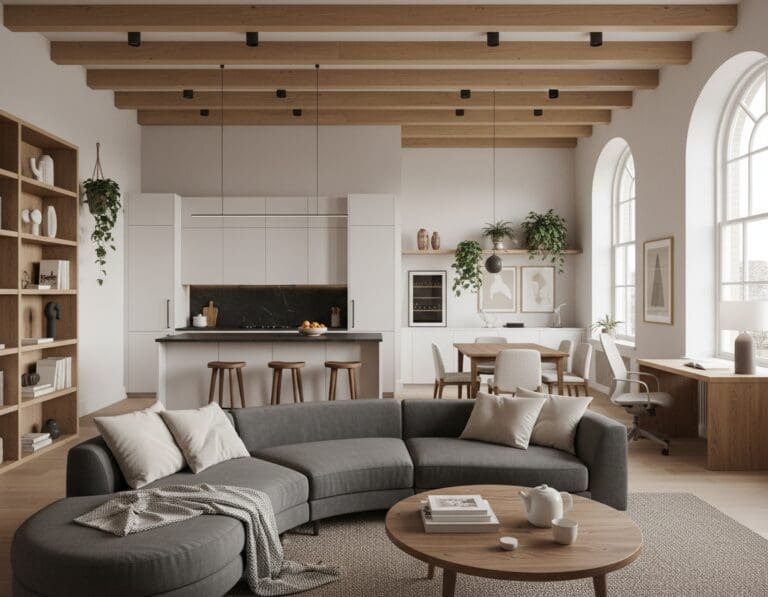
Layered lighting is essential for mood and function. Combine recessed downlights with wall sconces, a pendant feature light and integrated LED strips in coves. Look to UK brands such as Tom Dixon and Anglepoise for inspiration and fit dimmable controls to adapt brightness. For colour, favour pale, reflective tones to enlarge the perception of space, and add richer accents with wool rugs or linen curtains to introduce texture and cosiness into a loft conversion ideas interior.
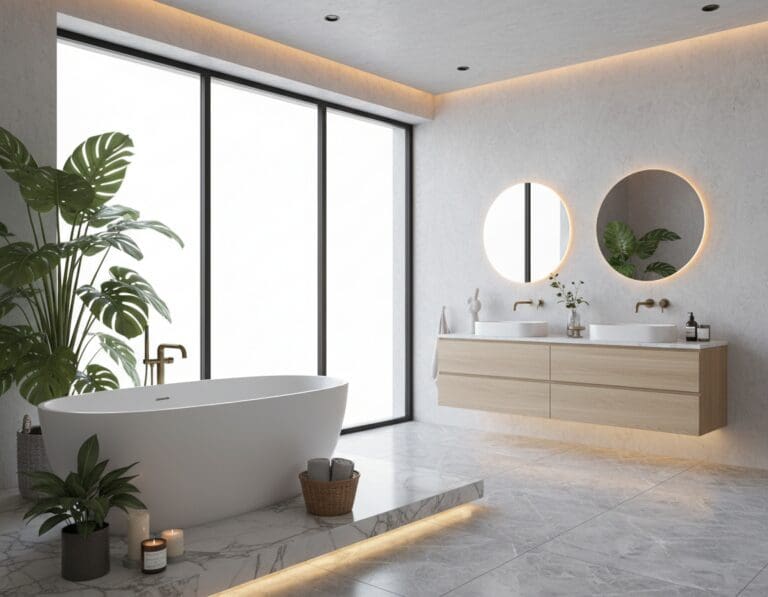
Think lifestyle first when choosing the layout. A master suite loft can include a walk-in wardrobe and an en suite bathroom; plan plumbing runs, ventilation and thermal comfort early. A home office loft benefits from daylight positioning, data cabling and soundproofing for productivity. A guest suite loft or self-contained annex needs a compact kitchenette, en suite and compliance with local council rules for short-term lets if intended for Airbnb use.
Family and multi-generational uses reward robust finishes and careful access design. Use non-slip flooring and consider stairlift feasibility for older relatives, and add acoustic treatment for a cinema room or play area. High-quality execution enhances resale value, so keep warranties, building control completion certificates and photographs of natural-light aspects to help market the space. Match design choices to daily needs and the result will be a loft that looks beautiful and works for life.