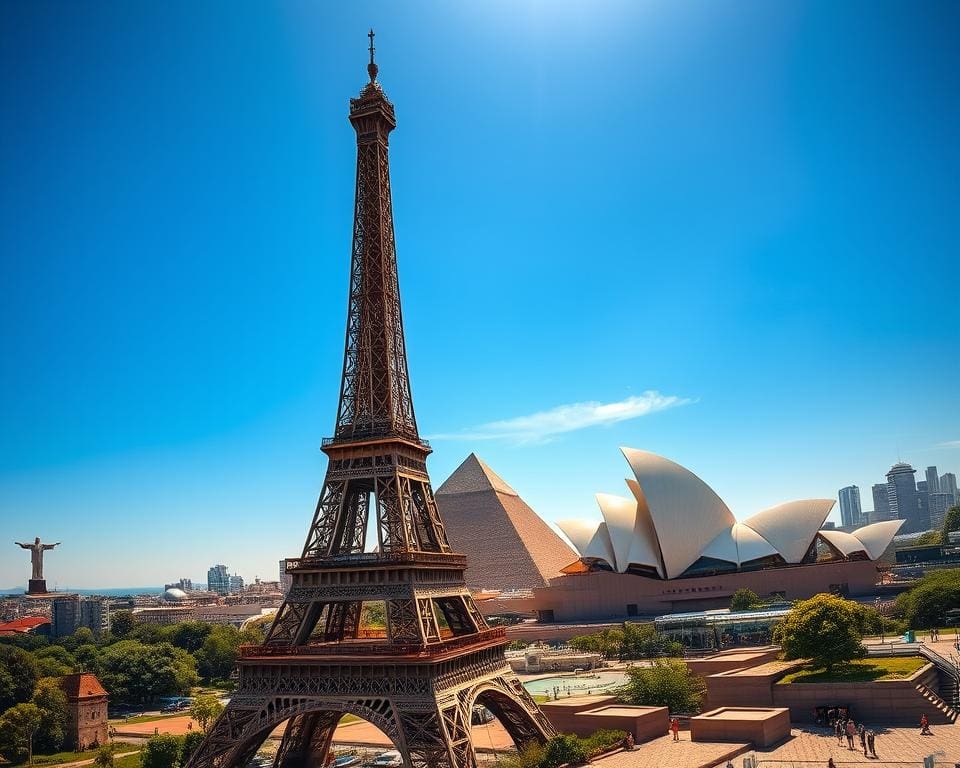
Exploring the world’s must-see landmarks is an adventure that transcends borders and cultures. These iconic locations, from ancient wonders to modern masterpieces, play a significant role in reflecting our shared human experience. Whether you seek the awe of world heritage sites or the charm of hidden treasures, each landmark destination offers a unique glimpse into the history and artistry of different civilisations. As you journey through these incredible sites, prepare to be inspired not just by their beauty, but also by the remarkable stories they tell. The allure of these landmarks invites you to delve deeper into our planet’s heritage and encourages an exploration of the extraordinary places that define our world.
Iconic Landmarks of the Ancient World
The world is home to numerous ancient wonders and historical landmarks that have left an indelible mark on human history. These remarkable constructions have fascinated generations and continue to draw millions of visitors eager to witness their grandeur and mystery.
The Pyramids of Giza
The Pyramids of Giza stand as a testament to the ingenuity and ambition of ancient civilisations. Built over 4,500 years ago, these structures reflect sophisticated engineering techniques and monumental artistry. The largest among them, the Great Pyramid, was originally 146.6 metres tall and remains one of the most iconic symbols of ancient Egypt.
The Great Wall of China
Stretching over 13,000 miles, the Great Wall serves as a stunning representation of ancient military architecture. Constructed primarily to protect Chinese states from invasions, this historical landmark showcases the perseverance and resourcefulness of those who built it. Walk along its winding paths for breathtaking views of the surrounding landscape.
Stonehenge: A British Marvel
Stonehenge is one of the most famous ancient wonders in the UK, known for its mysterious origins and astronomical alignments. Dating back to around 3000 BC, this prehistoric monument continues to captivate archaeologists and visitors alike. Its massive stone circle promotes wonder and contemplation about the rituals and beliefs of ancient peoples.
Modern Wonders You Cannot Miss
Exploring the marvels of modern architecture reveals the ingenuity and creativity of human design. Among the most iconic contemporary landmarks, the Eiffel Tower and Sydney Opera House stand out as symbols of innovation and cultural significance.
The Eiffel Tower
The Eiffel Tower, an emblem of Paris, showcases remarkable engineering and artistic flair. Designed by Gustave Eiffel, this iron lattice tower was completed in 1889 and has since captivated millions. Its unique structure redefined skyscraper aesthetics and placed it firmly in the realm of modern architecture. Visitors ascend the tower to enjoy panoramic views of Paris, solidifying its status as a must-see landmark.
The Sydney Opera House
The Sydney Opera House is another magnificent example of modern architecture, reminiscent of sails unfurling. Designed by architect Jorn Utzon and completed in 1973, this iconic structure embodies the spirit of Australia. Its innovative design and stunning location along Sydney Harbour make it one of the world’s most recognisable contemporary landmarks. Each performance and event held here highlights its cultural significance, drawing audiences from around the globe.
What are the must-see landmarks across the globe?
The world is adorned with breathtaking landmarks that encapsulate rich histories and cultural narratives. These iconic structures stand as testimonies to human ingenuity and commitment to art and architecture. From ancient to modern times, certain sites captivate the imagination and heart, drawing visitors from around the world. Among these remarkable locations, the Colosseum, the Taj Mahal, and the Statue of Liberty shine brightly as symbols of heritage and identity.
The Colosseum in Rome
A marvel of ancient engineering, the Colosseum represents the spirit of Rome and its vibrant history. This colossal amphitheatre, a UNESCO world heritage site, was once a venue for grand spectacles that mesmerised thousands. Visitors today can wander through its ruins, envisioning the gladiatorial contests and theatrical performances that took place within its walls.
The Taj Mahal: A Symbol of Love
Standing majestically in Agra, the Taj Mahal is often regarded as the epitome of love and devotion. This iconic structure, also a UNESCO world heritage site, was commissioned by Emperor Shah Jahan in memory of his wife Mumtaz Mahal. Its striking white marble façade and intricate carvings tell a poignant story, attracting admirers from every corner of the globe.
The Statue of Liberty
As a beacon of freedom and hope, the Statue of Liberty has become an enduring symbol for many. Gifted to the United States by France, this iconic figure graces New York Harbour and embodies the values of liberty and democracy. Millions of immigrants have passed by her towering presence, finding inspiration in her message and the promise of a new life.
Natural Landmarks That Take Your Breath Away
Across our planet, natural wonders captivate hearts and minds with their stunning beauty. These breathtaking landscapes remind us of the power and artistry of nature. The Grand Canyon and Mount Everest stand as prime examples of such awe-inspiring formations, drawing millions of visitors eager to witness their grandeur.
The Grand Canyon
The Grand Canyon, with its intricate, layered rock formations, illustrates the passage of time in a way that few places can. This remarkable canyon stretches approximately 277 miles, displaying a spectrum of colours that change with the movement of the sun. Hiking along the rim or venturing into its depths reveals a landscape teeming with life, unique flora, and geological history that provides profound insight into the Earth’s development. This natural wonder remains firmly etched in the memories of those fortunate enough to behold its majesty.
Mount Everest: The Roof of the World
Mount Everest, often referred to as the Roof of the World, reaches an elevation of 8,848 metres above sea level, making it the highest peak on Earth. This iconic mountain, located in the Himalayan range, presents a formidable challenge for climbers and an unparalleled sight for spectators. The view from its base camp offers a panorama of breathtaking landscapes that few places on Earth can rival. The snow-capped peaks and steep cliffs remind us of both nature’s beauty and its fierce power, compelling adventurers to test their limits against its imposing heights.
Landmarks Reflecting Cultural Heritage
Cultural heritage sites serve as vital conduits to the past, enriching our understanding of diverse histories and traditions. These landmarks encapsulate the essence of identity, representing the artistry and narratives that characterise various communities. From ancient temples in Greece to the intricate carvings of Angkor Wat in Cambodia, these locations offer an essential insight into the cultural significance of their respective civilisations.
Many of these sites are recognised by UNESCO for their exemplary preservation and representation of human experience. The Great Mosque of Djenné in Mali, for example, showcases mud-brick architecture and highlights the environmental adaptations of local communities. Such UNESCO sites illustrate the diversity in landmarks, emphasising that cultural expressions vary widely from one region to another, yet share common threads of creativity and resilience.
Beyond their physical structures, these landmarks echo the stories and traditions of the people who have fostered them. They are testament to the roles of architecture, storytelling, and historical events in shaping community identity, enhancing visitors’ experiences. Engaging with these cultural treasures not only broadens one’s appreciation of the world’s narratives but also fosters a sense of connection across cultures, inspiring pride and stewardship in preserving these irreplaceable sites.