
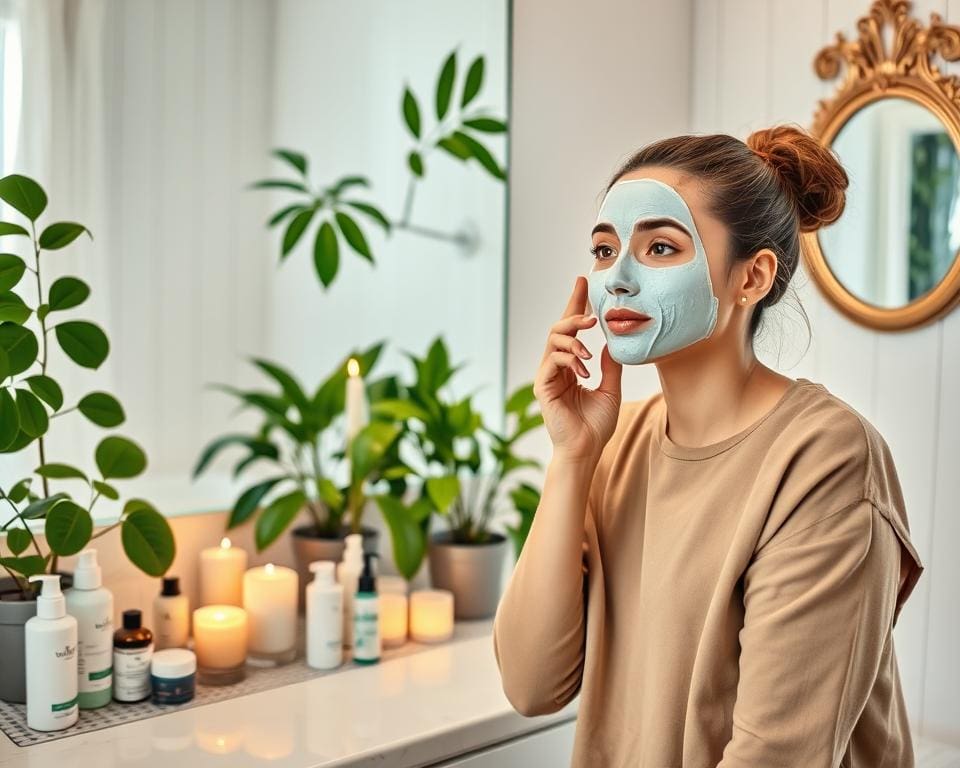
In an age where skincare has taken centre stage, understanding the beauty habits that foster long-term skin health is paramount. Cultivating effective routines not only enhances skin wellness but also significantly boosts overall confidence. Adopting a comprehensive skincare routine ensures that your skin, the body’s largest organ, receives the care it deserves. Emphasising the integration of hydration, a nutritious diet, and tailored product selection into daily life will pave the way for a vibrant complexion and enduring skin vitality.
The Importance of a Consistent Skincare Routine
A structured skincare routine serves as the backbone of healthy skin. Establishing consistent morning rituals sets a positive tone for the day, while well-planned evening routines ensure skin repair during the night. Following these practices can significantly enhance skin appearance over time.
Morning and Evening Rituals
In the morning, a typical skincare routine might include a gentle cleanser, a moisturiser suited to your skin type, and a broad-spectrum sunscreen. These morning rituals create a protective barrier against environmental aggressors. As the day turns to night, the evening routines should focus on thorough cleansing to remove impurities, followed by applying targeted treatments such as serums or oils. This balance between morning and evening routines is essential for maintaining skin vitality.
Choosing the Right Products
Selecting appropriate skincare products plays a crucial role in achieving desired results. Understanding unique skin types can guide individuals in finding formulations that work best for them. Ingredients like hyaluronic acid for hydration, retinol for anti-ageing, and antioxidants for protection are vital components in effective skincare products. Brands such as The Ordinary and CeraVe offer affordable yet high-quality options that cater to various skin concerns. Integrating these elements into your skincare routine contributes to lasting outcomes, nourishing the skin and supporting its natural resilience.
What beauty habits create long term skin health?
Establishing effective beauty habits is essential for nurturing skin health over time. Two key components are hydration and understanding one’s skin type. Each plays a significant role in creating a balanced skincare routine that addresses individual needs and enhances overall appearance.
Hydration as a Key Factor
Hydration extends beyond merely drinking enough water. It encompasses the use of hydrating serums and moisturisers that replenish moisture levels in the skin. Proper hydration helps prevent dryness and combats premature ageing. Skincare habits that prioritise hydration will not only maintain a healthy glow but also protect the skin’s barrier, keeping it resilient against environmental stressors.
Understanding Your Skin Type
Recognising different skin types is crucial when developing a tailored skincare regimen. Whether oily, dry, combination, or sensitive, understanding individual skin needs allows for selecting the right products. For example, Clinique’s Dramatically Different Moisturising Lotion caters to various skin types, providing the appropriate moisture balance and enhancing skincare habits geared towards long-term health.
The Role of Diet in Skin Health
The relationship between diet and skin health is profound and should not be overlooked. A balanced diet plays an essential role in maintaining vibrant skin and preventing various skin issues. Focusing on specific food groups can enhance skin appearance and address concerns such as dryness or dullness.
Foods Rich in Antioxidants
Incorporating foods high in antioxidants can work wonders for skin health. These nutrients combat oxidative stress and inflammation, the major contributors to premature ageing. Consider including:
- Berries such as blueberries, strawberries, and raspberries
- Leafy greens like spinach and kale
- Nuts, especially walnuts and almonds
- Fruits like oranges and pomegranates
These antioxidant-rich options help protect the skin from damage while promoting a youthful glow.
Importance of Hydration
Hydration is another cornerstone of skin wellness. Drinking sufficient water daily allows the skin to function optimally. Dehydration often results in a lacklustre appearance, making adequate hydration crucial. Foods that have high water content, such as cucumbers and watermelon, can also contribute positively to hydration levels. A well-hydrated body leads to plump skin cells, lending an improved texture and tone overall.
Sun Protection: A Non-Negotiable Habit
In the quest for long-term skin health, sun protection stands as an undeniable pillar. Understanding the implications of UV damage is crucial for maintaining a youthful complexion and overall skin vitality. Prolonged exposure to ultraviolet rays significantly contributes to photoaging, pigmentation issues, and a heightened risk of skin cancer. Institutions like Cancer Research UK confirm the importance of safeguarding your skin against these harmful rays.
Understanding UV Damage
UV rays comprise two primary types: UVA and UVB. UVA rays can penetrate deep into the skin, leading to premature ageing and the breakdown of collagen, while UVB rays are responsible for sunburns and play a significant role in developing skin cancers. Protecting your skin from both types of UV damage is essential for preserving its integrity and health.
Choosing the Right Sunscreen
Selecting an appropriate sunscreen can significantly impact your skin’s defence against UV rays. Look for broad-spectrum formulations, which protect against both UVA and UVB radiation. The SPF rating is another critical factor; an SPF of 30 or higher is recommended for adequate protection. Consider products tailored to your skin type—those with oily skin may prefer lightweight, mattifying formulations such as Neutrogena Ultra Sheer, while those with sensitive skin might benefit from gentler options like La Roche-Posay Anthelios. Investing time in choosing the right sunscreen can yield lasting rewards for your skin.
The Benefits of Regular Exfoliation
Exfoliation stands as a cornerstone of effective skincare, paving the way for radiant, youthful skin. This essential practice promotes skin renewal by removing dead skin cells and unclogging pores, ultimately reviving a dull complexion. Understanding the different types of exfoliants can help individuals choose the right method for their skin type.
Types of Exfoliants
Exfoliants come in two main categories: chemical exfoliants and physical exfoliants. Chemical exfoliants, such as alpha and beta hydroxy acids, work by dissolving the bonds between dead skin cells, encouraging their removal. Brands like Paula’s Choice offer effective options, with their BHA Liquid Exfoliant being a popular choice among skincare enthusiasts. On the other hand, physical exfoliants include scrubs that manually slough off dead skin. While both methods are beneficial, individual skin sensitivity should guide one’s selection.
How Often to Exfoliate
The frequency of exfoliation greatly impacts the skin’s health. Most skin types benefit from exfoliation about twice a week, although those with sensitive skin may need to adjust this routine. Paying attention to how the skin reacts is crucial; irritation or excessive dryness can be signs to exfoliate less frequently. By incorporating exfoliation into a skincare routine wisely, individuals can enhance their skin’s texture and achieve a rejuvenated appearance, allowing their natural beauty to flourish.
Incorporating Professional Treatments
In the journey towards optimal skin health, incorporating professional skin treatments can make a significant difference. Visiting a qualified spa or clinic opens up a range of options, bringing expert care and state-of-the-art techniques to the forefront of your skincare regimen.
Facial Treatments
Regular facials can address specific skin concerns while providing a relaxing experience. These tailored treatments often utilise high-quality products from reputable brands like Dr. Dennis Gross and SkinCeuticals. Different types of facials target issues such as dryness, acne, or ageing, ensuring your skin’s unique needs receive the attention they deserve.
Skin Needling and Chemical Peels
For those seeking more advanced solutions, skin needling and chemical peels have garnered attention for their ability to rejuvenate the complexion. Skin needling stimulates collagen production, leading to improved texture and elasticity. Chemical peels, designed to exfoliate and revitalise the skin, can help diminish fine lines and pigmentation, leaving your face radiant. Both procedures provide noticeable results when added to a dedicated skincare routine, making them popular choices in professional skin treatments.
Managing Stress for Better Skin
Stress can significantly impact overall health, especially skin health. High stress levels may worsen skin issues such as acne and eczema. Practicing effective stress management techniques is essential for achieving clearer skin and maintaining a radiant complexion.
Techniques to Reduce Stress
Incorporating mindfulness into daily routines can greatly aid in stress reduction. Consider the following techniques:
- Meditation: Focusing on breathing helps centre the mind and reduce anxiety.
- Yoga: This combines physical movement with mindfulness, promoting relaxation and flexibility.
- Deep Breathing Exercises: Taking slow, deep breaths can calm the nervous system.
The Connection Between Stress and Skin Issues
Psychological studies highlight a direct link between stress levels and skin conditions. Increased cortisol production from stress can lead to inflammation, aggravating existing skin issues. Practising mindfulness not only enhances mental well-being but also positively affects the skin. Brands like Calm and Headspace offer useful resources for guided meditation, making it easier to embark on a path towards improved skin health through effective stress management.
Staying Active: The Link Between Exercise and Skin Health
Engaging in regular exercise is a powerful yet often overlooked element of maintaining optimal skin health. Physical activity enhances blood circulation, which is crucial for delivering essential nutrients and oxygen to skin cells. This boost in circulation not only promotes a radiant complexion but also aids in cell regeneration, keeping your skin looking youthful and vibrant.
Moreover, sweat plays a vital role in flushing out impurities from the skin. When you engage in activities such as cardio or yoga, your body releases toxins through perspiration, helping to clear pores and reduce the likelihood of breakouts. These forms of exercise not only invigorate the body but also contribute to an overall sense of wellbeing, making them excellent choices for skin health.
To incorporate exercise into your routine, aim to find activities that you genuinely enjoy. Whether it’s brisk walking, dancing, or participating in team sports, the key is to stay active consistently. By making exercise a fun part of your lifestyle, you’ll be nurturing your skin while also enhancing your physical and mental health, creating a holistic approach to beauty from within.