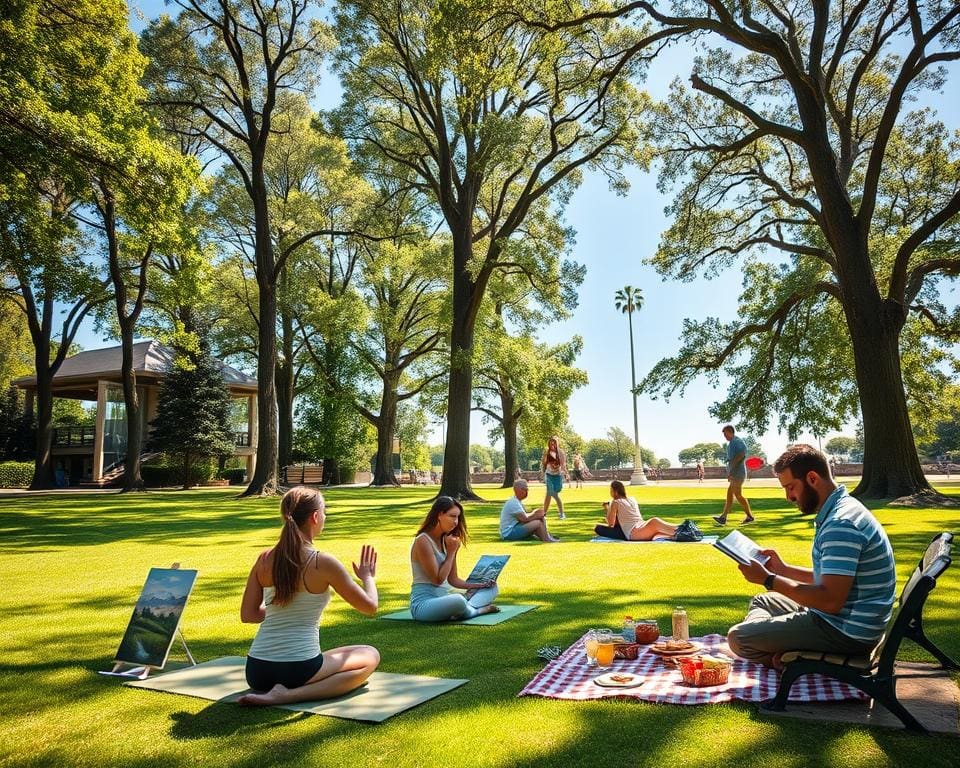
In today’s fast-paced world, managing stress has become more crucial than ever for maintaining mental wellbeing. Engaging in leisure activities offers a delightful escape from the pressures of daily life, providing valuable opportunities for stress relief. Research shows that participation in hobbies and relaxation techniques can significantly lower cortisol levels, boost mood, and enhance overall life satisfaction. By tapping into fulfilling activities, individuals can achieve a sense of joy and accomplishment while effectively disconnecting from daily anxieties.
Understanding the Impact of Stress on Wellbeing
Stress profoundly influences both physical and mental health. Recognising the intricate effects of stress enables individuals to take necessary steps towards enhancing their overall wellbeing. The physiological stress responses manifest in various ways, from increased heart rate to elevated blood pressure, which can lead to persistent health issues if not addressed appropriately.
The physiological effects of stress
When individuals encounter stress, their bodies react through a series of physiological systems. Common effects of stress include:
- Increased heart rate
- Elevated blood pressure
- Sustained muscle tension
These responses can become chronic, potentially resulting in serious health complications over time. Understanding these physiological effects highlights the urgent need for effective stress management strategies.
How stress affects mental health
The repercussions of stress extend beyond the physical realm. It can significantly compromise mental health, leading to conditions such as anxiety and depression. Prolonged exposure to stress can contribute to feelings of burnout and emotional exhaustion. Recognising these challenges is essential in taking proactive steps towards maintaining mental health. Embracing practices that alleviate stress can prove beneficial in reclaiming mental clarity and emotional stability.
What leisure activities help disconnect from stress?
To find balance in the whirlwind of modern life, engaging in leisure activities can play a significant role in disconnecting from stress. Various approaches lead to relaxation, allowing individuals to nurture their well-being. Physical activities and creative hobbies emerge as powerful allies in the quest for effective stress management.
Physical activities that promote relaxation
Incorporating physical activities into daily routines enhances physical and mental health. Activities such as yoga, walking, and cycling are instrumental in promoting relaxation. These movements increase the production of endorphins, which contribute to elevating mood and reducing anxiety. Regular engagement in these activities not only aids in physical fitness but also creates a sense of calm, enabling individuals to manage stress more effectively.
Creative outlets for stress relief
Exploring creative hobbies opens doors to self-expression and emotional relief. Activities like painting, writing, or playing an instrument provide an opportunity to channel feelings into artistry. This process helps clear the mind, allowing individuals to immerse themselves in enjoyable tasks. Creating something unique not only fosters a sense of achievement but also serves as a valuable relaxation technique, making it a beneficial practice for reducing stress levels.
The Benefits of Nature on Mental Clarity
Engaging with nature offers a range of positive impacts, particularly on mental clarity and stress reduction. Immersing oneself in outdoor activities fosters a connection to the natural world, which can profoundly enhance our overall wellbeing. Scientific evidence shows that spending time outdoors can significantly alleviate stress levels while revitalising the mind.
How spending time outdoors aids in stress reduction
Nature therapy plays a crucial role in promoting a serene mindset. Outdoor activities such as walking in the woods or relaxing by a lake can actively lower cortisol levels, the hormone associated with stress. By surrounding ourselves with greenery and fresh air, we allow our minds to rejuvenate, resulting in improved focus and reduced anxiety. This natural environment can act as an antidote to the pressures of daily life, providing solace and relief from stress.
The importance of green spaces for wellbeing
Green spaces contribute significantly to our mental clarity and emotional balance. They serve as essential havens where individuals can escape the hustle and bustle of urban settings. By incorporating visits to parks, gardens, or nature trails into our routine, we can cultivate a more peaceful disposition. These areas not only support physical health through exercise but also enrich our minds, encouraging relaxation and creative thinking.
Mindfulness and Meditation: Tools for Stress Management
In today’s fast-paced world, the practice of mindfulness and meditation emerges as a beacon of hope for many seeking relief from overwhelming stress. By centering attention on the present moment, these techniques foster awareness and clarity. Individuals can harness mindfulness to develop a deeper understanding of their thoughts and emotions, leading to more effective stress management.
Introduction to mindfulness practices
Mindfulness involves cultivating a state of active, open attention to the present. It encourages individuals to observe their thoughts and feelings without judgement. This can significantly contribute to mental relaxation, allowing people to step back from the chaos of daily life. Practising mindfulness may include various strategies, such as:
- Breath awareness
- Sensory engagement
- Body scans
- Walking meditations
The role of meditation in calming the mind
Meditation serves as a powerful tool in the quest for inner peace. By incorporating techniques focused on deep breathing and visualization, individuals can experience profound calming techniques that reduce stress levels. Regular meditation practices can promote a sense of tranquility, enhancing overall wellbeing. Some popular methods include:
- Guided meditation
- Transcendental meditation
- Mindful breathing exercises
- Chanting
Social Connections: Strengthening Bonds for a Stress-Free Life
Building and maintaining strong social connections can play a pivotal role in alleviating stress. Relationships with friends and family provide essential emotional support, which can significantly diminish feelings of loneliness and isolation often intensified by stress. The interaction and understanding shared within these relationships foster an environment where individuals feel valued and heard.
How relationships help alleviate stress
The bonds formed through meaningful relationships can act as a buffer against stress. With supportive friends or family members, individuals have someone to turn to in challenging times. Such connections encourage openness, allowing people to express their feelings and share their burdens with others. This sense of community promotes emotional resilience, helping to navigate life’s ups and downs with greater ease.
Engaging in group activities to boost happiness
Participating in group activities, such as community sports, book clubs, or art classes, enhances social connections and fosters a collective spirit of happiness. These group experiences create opportunities for individuals to form new friendships and engage with others, reinforcing bonds that can contribute to reduced stress levels. By sharing interests and passions, people cultivate a supportive network that can significantly aid in stress relief.
Finding Your Perfect Leisure Activity
In the quest for effective stress management, the journey to discover leisure activities that resonate with your unique personality is essential. Exploring various pursuits not only allows you to engage in personalised stress relief but also opens doors to uncovering new passions. Whether it’s immersing yourself in nature, exploring the arts, or participating in sports, the possibilities are endless and waiting for you to embrace them.
Finding hobbies that align with your interests and lifestyle can transform how you cope with everyday pressures. Engaging in a mix of physical, creative, and social activities promotes a holistic approach to stress relief. This exploration is not just about the activities themselves but the joy and satisfaction they bring, enhancing your overall sense of well-being.
Remember, the path to your ideal leisure activity is as valuable as the activity itself. It invites you to tap into your creativity, strength, and connections with others. So, venture forth with an open mind and find what truly sparks joy within you, making every moment an opportunity for relaxation and fulfilment.