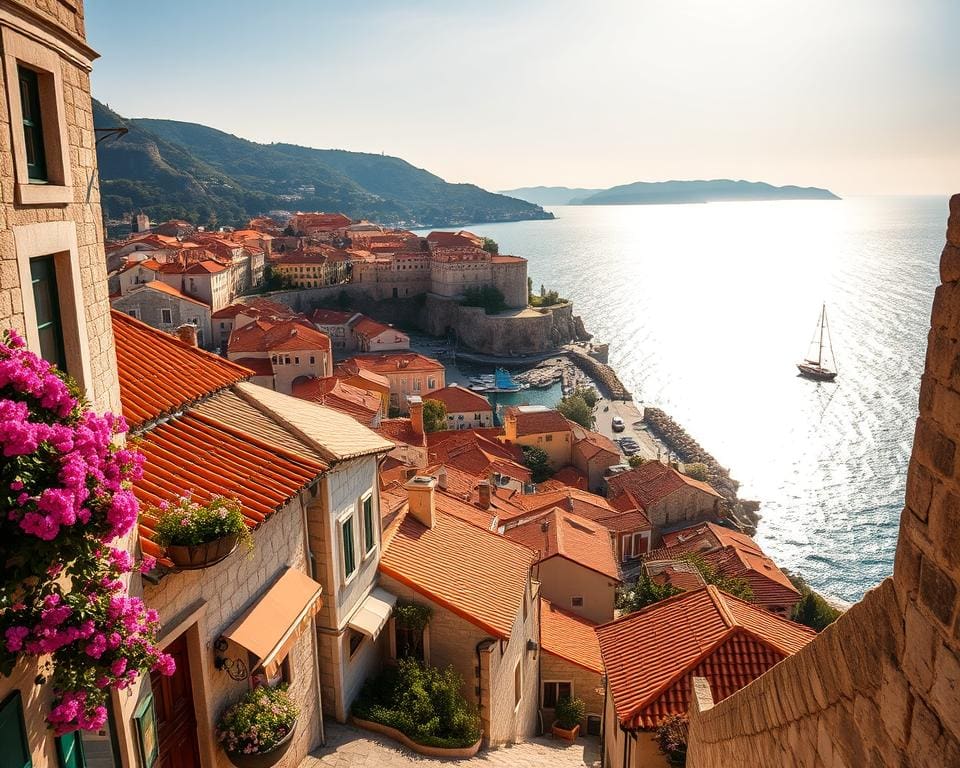
Dubrovnik is a compact, photogenic city on Croatia’s Dalmatian coast, known for its walled Old Town, limestone streets and terracotta roofs that tumble down to the Adriatic Sea. Its striking setting and well‑preserved medieval fabric give instant curb appeal, and that combination lies at the heart of Dubrovnik travel appeal.
UNESCO World Heritage status, careful heritage protection and high‑profile events have pushed Dubrovnik popularity onto the global stage. Frequent appearances in film and television, plus reliable ferry links and Dubrovnik Airport, make the city easy to reach from the United Kingdom and across Europe.
This Dubrovnik review is written for British travellers seeking inspiration. It assesses the city’s strengths—medieval architecture, the coastline, cultural life and warm hospitality—while flagging practical matters such as seasonality, crowds and cost. The aim is to explain why Dubrovnik continues to capture imaginations and travel wishlists.
What makes Dubrovnik so popular?
Dubrovnik draws visitors with a rare mix of compact charm and grand scenery. The Old Town sits within intact medieval walls that hug the sea, offering cinematic views and easy exploration. This blend explains much of the Dubrovnik appeal for first‑time and returning guests.
Overview of Dubrovnik’s global appeal
The city’s compact Old Town makes sightseeing simple for couples, families and independent travellers. Cruise passengers step ashore to walk marble streets lined with palaces and churches. Cultural depth meets Mediterranean glamour, so a short stay can feel richly rewarding.
How history and setting create instant allure
Dubrovnik history and setting stem from its days as the Republic of Ragusa, a prosperous maritime state that left a dense concentration of elegant public buildings. Perched above clear Adriatic waters, the city delivers dramatic cliffside panoramas and a strong sense of place that feels timeless.
Why travellers from the United Kingdom choose Dubrovnik
British holidaymakers value straightforward connections from London, Manchester and Edinburgh to Dubrovnik Airport (Čilipi), especially in spring and summer. English is widely spoken and services are visitor‑friendly, which simplifies short breaks and longer stays.
Practical matters matter to UK travellers. Currency is the euro, border checks follow EU rules and flight times make weekend escapes possible. For many, these Dubrovnik tourist reasons make Croatia an attractive, reliable Mediterranean alternative to Spain, Italy and Greece.
Medieval architecture and fortified city walls
The city’s stone ramparts form a living timeline of Dubrovnik medieval architecture. Walk the complete circuit of roughly 1.2 kilometres to take in uninterrupted views of the Adriatic and the red‑tiled roofs below. A circular route gives the best perspective; plan for 60–90 minutes and visit early morning or late afternoon to avoid crowds.
The route passes key vantage points that reward slow travel. From the western bastions you can see the sea on one side and the old town on the other. Ticket desks near Pile Gate and Ploče Gate control access and issue timed entries to reduce congestion.
Highlights include Fort Lovrijenac, known as the “Gibraltar of Dubrovnik,” which perches outside the western wall and dominates views of the harbour. Closer in, Bokar and Minceta Towers punctuate the skyline with stout, circular forms that once guarded cannon positions.
Within the town, the Rector’s Palace stands as the administrative heart turned museum. Sponza Palace and the Franciscan Monastery add texture with Gothic arcades, Renaissance details and one of Europe’s oldest pharmacies. Limestone streets and Baroque façades complete the ensemble.
Conservation has been central since the city’s inscription as a UNESCO World Heritage site in 1979. Post‑war restoration after the 1991–92 siege relied on local stone and traditional techniques to repair damaged fabric while maintaining authenticity.
Ongoing work by Croatia’s cultural authorities and international partners balances restoration with visitor needs. Regulations now limit wear on sensitive sections and guide tour flow to protect both masonry and experience. Tensions between mass tourism and preservation remain an active concern for planners and residents.
Stunning Adriatic coastline and island excursions
The Adriatic around Dubrovnik invites exploration with bright water, pebbled bays and small islands close to the city. A short stroll from the Old Town leads to lively shores and hidden coves that showcase the region’s natural beauty. Relaxed days on the coast pair well with lively afternoons of island hopping and short boat journeys.
Start at Banje Beach for panoramic views of the city walls and direct access to the sea. Families favour Lapad and Copacabana for their facilities and gentle shallows. For quieter moments seek out pebble coves and natural rocky swims along the coastline, where water clarity makes Adriatic swimming a real pleasure.
The short ferry to Lokrum takes about ten to fifteen minutes and rewards visitors with botanical gardens and free-roaming peacocks. Boat trips to the Elafiti Islands—Koločep, Lopud and Šipan—offer sandy beaches and tranquil village life that contrasts with the city. Day trips to Mljet National Park introduce salt lakes and fragrant pine trails for walkers.
Many local operators run Dubrovnik boat trips as half-day or full-day excursions. Popular choices include organised island tours, private charters and scheduled ferries. Bookings in peak season are sensible; spaces fill fast for favoured routes and timed departures.
Water activities suit a wide range of tastes. Stand-up paddleboarding and sea kayaking are common near the city walls and around Lokrum. Scuba diving trips explore submerged ruins and marine life for more adventurous guests. Sailing charters, whether shared or private, let you hop between coves and islands at your own pace.
- Safety first: wear life jackets for kayaking and follow local briefings for diving.
- Equipment hire is widely available; expect moderate daily costs for boards and diving gear.
- Best seasons run from late spring to early autumn when sea temperatures favour long swims.
Plan activities around weather and sea conditions to make the most of Adriatic swimming and the scenic routes between Dubrovnik beaches and nearby islands. A mix of organised Dubrovnik boat trips and independent exploration reveals the full variety of the coast.
Rich cultural heritage and events
Dubrovnik pulses with a cultural calendar that brings its stone streets to life. Festivals, music and theatre take place in atmospheric venues that date back centuries. Art lovers and foodies alike will find events and institutions that reveal the city’s layered past and vibrant present.
Festivals, music and performing arts
The Dubrovnik Summer Festival has run each July and August since 1950, offering theatre, opera and chamber music in settings such as Sponza Palace and the Rector’s Palace atrium. The programme blends classical repertoire with contemporary productions, attracting artists from across Europe.
Smaller events complement the summer season. The Dubrovnik International Film Festival screens regional and international cinema. Seasonal concerts and pop‑up performances add variety for visitors who time their trip around local schedules.
Museums, galleries and historical exhibitions
Museums frame Dubrovnik’s story from maritime power to wartime memory. Key destinations include the Maritime Museum in St. John’s Fortress, the Rector’s Palace Museum and the Franciscan Monastery museum with its historic pharmacy.
Contemporary art finds a home at the Museum of Modern Art Dubrovnik. War Photo Limited offers documentary photography that examines conflict and recovery. Opening hours vary by season; tickets and guided tours provide context to exhibits that explore trade, naval history and daily life.
Traditional cuisine and culinary experiences
Dalmatian flavours shape Dubrovnik’s dining scene. Fresh grilled fish, octopus and black risotto (crni rižot) appear alongside wood‑pressed olive oils and local vintages such as Plavac Mali.
Eat in konobas for hearty, authentic plates or choose fine‑dining restaurants for modern interpretation. Food tours and market visits highlight seasonal produce and regional techniques. These Dubrovnik culinary experiences pair food with history, creating memorable meals that reflect place and tradition.
Modern visitor amenities and sustainable tourism
Choose where you stay to shape your Dubrovnik experience. Luxury hotels and boutique properties sit within the Old Town, many housed in restored palaces that offer history with high comfort. Mid‑range guesthouses and private apartments give good value near Lapad and Gruž. Budget hostels provide simple bases for walkers and students.
Staying inside the walls places you at the heart of the city and within easy reach of museums, restaurants and nightlife. Rooms here tend to be pricier and the streets busier in peak months. Nearby neighbourhoods offer quieter streets, cheaper rates and easier parking for those who bring a car.
Arrival and onward travel are straightforward. Dubrovnik Airport links to the city by shuttle coaches and taxis. Regular catamaran services operate to Split and Hvar, while ferries connect to nearby islands for day trips. The local bus network is reliable for short hops across the peninsula.
Walking is the principal way to explore the Old Town. Cobblestones and numerous steps can challenge visitors with reduced mobility. Many operators now offer accessible options and tailored assistance.
Guided experiences add depth to any visit. Choose between small‑group walking options, specialised themed routes such as Game of Thrones locations, or private guides for a personalised itinerary. Hop‑on/hop‑off buses provide an easy overview for first‑time visitors.
City planners and businesses are shaping sustainable tourism Dubrovnik for long‑term benefits. Timed tickets for the city walls and controlled entry at peak hours help manage crowds and protect heritage sites.
Local campaigns encourage off‑peak travel and longer stays to spread economic benefits across the year. Beach clean‑ups, marine protection projects and community support schemes back conservation and local livelihoods.
Eco‑certified tour operators and green hotels are becoming more common. Travellers can help by using refillable water bottles, favouring public transport or cycling, and choosing locally owned restaurants and shops when possible.
For practical planning, consider where you want convenience or calm, check accessibility notes before booking, and book Dubrovnik guided tours in advance during summer months. Thoughtful choices support sustainable tourism Dubrovnik while enhancing your stay.
Dubrovnik in popular media and travel inspiration
Dubrovnik’s Old Town gained global attention as the setting for King’s Landing in HBO’s Game of Thrones, and that exposure sparked themed tours and sightseeing itineraries that draw fans from across the UK. Film crews have also used the seafront and narrow streets for other productions, reinforcing the city’s image as a cinematic backdrop and boosting Dubrovnik travel inspiration among culture-minded visitors.
For photographers and romantics, the city offers unmistakable Dubrovnik photography spots: the city walls at sunrise, the view from Fort Lovrijenac, the tree‑lined Stradun and the panoramic vistas from the Mount Srđ cable car. These scenes work well for a variety of trips, from short cultural city breaks and romantic escapes to active island‑hopping and culinary journeys around the Dalmatian coast.
In a practical Dubrovnik travel review, the city stands out for its blend of well‑preserved medieval fabric, luminous Adriatic coastline and lively cultural calendar. Peak season brings crowds and higher prices, so British travellers will find late spring or early autumn easier and more pleasant. Plan for three to five days to cover the walls, a boat trip and some island time, and book wall tickets and popular boat excursions in advance to avoid disappointment.