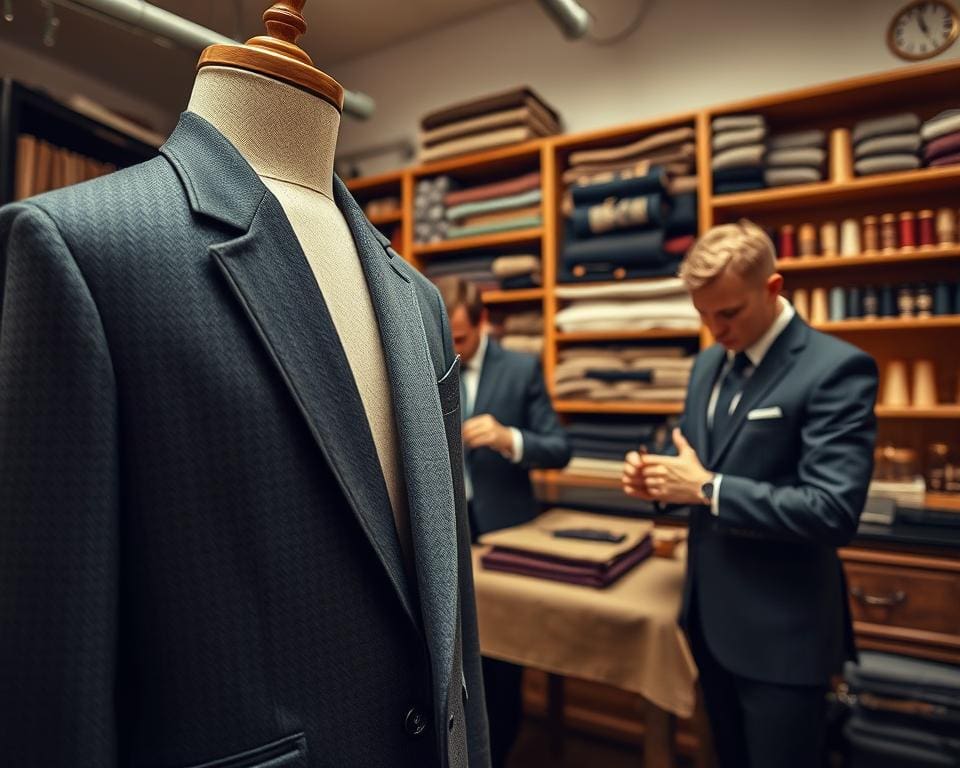
In the world of fashion, bespoke tailoring stands as a testament to unmatched craftsmanship and sophistication in clothing. Tailored garments embody a unique blend of artistry and precision, setting themselves apart from the mere mass production of contemporary attire. The refinement found in these pieces arises from an intricate interplay of high-quality materials, expert tailoring techniques, and thoughtful design principles. By choosing tailored options, individuals not only indulge in refined fashion but also express their distinct style, reveling in the comfort and elegance that bespoke tailoring provides. Embrace the artistry woven into every seam, and discover how tailored pieces transform not only your wardrobe but your personal statement.
The Essence of Tailoring
The world of tailoring is a blend of tradition and innovation, where each piece reveals the dedication invested in its creation. The foundation of this art lies in understanding the varied tailoring methods that cater to individual needs. Each approach, whether bespoke, made-to-measure, or ready-to-wear, presents unique advantages that can dramatically influence the overall quality and fit of a garment.
Understanding Tailoring Techniques
Bespoke tailoring represents the pinnacle of garment construction. It involves meticulous attention to detail, allowing for an entirely personalised piece crafted to the wearer’s measurements and preferences. Made-to-measure provides a step down but remains a fantastic option, combining ready-to-wear with custom fitting. This method adjusts standard patterns to accommodate specific body dimensions, ensuring a superior fit without the time required for bespoke meticulously.
The Art of Fitting
The art of fitting transcends mere measurements; it captures the overall essence of how a garment interacts with the body. Through skilled artisanal craftsmanship, a well-fitted garment accentuates both comfort and visual appeal. Considerations during fitting include the contours of the body and the ease of movement, effectively enhancing the silhouette. An expertly crafted piece not only feels good to wear but also stands out as a statement of quality and style.
Quality of Fabrics
Choosing the right fabric is essential for achieving a high level of refinement in tailored pieces. The decision between natural fabrics and synthetic materials has a profound impact on the overall quality and appeal of a garment. Understanding the unique attributes of each type ensures that every tailored piece meets the desired aesthetic and functional standards.
Natural vs Synthetic Materials
Natural fabrics, such as wool, silk, and cotton, are renowned for their breathability and comfort. These materials offer a luxurious feel against the skin, enhancing the wearer’s experience. In contrast, synthetic materials like polyester and nylon provide durability but often lack the same level of comfort and aesthetic richness. Each fabric’s characteristics significantly affect its response to wear and tear, as well as its appearance, contributing to the overall fabric quality.
The Importance of Weave and Texture
The textile texture and weave patterns of a fabric play a pivotal role in defining a tailored piece’s sophistication. Intricate weaves can elevate even the simplest designs, adding depth and interest. A higher thread count often correlates with a more refined appearance, while varied weave patterns can introduce a unique flair to garments. Tailored pieces enriched with engaging textures stand out, embodying the essence of bespoke fashion.
What makes tailored pieces feel more refined?
Customisation plays an essential role in elevating the sophistication of tailored pieces. This element allows wearers to express their individual style while creating a garment that is distinctly theirs. Tailored customisation grants access to an array of choices, from fabrics to intricate details, ensuring each piece resonates with the wearer’s personality.
The Role of Customisation
When it comes to personalised garments, the options seem limitless. The integration of bespoke features significantly enhances the overall appeal of tailored clothing.
- Fabric selection: Choosing the right fabric sets the foundation for each piece, influencing comfort and style.
- Design elements: Collar styles, pocket placements, and stitch patterns can be tailored to accentuate personal taste.
- Fit adjustments: Ensuring a perfect fit not only enhances comfort but also creates a polished appearance.
This customisation fosters a sense of ownership, allowing wearers to curate unique fashion statements that reflect their inner style. Ultimately, the personalised nature of tailored pieces resonates emotionally, bridging the gap between the wearer and their wardrobe.
Attention to Detail
The elegance of tailored pieces often rests in their intricate garment details. A refined approach to tailoring integrates various aspects, from the stitching that holds a garment together to the luxurious accents that elevate its appeal. Each component plays a vital role in enhancing both the aesthetics and functionality of the piece.
Stitching and Finishing Touches
Meticulous stitching is essential for achieving a flawless appearance. Techniques such as hand-sewn hems and secure seams not only ensure durability but also contribute significantly to the garment’s overall impression. Finishing techniques used on the outer fabric should harmonise with the internal structure, creating a seamless connection that epitomises quality craftsmanship.
Buttons, Lining, and Other Accents
High-quality buttons can redefine a tailored piece’s character. Whether crafted from horn, metal, or hand-painted wood, these details enhance both style and luxury. Interior lining might often go unnoticed, yet it plays a pivotal role in comfort and fit. A carefully selected lining showcases an appreciation for craftsmanship and serves to elevate the overall experience of wearing the garment.
Design Principles in Tailored Fashion
Understanding the design principles of tailored fashion enhances the appreciation of its artistry. Every detail contributes to a harmonious ensemble that speaks volumes about the wearer’s sophistication. Tailored silhouettes accentuate the natural form, while elements like structural integrity ensure garments maintain their shape over time. The aesthetic appeal of tailored clothing lies not only in its fit but also in its visual coherence.
Silhouette and Structure
At the core of refined tailoring are well-defined silhouettes. These shapes flatter the body, emphasising curves and strength in a manner that evokes confidence. Structural integrity plays a crucial role by ensuring that each garment retains its form, resisting the inevitable wear and sagging that can detract from a polished appearance. The balance between silhouette and structure is what ultimately defines a piece’s elegance.
Colour Theory and Cohesion
Colour theory is another vital aspect of tailored fashion. The use of colour coherence fosters a visual connection that draws the eye seamlessly across an outfit. Designers often select palettes that reflect a coherent style, allowing each piece to complement the other, rather than clash. Careful attention to contrasts and harmonies enriches the overall presentation, making tailored pieces not just clothing, but expressions of artistry.
Influence of Personalisation
In the sphere of personalised fashion, the significance of individual style is paramount. Every tailored piece tells a unique story, reflecting the wearer’s distinct personality and preferences. Personalisation transcends mere aesthetics; it fosters an emotional attachment that deepens the connection with one’s wardrobe.
Your Style, Your Statement
Luxury clothing choices become a canvas for self-expression. With personalised elements such as custom fabrics, distinctive cuts, and unique details, each item transforms into a powerful statement about who you are. This process of personalisation empowers individuals to showcase their creativity and distinct flair, much like an artist revealing their vision to the world.
Emotional Connection to Tailored Pieces
A tailored suit or elegant dress can evoke fond memories and represent key milestones in life. Such garments carry a weight of emotional significance, establishing a bond that goes beyond superficial wear. This emotional connection often results in a loyalty to brands that provide personalised options, creating lasting relationships and treasured pieces in one’s collection.
The Impact of Tailored Pieces in Fashion Industry
In an era marked by rapid change, the fashion industry is experiencing a noteworthy transformation influenced by tailored fashion. As consumers become more discerning regarding their clothing choices, the shift towards the bespoke market has gained momentum. This evolution highlights a growing appreciation for unique, well-crafted garments that offer a personal touch, elevating style and ensuring individual expression.
Sustainability in fashion is a crucial aspect of this shift, with tailored pieces promoting not only longevity but also a commitment to ethical production practices. By investing in high-quality, bespoke items, consumers are shifting away from the fast fashion mentality, choosing instead to celebrate craftsmanship and the artisans behind these creations. This approach aligns perfectly with a desire for sustainable practices that respect both the planet and the labour involved in garment-making.
The influence of tailored fashion extends beyond personal wardrobes; it encourages larger industry shifts towards responsible consumption and production. As tailored pieces become increasingly desirable, the fashion industry is challenged to embrace these values at every level. This revolutionary change advocates for a future in which fashion is synonymous with artistry and sustainability, making every bespoke piece not just a purchase but a statement of principles and style.