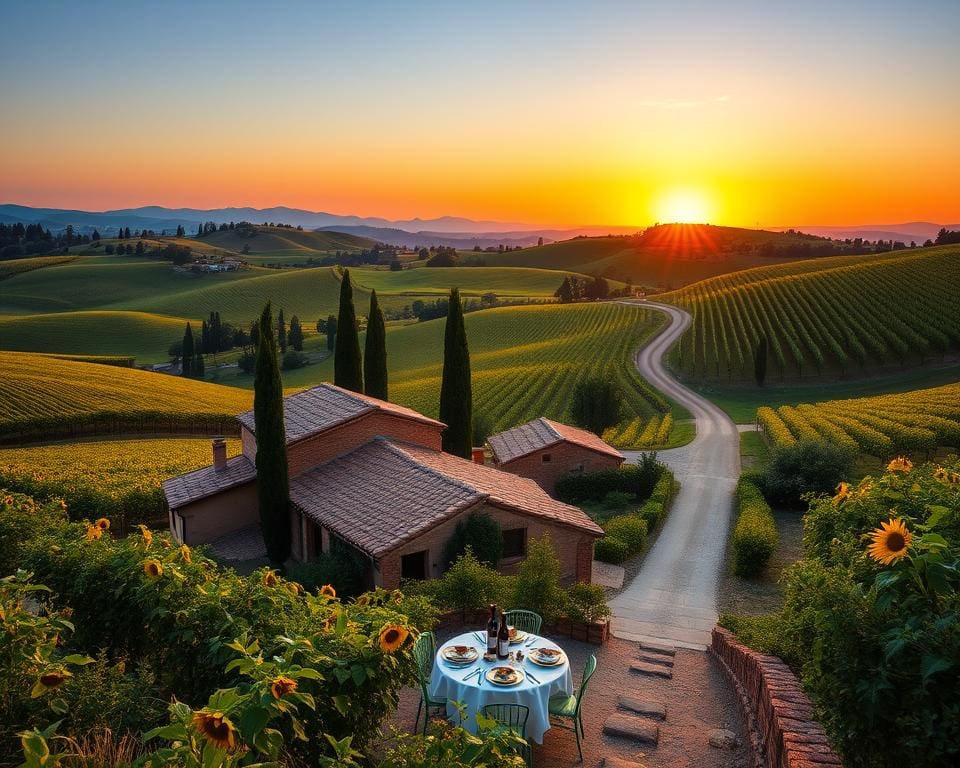
Tuscany’s allure is immediate: sunlit vineyards, soft rolling hills and a coastline that meets crystalline sea. This opening asks the central question of our Tuscany review and sets a tone of calm discovery for British travellers seeking quality escapes.
The region combines extraordinary cultural heritage with a slow pace of life. From Florence’s Renaissance masterpieces to hilltop medieval towns, the cultural riches sit alongside famed wines such as Chianti and Brunello di Montalcino. Food, wine and craft form a persuasive trio that feeds both curiosity and comfort.
Think of experiences as carefully chosen products: a restored villa, an agriturismo stay, a private wine tour or a hands-on cooking class. These are the building blocks of Tuscany travel inspiration, designed for couples, culture seekers and slow-travel advocates from the United Kingdom.
Across the following sections we will explore landscapes, iconic towns, culinary highlights, accommodation options, outdoor activities and local markets. Practical tips for British visitors are included, helping you turn this Tuscany review into a memorable, well-planned journey.
What makes Tuscany so special?
Tuscany’s charm stretches beyond postcards. Its mix of art, food and timeless scenery draws visitors from around the world. This section explores the region’s enduring appeal and shows why visit Tuscany for short breaks or longer stays.
Overview of Tuscany’s global appeal
Florence sits at the heart of Tuscany’s reputation. The city’s museums, the Duomo and Renaissance heritage give the region cultural weight that travellers seek. UNESCO sites such as the historic centre of Florence and the Val d’Orcia add prestige for heritage tourism.
The cinema and fashion industries borrow Tuscany’s landscapes for adverts, films and shoots. That exposure feeds international interest and supports a diverse tourism product from luxury hotels to rustic agriturismi. The breadth of choice underpins the Tuscany global appeal.
How Tuscany blends landscape, culture and lifestyle
Rolling vineyards, olive groves and cypress-lined lanes sit alongside hilltop towns and lively piazzas. That juxtaposition creates a living canvas where daily life becomes part of the experience.
Food and wine link the land to local culture. Family-run wineries and farm-to-table restaurants keep traditions alive. Long lunches, weekly markets and seasonal sagre show the Tuscany lifestyle in action.
Why British travellers are drawn to the region
Accessibility from the UK makes Tuscany an easy choice. Frequent flights to Florence and Pisa, plus good rail and road connections, mean short breaks or self-drive tours work well for British families and couples.
Many in the UK are already comfortable with Italian food and customs. That familiarity, paired with the region’s photogenic towns and private villa stays, explains why British travellers Tuscany continues to be popular for tailor-made holidays and romantic escapes.
Iconic Tuscan landscapes and scenic beauty
Tuscany offers an array of views that linger in the mind. From gentle valleys to wind‑sculpted coasts, the region blends pastoral calm with seaside drama. Plan days to match the light and the seasons so you catch the best of the region’s colour and texture.
Rolling hills, vineyards and cypress-lined roads
The archetypal Val d’Orcia scene shows undulating fields, golden wheat and vineyards framed by solitary cypress trees at sunrise and sunset. Farming cycles shape what you see: vine pruning in late winter, bright green shoots in spring, the olive harvest in autumn and the warm golds of late summer.
Wine routes such as the Chianti Classico road cut through the hills, offering scenic drives and winery visits. Drive slowly, stop at agriturismi and walk the lanes to absorb the quiet rhythm of rural life in rolling hills Tuscany.
Coastlines, islands and natural parks
The Tuscan coastline changes from wide sandy beaches in the Maremma to the rocky promontories of the Etruscan Coast. The Tuscan Archipelago, with Elba at its heart, invites swimming, snorkelling and short hikes across fragrant maquis scrub.
Protected areas such as Parco Nazionale dell’Arcipelago Toscano and Parco della Maremma support wildlife and coastal trails. Pair inland tranquillity with seaside vibrancy to enjoy the contrast between countryside and the Tuscan coastline.
Photography spots and panoramic drives
- The Belvedere in Val d’Orcia, the lanes around Pienza and San Quirico d’Orcia are classic spots for sunrise and sunset photographs.
- La Foce’s cypress‑lined drive and coastal vantage points on Elba and Monte Argentario deliver dramatic frames for landscape shots.
- Scenic routes such as the SR222 (Chiantigiana) and the road between Montalcino and Pienza offer continuous panoramas and easy pull‑overs for photos.
For golden‑hour shooting, travel light: a compact camera, a lightweight tripod and weather protection for kit work best for UK travellers. Aim to start early or stay late to avoid crowds and capture the best views Tuscany has to offer.
Historic towns, art and cultural heritage
Tuscany’s towns are living galleries where stone and story meet. From grand piazzas to narrow lanes, the region offers a compact cultural tour that rewards slow exploration and curiosity.
Florence sits at the heart of the Florence Renaissance. The Uffizi Gallery showcases masterpieces by Botticelli, Leonardo and Michelangelo, while the Galleria dell’Accademia houses Michelangelo’s David. Climb Brunelleschi’s dome at the Duomo for a view that frames centuries of art and city life. Book timed-entry tickets in advance, pick guided tours in English and visit early or late to avoid crowds. Workshops, fashion ateliers and contemporary restaurants keep the city lively beyond the museums.
Siena invites slower rhythms on its shell-shaped Piazza del Campo, famed for the Palio horse race. The Duomo di Siena reveals stunning mosaics and the Piccolomini Library’s frescoes. For Siena travel, plan visits around festival dates to witness living tradition without losing museum time.
Pisa offers more than the Pisa Leaning Tower. The Campo dei Miracoli also contains the Baptistery and cathedral. Wander lesser-visited neighbourhoods along the Arno and find quieter riverside cafés where local life continues away from the monuments.
Lesser-known medieval Tuscany towns reward detours. San Gimignano’s towers puncture the skyline. Volterra holds Etruscan ruins and calm ramparts. Montepulciano blends wine culture with graceful palazzi. Each place has distinct atmosphere and fewer crowds than Florence.
Tuscan museums span fine art to archaeology. Museo dell’Opera del Duomo in Florence conserves cathedral treasures. Siena’s Pinacoteca Nazionale offers regional paintings. Regional archaeological museums display rich Etruscan collections that link Tuscany to its ancient past.
Living traditions animate the calendar. Craft guilds preserve leatherwork, ceramics and goldsmithing. Religious processions and spring Holy Week rites remain deeply felt. Food sagre celebrate truffles, chestnuts and local wine, giving real taste of local identity.
Combine gallery visits with hands-on experiences to deepen understanding. Join an artisan workshop, take a guided walking tour or match a museum visit with a local market trip. These pairings turn sightseeing into cultural exchange and create memorable connections with place and people.
Wine, food and culinary experiences
Tuscany invites travellers to taste its land through wine and food. Day trips through vineyards, market visits and hands-on classes reveal why the region is famed for flavour and tradition.
Chianti, Brunello and regional vineyards
Chianti wine tours range from boutique family visits to grand estates such as Marchesi Antinori, where guided cellar tours explain ageing and terroir. Brunello di Montalcino is prized for strict ageing rules that give depth and longevity to the wine. Vino Nobile di Montepulciano offers a different profile yet the same sense of place.
Options include estate tastings, vertical flights and barrel-room walks. Harvest occurs in autumn, so booking then gives a lively experience but requires early reservations. Buying bottles to bring home works well when you use specialist merchants in Italy who ship to the UK.
Traditional Tuscan cuisine and food markets
Tuscan cuisine is honest and seasonal. Signature dishes include ribollita, pappa al pomodoro and bistecca alla Fiorentina. Crostini toscani, local olive oil and pecorino cheese add simple intensity to many plates.
Markets are a great way to meet producers. Mercato Centrale in Florence showcases fresh produce and street-food. Weekly markets in Siena and San Gimignano offer regional specialities and seasonal finds such as white truffles in winter and porcini mushrooms in autumn.
Cooking classes, agriturismi and dining experiences
Tuscan cooking classes range from short, hands-on lessons to multi-day courses that begin at the food market. Agriturismo dining pairs home-cooked meals with a family atmosphere and chances to learn about olive oil and wine production firsthand.
Look for small-group classes for personalised coaching and market-to-table experiences where you shop with a chef. Check dietary options before booking and think about combining a cooking course with a countryside stay for a full immersion into Tuscan food culture.
Architecture, villas and rural accommodation
Tuscany’s architecture is a living postcard. Stone walls, terracotta floors and exposed wooden beams set the scene for memorable stays in Tuscan villas and restored farmhouse Tuscany properties. Guests find formal gardens, frescoed rooms and panoramic terraces that frame olive groves and vineyard rows.
Choices range from centuries-old villas, some now Relais & Châteaux properties, to independent restored villas listed with specialist agencies. Small country estates often offer private pools, walled gardens and quiet courtyards for full privacy. Expect authentic features that speak of place and craft.
Historic villas suit travellers seeking grandeur or group stays. A restored farmhouse Tuscany appeals to those who want original stonework, rustic kitchens and a closer connection to the land. Both types can be luxuriously appointed or deliberately simple, depending on the owner’s vision.
Deciding between staying on working land or in a town is easier when you match the stay to the trip’s purpose. Agriturismo vs hotel comes down to experience. An agriturismo delivers farm-to-table meals, hands-on activities and family-friendly value for longer visits.
Boutique hotels win for service and convenience. Expect concierge help, spa treatments and central locations that make museum visits and dining effortless. Converted palazzos and boutique properties offer refined interiors and daily housekeeping for short cultural breaks.
- Choose an agriturismo for immersive rural life and self-catering flexibility.
- Pick a boutique hotel for luxury-focused travel and urban access.
- Consider a restored villa when privacy, space and authentic architecture matter most.
Booking Tuscany accommodation requires timing and care. Peak season from June to August brings the highest prices and crowds. Shoulder months — April, May, September and October — give pleasant weather, fewer visitors and harvest events.
Book well ahead for popular villas and estates, particularly during festivals and the grape harvest. Ask about heating for autumn and winter stays. Confirm transport logistics: some properties need a car, while others offer airport transfers, parking and supermarket delivery services.
Outdoor activities and slow-travel experiences
Set aside hurried itineraries and embrace a gentler pace on the Tuscan road. Slow travel Tuscany invites mindful days among vineyards, hilltop towns and quiet olive groves. You will find practical options for every energy level, from gentle rambles to more challenging rides.
Walking, cycling and vineyard trails
Explore stretches of the Via Francigena for historic wayfaring across rolling countryside. Val d’Orcia offers short circuits and longer routes with postcard views. Coastal paths in the Maremma add variety for mixed-surface walking.
Options for cycling Tuscany include guided e-bike tours through Chianti and gravel routes for experienced riders. Family-friendly vineyard loops are available from operators in towns such as Greve and Montepulciano. Local hire shops supply helmets, maps and e-bikes so you can plan a day ride with confidence.
Prepare for outings by packing sun protection, water and a paper map or GPS. Helmets are essential and spring or autumn are the most comfortable seasons for extended activity.
Hot air ballooning and scenic drives
A hot air balloon Tuscany flight over Val d’Orcia at sunrise is a quiet, unforgettable way to view the patchwork landscape. Many operators include a celebratory landing with prosecco and a light breakfast.
For an alternative pace, choose scenic drives such as the SR222 Chiantigiana, or the roads around Montalcino and Pienza. Rent a car after weighing manual versus automatic transmission and petrol versus diesel options. Local driving habits are relaxed but watch for narrow lanes and farm vehicles.
Build curated stops into your day: a small winery for tasting, a hilltop viewpoint for photos and a village trattoria for lunch. Short detours reveal artisanal producers and quieter outlooks.
Wellness retreats and countryside relaxation
Tuscany wellness retreats range from thermal spas at Saturnia to boutique spa hotels in restored farmhouses. Yoga weekends and massage treatments pair well with long walks and slow meals.
Choose retreats by considering size, therapy types and the inclusion of local excursions or cookery elements. Many properties offer day-spa access, guided nature walks and tasting menus that reflect the region’s produce.
Adopt the Tuscan habit of lingering: savour unhurried meals, rest in the afternoon shade and stroll villa grounds at dusk. These small rituals help visitors return home with restored energy and fresh perspective.
Local crafts, markets and authentic souvenirs
Tuscan villages reveal a tactile culture of making. Shopkeepers and workshop owners welcome visitors who want to learn about craft traditions and leave with something genuine. Seek out small studios and cooperatives to connect with artisans and ensure purchases support local livelihoods.
Traditional craftsmanship: leather, ceramics and textiles
Florence has a long-standing reputation for leather Florence goods. Around Santa Croce and San Lorenzo you will find family-run ateliers producing bags, belts and jackets by hand. Look for clear stitching, full-grain hides and certification tags to confirm genuine Italian leather.
Montelupo Fiorentino remains the centre for ceramics Tuscany, known for hand-painted majolica with bright glazes and traditional motifs. Workshops often open their doors so you can watch potters shape and paint pieces, then commission personalised items.
Textile crafts are woven into village life. Expect fine linens, artisanal lace and locally woven throws. Custom embroidery and bespoke tailoring are common in smaller towns where techniques have passed down through generations.
Best markets and where to buy genuine products
Markets are an easy way to compare quality and prices. Mercato Centrale in Florence mixes food stalls with artisan sellers. San Lorenzo market specialises in leather Florence goods and traveller-friendly souvenirs. Weekly markets in Siena and Arezzo offer antiques and regional produce from trusted vendors.
- Check seams, labels and material weight before buying leather items.
- Ask about the origin of ceramics Tuscany pieces and whether they are hand-painted.
- Prefer long-established shops or cooperatives that provide guarantees.
Supporting local producers and sustainable purchases
Buy directly from farm shops, winery cellars and artisan cooperatives to verify provenance and give money straight to producers. Choose certified olive oil, wines with DOC or DOCG labels, and organic preserves to support sustainable practices.
Sustainable souvenirs reduce environmental impact. Select lightweight items, choose locally made craft pieces and use postal services for fragile ceramics Tuscany to avoid excess baggage. Check UK customs rules for limits on food and alcohol before you travel.
With a little care you can collect keepsakes that reflect Tuscan values while helping artisans thrive. The right purchase becomes a story you will return to again and again.
Practical travel advice for British visitors to Tuscany
Planning travel to Tuscany from UK is straightforward. Direct flights land at Florence Peretola (Amerigo Vespucci) and Pisa Galileo Galilei, while connections to regional airports and rail links via Eurostar and Frecciarossa make train travel viable. For countryside exploration, renting a car offers the most freedom, though trains and regional buses link major towns. Private transfers and organised tours are good alternatives for shorter stays.
Driving in Tuscany brings beauty and responsibility. Be aware of ZTL (zona traffico limitato) zones in historic centres — unauthorised entry can trigger heavy fines. Learn local parking rules, check fuel types at stations, and keep roadside assistance details handy. These Tuscany travel tips will help you avoid common pitfalls and enjoy scenic drives without stress.
Carry euros and expect widespread card and contactless acceptance; cash remains handy for markets and small eateries. Check mobile roaming with your UK provider after Brexit, or consider a local SIM or eSIM for longer stays. For health and legal issues, arrange travel insurance that covers medical emergencies and activities such as cycling or hot-air ballooning, and verify GHIC or NHS arrangements.
UK citizens generally do not need a Tuscany visa UK for short tourist visits, but always check passport validity and current entry rules before you go. Learn a few basic Italian phrases, pack layers and sturdy shoes for cobbled streets, and respect dress codes at religious sites. The best time to visit Tuscany depends on your interests: spring and autumn for walking and harvest events, summer for coastlines, and winter for truffle hunts and quieter museums. Book key museums, vineyard tours and accommodation in advance, and consider shoulder-season travel, agriturismi or regional passes to save money and enrich your stay.