
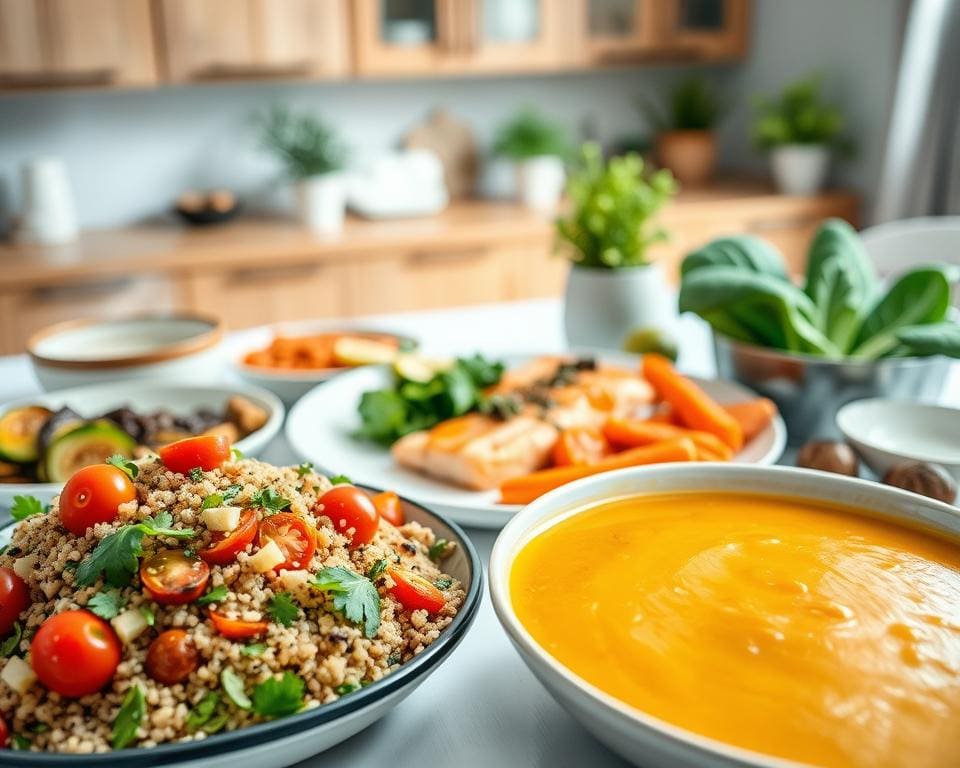
In today’s fast-paced world, the art of transforming simple meals into nourishing dishes has never been more vital. Embracing the principles of healthy eating is about more than just choosing the right foods; it encompasses the techniques we employ and the mindfulness we cultivate while preparing and enjoying our meals. With culinary tips that encourage the use of fresh, locally sourced ingredients and a deeper understanding of nutritional balance, each dish can become a source of vitality rather than mere sustenance.
When we elevate our meals with a focus on flavour and nutrition, we don’t just feed our bodies but nurture our souls. Simple meals, enhanced by herbs, spices, and healthy fats, can provide an enriching experience that promotes well-being and vitality. Let’s explore how integrating these elements can transform the way we perceive food and facilitate a nourishing journey towards healthier living.
The Power of Fresh Ingredients
Fresh ingredients play a pivotal role in transforming simple meals into nourishing experiences. The advantages of incorporating fresh, locally sourced produce go beyond flavour; they contribute to a healthier lifestyle while supporting local communities. Consumers increasingly seek out options that reduce their carbon footprints and emphasise sustainability. By choosing ingredients from nearby farms, individuals not only enjoy the benefits of superior taste but also promote a resilient local economy.
Seasonal produce connects eaters to the rhythm of nature. Eating foods at their peak ripeness ensures not just the best flavour enhancement but also maximises nutritional value. Locally sourced seasonal fruits and vegetables provide diversity and excitement in culinary choices throughout the year. For instance, enjoy tender asparagus during spring, or prepare hearty pumpkin dishes in autumn. By aligning meals with traditional seasons, individuals can explore a vibrant array of flavours, enriching their dietary habits while indulging in the goodness of fresh ingredients.
Understanding Nutritional Balance
Achieving a state of nutritional balance is integral to maintaining a healthy diet. The components that contribute to this balance include macronutrients and micronutrients, each playing a distinct role in our overall health and wellbeing.
Macronutrients Explained
Macronutrients consist of carbohydrates, proteins, and fats, all essential for providing energy and structure to our meals. Carbohydrates, found in foods like whole grains and fruits, serve as the primary energy source. Proteins, sourced from lean meats or legumes, are crucial for muscle repair and growth. Healthy fats, derived from foods such as avocados and olive oil, support cellular function and overall health. Understanding how to balance these macronutrients can help foster a more energising and fulfilling dining experience.
The Importance of Micronutrients
Micronutrients, including vitamins and minerals, are equally vital to achieving a harmonious nutritional balance. These essential nutrients support numerous bodily functions, from immune response to bone health. Incorporating a variety of foods leads to enhanced micronutrient intake; for instance, leafy greens can significantly boost iron levels, while dairy products are rich in calcium. Such diverse food choices ensure that meals contribute meaningfully to a healthy diet.
What turns simple meals into nourishing dishes?
Transforming basic meals into nourishing dishes relies heavily on the thoughtful incorporation of herbs and spices and the use of healthy fats. These elements not only enhance flavour but also elevate the overall nutritional profile of your meals.
Enhancing Flavours with Herbs and Spices
A creative blend of herbs and spices can significantly improve the taste and aroma of any dish. Fresh herbs like basil and cilantro add vibrant notes that cut through richness, while spices such as cumin or paprika bring warmth and depth. Using these ingredients allows for remarkable flavour enhancement that can awaken even the simplest recipes. Consider a basic tomato sauce; by adding fresh oregano and a pinch of red pepper flakes, it transforms into a delightful explosion of flavour.
The Role of Healthy Fats
Healthy fats play a crucial role in the culinary world, serving not only as a means of cooking but also as a vehicle for flavour. Ingredients like olive oil, avocado, and fatty fish are invaluable for both their taste and their health benefits. They assist in the absorption of fat-soluble vitamins (A, D, E, and K) while also providing a creamy texture to dishes. For example, drizzling a good quality extra virgin olive oil over roasted vegetables not only enhances their flavours but also adds a nutritious element to the meal.
Meal Preparation Techniques
Exploring effective meal preparation techniques is vital for anyone aiming to enhance their cooking skills and ensure nutrient retention in their dishes. Emphasising healthy cooking methods can transform ordinary meals into nutritional powerhouses.
Simple Cooking Methods for Maximum Nutrients
Various cooking techniques play a crucial role in preserving the nutritional value of ingredients. To maximise nutrient retention, consider the following methods:
- Steaming: This technique is gentle on food, preventing vital nutrients from leaching into water, unlike boiling.
- Sautéing: Using minimal healthy oils at high temperatures allows for the quick cooking of vegetables, helping to maintain their colour, taste, and nutrients.
- Roasting: This technique caramelises natural sugars and enhances flavours without excessive fat, often leading to more vibrant, nutrient-rich meals.
In contrast, methods that involve excessive water or prolonged cooking times can diminish the nutrient content. For instance, boiling vegetables can lead to significant nutrient loss. To ensure optimal results during meal preparation, focus on the following guidelines:
- Cook quickly: Reduce cooking time to retain more nutrients.
- Use less water: Minimise water usage to keep nutrients intact.
- Temperature control: Adjust heat settings to avoid overcooking and to preserve delicate nutrients.
Cultural Influences on Nourishing Dishes
Culinary practices vary greatly across the globe, shaped by unique cultural influences that create rich traditions. Incorporating these methods into everyday cooking not only enhances flavours but also brings a deeper appreciation of nourishing dishes. From traditional recipes to innovative adaptations, diverse cuisines present endless possibilities for creating well-rounded meals.
Traditional Cooking Practices
Each culture presents a distinctive approach to preparing food, often rooted in generations of wisdom. Traditional recipes such as Indian curries, Thai stir-fries, or Mexican moles highlight the use of fresh, wholesome ingredients. These dishes frequently rely on herbs and spices, which offer both flavour and health benefits. Embracing these culinary traditions can transform everyday meals into celebratory feasts.
Incorporating Global Ingredients
Using global ingredients can add a new dimension to cooking while boosting nutritional value. Quinoa, tempeh, and exotic spices like saffron provide opportunities to explore various flavours and textures in meals. By sourcing ingredients from local multicultural markets or supermarkets, home cooks can discover exciting additions to their pantry. This exploration encourages a broader appreciation for diverse cuisines while enhancing the overall nourishment of dishes.
Mindful Eating for a Nourishing Experience
Embracing the practice of mindful eating transforms your relationship with food, allowing each meal to become a source of nourishment rather than just sustenance. By slowing down and savouring the flavours, you not only enhance your food enjoyment but also cultivate an awareness of hunger and satiety cues that are often overlooked in our fast-paced lives.
Numerous psychological studies highlight the health benefits of mindful eating, revealing its effectiveness in reducing overeating while simultaneously increasing meal satisfaction. When you focus on the textures, aromas, and tastes of your food, you become more attuned to your body’s signals, leading to healthier eating practices that support overall well-being.
To integrate mindful eating into your daily routine, consider limiting distractions during meals—putting away your phone and turning off the television can foster a deeper connection to your culinary experience. Each bite savoured intentionally not only nourishes your body but also enriches your soul, making every meal an opportunity for joy and satisfaction.