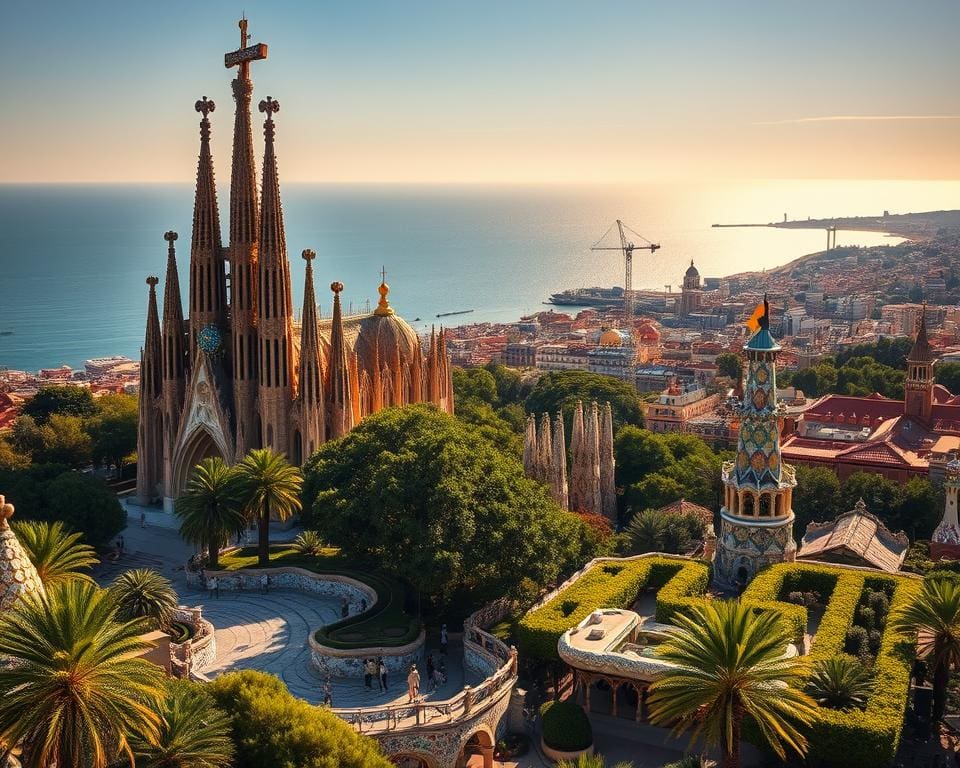
Barcelona’s character is shaped by a handful of places that every visitor remembers. This section of our Barcelona travel guide outlines which attractions define Barcelona and why they matter to first‑time and returning guests from the United Kingdom and beyond.
Think of attractions as products to be assessed for design, visitor experience and accessibility. From Antoni Gaudí’s Sagrada Família and Park Güell to the winding lanes of the Gothic Quarter, this guide evaluates Barcelona attractions with practical tips on ticketing, best times to visit and transport links.
Our aim is to help you choose the best of Barcelona without missing the iconic Barcelona sights. Expect clear priorities, safety and booking advice, and persuasive reasons to include each place in your itinerary.
Which attractions define Barcelona?
A few landmarks give a quick sense of the city’s spirit. Barcelona blends bold Catalan Modernisme with a tight medieval grid and a sunlit waterfront. This mix shapes both the skyline and daily life, creating an unmistakable Barcelona character that greets visitors at every corner.
Overview of Barcelona’s defining character
Antoni Gaudí’s inventive roofs and façades set a visual tone that feels like art turned public. The Gothic Quarter preserves narrow lanes and quiet plazas that hint at centuries of history. Beaches and markets add a relaxed, social layer. Together, these elements answer the question of what makes Barcelona unique.
How attractions shape visitor expectations
Major monuments such as the Sagrada Família and Park Güell prepare travellers for ornate detail and long queues. Tourists learn to pre-book and plan longer visits for immersion. Wandering the Barri Gòtic or strolling La Rambla gives a different pace: discovery, small museums and lively street scenes.
Season affects the mood of the city. Summer brings busy beaches and crowded promenades. Spring and autumn offer milder weather and easier sight-seeing. Festivals like La Mercè add bursts of local colour and culture to any itinerary.
Why these attractions are essential for a first-time visitor
To understand Barcelona, blend art, history and everyday life in your plan. Include Gaudí’s sites for striking innovation, the Gothic Quarter for a sense of the past, La Boqueria for food and social energy, and a beach or park to feel the Mediterranean rhythm.
- Pre-book high-demand sites to avoid long waits.
- Mix neighbourhood walks with landmark visits for balance.
- Leave space for markets and viewpoints to capture Barcelona cultural highlights.
This approach forms a practical Barcelona first-time visitor guide that shows both famed sights and the subtle traits that define local life.
Gaudí’s masterpieces and Modernisme attractions
Antoni Gaudí’s work defines much of Barcelona’s skyline and spirit. This brief guide highlights practical visitor advice and the emotional rewards of exploring Modernisme Barcelona. Expect vivid façades, inventive interiors and moments that linger in memory.
Sagrada Família: architectural ambition and visitor experience
The still-unfinished basilica crowns any list of Gaudí attractions Barcelona. Its Nativity and Passion façades frame a soaring interior where columns branch like a stone forest. Book timed-entry tickets on the official site to skip scams and long queues.
Plan for 1.5–2.5 hours. Options include basic entry, audio guides, guided tours and limited tower access. Keep in mind tower ascent has age and mobility limits. Arrive early or late in the day for quieter galleries and dramatic stained-glass light. Use these Sagrada Família tips to set expectations for security checks and accessibility around the main areas.
Park Güell: design, views and visiting tips
Park Güell began as a planned housing project and now offers mosaic terraces, the iconic serpentine bench and Hansel‑and‑Gretel gatehouses. The Monumental Zone requires timed tickets to reduce crowding.
Allow 1–2 hours for gentle walking, photos and pauses to enjoy the panorama over the city and sea. Book ahead and consider sunrise visits for cooler air and fewer people. Follow basic Park Güell visiting tips: wear sturdy shoes for uneven paths and pair the visit with a stroll through Gràcia for cafés and artisan shops.
Casa Batlló and Casa Milà: residential art and guided tour highlights
Passeig de Gràcia hosts two of Gaudí’s most intimate creations. Casa Batlló, often called the “House of Bones”, dazzles with an undulating façade and colourful mosaics. Casa Milà La Pedrera features sculptural chimneys and an inventive structure that reshaped residential design.
Both sites offer audio-guided and guided options, rooftop access and occasional night visits. The Casa Batlló tour reveals delicate interiors and craft detailing. Photographers favour Casa Milà’s rooftop for striking silhouettes. Pre-book tickets, consider combined passes and check accessibility provisions; lifts and adapted routes exist though some stairs remain.
Historic Gothic Quarter and cultural landmarks
Wander through the old city core and you feel the weight of history underfoot. The Barri Gòtic guide helps navigate a maze of narrow, often pedestrianised streets, small plazas and tucked-away tapas bars. Early morning and late evening walks reveal quiet corners that day-trippers rarely see.
Barri Gòtic: narrow streets, plazas and hidden corners
Plaça Reial sits at the heart of convivial square life, flanked by palm trees and lively cafés. Roman ruins near the Museu d’Història de Barcelona (MUHBA) appear between Gothic facades, offering sudden glimpses of layered time. Guided walking tours point out local legends and architectural details that you might miss on your own.
Barcelona Cathedral and medieval heritage
The Cathedral of the Holy Cross and Saint Eulàlia crowns the neighbourhood with soaring spires and a serene cloister. Visitors can climb rooftop terraces for city panoramas and wander the cloister where geese keep company with stonework. Respectful dress is requested during services and opening hours vary when liturgies take place.
Museums and cultural sites within the old town
Compact institutions deliver deep context on the city’s past. MUHBA reveals Roman and medieval Barcelona beneath streets, while Museu Frederic Marès houses sculptural treasures close to the cathedral. The Centre de Cultura Contemporània de Barcelona (CCCB) and nearby galleries extend the story into modern urban life.
Practical tips help make the most of your visit. Watch for pickpockets in crowded alleys and wear comfortable shoes for cobbled routes. Many Gothic Quarter museums list reduced or free entry times; check timetables and temporary exhibitions in advance to avoid disappointment.
La Rambla and vibrant street life
The wide, tree-lined promenade from Plaça de Catalunya to the waterfront pulses with energy year-round. This La Rambla guide helps you spot highlights like the Gran Teatre del Liceu, Joan Miró’s mosaic underfoot and the narrow alleys that lead into the Gothic Quarter and El Raval.
La Rambla promenade: what to see and seasonal rhythms
Morning visits bring calm light and quieter cafés, perfect for a relaxed stroll and photos. Days swell with locals and tourists, peaking in summer and during festivals when terraces and kiosks brim with life.
Walk slowly to notice florists, small theatres and the pavement art. Use this La Rambla guide to time your visit early if you prefer fewer crowds.
La Boqueria market: flavours, photo opportunities and product highlights
Mercat de Sant Josep de la Boqueria offers an explosion of colour and scent. Stalls display fresh fish, vibrant fruit, olives and cured meats that make for striking images and memorable tastes.
Arrive at opening to sample jamón ibérico and fresh juices without the midday crush. Follow simple La Boqueria market tips: seek established counters, queue courteously and ask for local recommendations to find the best stalls La Boqueria has to offer.
Street performers, local crafts and safety tips
Living statues and musicians add theatre to every square, creating spontaneous moments and great photo subjects. Barcelona street performers can attract crowds, so pause a little back to appreciate the show and respect their space.
Be mindful of safety on La Rambla. Keep bags closed, avoid distractions when crowded and favour card or contactless payments for higher-value purchases. Steer clear of unverified vendors selling expensive items and tip performers when you enjoy their work.
- Visit early for a calmer experience.
- Follow La Boqueria market tips to find the freshest produce and well-reviewed stalls.
- Enjoy Barcelona street performers from a polite distance to reduce risk of pickpocketing.
- Prioritise safety on La Rambla by storing valuables securely.
Beaches, waterfront and seaside attractions
Barcelona’s coastline blends city energy with seaside calm. Stroll from the old town down to golden sands, where family-friendly spots sit alongside lively waterfront bars. Use this Barcelona beaches guide to plan whether you want a bustling day at the shore or a quieter pause by the sea.
Barceloneta and family-friendly stretches
Barceloneta is the most central and traditional beach neighbourhood, prized for its long urban sandy stretches and fresh seafood restaurants. It delivers a classic city-beach combo that suits first-time visitors seeking atmosphere and easy access to attractions.
For calmer family days, head to Nova Icària or Bogatell. These beaches tend to be quieter, well equipped with sports areas and lifeguards, and ideal for toddlers and teens who need space to play.
Practicalities matter. Expect sunbed hires, umbrella stands, showers and accessible ramps at main entry points. Peak season in July and August gets very busy, so think about visiting in spring or early autumn for milder crowds.
Port Vell and beachside promenades
The old harbour at Port Vell was transformed into a lively marina and leisure zone. A wide walkway threads from the Gothic Quarter to the sea, making the Port Vell promenade perfect for evening strolls and boat-watching.
Combine a harbour visit with tapas at a waterside terrace or take a short harbour cruise to see the skyline from the water. The Rambla del Mar pedestrian bridge is photogenic and practical for moving between the old town and the waterfront.
Harbour cruises vary from sightseeing trips to sunset sails. Check operators for licences and safety standards before booking, and reserve a table at busy restaurants if you are in a larger group.
Water-based activities and best times to visit
Options for water activities Barcelona include stand-up paddleboarding, kayaking, sailing lessons and catamaran cruises. Dive centres and charters operate from the marina, offering trips to nearby coves and the Costa Brava.
The best time to visit beaches Barcelona is late spring through early autumn, from May to September, when sea temperatures rise and weather stays calm. Mornings usually have gentler seas and fewer people, ideal for classes and excursions.
Safety should guide choices. Use licensed operators, check forecasts and follow lifeguard instructions. Many activities run seasonally and require advance booking to secure the times you want.
Parks, viewpoints and outdoor experiences
Barcelona rewards walkers with green spaces and high points that reveal the city’s scale and sparkle. From coastal panoramas to leafy plazas, outdoor experiences here mix culture, calm and wide views. Plan time for slow strolls and timed attractions to get the fullest sense of place.
Montjuïc: castle, gardens and panoramic views
Montjuïc offers a compact collection of Montjuïc attractions that suit museum lovers and sunset chasers alike. The Museu Nacional d’Art de Catalunya (MNAC) fills a grand palace with Catalan art and leads to terraces with sweeping outlooks over Plaça d’Espanya and the harbour.
Walk the Jardins del Mirador and the botanical gardens to find quiet corners away from crowds. Access is simple by funicular or Montjuïc cable car, which lifts you across slopes for memorable photo angles. The Magic Fountain stages light-and-music displays on a schedule, so check times before you go.
Tibidabo and skyline perspectives
Tibidabo crowns Barcelona with a different mood. The amusement park brings a nostalgic charm while the Sagrat Cor church offers dramatic terraces. The Tibidabo viewpoint frames the coastline and the grid of Eixample for striking panoramas.
Historic Tramvia Blau and the Funicular de Tibidabo provide scenic approaches that feel part of the outing. Opening hours for attractions vary seasonally, so confirm timetables and pick a clear day for the best visibility.
City parks and urban green escapes
Beyond the famous gardens, Barcelona parks dot neighbourhoods and invite relaxed picnics or family outings. Parc de la Ciutadella features a boating lake, sculptures and the zoo nearby, making it an ideal spot to unwind after museum visits.
Smaller green pockets such as Jardins de Joan Miró and Parc de l’Estació del Nord offer shade, art and local life without the crowds. Most city parks are free to enter and are easy to reach by public transport, giving visitors simple escapes from busy streets.
- Allow several hours for MNAC and Montjuïc terraces to absorb the views.
- Use the Montjuïc cable car for dramatic approach photographs.
- Check Tibidabo opening times and transport schedules before you travel.
- Keep valuables secure in busy park areas where pickpocketing can occur.
Food, markets and neighbourhoods that define local life
Barcelona’s food scene is central to its character and worth exploring beyond guidebook highlights. A Barcelona food guide should pair market visits with neighbourhood dining to reveal how food shapes daily life. Start at La Boqueria for vivid stalls and tapas stalls, then balance that with quieter markets and street eateries to catch the full flavour of the city.
Seek out the best markets Barcelona offers beyond La Boqueria. Mercat de Santa Caterina and Mercat de Sant Antoni serve locals with top produce and fewer tourists. Sant Antoni also hosts a lively weekend book and clothing market, making it ideal for morning browsing and tasting small plates from market counters.
Each quarter brings its own culinary mood. El Born food scene mixes intimate tapas bars, craft cocktail spots and proximity to the Picasso Museum; it is perfect for late-afternoon drinks and small plates. Gràcia restaurants sit around leafy plazas and offer relaxed meals and community festivals, making them ideal for lingering over vermouth and pa amb tomàquet.
Eixample combines elegant boulevards and fine dining, tying Modernisme architecture to gastronomic experiences, while Poble-sec has a rising profile for pintxo streets such as Carrer de Blai. Practical tips: book ahead for popular dinner times, expect lunch from 13:00–15:30 and dinner later in the evening, and note that vegetarian and vegan options are increasingly widespread. Balance market tours with neighbourhood meals to taste Catalan staples like crema catalana and seafood, and to understand Barcelona’s social fabric through its food.