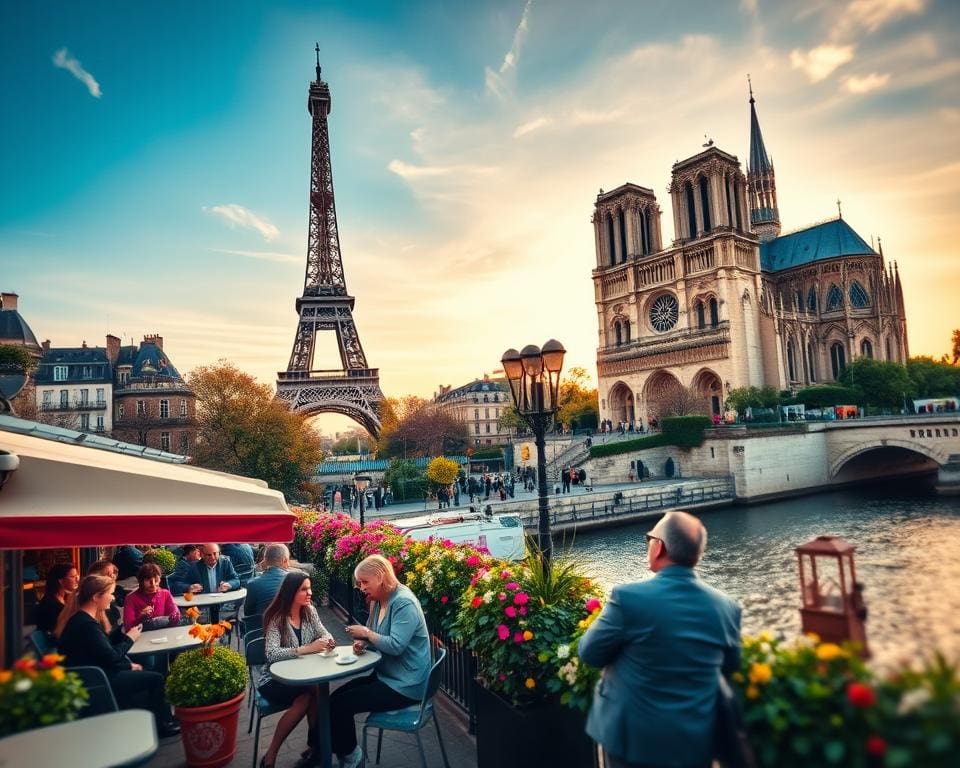
This Paris travel guide is designed for UK visitors who want inspiration and practical advice on which attractions should you visit in Paris. It looks at Paris must-see sights and the best attractions in Paris with a clear, review-style approach.
We outline iconic monuments such as the Eiffel Tower, Notre-Dame and the Arc de Triomphe, world-class museums including the Louvre and Musée d’Orsay, atmospheric neighbourhoods like Montmartre and Le Marais, plus green spaces and day trips to Versailles and Giverny.
Each section that follows evaluates visit Paris attractions for experience, timing and ticketing. You will find tips on peak-season crowding, opening hours, accessibility and how to fit highlights into short breaks or longer stays.
The aim is to help you choose Paris must-see sights that match your interests—art, history, romance, family activities or food—so your time in the City of Light feels memorable and well planned.
Which attractions should you visit in Paris?
Paris invites quick visits and slow discoveries. This overview helps you focus on the city’s signature draws and plan a trip that fits your time, energy and interests. Read on to shape an itinerary that balances art, history and local life.
Overview of Parisian highlights
The Eiffel Tower offers an iconic viewpoint over the city. The Louvre holds a vast art collection that includes the Mona Lisa. Notre-Dame and Île de la Cité remain the historic heart of Paris, even as restoration continues. Musée d’Orsay displays major Impressionist masterpieces. Montmartre gives bohemian streets and Sacré‑Cœur on a hill. Le Marais serves up historic lanes, boutique shopping and lively cafés. The Champs‑Élysées and Arc de Triomphe provide a grand avenue and panoramic views.
How to pick attractions based on trip length
To pick attractions Paris-wise, match priorities to time available. For 1–2 days, see the Eiffel Tower exterior, take a Seine river cruise, walk Île de la Cité and choose either quick Louvre highlights or Musée d’Orsay, then wander Montmartre.
With 3–5 days, add a full Louvre visit, Musée d’Orsay, Le Marais exploration and Sainte‑Chapelle. Spread museum visits across separate days and mix in neighbourhood dining and markets to avoid museum fatigue.
When you have 7+ days, include Versailles, Monet’s garden at Giverny and day trips to Champagne or Normandy. Use the extra time for deeper gallery visits and relaxed exploration of parks and markets.
Tips for prioritising must-see sites
To prioritise Paris sites, book timed-entry tickets for major museums and the Eiffel Tower to skip long queues. Visit early mornings or late evenings to avoid crowds. Limit yourself to one big attraction per day and pair it with a gentle neighbourhood stroll.
Consider the Paris Museum Pass when it saves you money. Choose guided tours for deeper context when museums feel overwhelming. Check opening days since many museums close on Mondays or Tuesdays and factor in seasonal hours and accessibility needs.
Iconic landmarks and architectural marvels to visit
Paris reveals its character through grand monuments and intimate corners. Choose a mix of high viewpoints, riverside promenades and restored treasures to feel the city’s history and contemporary life.
Eiffel Tower — best times to visit and viewing options
For the clearest views and smaller crowds aim for sunrise or late evening. The Eiffel Tower best time for calm is early morning on weekdays outside school holidays. The sparkle show begins after dusk and repeats each hour, creating a memorable scene.
Viewing options include the Trocadéro and Champ de Mars for classic photos. For access beyond the park choose between the second-floor stairs, which are cheaper, or lifts to the summit. Pre-book summit reservation tickets or standard lift passes to avoid long queues. Consider booking a table at 58 Tour Eiffel or Le Jules Verne for a premium meal and uninterrupted panoramas.
Practical tips: expect security checks, factor in time for queues and look into combined Seine-cruise + tower packages when planning a full afternoon.
Notre-Dame and Île de la Cité — history and restoration updates
Notre-Dame stands at the heart of Parisian identity. Its 12th-century Gothic architecture shaped European cathedrals and drew visitors for centuries. The 2019 fire prompted extensive conservation efforts.
Current Notre-Dame restoration work follows phased plans that focus on structural repair and faithful restoration of decorative stonework. Interior access has been limited while craftsmen and conservators carry out specialised tasks. For broader context explore Île de la Cité history through riverside viewpoints and nearby sites.
Complement a visit with Sainte‑Chapelle to see its stained glass and the Crypte archéologique for archaeological layers beneath the Île. Riverside walks give classic perspectives of the façade and the island’s urban setting.
Arc de Triomphe and the Champs-Élysées — viewpoints and access
The Arc de Triomphe crowns Place Charles de Gaulle and offers sweeping views of twelve avenues. Best times for a calm visit are early morning and sunset for dramatic light.
Arc de Triomphe access is via a pedestrian underpass; avoid crossing the busy roundabout at street level. Tickets and opening times vary seasonally, so check ahead when planning a summit climb. From the top you can spot La Défense to the west and the Louvre axis to the east.
The Champs-Élysées provides lively shops, theatres and cafés along a historic promenade stretching toward Place de la Concorde. Use the avenue’s terraces for a relaxed stop and combine the walk with nearby attractions such as the Grand Palais or Palais de la Découverte for a fuller day out.
World-class museums and cultural experiences
Paris offers museums that shape how we see art and history. Choose a handful of institutions and plan each visit so you leave inspired rather than exhausted.
Louvre Museum — highlights, route planning and ticket advice
Start with the Denon wing to view the Mona Lisa, Winged Victory and Grande Galerie pieces without wandering aimlessly. Use the museum map and an audio guide to follow a focused route that suits three to four hours.
For Louvre ticket advice, book timed-entry tickets online and consider an early morning slot or late opening to avoid crowds. Guided tours help you skip the confusion and spot rotating exhibitions. Wear comfortable shoes; distances between wings add up quickly.
Musée d’Orsay — Impressionists and visit tips
The Musée d’Orsay houses Monet, Renoir, Cézanne, Van Gogh and Degas inside a converted railway station. The collection gives context to the Impressionists Paris movement and the turn of the century.
Musée d’Orsay tips include visiting in the late afternoon for quieter galleries and clock-face photo spots. Buy tickets ahead, check temporary exhibitions, and note free entry rules for eligible EU visitors.
Centre Pompidou and smaller galleries — modern art options
The Centre Pompidou modern art displays cutting-edge work and offers rooftop views across Paris. Explore its Rotunda exhibitions and the design museum for contemporary insight.
Beyond the Pompidou, seek out small galleries in Le Marais and Belleville to find emerging artists. Add Fondation Louis Vuitton to your list for striking architecture and major exhibitions. Check opening times and ticketing for each venue before you travel.
Charming neighbourhoods, markets and local experiences
Paris rewards slow exploration. Wander cobbled lanes, pause at market stalls and let each quarter reveal its character. The city is best enjoyed on foot, with time set aside for cafés, galleries and people-watching.
Montmartre — art, cafés and Sacré‑Cœur atmosphere
Climb to the hilltop village of Montmartre for a timeless feel and wide views over Paris from the basilica. Early mornings and late afternoons bring the gentlest light for photos of the Sacré‑Cœur atmosphere and the Place du Tertre artists at work.
Seek quieter side streets to find authentic ateliers and Montmartre cafés where locals linger over coffee. Include Musée de Montmartre and a stroll past the Moulin de la Galette on your route to appreciate local history without the busiest crowds.
Le Marais — boutiques, history and Jewish quarter
Le Marais blends medieval lanes with grand hôtels particuliers and a lively shopping scene. Spend unhurried hours browsing Le Marais boutiques and independent galleries between stops at Place des Vosges and Musée Picasso.
Explore the Paris Jewish quarter around Rue des Rosiers for kosher bakeries and renowned falafel, then visit Marché des Enfants Rouges for fresh market fare. Walking reveals hidden courtyards and the neighbourhood’s long, layered history.
Latin Quarter and Saint‑Germain — bookshops, bistros and riverside walks
The Latin Quarter brims with academic energy and narrow streets lined with used and rare bookshops. Iconic stores such as Shakespeare and Company sit close to the booksellers on the Seine, perfect for a reflective browse.
Across the river, Saint‑Germain-des-Prés offers classic Saint-Germain bistros, jazz clubs and intimate cinemas for an evening of dining and music. Combine a riverside promenade with café terraces to watch the city drift by.
- Plan mornings for quieter galleries and markets.
- Pause often in cafés to soak up local rhythm.
- Walk between sights to discover hidden ateliers and shops.
Parks, viewpoints and memorable day trips from Paris
Paris parks and viewpoints offer calm between busy museum days. Luxembourg Gardens and the Tuileries are perfect for a picnic or people-watching, while Parc des Buttes‑Chaumont and Parc Monceau feel more local and leafy. Time your visit for golden hour and let the light turn ordinary benches into a moment worth savouring.
For city panoramas beyond the Eiffel Tower, try the rooftop terraces at Galeries Lafayette, the Montparnasse Tower observation deck for sweeping, less crowded views, and the steps of Sacré‑Cœur for a classic panorama. These Paris viewpoints suit sunset sittings and quick photo stops without the long queues.
When planning day trips from Paris, reserve a full day for a Versailles day trip to explore the Hall of Mirrors and the vast gardens; book timed entry and consider the RER C or an organised tour. A Giverny visit to Claude Monet’s house and gardens shines in spring and summer; trains from Gare Saint‑Lazare with a local shuttle make the journey straightforward. Château de Fontainebleau and Vaux‑le‑Vicomte provide quieter château alternatives, while Champagne region tours pair scenic travel with vineyard tastings.
Fit green time into your itinerary by alternating museum mornings with park afternoons and packing a small picnic. Use SNCF, RER services or coach tours for convenience, wear comfortable shoes for château gardens, and pre-book tickets in peak season to keep day trips from Paris smooth and memorable.