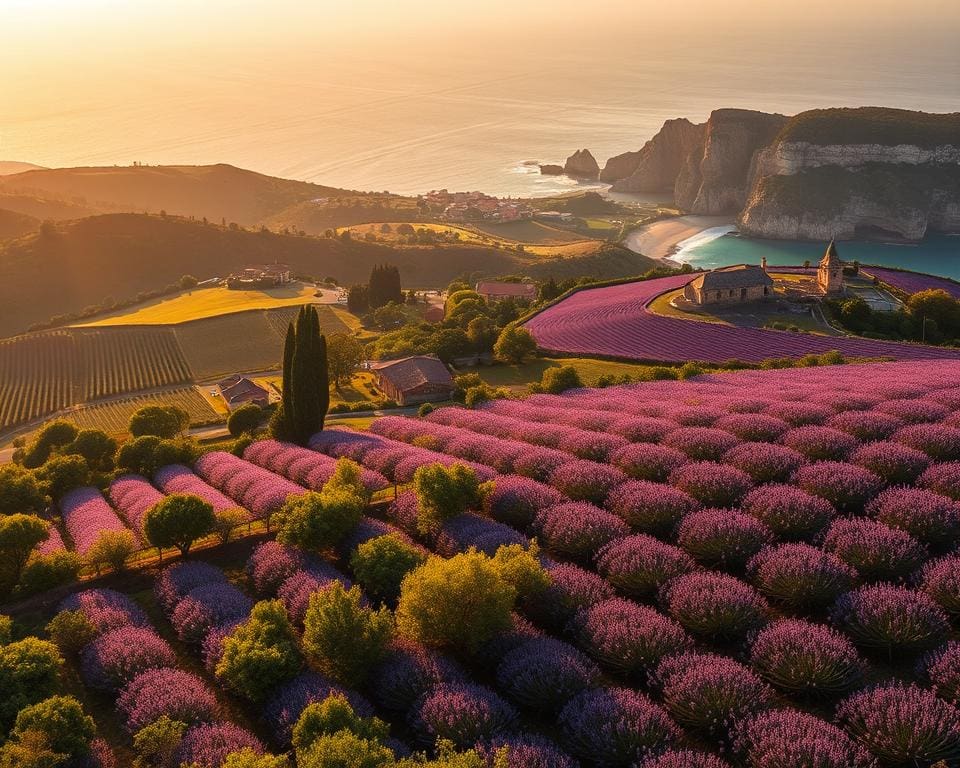
This short guide is an inspirational, product‑review style overview for travellers in the United Kingdom who want clear travel inspiration UK and practical choices. Think of towns and regions as carefully judged products: we assess key features, signature experiences, pros and cons, and the ideal visitor profile to help you pick the best destinations southern France for your next escape.
Geographically and culturally, southern France covers Provence — including Vaucluse, Bouches‑du‑Rhône and Alpes‑de‑Haute‑Provence — the Côte d’Azur (Alpes‑Maritimes and Var), and the wider areas of Occitanie such as Hérault, Aude and Tarn. It reaches into the Pyrenees, embraces the marshes of the Camargue and the historic Languedoc plain. The region offers a Mediterranean climate, a mix of coast, plains, hills, mountains and wetlands, plus Roman archaeology and strong Provençal traditions.
The article that follows breaks the area into regional snapshots, then gives practical guidance on when to visit, what to experience, where to stay and how to travel between highlights. Use this as a short reference to decide whether Provence lavender lanes, Côte d’Azur glamour, Occitanie’s medieval towns, Camargue wildlife or Languedoc’s coastal charm match your priorities for relaxation, culture, food, wine or outdoor adventure.
Which destinations stand out in southern France?
The region offers a vivid tapestry of landscapes and culture. From the sun-soaked beaches of the Côte d’Azur to Provence’s lavender-scented hills, the Pyrenees’ rugged peaks and the Camargue’s wild wetlands, this southern France overview captures variety in a few lines.
Overview of the region’s distinctive appeal
Roman ruins in Nîmes and Arles sit alongside fortified medieval Carcassonne and art-rich towns such as Nice and Antibes. Olive groves, market squares and coastal promenades create a layered travel experience that mixes nature, history and art. The mix of glamour, pastoral charm and wildlife means every visit feels different.
How to choose destinations based on travel style
Decide on the mood you want. For beach glamour and nightlife, head to Nice, Cannes or Saint-Tropez. To savour slow rhythms and Provençal markets, pick Aix-en-Provence, Gordes or the Luberon. Families seeking castles and history should consider Carcassonne and Albi.
Active travellers will favour the Pyrenees and Cévennes for hiking, skiing and river sports. Birdwatchers and nature lovers can seek the Camargue’s flamingos and wild beaches. Budget-conscious visitors will find value along the Languedoc coast where long sandy shores meet affordable accommodation.
Best times to visit for sun, festivals and fewer crowds
Late spring and early autumn, especially May to June and September, balance warm weather and thinner crowds. These months let you enjoy open sights without the summer crush. The best time to visit Provence for lavender is usually mid-June to early July, depending on altitude.
Peak summer in July and August guarantees sun but brings busy beaches and higher costs. If you want cultural buzz, plan around major events. The Cannes Film Festival in May, the Nice Carnival in February and the Avignon Festival in July draw big crowds, so book early during festival season Côte d’Azur.
Consider off-season travel southern France for lower prices and quieter towns. Winter and late autumn reveal local life and open chances to explore museums, markets and coastal walks with more space and calm.
Provence: Lavender fields, hilltop villages and Provençal markets
Provence travel invites slow mornings, sunlit lanes and the scent of herbs. Walkable towns, open-air markets and gentle country roads make it ideal for a relaxed British getaway. Plan time for village exploring and seasonal highlights to savour the region properly.
Top towns to visit — Avignon, Aix-en-Provence and Gordes
Avignon rewards visitors with the Palais des Papes and the Pont d’Avignon. The city bursts with culture during the Avignon Festival in July, so book early if you travel then.
Aix-en-Provence offers elegant boulevards and Cours Mirabeau cafés where you can linger over coffee. Fans of Cézanne will find his ateliers and landscapes woven into the town’s atmosphere.
Gordes perches on a Luberon hilltop with honey-coloured stone houses and wide views. Close by, Sénanque Abbey and surrounding lavender fields create classic Provençal scenes for photographers and walkers.
Signature experiences — lavender season, local markets and wine tasting
Lavender season runs from June to July across Valensole Plateau and Sénanque Valley. Early mornings bring calm light and fewer crowds, perfect for photographs and quiet walks.
Provençal markets in Aix, L’Isle-sur-la-Sorgue and Saint-Rémy-de-Provence sell olive oil, tapenade and textiles. Market stalls offer fresh produce and small-batch lavender products that make excellent gifts.
Provence wine tasting covers Côtes de Provence, Bandol and Coteaux d’Aix en Provence. Choose family-run domaines for intimate tastings and tours that explain local varieties and winemaking methods.
Where to stay — charming boutique hotels and rural gîtes
- Stay in Aix-en-Provence for townhouse charm and easy access to cafés and museums.
- Choose a mas provençal or luxury country house near Gordes for panoramic views and tranquillity.
- Book gîtes in Provence for self-catering comfort in the Luberon and Alpilles, ideal for families or longer stays.
Book early for high season and the Avignon Festival. Consider a village base to enjoy quieter evenings while driving out to main towns for day visits.
Côte d’Azur: Glamour, beaches and seaside towns
Sunlit promenades, chic marinas and fragrant pine-scented hills define the Côte d’Azur. From pebble shores to sandy coves, this coast blends stylish leisure with village charm. Use these pointers to plan visits to Nice, Cannes and Saint-Tropez with confidence.
Must-see destinations — Nice, Cannes and Saint-Tropez
Nice rewards slow mornings on the Promenade des Anglais and wandering through Vieux Nice. Art lovers should visit Musée Matisse and Musée d’Art Moderne et d’Art Contemporain for strong local collections.
Cannes centres on La Croisette, designer shops and festival splendour in May. Take a short boat trip to Îles de Lérins for calm waters and coastal walks.
Saint-Tropez keeps its iconic harbour and vibrant nightlife. Pampelonne offers long sandy stretches, while nearby Provençal markets reveal a quieter side of the town.
Cultural highlights — art museums, festivals and historic promenades
French Riviera museums are spread along the coast, from Musée Picasso in Antibes to Fondation Maeght in Saint-Paul-de-Vence. Each collection adds depth to the region’s glamorous image.
Annual events give the coast a lively rhythm. The Cannes Film Festival and Nice Jazz Festival draw international crowds, while numerous local fêtes offer authentic Provençal flair.
Coastal walks and scenic drives enrich any itinerary. Try the Cap d’Antibes path for dramatic sea views or a Corniche road for classic Riviera panoramas.
Practical travel tips — getting around, best beaches and peak season advice
- Getting around: TER regional trains and coastal buses link main towns reliably. Rent a car for inland villages, but expect limited parking in summer.
- Best beaches French Riviera: Nice has characteristic pebble shores, Antibes and Îles de Lérins offer sandy options, and Pampelonne near Saint-Tropez is ideal for long sunbathing days.
- Peak season advice: July and August bring crowds and higher prices. Book restaurants and hotels well ahead, or choose shoulder months for better value.
Keep travel tips Côte d’Azur in mind when planning. With simple choices and a calm pace, the coast reveals both its star-studded glamour and its quietly beautiful corners.
Occitanie and the Pyrenees: Medieval towns and outdoor adventure
Occitanie travel blends history, mountain air and vibrant local life. Wander through fortified streets, climb sunlit ridges and sample hearty regional dishes. This region suits both slow cultural trips and active breaks in the same itinerary.
The medieval heart of the region is impossible to miss. Each town carries a distinct character that invites exploration on foot.
Historic gems — Carcassonne, Béziers and Albi
Carcassonne is a UNESCO-listed fortified cité with double walls and broad ramparts that bring medieval life to the present. Walk the battlements and attend an evening light show to feel the past come alive.
Béziers offers Romanesque churches and a lively calendar, crowned by the Féria de Béziers, a festival that mixes music, tradition and local spectacle. Streets fill with colour and a sense of celebration.
Albi stands out for the Episcopal City and the Toulouse-Lautrec Museum within the Sainte-Cécile Cathedral complex. Its red-brick architecture gives the town a memorable silhouette along the Tarn River.
Outdoor activities — hiking, skiing and river sports
The Pyrenees invite year-round adventure. In summer, National Parks offer marked trails for Pyrenees hiking and via ferrata routes for thrill-seekers. Mountain guides lead canyoning trips in narrow gorges for hands-on excitement.
Winter brings compact ski resorts such as Ax-les-Thermes and Cauterets with family-friendly slopes and thermal baths nearby. Cyclists find challenging climbs used in professional races and peaceful lanes for leisure rides.
Rivers across the region host varied river sports. Canoeing and kayaking on the Garonne and Ariège suit families and experienced paddlers. Local operators provide equipment and short guided tours for first-timers.
Food and wine highlights — regional specialities and local producers
Occitanie food and wine draw on mountain and vineyard alike. Taste cassoulet in Castelnaudary and savour Roquefort from the nearby caves for authentic regional flavour.
Wine lovers should visit Cahors for Malbec, Gaillac for age-old vintages and Fronton for lesser-known varietals. Small producers and cooperatives welcome visitors for tastings and honest conversation about terroir.
Markets and auberges showcase seasonal produce and hearty dishes that pair well with local wines. Sampling at a village market is one of the simplest ways to understand the spirit of Occitanie travel.
Camargue and Languedoc: Wild landscapes, wildlife and coastal charm
The Camargue is a striking wetland where salt flats meet the Rhône delta. Visitors can watch flamingos Camargue wade in shallow lagoons, spot white Camargue horses and meet local gardians who still herd cattle. Saintes-Maries-de-la-Mer offers salt-scented beaches and a lively village atmosphere, while Aigues-Mortes rises from marshland with intact medieval ramparts and towers that reward a slow wander.
Languedoc beaches stretch from Montpellier to Narbonne, offering broad sands and a calmer alternative to the Riviera. Seaside towns such as Sète combine a working fishing port with excellent seafood, and quieter spots let you kite or cycle along wind-swept shores. Inland, the Canal du Midi and fortified villages like Minerve add history to days spent on the coast.
Nature lovers will appreciate guided birdwatching and saltworks visits at Salin-de-Giraud, along with equestrian trails and cycling routes that thread through rice fields and marshes. The region’s wildlife and landscapes make for memorable excursions, from early-morning flamingo spotting to sunset rides on the beach.
Languedoc vineyards are prolific, with appellations such as Fitou and Pic Saint-Loup producing varied styles. Try a cooperative cellar tasting or visit a small domaine to learn local vinification. For travel logistics, use Montpellier or Nîmes as hubs; rail and tram links make regional trips straightforward, while hot summers reward a plan that mixes beach time with shade and village markets.