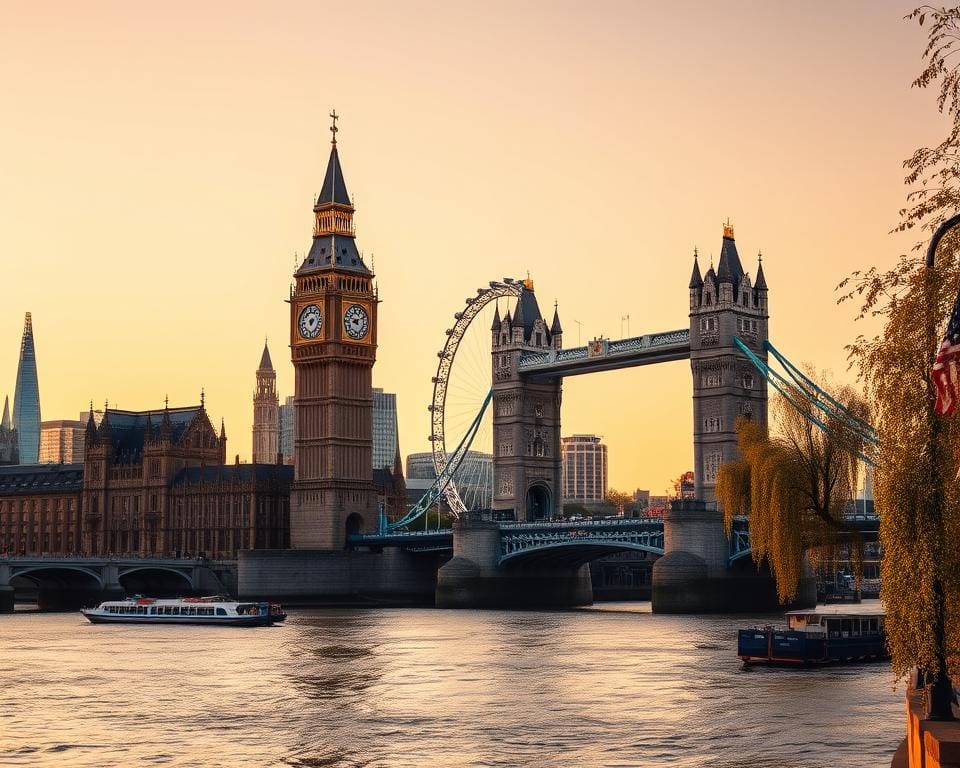
Which landmarks define London for visitors is the question at the heart of this guide. London landmarks act as cultural signposts: they shape memories, suit photos for social feeds and give first‑time travellers a sense of place. From the ceremonial routines at Buckingham Palace to the modern sweep of The Shard, these iconic London sights form the spine of the capital’s story.
This piece reads like a concise product review of London attractions. Expect clear summaries of what to expect at each site, standout features, and the visitor experience. The focus is practical and inspirational—helping readers decide which London attractions to prioritise by interest, time and accessibility.
Our assessment draws on authoritative visitor data and guidance used by VisitBritain and Historic England, cultural context from Lonely Planet and Rough Guides, and practical details from official sources such as English Heritage, Historic Royal Palaces, the Royal Parks and Transport for London. Use this as your starting map to visit London with confidence.
Which landmarks define London for visitors?
London’s landmarks reveal a layered city. Royal pageantry at Buckingham Palace sits near the political gravity of Westminster. The City offers glass-clad towers and financial might. Museums and theatres bring global culture. Historic churches and modern icons sit side by side, shaping a clear London identity.
Overview of London’s identity through its landmarks
Landmarks act as physical stories. The Palace, Westminster Abbey and the Tower embody ceremonial history. The Shard and Canary Wharf signal contemporary ambition. Tate Modern and the British Museum show London’s cultural reach. Together they form a mosaic that defines what people expect when they come to the capital.
How landmarks shape visitor expectations and experiences
Visitors often arrive with simple hopes: great photos, a ritual such as the Changing of the Guard, sweeping city views and immersive galleries. Reality blends these moments with queues, security checks and occasional conservation work. The Thames and public squares add sound and movement, making the visitor experience London feel vivid and layered.
Practical tips for first-time visitors exploring multiple sites
Plan by neighbourhood to cut travel time. Group Westminster sights, the South Bank attractions and Kensington museums into separate days. Start early for popular sites and book timed tickets for the Tower of London and Westminster Abbey.
Use free-entry galleries such as the British Museum and National Gallery to balance paid visits. Dress modestly for religious or ceremonial locations and check opening times before you travel. Guided tours suit those who want context; self-guided walks work for flexible exploration.
- Prioritise clusters: Westminster, South Bank, Kensington, the City.
- Pre-book timed entry for busy attractions.
- Choose early starts to avoid peak crowds and to meet typical London visitor expectations.
Historic royal landmarks that embody London’s heritage
London’s royal landmarks tell stories of ceremony, power and public spectacle. Visitors find layers of history in grand façades, guarded towers and sacred aisles. This trio of sites offers a clear route through the monarchy’s past and its living traditions.
Buckingham Palace stands as the official London residence of the sovereign and the stage for state occasions. The Changing of the Guard draws large crowds; timings change with the season, it is free to watch and it can be busy. The Summer Opening allows ticketed access to the State Rooms when the palace is in private use. Photographic highlights include the palace façade, the Victoria Memorial and The Mall. For ticketing and conservation guidance refer to the custodians responsible for the royal household.
The Tower of London began as a Norman fortress and evolved into a royal palace, prison and treasury. The Crown Jewels form the heart of the visitor experience and require careful queuing and timed entry. Yeoman Warder tours bring historic episodes to life, while the resident ravens add folklore to the grounds. Plan for security screening and allow at least two to three hours to explore the ramparts, towers and exhibitions within this UNESCO-honoured site.
Westminster Abbey has hosted coronations, royal weddings and national memorials since 1066. The Gothic nave, Henry VII’s Lady Chapel and Poets’ Corner reward close inspection. Guided and audio tours highlight tombs and memorials to figures such as Isaac Newton and Charles Darwin. Services restrict visitor access at times, so check opening hours before you go. The abbey remains central to national ceremonial life and to many moments in Britain’s history.
- Plan visits with timed tickets where offered to avoid queues.
- Allow extra time for security checks and popular photo stops.
- Respect service times and conservation rules at each site.
Architectural icons and skyline-defining structures
London’s cityscape mixes centuries of craft with bold modern design. Visitors who look up will spot a set of architectural landmarks that shape the London skyline and tell the story of the capital’s past and present.
The Palace of Westminster stands as a Gothic Revival masterpiece on the Thames. The Houses of Parliament present ornate stonework, pinnacles and traceried windows that frame national debate. The Elizabeth Tower houses Big Ben, the great bell that marks time for many Londoners. Public access varies; guided parliamentary tours are available when Parliament is in recess, while residents can obtain tickets through their MP or a peer for sittings. Photographers favour the riverbank at dusk, though restoration works or state events can change the view and access on short notice.
The Shard rises with a faceted glass profile that contrasts sharply with older, low-rise neighbourhoods. Once Western Europe’s tallest building, The Shard provides The View from The Shard, restaurants and hospitality venues that reward visitors with far-reaching panoramas. Booking the observation deck in advance is wise, with sunset slots offering dramatic colours across the Thames and beyond. The tower has come to symbolise modern investment in finance and tourism in the city.
St Paul’s Cathedral is Christopher Wren’s defining work, famed for its domed silhouette that punctuates the City skyline. Visitors can explore internal highlights such as the whispering gallery and the richly decorated mosaics. The crypt holds the tombs of figures like Admiral Lord Nelson and architect Sir Christopher Wren. Climbing to the Golden Gallery yields sweeping views across London, making the effort of the stairs worthwhile. Services and national ceremonies here underline the cathedral’s ongoing cultural role.
When planning visits to these sites, check official visitor information for opening times, ticketing and conservation notices. Architectural histories and recent conservation literature provide context for style and construction, while booking platforms and reviews offer practical advice on timing and queues.
Cultural institutions and museums that attract visitors
The city’s museum scene offers something for every curiosity. Long-standing institutions sit beside bold contemporary spaces, creating a cultural route that visitors can follow across the South Bank and Bloomsbury. Use the time you have wisely and focus on what will spark your interest most.
The British Museum: global collections and free galleries
The British Museum holds world-class treasures such as the Rosetta Stone, Parthenon sculptures and Egyptian mummies. General admission is free, which places it among the best free museums London has to offer. Special exhibitions normally require a ticket, so check ahead if you want a timed entry.
Plan to spend several hours. Follow thematic trails to avoid overload and visit the Great Court to see the reading room façade. Be aware of debates around provenance and repatriation; they shape how displays are interpreted and discussed by curators.
Tate Modern and contemporary art experiences
Tate Modern transformed the Bankside power station into a major venue for contemporary art London. The Turbine Hall commissions are unmissable for large-scale works, while the Blavatnik Building offers panoramic views from its viewing level. The permanent collection contains important modern and post-war pieces, with ticketed temporary shows adding fresh perspectives.
Enjoy the riverside cafés and the lively South Bank setting. Use the museum’s maps to plot highlights, especially if contemporary art London is your main interest.
Natural History Museum: family-friendly learning and exhibitions
The Natural History Museum is prized for its Victorian architecture and family appeal. Hintze Hall features the blue whale skeleton, while the Darwin Centre serves as an interactive hub for discovery. Rotating exhibitions cover dinosaurs, climate and biodiversity, so there is always something new to see.
Like the British Museum and Tate Modern, general admission is free, though special exhibitions often require tickets. Facilities for children and education programmes make it one of the most recommended London museums for families.
- Tip: arrive early to avoid queues at popular free museums London.
- Tip: pick one major gallery per day to explore in depth rather than rushing through several.
- Tip: consult official museum pages for opening times, ticketing and access information.
Picturesque public spaces and riverside attractions
London’s liveliest open areas combine history, art and everyday city life. Strolling through these public spaces London gives a clear sense of the capital’s rhythm. Pick a route that suits your pace and let each spot reveal a different mood.
South Bank and the Thames Path
The South Bank is a cultural promenade that links the London Eye, Tate Modern and Shakespeare’s Globe. Street performers and pop-up markets animate the walkway along the Thames Path. Walk in stages from Westminster to Tower Bridge to savour riverside London views and seasonal events.
Performance artists gather near the Royal Festival Hall. Riverboat services offer a scenic alternative to walking and provide convenient links to Embankment, Blackfriars and London Bridge.
Hyde Park and Kensington Gardens
Hyde Park and Kensington Gardens are the green lungs that balance the city’s pace. The Serpentine lake invites boating on warm days and the Princess Diana Memorial Fountain draws families and quiet reflection.
Visit Speaker’s Corner for lively debate. The Italian Gardens and Kensington Palace in the western section reward a relaxed stroll. Picnic, cycle or join seasonal attractions such as Winter Wonderland for a festive escape.
Covent Garden and Leicester Square
Covent Garden and Leicester Square sit close to the West End and pulse with theatre and cinema life. Covent Garden’s Apple Market and boutique shops make for charming daytime browsing.
Leicester Square hosts major premieres and night-time buzz, offering many dining and entertainment choices. Walk between theatres, restaurants and Tube stations to make the most of evening shows and street performance.
- Plan routes that combine riverside London walks with park time for balance.
- Use riverboats to save time and enjoy a fresh perspective of the skyline.
- Check listings from Royal Parks and South Bank Centre for event updates.
Quirky and lesser-known landmarks worth visiting
London hides delights beyond the obvious. Wander narrow lanes and modern courtyards to find spots that surprise and charm. These places reward curious visitors with architecture, colour and local flavour.
Leadenhall Market is a Victorian covered market in the City of London. Its decorative ironwork, painted roofs and cobbled walkways make it a favourite for photographers and film fans; parts served as Diagon Alley in the Harry Potter films. Boutique shops, cosy bars and cafés sit under the roof, offering tidy lunch options away from main tourist trails.
The Gherkin at 30 St Mary Axe stands as a striking example of modern City architecture. It reads well beside older buildings, giving dramatic contrast for anyone interested in design. Seek out nearby Lloyd’s Building and 20 Fenchurch Street — nicknamed the Walkie Talkie — to see how contemporary towers sit alongside medieval and Georgian streets.
Colourful neighbourhoods bring another side of London to life. Notting Hill charms with pastel terraces and the lively Portobello Road Market; visit early for the best browsing and fewer crowds. Camden Market blends canal-side stalls with a long musical history, drawing those who love alternative culture.
Shoreditch rewards slow exploration. Shoreditch street art covers walls, alleyways and railway bridges, while independent galleries and vintage shops line Old Street and Brick Lane. Eat at local cafés, time a market visit for quieter hours and savour the neighbourhood’s evening energy.
- Best times: arrive early to markets for calmer lanes and fresher finds.
- Photography tips: morning light suits covered markets and pastel terraces.
- Practical note: check borough cultural pages and market websites for opening times and vendor highlights.
Practical visitor information for landmark exploration
Plan ahead to make the most of London’s landmarks. Use the city’s transport network, check ticketing and opening times, and factor in accessibility needs and family-friendly options. Small choices save time and make visits more enjoyable.
Transport options: Tube, bus, river services and walking
The London Underground is the quickest way between many sites. Key lines that serve major attractions include the Circle, District, Piccadilly and Jubilee lines. Oyster and contactless payment work across the Tube and on buses.
Surface travel by bus gives scenic views and runs across central routes. The Docklands Light Railway helps reach east London pockets and Canary Wharf. River services such as Uber Boat by Thames Clippers link South Bank with Greenwich and offer a relaxed alternative to the Tube.
Travelcards and National Rail tickets integrate for day trips outside central zones. Central areas cluster tightly, so plan to walk between nearby sights where possible for the best experience.
Ticketing, opening times and best times to visit
Pre-book timed-entry tickets for popular sites. The Tower of London, Westminster Abbey and The Shard use timed slots to manage crowds. Major exhibitions often require advance booking on busy days.
Museums typically open around 10:00 and close near 18:00, though hours vary by venue. Royal sites follow seasonal schedules, so check official pages before you travel. Visiting early morning or late afternoon helps avoid peak crowds and offers better photographs.
Off-peak months such as autumn and winter bring fewer visitors and shorter queues. Some attractions shorten hours in low season, yet you will find calmer galleries and quieter viewing points.
Accessibility considerations and family-friendly tips
Many museums and stations provide step-free access and mobility aids. Historic buildings can have limited lift access; check official accessibility London pages for details on ramps, hearing loops and captioned tours.
Families find plenty to enjoy in the city. The Natural History Museum and the Science Museum offer interactive displays, feeding and changing facilities, and child-priced or free admission for youngsters. Plan rest stops and a lighter schedule to keep children engaged.
Be mindful of safety in crowded areas and guard belongings against pickpockets. Consult official attraction pages and Transport for London for the latest advice on accessibility and family-friendly London services.
Planning an inspiring London itinerary around key landmarks
Start by choosing a rhythm that fits your time and interests. For a London one-day itinerary, focus on Westminster: Big Ben, the Houses of Parliament and Westminster Abbey, then walk past Buckingham Palace and follow the Thames to the London Eye and Tate Modern. Use the Tube or a taxi to keep the pace brisk, and book a West End show for the evening to round off a full day.
For multi-day London plans, group attractions by neighbourhood. A two-day cultural focus works well: day one at the British Museum, then Covent Garden and theatre in the West End; day two on the South Bank with Tate Modern, Shakespeare’s Globe, and the Tower of London with Tower Bridge. Family-friendly three-day schedules can add the Natural History Museum and Science Museum in Kensington, a Tower of London visit with a riverside cruise, and a market day in Camden or Notting Hill.
Craft a landmarks itinerary for photographers and architecture fans by starting early at St Paul’s for the dome, then a City walking tour to see the Gherkin and Leadenhall Market, ending at sunset on The Shard or Greenwich Observatory. Allow realistic time buffers for queues, security and travel; plan to cover one cluster per day and pre-book peak attractions and evening restaurants or shows.
Keep your plan mindful and sustainable: favour public transport, carry a refillable bottle to reduce single-use plastics, respect conservation notices, and support local independent cafés and shops. These small choices improve the quality of your visit and help preserve the places that make any London itinerary memorable when you plan London visit routes and experiences.