Energy efficiency renovation means upgrading a home to cut heat loss, waste and running costs. For UK homeowners and landlords this is about practical, high‑impact work that delivers home energy savings now and over time.
This article focuses on retrofit priorities that typically give the biggest returns: fabric improvements such as loft and wall insulation, better glazing to reduce draughts, and heating system upgrades that reduce fuel use and emissions. Combining measures usually beats single fixes; the right mix steadies indoor temperatures, removes cold spots and helps reduce heating bills.
The benefits are clear. Effective energy efficiency renovation lowers bills, improves thermal comfort, raises property value and can boost Energy Performance Certificate ratings. Many measures also produce quick comfort gains while repaying their cost through lower energy use.
Later sections draw on UK Government guidance, Energy Saving Trust advice and British Standards for building work. Measures are prioritised by typical energy‑saving impact, payback potential and suitability for different building types, from Victorian terraces to post‑war semis and flats.
Owner‑occupiers, landlords and those planning deeper retrofits will find practical next steps ahead: assess current performance with an EPC or heat‑loss scan, adopt a fabric‑first approach, then consider low‑carbon heating and renewables. See renovation as a chance to make homes healthier and more comfortable while supporting national decarbonisation and longer‑term cost savings.
Top home upgrades for energy efficiency renovation
Improving a home’s fabric and systems lifts comfort while cutting bills and emissions. Start with measures that give the biggest thermal gains, then add efficient heating and smarter controls to hold those gains. The items below outline practical options, typical performance and things to check before work begins.
Insulation improvements that make the biggest difference
Loft insulation is often the quickest win. Typical uninsulated lofts have U-values around 0.7–1.0 W/m²K. Adding mineral wool, glass wool, cellulose or rigid PIR boards can bring roof insulation U-values down to about 0.13–0.16 W/m²K for pitched roofs. Spray foam suits complex junctions. Proper ventilation and insulating the access hatch avoid condensation risk.
For walls, cavity wall insulation using injected mineral fibre or EPS beads suits many post-war homes and can cut heat loss by roughly 10–15%. Solid wall insulation needs internal insulated plasterboard or external EPS/mineral render systems to reach post-retrofit U-values near 0.3–0.4 W/m²K depending on thickness. Planning constraints in conservation areas or listed buildings may limit external options.
Floor insulation pays off for suspended timber floors and ground-floor flats above unheated spaces. Options include insulating between joists or laying rigid insulation with a screed on solid floors. Floor insulation savings show as warmer rooms and a small but useful reduction in overall heating demand. For moisture-sensitive properties, get a professional assessment and follow PAS 2035/2030 where relevant.
Window and door replacements to reduce heat loss
Replacing single glazing with double glazing gives a clear step change. Modern sealed units use low-E glass and argon fill to reach centre-pane U-values of roughly 1.2–1.6 W/m²K. Triple glazing improves those numbers to about 0.8–1.2 W/m²K and can be worth it for large glazed façades or very cold sites, though cost and weight rise.
Where replacing frames is unsuitable, secondary glazing offers thermal gains while keeping original windows intact. Simple draft-proofing around sills, letterboxes and attic hatches is a low-cost route to better comfort. Choose energy-efficient frames with thermal breaks in uPVC, timber or aluminium, and ensure tight installation to avoid thermal bridging and ventilation issues.
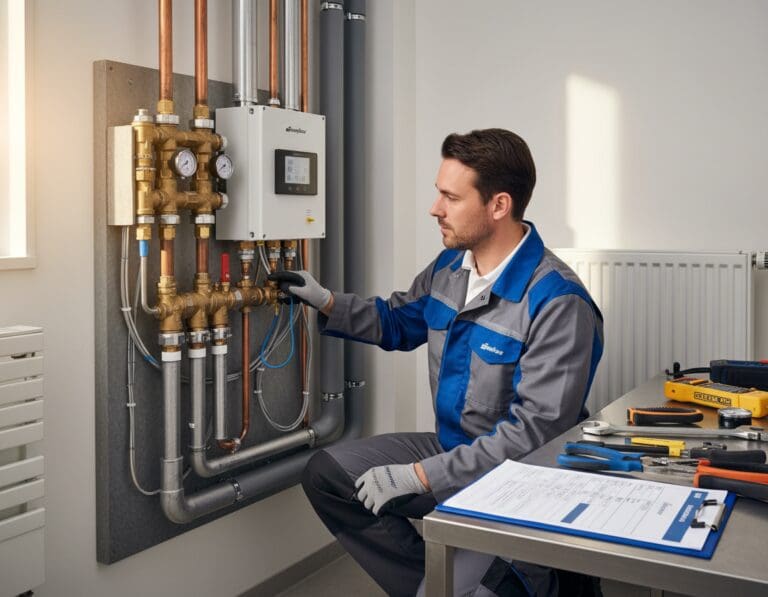
Heating system upgrades that lower bills and emissions
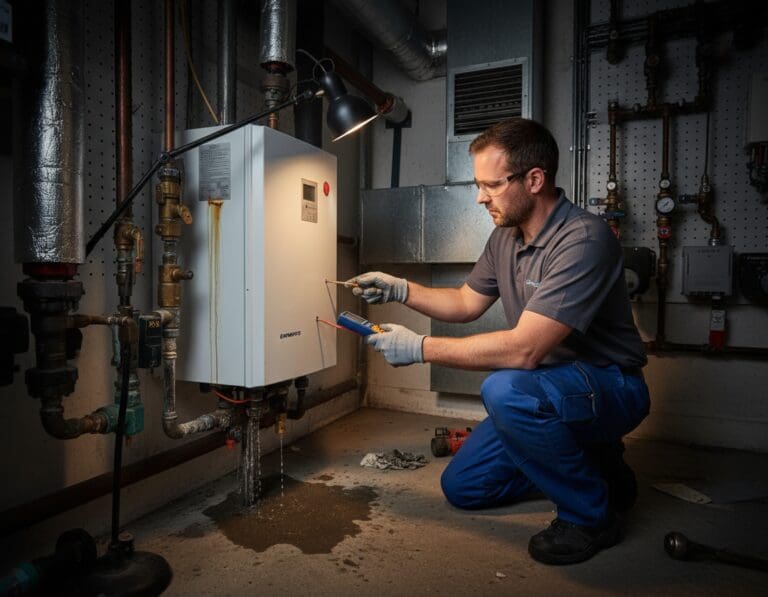
Upgrading an old boiler to a modern condensing boiler can cut fuel use markedly. Condensing boilers recover latent heat from flue gases and commonly reach seasonal efficiencies over 90% when correctly sized and serviced. For gas-heated homes with boilers aged 15–20 years, the savings are substantial.
Heat pumps offer a low-carbon alternative. An air source heat pump typically achieves a coefficient of performance of 2.5–4, depending on use and outside temperature. Ground source heat pump systems often deliver higher COPs but need groundworks and larger upfront spend. Both work best in well-insulated homes with appropriately sized radiators or underfloor heating. Current UK support schemes, such as the Boiler Upgrade Scheme, can help with costs.
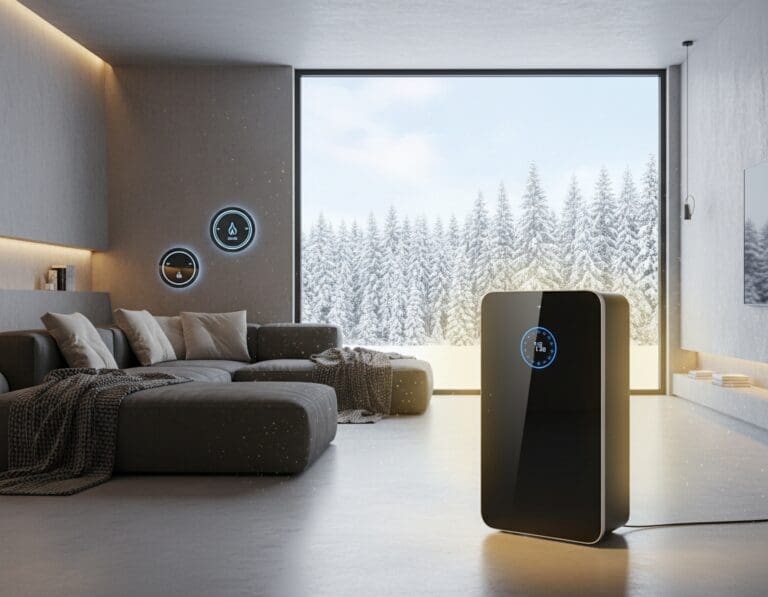
Controls complete the picture. Smart heating controls and programmable thermostats like Nest or Hive, smart TRVs and heating zoning reduce wasted heat and match temperatures to occupancy. Good hydraulic balancing and correct TRVs installation maximise performance. Upgrading controls often pays back faster than hardware changes and keeps savings steady.
Renewable and low‑carbon technologies for long‑term savings
Choosing renewable technologies changes how a home uses energy. Small measures can cut bills and shrink carbon footprints. This section looks at rooftop generation, storage, low‑carbon heat and how whole‑house planning multiplies benefits.
Solar photovoltaic (PV) panels and battery storage
Rooftop solar panels turn sunlight into electricity that offsets grid purchases. A typical 3–4 kWp domestic system in the UK generates around 2,500–3,500 kWh a year, so solar PV payback UK calculations hinge on size, orientation and household use.
Households that shift appliance use to daylight hours improve returns. Export tariffs and solar panels UK incentives affect payback, though rising electricity prices and falling panel costs have reduced payback periods in recent years.
Adding domestic battery storage raises self-consumption by storing surplus generation for evening use. Batteries boost resilience during outages and work best with smart energy management that times appliance use to available solar. Battery round‑trip efficiencies sit near 85–95%, so payback depends on the gap between import prices and the value of time‑shifted electricity.
Solar thermal, biomass and other alternatives
Solar thermal hot water systems use collectors to deliver domestic hot water efficiently, especially where summer demand is high. They can outperform PV plus immersion for hot water in some homes, though they need cylinder space and yield less in winter.
Biomass systems suit rural properties with secure fuel storage. Weigh up biomass boiler pros cons: sustainably sourced wood can be low‑carbon, yet smoke control zones, fuel logistics and ongoing maintenance are real considerations.
For denser developments, heat networks UK offer shared heating from a central source. These networks can be efficient but require careful planning, connection costs and compliance with regulatory frameworks. Installers should be MCS‑certified for renewable heating and aware of local planning or emissions rules.
Whole‑house approaches: fabric first and building performance
A fabric-first approach pays off. Insulating the envelope, improving building airtightness and reducing thermal bridges cut heat demand before sizing new heating systems. This fabric-first mindset creates retrofit synergy and often reduces equipment costs.
Passivhaus retrofit and deep retrofit projects push this further. EnerPHit or similar standards focus on high insulation and mechanical ventilation with heat recovery (MVHR) to shrink heating loads so heat pumps or small boilers run efficiently.
Combining measures yields the best outcomes. Pairing insulation and window upgrades reduces required heat‑pump capacity, while matching PV with heat‑pump hot water raises self-consumption. Use a planned retrofit pathway to sequence works, manage moisture risk and protect long‑term performance.
Practical steps, costs and funding to make energy efficiency renovation achievable
Start with clear diagnostics: an EPC gives a quick snapshot of banding (A–G), current and potential ratings, estimated annual energy costs and suggested measures. Treat the EPC as a starting point and follow up with a domestic energy audit and targeted surveys. A heat loss scan and thermal imaging can reveal cold spots and missing insulation, while an airtightness or blower-door test quantifies infiltration losses.
Costs vary widely across measures. Typical retrofit costs UK homeowners encounter include loft insulation from low hundreds up to about £1,000, cavity-wall insulation around £500–£2,000, external solid-wall insulation between £8,000–£30,000, condensing boiler replacement £1,500–£4,000, air source heat pumps £7,000–£18,000 and a 3–4 kWp PV system roughly £4,000–£7,000. Payback depends on fuel prices, property complexity and installer rates.
Prioritise for fast payback and comfort: begin with low-cost, high-impact actions such as draught-proofing and loft insulation, then address walls and floors before major heating changes. Use a whole-house approach: measure fabric weaknesses with a heat loss scan, complete insulation and airtightness works first, then right-size or install heating systems. This sequence reduces moisture risk and improves overall performance.
Explore funding and accredited help: check the Boiler Upgrade Scheme for heat pump support, ECO and local authority retrofit pilots for eligible households, and Green Home Finance products for longer-term borrowing. Seek PAS 2035 installers and retrofit coordinators for whole-house projects, and use MCS and TrustMark for renewables and retrofit work. Always request multiple quotes, written specifications, warranties and confirmation of compliance with Building Regulations (Part L). Finish with a simple checklist: commission an EPC or domestic energy audit, prioritise fabric-first measures, secure available funding, appoint accredited installers, schedule works to manage moisture, and plan ongoing maintenance such as MVHR filter changes and heat pump servicing to protect long-term savings.