
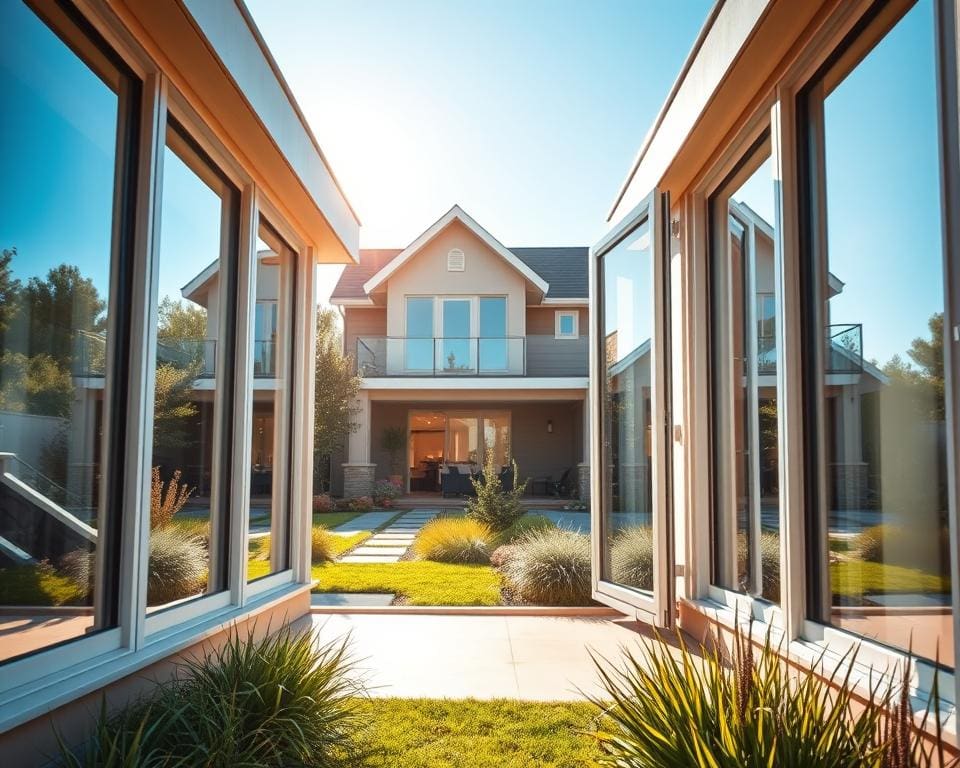
The term energy-efficient windows refers to glazing systems and frame assemblies designed to reduce heat transfer, limit draughts and improve airtightness compared with single-pane or poorly sealed windows. These products combine measures such as low-emissivity coatings, argon or krypton gas fills and thermally broken frames to cut heat loss and control solar gain. Common performance metrics you will see are U-value (heat transfer rate) and Solar Heat Gain Coefficient (SHGC).
In the UK’s temperate climate, long heating seasons in many regions make window insulation UK a practical priority. Older Victorian and interwar windows often lack adequate seals and double glazing, so they account for a large share of domestic heat loss. Upgrading glazing is one of the most direct ways to reduce heating bills and improve year-round comfort.
This article adopts a product-review approach. Later sections will outline the technology behind sustainable windows, set out the measurable benefits of efficient glazing, and explain how correct installation affects performance. You will also find cost comparisons, likely returns, and available incentives so you can judge suppliers and installers by evidence rather than marketing.
By the end, readers will understand how double and triple glazing, low-E coatings, gas fills and frame choice influence comfort, energy use and property value. The discussion draws on building-physics measures used in the UK, including Window Energy Rating and guidance from Building Regulations Part L, together with case-study data from manufacturers such as Pilkington and Saint-Gobain to support claims about the importance of energy-efficient windows.
Why are energy-efficient windows important for homes?
Energy-efficient windows transform how a home performs. They combine carefully chosen glazing types with quality frames to cut heat loss and deliver improved warmth retention. Homeowners notice draught reduction and a tangible comfort improvement from well-specified units.
Overview of energy-efficient window technology
Start with the glass. Double glazing uses two panes separated by a cavity filled with air or argon. It is a cost-effective step up from single glazing and often achieves much lower U-values than older windows.
Triple glazing adds a third pane and a second cavity. That design helps lower U-values further, which suits cold or north-facing rooms. Weight and frame strength must be considered when choosing triple glazing.
Low-E coatings are microscopically thin metallic layers applied to glass. They reflect long-wave heat back into the room while letting daylight through, so light levels stay high while thermal performance improves.
Frame choice affects overall performance. uPVC frames are common in the UK for good thermal performance and low maintenance. Timber windows offer natural insulation and a classic look but need periodic care. Aluminium with an aluminium thermal break gives slim sightlines and, with the thermal break, much better thermal performance than older metal frames.
Gas-filled units, often using argon and sometimes krypton, reduce convection within the cavity and lower U-values. Warm-edge spacers and robust edge-seal systems protect gas fills and cut condensation risk.
Immediate benefits for homeowners
Upgrading windows brings quick gains. Reduced heat loss means rooms feel warmer and central heating runs less often, which tends to produce lower energy bills. Replacing single glazing with modern double glazing can halve heat loss through windows in many cases.
Improved airtightness reduces draughts and stabilises indoor temperatures, producing a clear comfort improvement even when thermostat settings stay the same. Multi-pane units and tight seals also bring acoustic benefits, useful for houses near busy roads.
Maintenance benefits are immediate with modern materials. uPVC frames require little attention, aluminium resists corrosion, and well-finished timber lasts long when treated. Durable seals and quality installations lower the chance of leaks and the need for early replacement.
Long-term value and sustainability
Energy-efficient windows provide long-term value through lower running costs and potential carbon footprint reduction. Fewer heating hours cut domestic CO2 emissions, contributing to wider UK targets and household sustainability goals.
Higher-performing windows can raise property value. Buyers often favour homes with lower running costs and improved Window Energy Ratings. BFRC labelling and manufacturer datasheets help prove performance to prospective buyers.
Durability and lifecycle thinking matter. Choosing materials with good recyclability and long warranties reduces embodied carbon over the product lifespan. Brands such as Pilkington and Saint-Gobain for glass, and REHAU or Everest for frames, publish thermal-data sheets to help buyers compare performance and longevity.
Whole-house savings come from combining better glazing with loft and wall insulation and efficient heating. Assessing trade-offs between cost, daylight, weight and thermal gain helps householders make choices that deliver sustainability, durability and long-term maintenance benefits.
Energy savings, cost considerations and available incentives
Choosing better glazing is as much about comfort as it is about costs. A simple U-value explanation helps homeowners see why low U-values cut heat loss in winter. Window energy savings come from reduced heat escape and improved air-tightness. South-facing rooms demand thought about SHGC so summer solar gain does not cause overheating.
How energy-efficient windows reduce heating and cooling costs
Windows with low U-values reduce heat flow from warm rooms to cold outdoors. That means lower boiler runtime and measurable heating cost savings. In many UK homes, replacing single glazing with modern double glazing can save several hundred pounds a year, depending on property size and fuel type.
SHGC, sometimes called g-value in Europe, controls solar radiation through glass. Higher SHGC can help in chilly months. Lower SHGC helps when south-west glazing risks overheating in summer. Seasonal performance UK varies by region; coastal, northern and high-altitude homes face different heating loads and solar profiles.
Upfront costs versus long-term return on investment
Window prices UK differ widely. Basic uPVC double glazing costs less than timber or aluminium frames with thermal breaks and triple glazing. Specialist designs for conservation areas or bespoke timber will add to lifecycle cost.
Payback period windows depends on the extra upfront cost divided by annual energy savings. Rising energy bills shorten payback. Switching from double to high-performance triple glazing gives smaller incremental energy gains but boosts comfort and reduces condensation.
When calculating cost-benefit window upgrade, include non-monetary gains such as noise reduction, moisture control and increased property value. These factors can make the real payback much shorter than the pure financial payback suggests.
Grants, schemes and regulations in the United Kingdom
Households should check UK energy efficiency grants before committing. The ECO scheme supports eligible low-income and vulnerable households, though windows are less commonly funded than loft or wall insulation. Local authority grants can appear occasionally; search council pages for current offers.
Building Regulations Part L sets minimum performance for replacement windows and guides installers on acceptable alternatives for listed buildings. FENSA registration and Window Energy Rating labels help verify compliance and can be required for some incentive access.
VAT relief on home improvements is limited for standard window work. Some energy-saving materials used in qualifying renovations can attract reduced VAT rates in specific cases. Homeowners should consult HMRC guidance or a certified installer for tailored advice.
- Use SAP outputs or independent assessors to estimate savings and validate payback period windows.
- Compare financing: green loans, installer finance or renovation mortgages affect lifecycle cost.
- Check BRE, Energy Saving Trust and BFRC data for performance and realistic window energy savings figures.
Choosing, installing and maintaining the best energy-efficient windows
Start by matching window orientation and room use to glazing choices. South-facing rooms can benefit from higher solar heat gain in winter, while west-facing elevations often need solar control to limit afternoon overheating. Prioritise bedrooms and living spaces for better insulation and noise reduction, and choose high light-transmission low-E glass where daylight is crucial. Assess room-specific glazing to balance comfort, glare and thermal performance.
Compare products using BFRC rating labels and the Window Energy Rating to make fair comparisons. Review technical datasheets from recognised manufacturers such as Pilkington, Saint-Gobain and Guardian Glass, and ask for third-party certification. Consider heritage options like secondary glazing or slim-profile double glazing for conservation areas, and select colour, sightline and hardware that suit the home while meeting glazing needs.
Use certified installers accredited by FENSA or Certass to ensure correct window installation and compliance with Building Regulations. Insist on continuous insulation at reveals, correct flashing and weatherproofing, airtightness around frames and details that minimise thermal bridging. Beware of installation pitfalls such as poor perimeter sealing, incorrect reveal insulation and blocked drainage paths that can void warranties and reduce performance.
Maintain windows with routine window maintenance and seasonal checks before winter. Clean low-E coatings with suitable products, care for uPVC, timber and aluminium finishes, and renew draught-proofing as needed. Watch for failing seals indicated by persistent internal condensation or misting between panes; manage humidity with extractor fans, trickle vents and adequate heating. Decide between repair, reglaze or replacement by assessing frame decay, frequent condensation and thermal performance shortfalls, and retain warranties, datasheets and certificates for future verification.