
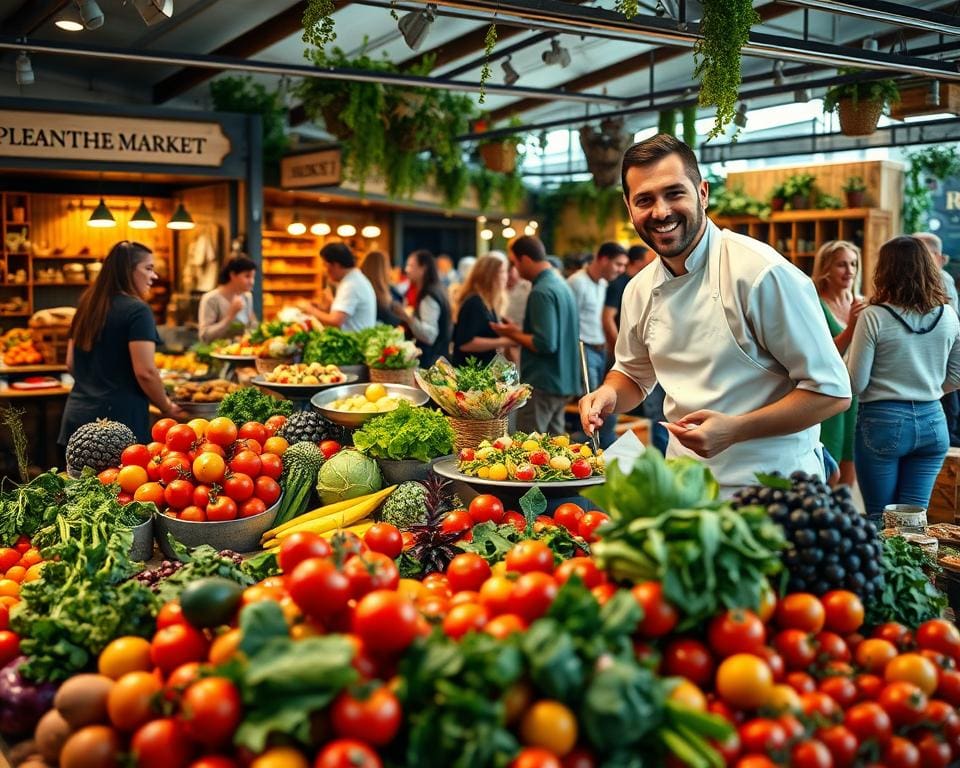
Across the UK and beyond, the rise of plant-based plates is no fleeting fad. Supermarkets such as Tesco, Sainsbury’s, Waitrose and Iceland have broadened their ranges, while high‑street names like Greggs and Pret a Manger have rolled out meat‑free options, signalling clear mainstream traction for the plant-based trend UK.
This piece asks a simple question: why are plant-based dishes gaining worldwide popularity? We examine shifting consumer values, health motivations, environmental drivers, and the surge in culinary innovation that makes plant-based dining both exciting and accessible.
Readers will find a balanced plant-based dishes review that mixes evidence and tasting notes. The article looks at market signals from Mintel, Statista and Kantar, highlights product and restaurant examples, and assesses how brands and chefs are shaping the rise of plant-based offerings.
Follow the upcoming sections for a concise tour: demand drivers; health and nutrition; sustainability; product innovation and availability; culinary mainstreaming; and consumer experience and buying behaviour. Along the way, practical guidance and real‑world examples — including a look at gourmet burger culture and casual bites — reveal how this movement is reshaping menus and shopping trolleys.
For an illustration of how plant-based options are being presented in restaurants and casual dining, see this feature on gourmet burgers and casual bites for every appetite from TopVivo: gourmet burgers and casual bites. The goal here is celebratory yet critical: to inspire readers while offering the clear information needed to choose well.
Why are plant-based dishes gaining worldwide popularity?
The rise of plant-based dishes reflects shifting values, health priorities and visible cultural change. Consumers choose alternatives for many interlinked reasons, from personal wellbeing to global stewardship. This section explores the main drivers behind the trend and how they shape menus, shops and conversations across the UK and beyond.
Shifts in consumer attitudes and values
Younger shoppers, particularly Millennials and Gen Z, favour purchases that match their sense of purpose. Surveys from YouGov and Mintel show many prioritize sustainability and ethics when buying food. A growing number of people identify as flexitarian and reduce meat without fully removing it, which changes demand across categories.
Plant-based dishes feel less niche now. Supermarket ranges, TV chefs and mainstream recipes normalise meat-free choices. Interest in Middle Eastern, Indian and East Asian cuisines adds variety and cultural acceptance for vegetable-led meals.
Health-conscious lifestyles driving demand
Many view plant-based meals as a route to better health. Whole-food, plant-rich diets are popular for weight management, gut health and long-term wellbeing. Public health messaging and NHS guidance that encourage more fruit and veg support this shift.
Athletes and wellness figures endorse plant-led eating for recovery and performance. That endorsement boosts trial and helps change consumer attitudes to vegan food from fringe to mainstream.
Environmental concerns and ethical considerations
Greater awareness of livestock agriculture’s role in greenhouse gas emissions, deforestation and biodiversity loss motivates choices at the trolley. Reports from the IPCC and the UN FAO have sharpened public focus on food system impacts, so many shoppers pick plant-based options to reduce their footprint.
Ethical motives also matter. Animal welfare campaigns by Compassion in World Farming and the RSPCA amplify concern and encourage shifts toward ethical veganism UK among committed consumers.
Influence of media, celebrities and social platforms
Documentaries on streaming services spark debate and inspire change. Celebrity chefs, actors and sports stars add social proof with visible endorsements. That celebrity vegan influence often prompts curiosity and product trials.
Social platforms such as Instagram, TikTok and YouTube accelerate plant-based social media trends through recipes, reviews and user-generated content. Micro-influencers and review culture make trial easy and amplify what works fast.
Health benefits and nutritional considerations of plant-based dishes
A growing body of evidence links diets rich in vegetables, fruit, whole grains and legumes with better long‑term health. Large cohort studies and meta-analyses published in The Lancet and BMJ show associations between plant‑rich patterns and lower risk of heart disease, improved blood pressure and healthier cholesterol levels. These plant-based health benefits are strongest when foods are minimally processed rather than ultra‑processed alternatives.
Prospective research such as EPIC‑Oxford and the Adventist Health Studies finds people who eat more whole plant foods tend to have lower body weight and reduced incidence of type 2 diabetes. Causation is complex, yet consistent trends suggest dietary shifts can support metabolic health and weight management when paired with an active lifestyle.
Evidence-based benefits: cardiovascular health, weight management and diabetes risk
Systematic reviews report lower cardiovascular mortality for those following Mediterranean or whole‑food plant‑based diets. Improvements in blood pressure and lipid profiles appear within months for many individuals who swap refined and fatty animal products for legumes, nuts and oily fish alternatives.
Longitudinal studies show sustained higher plant intake links to a lower chance of developing type 2 diabetes. The protective effect is greater when fibre, polyphenols and unsaturated fats replace saturated fat and refined carbohydrates.
Ensuring balanced nutrition: protein, B12, iron and omega-3s
Protein in vegan diets is achievable through varied portions of beans, lentils, tofu, tempeh, nuts and seeds. Practical examples include 100–150g tofu or 150g cooked lentils to contribute a substantial portion of daily needs. Combining diverse plant proteins across the day meets amino acid requirements for most people.
B12 supplementation is essential for strict vegans because reliable B12 is absent from unfortified plant foods. Fortified plant milks, breakfast cereals and yeast extracts help, yet many will choose a daily or weekly supplement to secure levels.
Non‑haem iron in plant foods has lower bioavailability. Pair pulses and greens with vitamin C sources like orange, bell pepper or kiwi to boost absorption. People at risk of deficiency should check blood tests and seek personalised advice.
Alpha‑linolenic acid (ALA) from flaxseed, chia and walnuts supports omega‑3 needs. Those seeking EPA and DHA can opt for algae‑derived supplements widely available in UK pharmacies and supermarkets.
Pay attention to calcium, iodine and vitamin D, especially during UK winter months when sunlight is limited. Fortified milks and cereals reduce gaps. Registered dietitians and NHS guidance offer tailored plans for nutrient coverage.
Practical tips for transitioning: meal planning and supplementation
- Start gradually: try Meat Free Monday or adopt flexitarian plates that centre grains, legumes and veg.
- Batch cook staples such as cooked lentils, roasted vegetables and wholegrains to make weekday meals simple.
- Read labels to limit excess salt, sugar and saturated fat in processed plant products.
- Use fortified foods and consider reputable supplements for B12 supplementation and algae DHA/EPA where needed; brands available in UK supermarkets include Holland & Barrett and Tesco ranges.
- Consult a registered dietitian or NHS resources for personalised plant-based nutrition UK guidance and tailored monitoring.
These plant-based diet tips help maintain nutrient balance while you explore new flavours and textures. Small, consistent changes deliver many of the plant-based health benefits identified in current research.
How sustainability and climate action are boosting popularity
Interest in a climate action diet is growing as people link food choices to planetary health. Clear comparisons between plant and animal products help the public understand trade‑offs. Life‑cycle analyses such as Poore & Nemecek (Nature, 2018) show that many plant proteins use far less land and water and emit fewer greenhouse gases than ruminant meat.
Comparative environmental footprint of plant-based vs animal-based foods
Legumes, pulses and cereals often have much lower emissions per 100g of protein than beef or lamb. Emissions from pork and poultry tend to sit between those extremes. Consumers who weigh environmental impact plant-based vs meat choose ingredients that cut footprints without sacrificing nutrition.
Practical examples make the message tangible. Swapping a beef dish for a lentil stew can reduce household emissions, save water and free up land for restoration. This is central to arguments for plant-based sustainability.
Food system resilience and resource efficiency
Plant-forward diets can produce more calories and protein per hectare, which supports food security when supply chains strain. Crop diversification and attention to soil health reduce reliance on single commodity systems. Regenerative agriculture and agroecological practices pair well with increased plant consumption.
Reducing food waste and using circular systems, such as anaerobic digestion for unavoidable waste, strengthens local supply chains. These measures boost food system resilience UK planners and farmers are beginning to prioritise.
Policy signals and institutional commitments in the UK and globally
Policy changes and institutional moves give the shift momentum. NHS and school meal pilot programmes have trialled more plant-based menus to meet sustainability aims. Local councils and universities have adopted plant options as part of carbon-reduction pledges.
Major companies such as Unilever and Nestlé are investing heavily in plant-based R&D, while UK supermarkets set sustainability targets that favour plant choices. International guidance, shaped by work like the EAT-Lancet report, nudges national dietary advice toward lower‑emissions patterns.
Small steps by consumers and institutions can add up. For ideas on how seasonality and culinary variety increase appeal, see plant-based meal inspiration, which highlights how texture, herbs and global recipes keep plant-forward eating exciting.
Product innovation, culinary creativity and market availability
Industry momentum has moved plant-based cuisine from niche to mainstream. Brands such as Beyond Meat, Impossible Foods, Quorn, Oatly and Alpro have pushed flavour and texture forward, while supermarket own-label ranges broaden choice for everyday shoppers. Growth is visible across chilled aisles, frozen sections and convenience lines.
Ingredient advances — pea protein, mycoprotein, soy and oat — have improved mouthfeel and cooking performance. Vegan meat alternatives now include burgers, sausages and mince that sear, crumble and brown more like animal meat. Parallel growth in plant-based ready meals gives busy households faster, tasty options without sacrificing texture.
Tiered quality and shopper guidance
Not all products sit in the same category. Some items are ultra-processed meat analogues designed for sensory parity. Others keep close to whole-food roots, such as jackfruit, seitan and tempeh, which suit different nutritional goals and culinary uses. Shoppers benefit from checking ingredient lists and choosing according to taste and health priorities.
Chefs and restaurants lifting standards
Leading UK chefs and restaurant groups have championed plant-led menus and dedicated venues, proving dishes can be aspirational. High-profile launches and collaborations have generated media attention and shown how chefs plant-based approaches can be creative, seasonal and flavour-driven.
Foodservice has matched that momentum. Pubs, casual-dining chains and delivery platforms like Deliveroo and Just Eat offer visible plant-based options that reach wider audiences. This distribution helps normalise plant dishes for regular meals.
Packaging, labelling and retail tactics
Supermarkets have adapted with prominent shelf placement and dedicated plant aisles that reduce search friction. Clear badges and certifications make choice easier at a glance, while supermarket plant-based labelling helps customers spot suitable items quickly.
Brands pair labelling with eco-friendly packaging and in-store promotions. Sampling, demonstrations, influencer partnerships and promotional pricing drive trial and build repeat purchase, supporting long-term category growth.
Consumer experience, taste trends and purchasing behaviour
Modern plant-based products have closed much of the sensory gap. Many lines from Tesco, Sainsbury’s and Impossible Foods now mimic meat textures, offer savoury umami depth and stand up well to grilling, frying or roasting. That progress has shifted consumer behaviour plant-based: trial rates rise when texture and cooking performance match expectations.
There are still hurdles. Price premiums, occasional off‑flavours and uneven restaurant execution deter some shoppers. Choosing the right product and using simple techniques — proper pre‑heating, seasoning and charring — often improves results. A clear plant-based product review that compares cooking tips and ingredient lists helps buyers avoid disappointment.
Taste trends vegan UK shoppers favour include global spices such as harissa, peri‑peri and miso, plus fermented and smoky notes that boost umami. Seasonal patterns shape buying habits plant-based: summer barbecues lift demand for burgers and sausages, while winter brings stews, pies and ready meals. These trends feed both curiosity and repeat purchase.
Shopper segments now range from committed vegans to flexitarians and health‑minded buyers, each with distinct expectations on price, nutrition and authenticity. Retail dynamics show trial is driven by promotions and sampling, while loyalty follows great taste, trusted labelling and perceived health benefits. For UK shoppers, compare price points, nutrition panels and cooking performance across budget, mid‑range and premium brands before committing. Trying a few well-reviewed products or a restaurant dish can transform perceptions and make plant-based eating an enjoyable, everyday choice.