
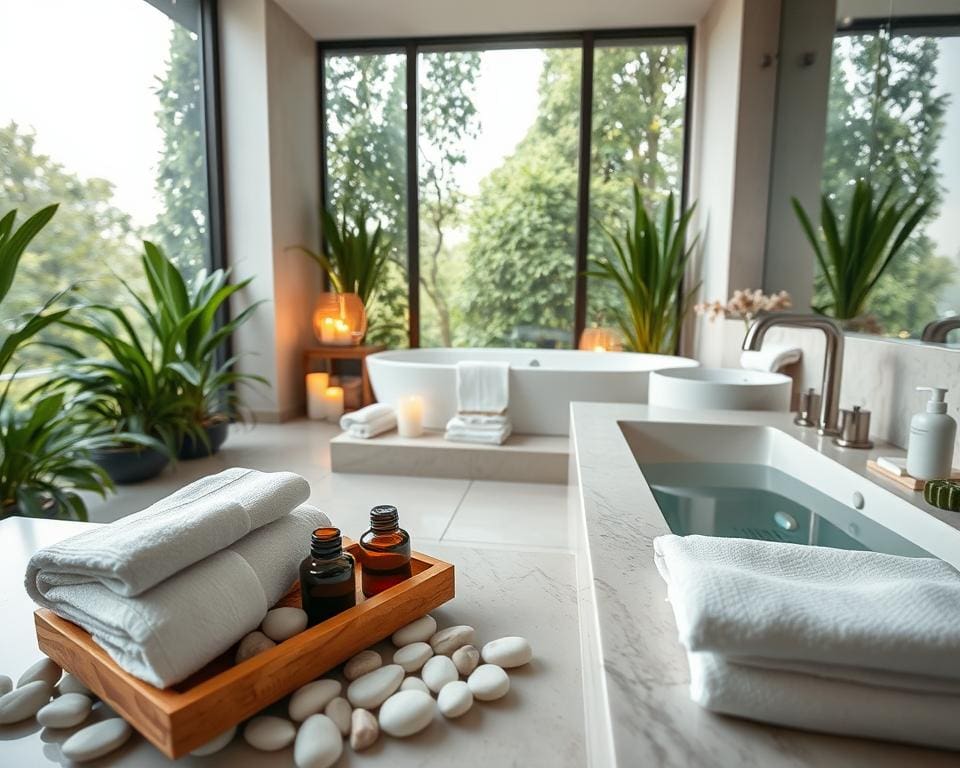
Across the United Kingdom, spa-inspired bathrooms have moved from niche luxury to mainstream aspiration. Rising searches for spa bathroom ideas and data from the Chartered Institute of Building and major retailers show increased spending on bathroom renovation ideas, while brands such as Villeroy & Boch, Hansgrohe and Grohe have expanded spa-style ranges to meet demand.
Several market drivers explain this shift. An ageing population seeks accessible luxury, some households enjoy higher disposable income, and prolonged periods at home have turned comfort into a priority. Estate agents and property reports also note that modern, high-spec bathrooms boost resale appeal, making investment in home wellness spaces a practical as well as emotional choice.
Culture and lifestyle play a role too. More people work from home and build daily self-care routines, so a bathroom sanctuary that supports stress reduction and simple wellness rituals fits modern life. Healthcare professionals and lifestyle commentators increasingly acknowledge the mental-health benefits of restorative domestic spaces.
This opening sets the scene for the rest of the article. Here, “spa-inspired” refers to calm, minimal design, natural materials and a sensory focus. Subsequent sections will examine psychological appeal, specific spa bathroom trends UK, design elements and practical steps to create your own bathroom sanctuary.
Why are spa-inspired bathrooms in demand?
Homeowners in the UK are rethinking bathrooms as more than practical rooms. A mindful layout, natural textures and simple rituals turn a wet room into a private retreat. This shift reflects the psychological benefits of spa bathrooms and growing interest in home wellness psychology.
Psychological appeal of wellness-focused spaces
Environmental psychology shows that well-designed spaces lower cortisol and support calm. Uncluttered layouts, neutral tones and tactile materials such as stone and timber send clear sensory signals that encourage relaxation.
Water features, gentle scent and soft textiles prompt ritual behaviour. Regular routines in a soothing setting reinforce restorative downtime and boost perceived control over daily stress.
Post-pandemic shift towards home-centric luxury
The COVID-19 pandemic changed spending patterns, with more funds directed to home improvements. Sales data from major retailers and renovation reports point to a surge in bathroom projects as homeowners pursued comfort and durability.
Many sought hotel and spa standards at home, a trend driven by travel limits and heightened hygiene awareness. These post-pandemic home upgrades often favour lasting materials and thoughtful layouts over short-term fashions.
Influence of social media and design trends
Platforms such as Instagram and Pinterest accelerate visual trends and make high-end looks feel achievable. Instagram bathroom trends and Pinterest bathroom inspiration UK supply endless images of freestanding baths, rainfall showers and plant accents that shape consumer tastes.
Retailers like John Lewis & Partners, B&Q and Neptune lean on curated shoots and influencer content to display room sets. Viral reels and step-by-step renovation clips normalise spa features and shorten the gap between inspiration and action.
Design elements that make spa-inspired bathrooms desirable
Careful choices in materials, light and fittings transform a bathroom into a calming retreat. The right palette and products create a sense of peace, while practical solutions keep the space functional for everyday life.
Natural materials and calming colour palettes
Stone, marble and travertine bring tactile warmth and an organic look that suits a spa mood. Timber-look porcelain and bamboo offer the same visual calm with better moisture resistance.
Soft neutrals, warm greys, muted greens, sand and slate form calming colour schemes bathroom designers use to echo the outdoors. These tones reduce visual noise and aid relaxation.
Choose low-maintenance alternatives such as porcelain tiles with natural-look finishes if upkeep is a concern. Seek sustainably sourced timber and recycled tiles to lower environmental impact. Denser materials also improve acoustics and hold warmth underfoot.
Lighting, ventilation and sensory design
Layered lighting sculpts mood. Combine ambient light with task fittings and subtle accent LEDs. Warm colour temperatures and dimmable controls make the room feel intimate at night.
Proper bathroom lighting and ventilation preserve finishes and stop mould growth. Mechanical extract fans and heat-recovery ventilation meet UK building regs and help control humidity in tighter homes.
Sensory design goes beyond sight. Underfloor heating gives a welcoming warmth. Rainfall showers and gentle water sounds soothe the senses. Simple additions such as essential-oil diffusers and discreet Bluetooth speakers round out the experience.
Fixtures and fittings that enhance the spa experience
Freestanding baths and walk-in wet rooms create a strong focal point. Oversized glass-enclosed showers with low thresholds add accessibility and a spa-like feel.
Look for thermostatic mixers, rainfall showerheads and steam options to elevate daily routines. Brands such as Hansgrohe, Grohe, Aqualisa and Mira offer quality spa bathroom fixtures that are familiar to UK homeowners.
Balance luxury with efficiency by choosing WRAS-approved fittings, low-flow showerheads and dual-flush toilets. Smart digital controls give temperature presets and reduce waste while maintaining indulgence.
Storage solutions and clutter-free layouts
Recessed shelving and mirrored cabinets keep surfaces clear and reflect light. Integrated vanities hide waste and laundry, preserving a minimalist look.
Plan circulation zones so storage is reachable at seated height. Tall cupboards for towels and goods remove clutter and support the calm aesthetic.
Use consistent materials and pared-back hardware to reduce visual busyness. Thoughtful bathroom storage ideas UK homeowners favour make tidying quick and maintain a serene surface language.
Practical considerations for creating a spa-like bathroom
Start by setting a realistic budget and defining the scope. For a simple refresh, expect lower costs for new finishes and fittings; mid-range refits often include retiling, new sanitaryware and modest plumbing work; high-end renovations can involve structural changes, steam units or freestanding baths. Typical UK trade surveys and industry guidance show wide ranges, so obtain several quotes and use accredited installers such as Gas Safe, NICEIC or TrustMark-registered tradespeople. Allow a contingency of 10–20% to cover hidden issues and the main cost drivers: plumbing reconfiguration, floor and wall finishes, specialist fixtures, and electrical or heating upgrades.
Plan for regulations and accessibility early in the design. Building regulations cover ventilation, electrical work under Part P, water supply and drainage (Parts G and H/B), and wet-room waterproofing standards such as BS 8215 and relevant EN specifications. Structural changes or extensions can trigger planning permission, so check with your local authority to protect resale value and insurance. Incorporate accessible features like level-access showers, lever taps, grab rails and walk-in baths to create an accessible spa bathroom that is both elegant and future-proof.
Choose sustainable bathroom upgrades and think about long-term maintenance. Fit low-flow showers, dual-flush toilets and energy-efficient boilers or heated towel rails to cut running costs and carbon. Prefer certified sustainable materials and responsibly made products to reduce environmental impact. Maintain the spa ambience with simple routines: seal natural stone and tile joints correctly, follow timber-look surface care, and service mechanical ventilation and underfloor heating regularly to preserve performance.
Finish with a clear implementation plan: make a moodboard, test samples in situ and consult a UK-based bathroom designer or interior architect to optimise layout and lighting. Source from reputable suppliers such as Victorian Plumbing, Plumbworld, Neptune or John Lewis & Partners and independent showrooms for specialist items. Prioritise sensory elements — lighting, heating and water delivery — while balancing bathroom planning and costs to achieve an authentic spa feel within budget and regulation.