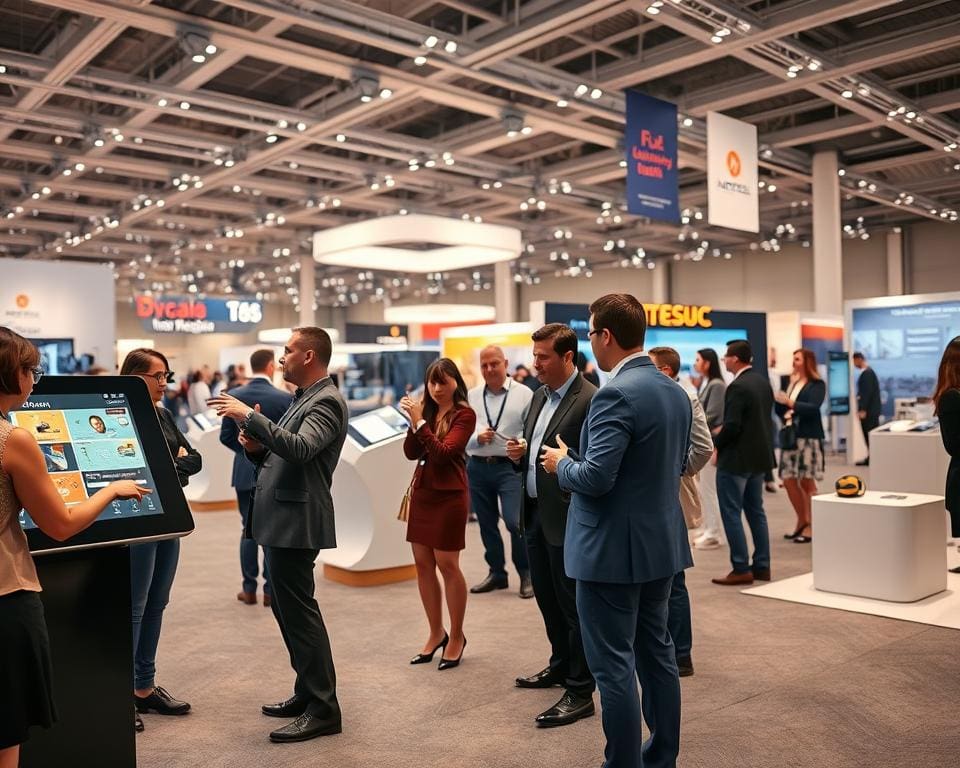
Interactive stands are increasingly becoming a crowd magnet at events, exhibitions, and trade shows. Their distinctive design, which emphasises engagement, captivates attendees, sparking curiosity and drawing them towards the exhibit. Research indicates that experiences engaging multiple senses leave an indelible mark, making these stands crucial for effective visitor engagement. Brands such as Samsung and Google exemplify how well-executed interactive stands can significantly enhance event attraction by leveraging technology and creativity. Understanding visitor psychology allows companies to foster genuine connections, creating memorable moments that encourage increased footfall.
The Power of Engagement in Interactive Stands
Engagement is a crucial aspect of interactive stands, significantly influenced by visitor psychology. Understanding what drives visitors can transform a mere encounter into a profound experience. When brands make an emotional connection, attendees are more likely to remember their message long after the event concludes.
Understanding Visitor Psychology
At the heart of successful engagement tactics lies a deep understanding of visitor psychology. People are naturally drawn to experiences that resonate with them on an emotional level. Interactive stands provide opportunities to connect with audiences as they involve them in dialogue, storytelling, and sensory experiences. This interaction fosters a sense of belonging and enhances the overall impact of the brand.
Creating Memorable Experiences
Memorable experiences are essential for cultivating a strong emotional connection with visitors. Brands that create engaging environments, perhaps by incorporating technology such as virtual reality, can transport attendees to new worlds. This level of interaction not only captures attention but also ensures high visitor satisfaction. As a result, visitors leave with lasting impressions that can evolve into brand loyalty and enthusiastic recommendations to others.
Why do interactive stands attract more visitors?
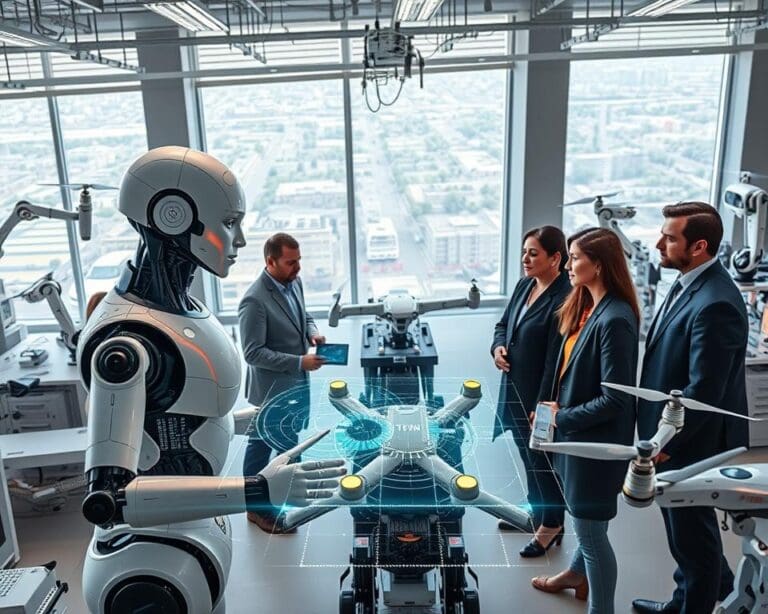
The integration of advanced technology significantly transforms how brands engage with their audiences. In particular, technology in marketing has evolved, leading to the rise of interactive displays that captivate visitors’ attention. This approach employs various forms of engagement technology, creating immersive experiences that enhance brand communication.
Utilising Technology to Create Impact
By incorporating elements such as augmented reality (AR) and virtual reality (VR), brands offer dynamic ways for visitors to interact with their products. Touchscreen displays facilitate direct involvement, allowing potential customers to explore features in an engaging manner. This digital interaction not only entertains individuals but also informs them, fostering a deeper understanding of the offerings.
Companies like Microsoft demonstrate the effectiveness of these strategies, utilising AR to present innovative showcases that leave lasting impressions. Visitors are drawn to these interactive experiences, generating buzz and increasing foot traffic. Such impactful utilisation of technology transforms traditional marketing paradigms, elevating brand awareness and creating memorable connections with audiences.
The Role of Visual Appeal and Design
Creating a compelling interactive stand not only relies on engaging elements but also heavily emphasises visual appeal and design principles. The aesthetic choices made can significantly enhance visitor connections and experiences. Understanding the impact of colour and the layout can transform a simple display into a captivating environment.
Colour and Aesthetics Matter
The psychology of colour plays a crucial role in a stand’s aesthetics. Different colours elicit various emotions and associations, influencing visitor behaviour. For example, blue often represents trust and calmness, positioning brands like IBM as symbols of security. Brands can leverage colour choices strategically to create a welcoming atmosphere that draws visitors in, ultimately promoting interaction and engagement.
Layout and Flow for Enhanced Visitor Movement
A well-planned stand layout is essential for optimal visitor flow. Effective design principles integrate interactive elements that guide visitors naturally, ensuring they explore all aspects of the stand. Companies that excel, such as Coca-Cola, demonstrate how to arrange their spaces to allow fluid movement while showcasing engaging features. This approach not only maximises engagement but also cultivates a memorable experience that resonates with attendees.
Interactive Elements that Captivate
In today’s competitive landscape, the integration of interactive elements is essential for creating an engaging and memorable experience at events. By incorporating features such as gamification and hands-on activities, brands can significantly boost visitor engagement while providing a unique platform for product interaction.
Gamification as a Tool for Engagement
Gamification introduces game mechanics into non-game contexts, fostering a sense of competition and excitement among visitors. Brands like Nike have effectively employed this approach to transform mundane activities into fun challenges, encouraging participants to engage actively with their offerings. This method not only entertains but also educates attendees about products in a dynamic way.
Live Demonstrations and Hands-On Activities
Live demonstrations serve as a powerful tool for showcasing products in real-time. By offering hands-on activities, brands allow visitors to interact directly with their products, enhancing understanding and appreciation. The tactile experience of engaging with a product makes the interaction unforgettable, leading to a stronger connection and brand recall. Renowned companies frequently utilise this strategy to highlight their innovative solutions while captivating their audience’s attention.
Case Studies: Successful Interactive Stands
Examining case studies of successful event stands reveals key strategies that draw visitors and elevate brand engagement. For instance, Adobe’s creative cloud setups and interactive workshops have proven effective, consistently generating significant foot traffic. By allowing attendees to engage hands-on with their tools, Adobe has created an environment where learning becomes exciting, transforming passive observers into active participants.
Similarly, Intel’s showcases of their cutting-edge technology engage visitors through dynamic presentations and interactive displays. These experiences have resulted in memorable moments, enhancing audience interaction and ensuring that attendees leave with a deeper understanding of the brand. Such interactive success stories underscore the power of creativity and technological integration in designing effective event stands.
These inspiring examples illustrate how successful event stands can utilise creativity and audience interaction to maximise their presence at events. By analysing these case studies, brands can glean valuable insights and apply these lessons to their own strategies, ultimately enhancing their engagement efforts and making a lasting impact at future events.