
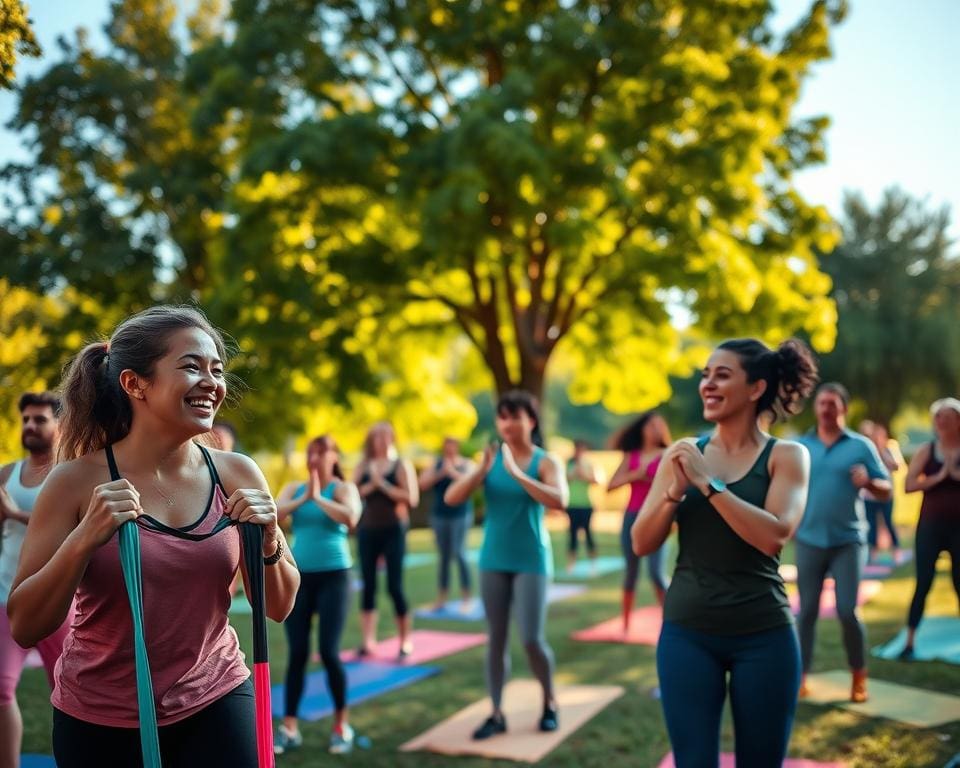
In recent years, there has been a noticeable trend where individuals increasingly look to combine fitness with social activities. It is evident that partaking in exercise within a social context can markedly boost one’s exercise motivation, enhancing not only performance but also the enjoyment associated with fitness endeavours. Numerous studies highlight that engaging with others during workouts fosters dedication to fitness routines, resulting in improved outcomes for mental health and physical well-being. Social interaction during exercise not only cultivates a supportive environment but also encourages individuals to commit to their fitness goals, making the pursuit of health a much more community-driven experience.
Understanding the Relationship Between Fitness and Social Connections
Fitness and social connections intertwine in profound ways, creating environments that nurture both physical health and emotional well-being. The power of social interaction cannot be underestimated when it comes to achieving fitness motivation. Those who engage in group workouts often find themselves more committed and inspired to push their limits.
The Impact of Socialisation on Exercise Motivation
Socialisation plays a crucial role in how individuals approach their fitness journeys. Participating in group workouts fosters a sense of accountability that often leads to increased attendance at fitness sessions. Regular interactions with like-minded individuals enhance the overall exercise experience, turning workouts into enjoyable social events. The motivation derived from shared experiences can significantly elevate performance levels, proving the value of community building in fitness pursuits.
Building Community through Shared Fitness Goals
Community building is evident in fitness environments where shared goals unite participants. Activities such as those offered by brands like CrossFit and local running clubs create bonds between individuals, promoting mutual encouragement and support. Such connections not only enhance the enjoyment of workouts but also contribute to long-term fitness motivation. Individuals feel a part of something larger than themselves, which can be a powerful catalyst in maintaining a healthy lifestyle.
Why do people combine fitness with social activities?
Many individuals find that fitness and social activities go hand in hand, primarily due to the powerful influence of group dynamics. The energy generated within exercise groups transforms the experience, elevating both engagement and motivation. Participants draw strength from one another, creating an environment where teamwork in fitness takes centre stage.
The Role of Group Dynamics in Physical Activities
Group dynamics play a crucial role in shaping the experiences of those involved in physical activities. When individuals come together in exercise groups, they establish a sense of social cohesion that enhances overall enjoyment and commitment. The presence of like-minded individuals fosters a supportive atmosphere where challenges become easier to overcome.
With shared goals and mutual encouragement, teamwork in fitness can accelerate progress in ways that exercising alone may not achieve. This collaborative spirit cultivates a sense of belonging and motivates individuals to push past their limits.
Furthermore, the presence of peers not only heightens individual performance but also enriches the collective experience. As members witness each other’s triumphs, a reinforcing cycle of motivation develops, encouraging continual participation in fitness activities. Ultimately, the dynamic created within these groups embodies the essence of fitness intertwined with socialisation, leading to lasting bonds and improved well-being.
The Psychological Benefits of Exercising with Others
Engaging in fitness activities within a group context can lead to profound psychological advantages. Exercising alongside others not only enhances physical capabilities but significantly contributes to mental well-being. The collective nature of group workouts fosters a supportive environment where individuals can experience a sense of belonging, leading to greater emotional resilience.
Enhancing Mental well-being through Social Interaction
Social interaction during fitness routines acts as a catalyst for improved mental health. Participating in exercises with peers releases endorphins, which play a crucial role in elevating mood and encouraging feelings of happiness. As people connect over shared fitness goals, they cultivate friendships that can provide emotional support outside the gym. The social exercise benefits reinforce the importance of healthy interactions, empowering individuals to thrive both physically and mentally.
Reducing Stress and Anxiety through Group Workouts
Group workouts serve as an effective outlet for stress reduction and anxiety relief. The camaraderie experienced in shared fitness settings allows participants to momentarily escape their daily pressures. The environment created by working out with others contributes to lessened feelings of isolation, resulting in reduced stress-related behaviours. Regular rehearsal in such groups promotes a habit of exercise that can lead to ongoing improvements in mental well-being, establishing a community dedicated to health and emotional stability.
Popular Fitness Activities that Incorporate Social Elements
Engaging in fitness activities that combine social interaction can transform the exercise experience into something more enjoyable and fulfilling. By participating in group classes, team sports, and outdoor fitness events, individuals can create connections and gain motivation from those around them. These activities encourage a vibrant community spirit while enhancing physical well-being.
Group Classes and Team Sports
Group classes like Zumba, Pilates, or spinning offer a dynamic environment where participants can find motivation in the company of others. The energy and enthusiasm generated within these settings often lead to increased commitment and enjoyment. Team sports, such as football, rugby, and netball, amplify this sense of belonging and foster camaraderie among players. While competing together, individuals cultivate friendships that extend beyond the game.
Outdoor Fitness Events and Their Appeal
Outdoor fitness events, such as charity runs, community boot camps, and obstacle courses, attract a diverse crowd seeking both physical challenges and social opportunities. These social fitness events offer a unique atmosphere, where individuals unite for common goals, supporting each other along the way. The fresh air and natural surroundings enhance the overall experience, making workouts feel less like chores and more like engaging adventures.
How to Effectively Integrate Fitness and Socialising in Your Life
Integrating fitness with socialising can transform your exercise routine into a fun and engaging experience. Consider joining a local running club or a dance class where the atmosphere encourages interaction and camaraderie. Such environments not only fuel motivation but also foster friendships that enrich your fitness journey.
Another effective strategy is to organise workout meet-ups with friends or family members. By setting regular schedules to exercise together, you create a supportive network that keeps everyone accountable while promoting a sense of belonging. Selecting activities that everyone enjoys can make workouts feel less like a chore and more like a social event.
In addition, the rise of fitness apps has made it easier than ever to connect with like-minded individuals. These platforms allow users to find workout partners or join virtual classes, enhancing the social aspect of exercising. By prioritising socialising within your fitness regime, you not only improve your chances of sticking with it but also create a more enjoyable and fulfilling experience.