
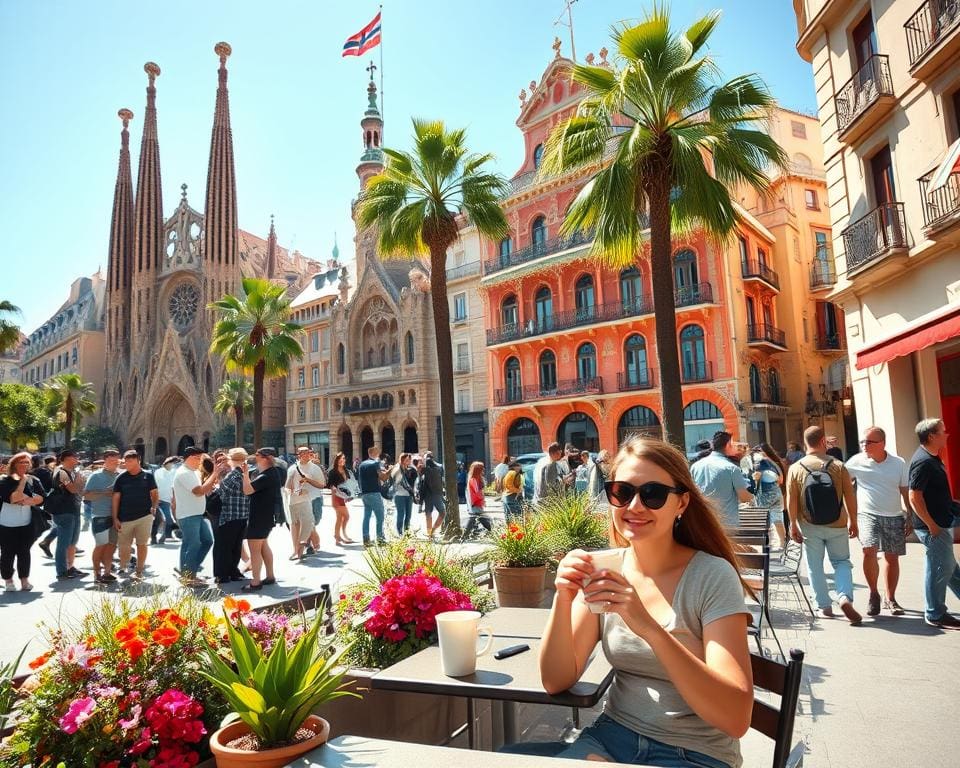
Barcelona blends bold architecture, sunlit beaches and lively neighbourhoods into a compact, easy-to-explore package. For a Barcelona city break from the UK, you get culture, cuisine and coastal calm within a few days, making it ideal for a short pause from work or daily life.
The city’s mix of Gaudí landmarks, the Gothic Quarter and vibrant markets like La Boqueria means there is always something memorable to see between meals and museum visits. That variety gives a Barcelona short break the feel of a mini cultural festival, even on a two-night stay.
Practicality matters for a weekend away. Direct flights from Heathrow, Gatwick and regional airports, plus an efficient metro and tram network, make a Barcelona getaway from UK straightforward and time-efficient. Later sections explain the best times to travel, where to stay and how to pack the highlights into 48–96 hours.
Why is Barcelona perfect for a city break?
Barcelona packs a rich mix of sun, design and lively streets into a compact city that is easy to explore in a short stay. The blend of Gaudí landmarks, sandy beaches and bustling food markets means visitors can sample culture, coast and cuisine without long transfers. This makes Barcelona a top pick for anyone weighing Barcelona short-break advantages against longer, more complex itineraries.
Overview of what makes Barcelona an ideal short-break destination
The city offers intense variety in a small area. You can visit Sagrada Família, stroll El Born and end the day on Barceloneta beach. A compact layout and reliable public transport let travellers fit many highlights into a weekend in Barcelona. The distinct Catalan character gives a different tone to museums, markets and cafés than you find in other European capitals.
Typical trip lengths and best times to visit from the UK
Most UK travellers choose 2–4 nights. A 48-hour break will cover a major landmark and a neighbourhood walk. Stay 3–4 nights to include Gaudí sites, a museum and a relaxed afternoon by the sea.
Direct flights from London, Manchester, Edinburgh and other hubs take about two to two-and-a-half hours. Quick transfers by Aerobus, the R2 train or taxi mean you spend less time in transit. For quieter streets and milder weather, the best time to visit Barcelona from UK is April to June or September to October. Summers offer festivals and long days, while winter brings lower prices and gentler crowds.
How Barcelona compares to other European city-break options
Compared with Paris, Rome or Berlin, Barcelona combines beach life with city culture in one package. Flight times from the UK are short, which boosts weekend suitability. The Mediterranean food scene and outdoor social life set Barcelona apart from northern European city breaks.
- Easy access: many low-cost and full-service carriers serve El Prat.
- Varied experiences: architecture, markets and seaside within walking distance.
- Flexible budgets: options range from boutique hotels to budget hostels.
For UK short-breakers seeking sun, design and good food in close quarters, the balance of climate, convenience and cultural depth makes Barcelona a persuasive alternative in the Barcelona vs other city breaks debate.
Iconic architecture and design that captivates visitors
Barcelona’s skyline and streets offer a compact tour of art and history. Visitors can move from bold modernist façades to shadowed medieval lanes within minutes. This variety makes the city ideal for short stays that still feel richly immersive.
Gaudí masterpieces
Antoni Gaudí left a legacy that defines the city. To see his work at its best, plan a Sagrada Família visit early in the morning or late afternoon. Booking Sagrada Família tickets in advance secures timed access to the nave and towers, avoiding long queues and tight coach windows.
Park Güell rewards early arrivals with softer light and fewer crowds. Check Park Güell opening times before you travel and reserve your timed-entry slot online. A stroll through the monumental zone reveals the mosaics and panoramic views that feature in so many travel photographs.
Casa Batlló sits on Passeig de Gràcia and invites exploration after dusk when the façade becomes dramatic. A Casa Batlló visit with rooftop access provides memorable perspectives on Gaudí’s playful forms and the city below.
Modernist grid and narrow medieval lanes
The Eixample district shows wide avenues and striking modernist buildings. Streets here are organised, bright and ideal for architectural study. Contrast that with the Gothic Quarter Barcelona, where narrow alleys, hidden squares and the Barcelona Cathedral create intimate photo scenes.
El Born sits close by and offers cobbled streets, artisanal shops and Santa Maria del Mar. Photographers and curious walkers will enjoy the shift from grand boulevards to tucked-away corners in the same short walk.
Practical tips for visiting major sites
- Buy official tickets from attraction websites to get timed slots and fewer delays.
- Choose early-morning slots for Sagrada Família and Park Güell to beat coach arrivals and crowds.
- Consider combined passes or guided tours to speed entry and enrich context with expert commentary.
- Wear comfortable shoes for cobbles and slopes in Park Güell; check accessibility if you plan tower visits.
Architecture is a powerful selling point for Barcelona. Its concentration of photogenic highlights means you can see major works from Gaudí Barcelona and explore the Gothic Quarter Barcelona in a short visit without feeling rushed.
Vibrant food scene and local Catalan cuisine
Barcelona’s food culture sparks the imagination. From lively tapas bars to elegant restaurants, the Barcelona food scene mixes tradition and innovation. Short visits can focus on a few memorable meals that show the best of Catalan cuisine.
Must-try plates
- Tapas such as patatas bravas, bombas and anchovies let you taste many flavours in one sitting; these are often cited among the best tapas Barcelona has to offer.
- Paella and fideuà are seaside staples. Seafood versions shine in Barceloneta at beachfront restaurants.
- Crema Catalana is a creamy, caramelised dessert to seek out in cafés across the city.
- Local dishes like escalivada, botifarra and suquet de peix add depth to any food itinerary.
Where to eat
El Born draws food lovers with contemporary Catalan restaurants and stylish wine bars that suit evening strolls. Barceloneta pairs beach time with fresh seafood and paella specialists. Poble Sec is a pintxos hotspot along Carrer de Blai, ideal for bar-hopping and casual dining. Eixample offers everything from luxury tasting menus to traditional bodegas.
Markets and hands-on experiences
La Boqueria market is a must for morning visits, full of fresh produce, seafood stalls and bustling tapas counters. Sant Antoni market attracts locals with produce and weekend markets. Book a cooking class to learn paella technique or join Barcelona food tours that explain ingredients and customs while sampling plates.
Practical tips
- Expect later mealtimes: lunch is often 13:30–15:30 and dinner from 20:30. Many tourist venues open earlier, but local rhythm favours late dining.
- Reserve ahead for high-demand restaurants and weekend evenings to avoid disappointment.
- Consider a half-day trip to Penedès for wine and cava tasting to complement the city’s flavours.
The Barcelona food scene is a compelling reason to visit. With accessible Catalan cuisine, varied neighbourhoods and immersive La Boqueria market stops, even a short trip can be rich in taste and memory.
Compact layout and excellent public transport for easy exploration
Barcelona rewards short stays with a tight city grid and an efficient network that makes exploration simple. Travellers from the UK find that Barcelona transport lets them cover major sights without wasting time. Pick the right pass and you can move smoothly between Gaudí sites, markets and beaches.
Metro, buses and trams: getting around efficiently
The Barcelona metro is fast and frequent, reaching most tourist quarters. Use single tickets, a T-casual pass or a Hola Barcelona travel card for unlimited short-term rides. Night buses, known as NitBus, run when the metro is closed and link central areas with late-night options.
Buses and trams complement the metro with routes to Montjuïc, the seafront and outer neighbourhoods. For airport transfers, Aerobus is a direct choice, while the R2 Nord suburban train serves Estació de Sants and Passeig de Gràcia. Taxis and ride-hailing apps are easy to use for door-to-door trips.
Walkable neighbourhoods and scenic strolling routes
Central districts such as the Barri Gòtic, El Born and Eixample are compact and best seen on foot. Streets around Passeig de Gràcia offer architecture and shopping in a pleasant stretch. La Rambla and the adjacent lanes provide a lively pulse that rewards aimless wandering.
For panoramic views, walk up Montjuïc or visit the Carmel bunkers for sunset. The Passeig Marítim gives a flat, scenic route along the sea. Small, regular walks between sites often reveal cafés, galleries and squares that larger routes miss.
Day trips and short excursions accessible by train
Day trips from Barcelona by train are a highlight for short-break itineraries. Sitges lies 30–40 minutes away for beaches and a lively cultural scene. Montserrat is reachable in about an hour, combining train with a cable car or cremallera for dramatic scenery.
High-speed and regional trains link to Girona and Figueres in under 90 minutes, ideal for medieval streets and the Dalí Theatre-Museum. The Penedès wine region is also within easy reach by regional services for cava tasting and vineyard visits.
- Tip: buy a Hola Barcelona card for multiple journeys within the city.
- Tip: check zone rules when using suburban trains for longer day trips.
- Tip: use TMB apps or Google Maps for live schedules when getting around Barcelona.
Beaches, promenades and outdoor living
Barcelona pairs urban energy with sea breezes. Its seaside life invites morning runs, relaxed lunches and long evening strolls. The mix of sand, promenade and parks makes it easy to weave outdoor time into any short break.
Overview of city beaches and seaside activities
Barceloneta beach sits at the heart of the city coast and is perfect for people-watching, sunbathing and water sports such as kayaking and paddleboarding. Lifeguards patrol during the busy months, which helps families feel secure.
For quieter sands, head to Bogatell or Mar Bella where locals jog and play volleyball. Diagonal Mar and Ocata lie further out and offer more space for children and picnics. The seafront promenade links Port Olímpic with Poblenou, making cycling and rollerblading effortless.
Best spots for sunrise, sunset and relaxed seaside dining
Early mornings by the Passeig Marítim or along Barceloneta provide soft light and calm water, ideal for photographers and runners. To catch panoramic colour over the city and sea, the Bunkers del Carmel, Montjuïc and Tibidabo rank among the best sunset spots Barcelona has to offer.
Seaside dining Barcelona centres on fresh seafood and rice dishes. Restaurants in Barceloneta and Port Vell serve catch-of-the-day fish and paella. Book ahead for a table with a view if you want to dine as the sky changes.
How to combine cultural visits with time outdoors
Start a day with Gaudí’s Sagrada Família or a walk along Passeig de Gràcia, then visit La Boqueria for a market lunch. An afternoon on the sand makes a balanced itinerary that keeps energy up and stress down.
Montjuïc is an excellent choice when you want galleries and gardens in one place. The Museu Nacional d’Art de Catalunya sits beside terraces and open spaces, reachable by cable car for dramatic city vistas.
- Mix a morning museum visit with a beach afternoon for variety.
- Use the promenade to travel between neighbourhoods without taxis.
- Reserve seaside dining Barcelona spots in summer to secure views.
Culture, festivals and year-round events
Barcelona hums with cultural energy through the year. Streets, squares and venues host events that suit brief city breaks and longer stays. Planning around festivals and museum openings can turn a short visit into a vivid local experience.
Annual highlights
Late September brings La Mercè Barcelona, a lively celebration of Catalan traditions. Expect parades, castellers and free concerts across the city. The fireworks and public performances create an immersive atmosphere that draws visitors of all ages.
Sant Jordi Barcelona on 23 April fills the streets with bookstalls and roses. Couples and culture lovers enjoy a romantic, book-and-rose tradition unique to Catalonia. Time your trip to witness this charming, literary festival.
Summer music events round out the cultural calendar. Primavera Sound and Cruïlla attract international acts and varied line-ups. These festivals add a contemporary music pulse to Barcelona’s long-standing cultural scene.
Gallery and museum options
Art lovers will want to check Picasso Museum opening times before visiting. The museum in El Born houses an extensive collection of Picasso’s early work and can get busy, so booking ahead helps.
MNAC on Montjuïc presents Catalan art and Romanesque murals with panoramic views from its steps. Fundació Joan Miró and CaixaForum supply rotating exhibitions that complement the city’s major collections.
MACBA exhibitions in the Raval focus on contemporary art and youth culture. The museum’s dynamic programme makes it a good stop for those seeking modern artistic perspectives.
Live music, theatre and nightlife
Live music ranges from intimate jazz bars to grand concert halls like Palau de la Música Catalana and L’Auditori. Flamenco tablaos and smaller venues offer authentic evenings that suit diverse tastes.
Theatre options include Catalan and Spanish productions at established houses such as Teatre Lliure. Guided visits and concerts at modernist venues provide cultural context and memorable performances.
Late-night life thrives in El Raval, El Born and Eixample. Cocktail bars, clubs and informal music spots keep the city lively after dark, giving visitors a true sense of Barcelona’s nocturnal rhythm.
Accommodation options for every budget and style
Barcelona offers a wide range of places to stay, from grand five-star properties to small independent pads. Choose a base that suits your plan and pace to make the most of a short break.
For a special treat, consider Hotel Arts Barcelona by the Olympic Port or the Mandarin Oriental on Passeig de Gràcia. These Barcelona hotels boast rooftop terraces, spas and excellent dining that suit romantic or leisure trips. Independent options in El Born and Gràcia focus on curated interiors and local character for travellers seeking boutique hotels Barcelona with personality.
Mid-range choices with great locations
Eixample is ideal for visitors keen on architecture and shopping. It links easily to public transport and sits near many attractions. El Born places you among narrow streets, galleries and nightlife while offering strong boutique choices.
Budget stays and neighbourhoods that give value
Poble Sec and Sant Antoni are known for good restaurants and more affordable rooms. Hostels and aparthotels across the city provide sensible options for families and groups. Budget stays Barcelona can still feel local and well placed for exploring on foot.
Where to base yourself
- Choose El Born or the Gothic Quarter for heritage and evening energy.
- Pick Eixample for shopping, architecture and central transit links.
- Stay by Barceloneta for beach access, keeping in mind summer demand.
Practical tips
- Book central Barcelona hotels for short breaks to reduce travel time.
- Consider proximity to Passeig de Gràcia, Plaça Catalunya or Sants station if arrival and departures matter.
- Reserve early for shoulder and high seasons to secure the best value.
With thoughtful choices among the best neighbourhoods Barcelona, travellers can find a perfect match—whether they prioritise design, nightlife, beach time or tight budgets. The city’s variety makes it straightforward to plan a stay that fits style and spend.
Practical planning tips for UK travellers
For UK readers planning a short break, check passport validity and the latest government travel advice before you travel to Barcelona. That simple step saves stress at the airport and ensures you meet entry requirements and any health guidance for travel to Barcelona from UK hubs.
Book direct flights early to find better fares on both budget carriers and full-service airlines. Factor transfer time into your Barcelona short break planning: options from El Prat include the Aerobus, the R2 train, taxis and pre-booked transfers. Choose flight times that give you maximum daylight on arrival and departure days.
Spain uses the euro, so notify your bank about travel dates to avoid card blocks and check card fees. Contactless and cards are widely accepted, but hold some cash for markets and small vendors. For on-the-ground help, download TMB and Google Maps and consider a local SIM or roaming plan for easy navigation and translation.
Prioritise must-see sites and book timed tickets in advance for Sagrada Família, Park Güell and the Picasso Museum to avoid queues. Mix architecture, a market visit and beach time to keep days varied. Keep valuables secure in busy spots like La Rambla and markets, carry travel insurance, and remember the EU emergency number 112 for peace of mind.