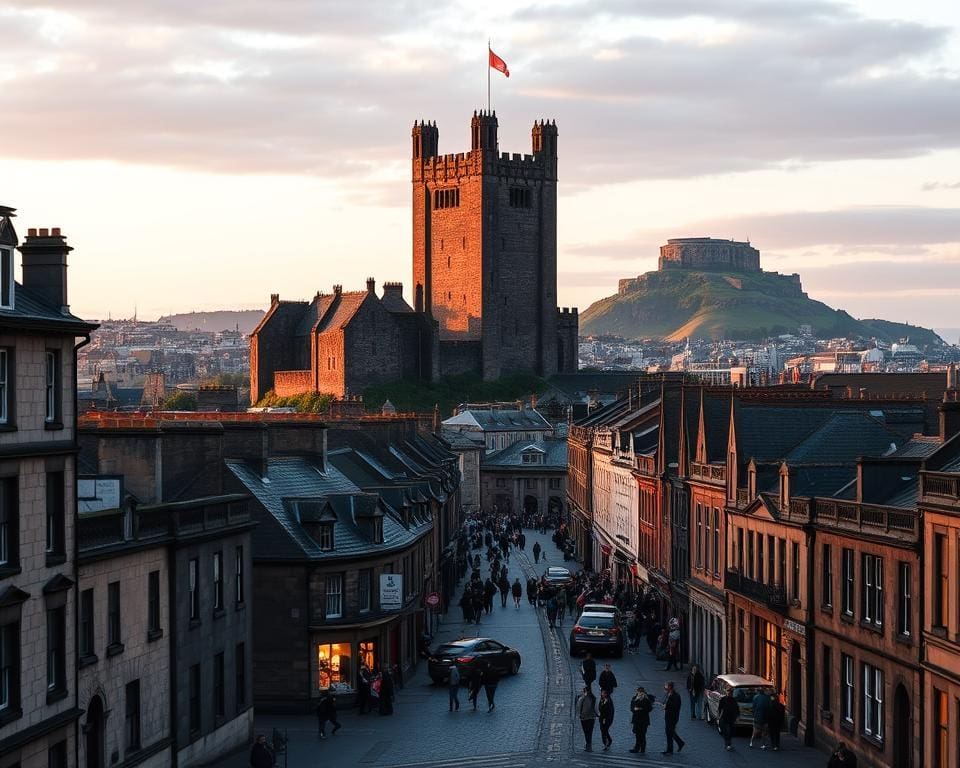
Edinburgh beckons as a compact, compelling classroom for anyone who studies the past. As Scotland’s capital, it weaves medieval closes, Georgian crescents and modern museums into a single cityscape. This concentration of preserved fabric makes it easy to visit Edinburgh historical sites in just a few days and still feel you’ve covered centuries of change.
For history enthusiasts, the appeal is both broad and specific. UNESCO-listed Old and New Towns give a clear contrast of Edinburgh history: the Old Town’s narrow lanes and hilltop castle speak of medieval defence and civic life, while the New Town’s elegant grid shows Enlightenment planning at its best. Together they form a living exhibit that reviewers and visitors often rate alongside any curated museum collection.
The city also scores highly on practical features. Edinburgh Airport and direct rail links to London and Glasgow mean easy access, while an active festival calendar—anchored by the Edinburgh Festival Fringe—adds seasonal layers of culture and interpretation. Add world-class institutions and frequent guided tours, and you have an experience where visiting feels both effortless and richly informative.
In the sections that follow I’ll take a product-review approach: highlighting features, explaining benefits and describing the visitor experience. If you’re planning to visit Edinburgh for history enthusiasts, this guide will help you weigh the best sites, tours and practical tips so your trip feels like a carefully chosen historical immersion rather than a hurried checklist.
Why is Edinburgh ideal for history lovers?
Edinburgh offers a vivid cityscape where past and present meet on every street. Visitors encounter a compact historic core that makes walking between eras effortless. The blend of grand monuments and tucked-away lanes gives the city its distinctive Edinburgh historical appeal.
Overview of Edinburgh’s historical appeal
The Old Town and the Georgian New Town sit close together, creating contrasts that delight history lovers. The Old Town UNESCO designation recognises the medieval street patterns and the richness of surviving buildings. The Georgian New Town shows planned streets, elegant squares and neoclassical façades that speak to the Enlightenment and urban ambition.
Literary names such as Robert Burns and Sir Walter Scott share space with Enlightenment figures like David Hume and Adam Smith. Museums, plaques and small galleries keep these stories alive for visitors seeking depth beyond the main sights.
How the city’s layout preserves centuries of history
Medieval closes and wynds still descend from the Royal Mile, with many structures dating from the 16th to 19th centuries. Layers of building sit atop one another, so a single street can reveal successive phases of urban life. Conservation work by the City of Edinburgh Council and Historic Environment Scotland protects both façades and interiors.
Below ground, vaults and hidden spaces such as those under the historic streets offer a different view of the past. The contrast with the geometric Georgian New Town underlines how topography and planning shaped the city. Castle Rock and Arthur’s Seat anchor narratives that reach back to prehistoric times.
What history lovers can expect from a visit
Expect a dense itinerary of major sites and smaller discoveries. Key attractions like Edinburgh Castle and the Palace of Holyroodhouse sit near quiet museums such as the Museum of Edinburgh and the Writers’ Museum. Many national museums are free, while some attractions set admission fees and timed entries.
Historical walking routes thread the city, from guided themed tours to self-led trails that reveal military, literary and civic stories. Visitors can choose reflective museum visits or atmospheric activities such as reenactments and ghost walks. Peak months bring crowds, so booking popular tours and timed tickets in advance is wise.
Iconic historic sites to explore in Edinburgh
Edinburgh brims with landmarks that invite close study and quiet wonder. From towering battlements to intimate closes, the city offers a compact sweep of history that rewards slow exploration and curiosity.
Edinburgh Castle: fortress, museum and royal story
Perched on Castle Rock, Edinburgh Castle crowns the skyline and tells a long, layered tale of conflict and ceremony. Visitors can view the Honours of Scotland and St Margaret’s Chapel while learning about sieges and garrison life through interpretive displays.
Audio guides and guided walks enrich the experience by explaining military rituals and royal connections. Timed entry helps manage crowds; early morning or late afternoon visits reward with sweeping views over Princes Street and the Old Town.
The Royal Mile: medieval spine of the Old Town
The Royal Mile links the castle to Holyrood and acts as the city’s medieval spine. Short strolls reveal closes, historic plaques and atmospheric shopfronts that bring everyday pasts into the present.
Along the way, St Giles’ Cathedral and the Real Mary King’s Close sit beside specialist bookshops and museums. Those keen on Royal Mile attractions should set aside time for side closes and short museum stops for fuller context.
Holyrood Palace and the story of Scotland’s monarchs
The Palace of Holyroodhouse serves as the monarch’s official Scottish residence and a stage for political drama. State apartments and the ruins of Holyrood Abbey place visitors close to episodes from Mary, Queen of Scots to modern ceremonial life.
Guided Holyrood Palace tours clarify royal routines and the palace’s role in national identity. Combine a palace visit with a walk in Holyrood Park for a blend of royal history and natural heritage.
National Museum of Scotland: artefacts that bring the past to life
The National Museum of Scotland gathers archaeological finds, scientific instruments and world cultures under one roof. Its displays connect local stories to broader themes in social and natural history.
Permanent galleries are usually free, while special exhibitions may require tickets. Families find interactive exhibits and clear interpretation that make the museum’s many National Museum of Scotland exhibits both enjoyable and informative.
Atmosphere and authenticity in Edinburgh’s streets
The first sight of a stone façade or a narrow cobbled close brings the Old Town atmosphere to life. Walks along historic streets Edinburgh reveal vintage shopfronts, carved doorways and old signage that set a scene both theatrical and sincere.
Sound and smell add a living dimension. Church bells, the distant drone of a piper and the scent of baking from neighbourhood bakeries create layers of sensory detail. These touches give the city its historic ambience and make moments feel immediate.
Edinburgh authenticity comes from everyday life carried out within ancient walls. Residents use these buildings for modern living, shops trade from aged premises and cafés occupy vaulted cellars. This continuity keeps the past present rather than boxed in a museum.
Conservation and careful new design work in tandem to protect views of Castle Rock and the Old Town skyline. Adaptive reuse means hotels, restaurants and galleries retain cornices, stairwells and stonework while meeting contemporary needs. The result preserves the historic ambience without freezing the city in time.
For the most evocative photography, aim for early morning light on the Royal Mile and dusk for silhouettes around Castle Rock. Off-peak months and slow walking invite quieter moments; take alleyways and small museums to find scenes of true Edinburgh authenticity away from the main routes.
Simple habits enhance the experience. Pause in a doorway, listen for bells, step into an independent bookshop and savour the contrast between festival bustle and a misty November morning. Those minutes stitch together the full tapestry of Edinburgh atmosphere visitors treasure.
Living history experiences and guided tours
Edinburgh invites visitors to step into the past through a rich mix of guided experiences. Choose a short walk that uncovers a city secret or spend an evening with storytellers who blend fact and folklore. Pick an option that matches your interests and mobility needs to make the most of what the city offers.
Walking tours that reveal hidden historical layers
Edinburgh walking tours range from free community-led strolls to specialist guided walks and audio apps. Many focus on architecture, social history, archaeology and the narrow closes that reveal everyday life in past centuries. Look for Historic Environment Scotland events, local Blue Badge guides and independent specialists who run themed routes such as Enlightenment Edinburgh or medieval urban life.
Quality tours tend to have small groups, evidence-based narration and chances to see tucked-away spaces like vaults and historic courtyards. These features help visitors understand the city beyond postcards and landmarks.
Reenactments, festivals and immersive events
Edinburgh’s festivals and heritage calendar bring history to life with music, costume and performance. The Royal Edinburgh Military Tattoo showcases pageantry and regimental tradition on a grand scale each summer. Doors Open Days and Museum Late events let visitors meet craftspeople and watch living demonstrations of weaponry, craft techniques and daily life.
Reenactment groups appear at the castle and at special events, giving hands-on demonstrations that connect audiences to skills and routines from different eras. Seasonal highlights include summer spectacles and winter processions that echo older civic traditions.
Specialist tours: military history, literary heritage, and ghost walks
Those keen on army stories can follow routes that explain castle fortifications, city defences and regimental museums. Military-focused walks outline sieges, garrison life and the wider story of Scotland’s armed forces.
Literary tours Edinburgh showcase the city’s links with Sir Walter Scott, Robert Burns and Robert Louis Stevenson, among others. Walks visit writers’ museums, graveyards and inspirational spots where famous works took shape.
Ghost walks Royal Mile and other macabre tours explore darker chapters such as plague, body‑snatching and public executions. Reputable operators balance spooky atmosphere with documented history and clear sourcing.
- Book licensed providers and check group size.
- Confirm accessibility and any site restrictions.
- Ask about the evidence base and guide credentials.
Practical tips for history-loving visitors
Plan your visit around the seasons: August hosts the Edinburgh Festival Fringe and other events, bringing lively crowds and higher prices, while spring and late autumn offer milder crowds and atmospheric light. Winter can be quiet and dramatic, but check shorter opening hours. These Edinburgh travel tips help you choose the best time to visit Edinburgh for the experience you want.
Book tickets and passes in advance for key sites such as Edinburgh Castle and Holyrood Palace, which often use timed-entry. Many galleries, including the National Museum of Scotland, have free permanent displays, but paid attractions benefit from early booking. Consider combined passes or Historic Environment Scotland membership when booking historic tours to save money and secure preferred slots.
Wear sturdy shoes and expect steep streets and cobbles in the Old Town; the centre is compact and largely walkable, yet buses and trams link to outer attractions. Check accessibility details for venues if you need step-free access, as some closes and vaults are restricted. When visiting historic Edinburgh, allow time for unstructured exploration—unexpected finds often come between scheduled visits.
Reserve specialist experiences and ghost walks early, especially in August, and confirm meeting points and durations. Respect conservation rules: avoid touching artefacts, follow photography guidance and heed staff in fragile interiors. Overall, this Edinburgh planning guide positions the city as a top choice for history lovers: rich in landmarks, immersive activities and genuine atmosphere, it rewards both first-time visitors and repeat explorers.