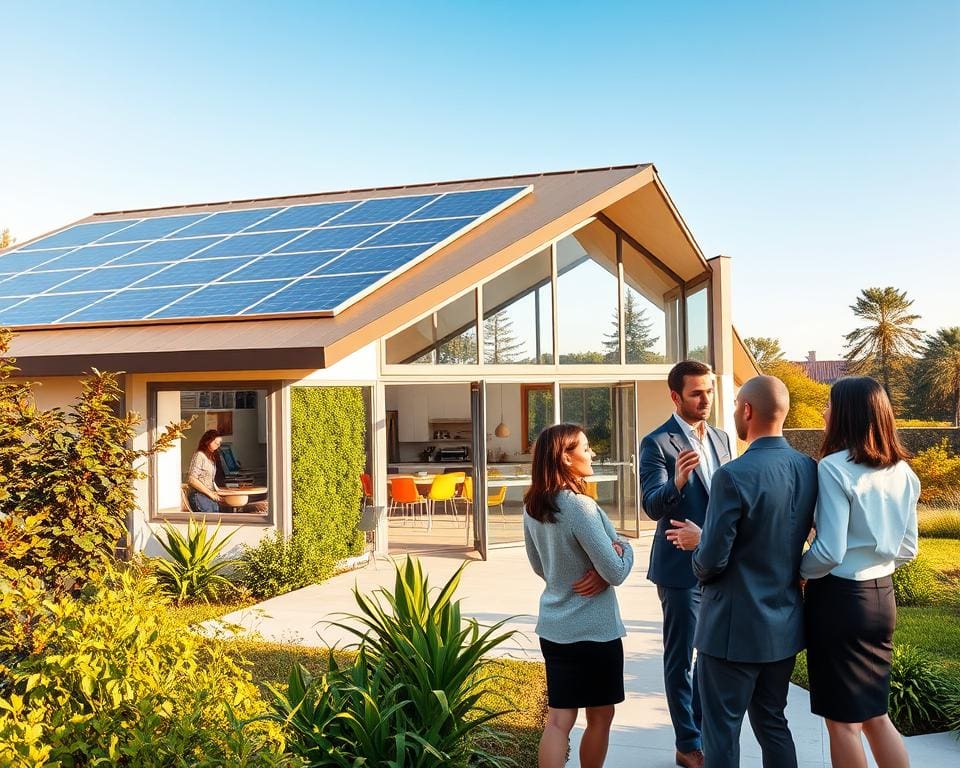
As the UK moves towards its legally binding net zero target for 2050, the question of why is energy-efficient design a priority in homes matters more than ever. Homes in the United Kingdom account for roughly 20% of greenhouse gas emissions, with space and water heating making up the largest share of domestic energy use. That makes energy-efficient homes UK a central part of national climate action.
Rising and volatile energy prices have pushed many households towards fuel poverty. Ofgem and the UK Government have highlighted how price swings affect bills and living standards. The benefits of energy-efficient design are immediate here: lower energy demand means smaller bills and less exposure to market shocks.
Energy-efficient and sustainable home design also improves comfort and health. Better insulation and airtightness keep indoor temperatures stable, reduce draughts and limit damp. Combined with balanced ventilation, these measures help prevent mould and reduce risks linked to respiratory and cardiovascular problems noted by NHS and public-health guidance.
Prioritising low-energy housing benefits many groups at once. Homeowners gain lower running costs, builders find it easier to meet Building Regulations and the Future Homes Standard, and national networks face less strain. Designers, policymakers and tradespeople all play a role in making energy-efficient homes UK the norm.
This article will first set out immediate and long-term advantages, then explain the key technical and design principles that deliver efficiency. Finally, it will give practical steps for homeowners and professionals on how to prioritise and implement energy-efficient design across the UK.
Why is energy-efficient design a priority in homes?
Energy-efficient design delivers clear, immediate gains for householders and ripples outward to communities and the planet. Practical measures such as improved loft and cavity insulation, draught-proofing and efficient boilers cut bills, raise comfort and reduce health risks. The benefits of energy-efficient homes are both tangible and measurable, making them a priority for owners, planners and policymakers.
Immediate benefits for householders
Lower energy use brings obvious energy efficiency immediate benefits. The Energy Saving Trust shows typical savings from loft insulation, wall insulation and modern boiler upgrades that reduce gas and electricity consumption. Many households see meaningful cuts to their monthly bills and better budget predictability.
Homes with good insulation and airtightness stay warmer with lower thermostat settings. That gives steadier indoor temperatures, fewer cold spots and less condensation. These changes matter most to older people and families with young children.
Improved fabric performance and mechanical ventilation with heat recovery reduce damp and mould risk. Public Health England and NHS guidance links better housing quality to fewer respiratory and mould-related health problems.
Controlling moisture and thermal movement reduces wear on plaster, paint and joinery. That means less frequent repairs and longer-lasting finishes, lowering maintenance costs over time.
Long-term financial and resale value advantages
Higher energy performance often boosts market appeal. Research from Nationwide and Zoopla, alongside analysis by RICS, points to premiums for homes with strong EPC ratings. Buyers pay attention to running costs and may prioritise energy-efficient properties.
Investments in insulation, glazing and efficient systems tend to pay back through lower operating expenses. Payback periods vary, but examples include years rather than decades for cavity insulation and boiler replacements; heat pumps and solar PV can offer competitive lifetimes when fuel savings and incentives are included.
Design that meets or anticipates Building Regulations and the Future Homes Standard reduces the risk of costly retrofits. That kind of future-proofing protects value and makes properties more attractive to lenders and insurers offering green mortgages and preferential terms.
Environmental and community impact
Upgrading domestic energy performance cuts demand for heating fuels and lowers carbon emissions. That contribution supports UK targets for decarbonisation and shows how household action scales up.
Reduced energy demand eases pressure on electricity networks at peak times. Widespread efficiency measures help manage load, delay major grid upgrades and improve resilience.
Switching from gas boilers to heat pumps and electrified systems cuts local NOx and particulate emissions. That improves air quality in towns and cities where combustion appliance use is highest.
Community retrofit programmes and schemes such as ECO help tackle fuel poverty by delivering community energy savings at scale. Neighbourhood projects spread benefits across households and strengthen local resilience.
When individuals invest in efficiency, benefits cascade from single homes to entire communities, underlining why energy-efficient design must remain a national and local priority.
Key principles and elements of energy-efficient home design
A clear fabric first approach sets the tone for low-energy homes. Strengthening the building envelope cuts demand, so smaller, cheaper mechanical systems can do the rest. This section outlines practical steps for retrofit and new build projects across the UK.
Fabric first approach: insulation, airtightness and thermal mass
Start with insulation UK measures that suit each house type. Loft and roof insulation, cavity wall upgrades, external or internal wall systems and underfloor insulation all reduce heat loss. Common materials include mineral wool, PIR, cellulose, phenolic, EPS and XPS. Aim for U-values expected in low‑energy homes to cut running costs and carbon.
Good airtightness homes practice lowers uncontrolled draughts and heat loss. Blower Door tests check performance and help set retrofit targets. Avoid cold bridges by detailing junctions and using vapour control layers or breathable membranes where appropriate to manage moisture risk.
Thermal mass from concrete or masonry smooths temperature swings. Heavy internal finishes work best when paired with passive solar design and night‑time ventilation to store daytime heat and release it when needed.
Efficient heating, ventilation and cooling systems
Choose efficient heating systems to match a well‑insulated envelope. High‑efficiency condensing boilers remain an option for some homes. Heat pumps deliver large carbon savings where fabric measures are in place. Look at air‑source or ground‑source heat pumps and compare coefficients of performance to size systems correctly.
Controls cut waste. Smart thermostats, programmers, TRVs and zoning ensure heat follows occupancy. These devices reduce bills and improve comfort when configured properly.
Ventilation must suit airtight homes. Mechanical ventilation with heat recovery (MVHR) supplies continuous fresh air while reclaiming heat. Simple extract fans and trickle vents have a role in less airtight properties, yet MVHR offers the best energy saving in well‑sealed homes.
Cooling demand in the UK is growing. Passive measures, shading and targeted mechanical cooling keep summer comfort without high energy use.
Passive design strategies and orientation
Site orientation and window placement harness winter solar gains and avoid overheating in summer. Passive solar design combines glazing, thermal mass and shading to balance light and heat.
Daylighting reduces electric lighting needs and lifts wellbeing. Use high‑performance glazing with low‑emissivity coatings, double or triple panes, and solar control glass to keep comfort stable.
Landscaping and microclimate choices matter. Trees, green roofs and wind‑sheltering features lower exposure, help passive cooling and boost biodiversity around the home.
Renewables and onsite generation
Solar PV UK systems are now common on rooftops. Pair PV with battery storage to increase self‑consumption and resilience. Typical system sizes vary with roof area and household demand.
Solar thermal can support hot water, while heat pumps run on low‑carbon electricity for large carbon reductions. Small wind is uncommon in urban areas, yet community energy schemes can add local generation and shared benefit.
Grid interaction has changed since feed‑in tariffs. The Smart Export Guarantee pays for exported electricity and rewards households that optimise generation and storage.
Lighting, appliances and behavioural measures
Switch to LED lighting and use daylight‑linked controls, dimmers and occupancy sensors to cut wasted energy. Choose energy‑efficient appliances and follow the new UK/EU energy labelling to identify the best performers.
Occupant habits strongly affect outcomes. Thermostat settings, drying and cooking choices and simple nudges make a measurable difference. Smart meters and monitoring systems expose where savings are possible and support continuous improvement.
Combine the fabric first approach with efficient heating systems, MVHR, heat pumps, solar PV UK and energy‑efficient appliances to create homes that perform well today and stay flexible for future innovation.
How to prioritise and implement energy-efficient design in UK homes
Start with a clear assessment. Commission a domestic energy audit or a PAS 2035-compliant retrofit survey to map fabric risks and establish priorities. Accredited professionals such as SAP assessors, Retrofit Assessors and MCS installers for renewables identify measures that deliver the best EPC improvement and form the backbone of an energy efficiency roadmap.
Adopt a whole-house approach and sequence works correctly. Insulate and improve airtightness before fitting mechanical systems to avoid condensation or overheating. Phase home energy upgrades: begin with low-cost, high-impact actions like draught-proofing, loft insulation and thermostat control, then move to medium-cost fabric upgrades and finally to systems and onsite generation such as air-source heat pumps or solar PV.
Use available funding and follow regulations. Check current schemes such as the Energy Company Obligation, local authority grants and retrofit pilots, and verify planning and Building Regulations requirements for solid-wall insulation, window replacement or renewable installations. Aim for recognised standards — Passivhaus for deep cuts or designs aligned with the Future Homes Standard — and seek third-party certification for quality assurance.
Choose accredited installers and consider whole-life costs. Look for TrustMark, MCS or BPEC registration, check warranties and test performance. Insist on airtightness testing, proper commissioning of MVHR and heating systems, and post-upgrade monitoring with smart meters or generation dashboards. By planning renovations around upgrades and using community support from the Energy Saving Trust or local retrofit groups, homeowners can make retrofit UK homes practical, affordable and future-proof.