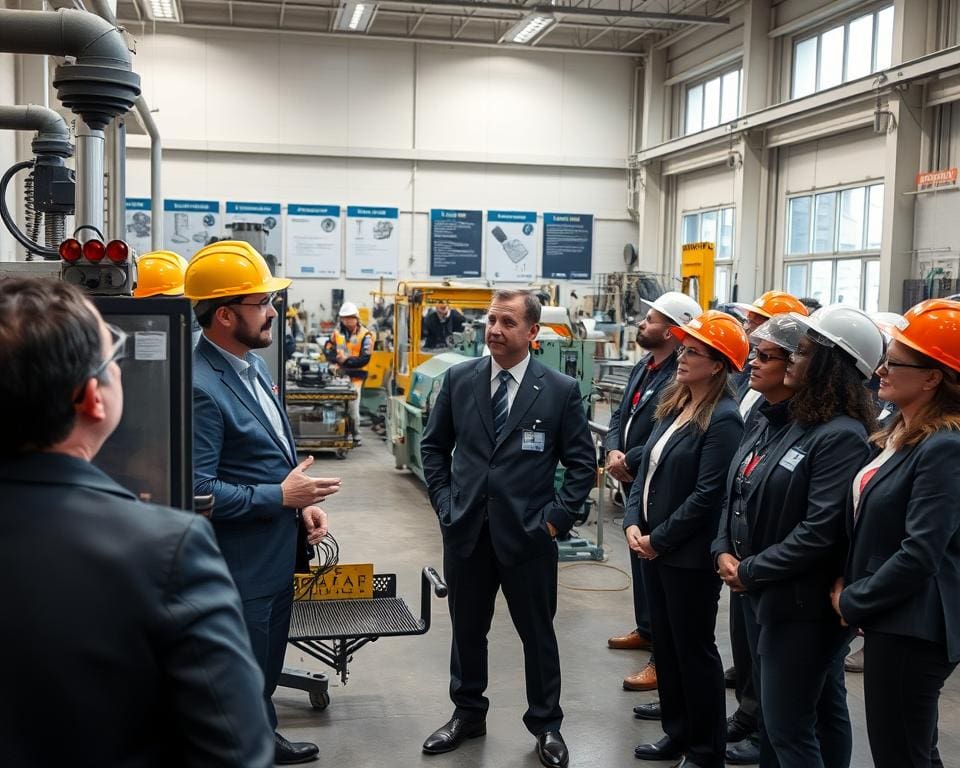
In today’s fast-paced industrial environment, the importance of machinery safety training cannot be overstated. As automation increases and machinery becomes more complex, the potential for accidents significantly rises, making effective training a fundamental element of accident prevention. Research demonstrates that comprehensive machinery safety training not only reduces injury rates but also fosters a robust workplace safety culture. Adequate training equips employees with the knowledge to navigate potential hazards, emphasising the necessity for ongoing learning in industrial training. As we delve deeper into this crucial subject, we will explore how a commitment to machinery safety training can lead to safer, more efficient workplaces.
The Necessity of Machinery Safety Training
The importance of safety training in the machinery sector cannot be overstated. By equipping employees with essential skills for operating machinery safely and efficiently, companies ensure compliance with industry standards and regulations. Well-implemented training programmes not only foster a safer working environment but also strengthen employee protection against potential hazards.
A comprehensive approach to machinery safety includes rigorous risk assessment procedures. Employees trained in recognising and evaluating risks associated with machinery can take proactive measures to mitigate them. This foresight not only secures the wellbeing of the workforce but also safeguards the company’s assets. It establishes a culture prioritising safety, where employees feel empowered to speak up about concerns and suggest improvements.
Investing in machinery safety training is a strategic decision that benefits both employees and organisations. As industries evolve and technologies advance, continuous training becomes paramount in adapting to new challenges. An uncompromising commitment to safety training exemplifies a company’s dedication to maintaining high standards while fostering trust and loyalty among its workforce.
Understanding the Risks Associated with Machinery
Operating machinery presents various machinery risks that every employee must acknowledge. In industrial environments, these risks can manifest through safety hazards such as mechanical failures, equipment malfunctions, and human errors. Familiarity with these dangers is critical for creating a safe workplace.
Statistics highlight the prevalence of workplace injuries linked to machinery operations. Reports indicate that a significant percentage of workplace accidents involve machinery, underscoring the necessity of vigilance. By understanding the common risks associated with machinery, employees can better prepare themselves to navigate challenges and mitigate hazards.
Ensuring safety during machinery operations requires a comprehensive approach. This involves not only recognising potential risks but also fostering a culture of safety awareness. The first step in this journey is effective training that emphasises the importance of hazard recognition and proactive measures.
Why is machinery safety training critical in modern industry?
Inadequate machinery safety training can have devastating consequences for employees and businesses alike. Without robust training, the risk of accidents significantly increases, which can lead to serious injuries and even fatalities. The repercussions extend beyond personal harm, impacting organisational reputation, financial stability, and legal compliance. Addressing these issues through effective training is essential for enhancing performance and safety outcomes in any working environment.
The Impact of Inadequate Training
The consequences of inadequate training can be severe. Workers who lack proper instruction are far more likely to engage in unsafe practices, increasing the probability of accidents. This not only jeopardises their well-being but also places a burden on the industry safety record, eliciting higher rates of compensation claims and insurance costs. Furthermore, an organisation’s failure to prioritise safety training can result in severe legal ramifications, with regulatory bodies increasingly scrutinising compliance with safety standards.
Statistics on Machinery-Related Accidents
Regularly updated machinery accident statistics reveal the stark reality of poor training. According to the Health and Safety Executive, thousands of workplace incidents occur each year due to inadequate machinery handling or lack of training. These alarming figures highlight an urgent need for effective training programs aimed at drastically improving the industry safety record. By investing in proper training, businesses can not only mitigate risks but also foster a culture of safety that ultimately benefits everyone involved.
Legislation and Compliance in Machinery Safety
In the realm of machinery safety, understanding the underlying legislation and compliance standards is paramount. The UK has established robust health and safety regulations that ensure both employers and employees are aware of their responsibilities regarding the safe operation of machinery. Compliance with these regulations not only protects individuals but enhances overall workplace safety.
Key Regulations and Standards
Critical machinery safety legislation, such as the Provision and Use of Work Equipment Regulations (PUWER) and the Health and Safety at Work Act, mandates that appropriate training is provided. Key points of these regulations include:
- Requirements for thorough training and instruction to all employees operating machinery.
- Ensuring machinery is maintained and inspected regularly.
- Providing clear information regarding potential hazards.
The Role of Regulatory Bodies
Regulatory bodies, particularly the Health and Safety Executive (HSE), play a crucial role in enforcing compliance standards. These agencies are responsible for overseeing safety practices and ensuring that businesses adhere to health and safety regulations. They conduct inspections and provide guidelines that help companies comply with machinery safety legislation, thereby fostering a culture of safety across various industries.
The Benefits of Investing in Safety Training
Investing in safety training presents numerous advantages that resonate well beyond mere compliance. Companies that embrace this initiative often enjoy significant safety training benefits, resulting in a healthier and more productive workforce. A well-structured training programme not only prioritises safety but also fosters an environment where employees feel valued and empowered.
Reduced Accident Rates
One of the most compelling reasons to invest in safety training is the notable accident reduction. When employees receive comprehensive safety education, they develop a clearer understanding of potential hazards and the best practices to mitigate risks. This proactive approach leads to fewer workplace incidents, which in turn lowers insurance costs and minimises downtime.
Enhanced Productivity and Efficiency
Furthermore, safety training significantly contributes to productivity enhancement. Workers who are well-trained tend to carry out their tasks more efficiently, as they are aware of safety protocols and strategies. This increased workforce efficiency not only boosts morale but also accelerates overall operational performance. Ultimately, businesses that prioritise safety training reap the rewards in terms of both safety and productivity, creating a vibrant and dynamic working atmosphere.
Cultivating a Safety Culture in the Workplace
Creating a robust safety culture within organisations requires concerted efforts from everyone involved. Engaging employees at all levels fosters a sense of shared responsibility for safety standards, promoting a harmonious and efficient working environment. Leadership in safety is pivotal in enforcing this culture, as active management can drive commitment and inspire workers to prioritise their well-being.
Employee Engagement and Involvement
Employee engagement plays a significant role in shaping a safety culture. When workers feel involved, they are more likely to take ownership of their responsibilities. This involvement can take the form of:
- Participating in safety meetings and training sessions.
- Providing feedback on safety practices and procedures.
- Contributing to hazard identification and risk assessments.
Such contributions reinforce the idea that every individual’s input matters. When employees engage actively, it enhances workplace engagement and aligns with the overall objectives of safety culture.
The Role of Leadership in Promoting Safety
Effective leadership in safety provides clear direction and instils confidence in employees. Leaders who demonstrate management responsibility set the tone for safety commitment throughout the organisation. Key aspects of leadership in safety include:
- Communicating the importance of safety consistently.
- Leading by example in following safety protocols.
- Recognising and rewarding safe practices among employees.
Such practices not only cultivate a safety culture but also ensure that employees feel valued and supported. A strong commitment from leadership can elevate safety standards and inspire a proactive approach among the workforce.
Effective Machinery Safety Training Programmes
Creating effective machinery safety training programmes is essential for fostering a safe work environment. Such programmes encompass various training components that ensure all employees receive comprehensive and engaging instruction. With the increasing complexity of machinery and workplace hazards, these programmes must adapt to integrate the latest advances in technology in training.
Essential Components of a Training Programme
A robust training programme must include several critical elements:
- Comprehensive course content that covers all aspects of machinery safety.
- Hands-on training sessions that allow trainees to engage with machinery directly.
- Assessment methods to evaluate competency and reinforce learning.
- Regular updates to training materials to align with industry standards and regulations.
Utilising Technology in Safety Training
The incorporation of technology in training offers numerous benefits. Tools such as virtual reality and simulation software can create immersive scenarios that prepare employees for real-life challenges. This not only enhances engagement but can significantly improve retention of crucial safety practices. As technology in training continues to evolve, integrating these tools into effective training programmes will be pivotal for instilling a culture of safety within the workforce.
Real-World Examples of Successful Training Initiatives
The examination of real-world examples showcases the impact of effective machinery safety training initiatives across various sectors. Insightful industry case studies provide evidence of successful tactics in enhancing safety measures. These examples highlight not only the importance of comprehensive training but also the devastating consequences that can arise from inadequate safety education.
Case Studies from Leading Industries
In manufacturing, companies like Siemens have implemented robust training programmes, focusing on hands-on experience. Their initiatives have led to a significant reduction in workplace incidents. By incorporating simulations and interactive sessions, employees gain practical skills that empower them to address hazards effectively.
The construction sector offers another illuminating case. Balfour Beatty adopted extensive training modules aimed at risk assessment and prevention, resulting in decreased accident rates. Regular workshops and on-site training ensure that workers remain vigilant and well-prepared for unforeseen circumstances.
Lessons Learned from Publicised Accidents
Notable accidents serve as stark reminders of the potential dangers in industrial environments. The Buncefield oil depot explosion is a pivotal example of the catastrophic outcomes of poor training. Analysis reveals that inadequate hazard recognition played a role in the tragedy, emphasizing the necessity for rigorous training initiatives that focus on accident lessons derived from real case scenarios.
Such incidents stress the need for continuously revising training approaches and learning from past mistakes. A commitment to best practices in safety training can foster an environment that prioritises employee well-being and operational efficiency.
Continuing Education and Refreshing Skills
In the rapidly changing landscape of machinery operation, the significance of continual education cannot be overstated. Ongoing training serves as a vital aspect of ensuring that personnel remain competent and safe in their roles. As operational systems and technologies evolve, it becomes imperative for workers to engage in regular skill refreshing to stay abreast of best practices.
The Importance of Ongoing Training
Ongoing training not only enhances individual capabilities but also contributes to the overall safety culture within an organisation. Employees armed with the latest knowledge are more adept at addressing challenges and preventing accidents. Furthermore, this commitment to continual education demonstrates an organisation’s dedication to employee development and safety, fostering a more engaged workforce.
Adapting Training to Technological Advances
Adaptive training is essential as machinery becomes more sophisticated. As new technologies are integrated into the workplace, training programmes must be updated to reflect these changes. This adaptability ensures that training remains relevant and effective, providing employees with the skills they need to manage new equipment safely and efficiently.
Conclusion: A Call to Action for Industry Leaders
In an era where workplace safety must not be an afterthought, the call to action for industry leadership is clear: prioritise machinery safety training. The evidence supporting the need for robust training programmes is irrefutable, as they directly correlate with reducing accidents and enhancing productivity. As we strive for excellence in our industries, embracing comprehensive safety training reflects a commitment to improving safety standards across the board.
Safety advocacy goes beyond mere compliance with regulations; it embodies a culture wherein every employee understands their role in maintaining a safe workplace. Leaders must take proactive steps to foster this environment by investing in training initiatives that resonate with the current technological landscape. It is imperative that industry leaders step forward to champion the cause of safety, demonstrating that a safe workforce is not just a goal but a foundational pillar of operational success.
Ultimately, prioritising machinery safety training is not only beneficial for employees, but it also enhances the overall stability and reputation of organisations. By heeding this call to action, industry leaders can truly set a benchmark for excellence and ensure that safety remains at the forefront of their operations. Together, let us lead the charge towards a future where safety is paramount in every aspect of our work.