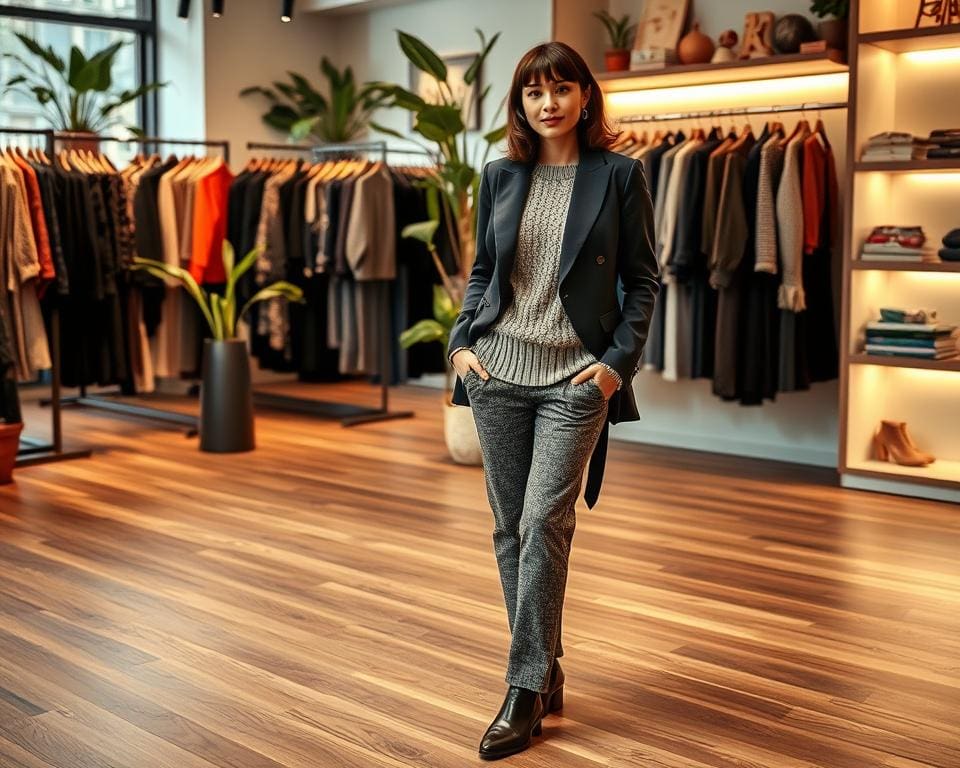
In the ever-evolving world of fashion, the art of mixing textures has become a hallmark of style innovation. As we embrace modern style, the significance of fashion textures is undeniable; they contribute depth and character to any outfit. Blending various surfaces—such as smooth silks with rugged leathers or matte cottons with glossy synthetics—creates dynamic looks that reflect individuality. These fashion-forward trends encourage wearers to experiment, making bold statements that articulate personal narratives. Ultimately, the skillful combination of fabrics enriches the fashion landscape, inviting creativity and uniqueness in every ensemble.
The Importance of Textures in Fashion
Understanding the significance of fashion textures serves as a foundational element in appreciating clothing design. The definition of texture highlights the tactile quality and visual allure of fabrics, which can profoundly influence the overall impact of an outfit. Different textures enhance our experiences, making them crucial in the contemporary fashion landscape.
Defining Texture in Fashion
At its core, the definition of texture encapsulates how a fabric feels and appears. Soft, smooth silk varies immensely from the roughness of coarse denim. This diversity in fashion textures determines not only how garments interact with light but also how they are perceived in terms of luxury, comfort, and functionality. Understanding these nuances can transform a simple outfit into a powerful expression of personal style.
Historical Context of Texture in Clothing
The historical influence on fashion is evident through the evolution of textures across different eras. In the Renaissance, luxurious brocades captivated nobility, symbolising opulence and status. The Industrial Revolution brought utilitarian fabrics to the forefront, reflecting societal shifts towards practicality. Fast forward to the 21st century, where texture evolution has led to eclectic mixes that embrace innovation and individuality. Each period in fashion history tells a story, intricately woven with the threads of cultural attitudes and artistic movements.
Why is mixing textures so fashion-forward?
Mixing textures in fashion invites a refreshing wave of creativity, making outfits not only visually arresting but also a true reflection of one’s identity. The practice merges various materials, generating visual interest in fashion that captivates the eye and tells a compelling story about personal style.
Creating Visual Interest
Incorporating different textures creates a dynamic aesthetic. For instance, pairing a soft cashmere jumper with rugged denim or matte silk with chunky knitwear adds layers of complexity. This conscious juxtaposition enhances visual interest in fashion, transforming everyday outfits into statement ensembles. Such innovative fashion trends allow individuals to play with their choices, providing opportunities to explore how different fabrics interact with light and movement, ultimately enhancing the outfit’s overall appeal.
Enhancing Personal Style
Texture in outfits holds the power to elevate personal style enhancement dramatically. A thoughtful combination of materials can reveal an individual’s flair and creativity. Fabrics like lace paired with leather or velvet can communicate confidence and sophistication. Each combination serves as a unique identity expression, showcasing one’s fashion sensibilities and preferences. This bold approach allows fashion enthusiasts to step beyond conventional norms, embracing a more eclectic and personalized style narrative.
How to Effectively Mix Textures
Understanding how to effectively mix textures can transform your wardrobe and elevate your personal style. The key lies in selecting complementary fabrics and employing various layering techniques that bring cohesion to your looks. Consider the following strategies to enhance your fashion combinations.
Choosing Complementary Fabrics
When aiming for effective texture mixing, the selection of complementary fabrics is fundamental. Fabrics with contrasting textures, such as soft velvets paired with coarse linens, can create a visually appealing harmony. Experimenting with different materials allows you to play with depth and dimension, adding richness to your outfits. For instance, lace alongside denim introduces an unexpected blend that captures attention.
Layering Techniques for Maximum Impact
Layering techniques serve as an excellent tool for showcasing texture while maintaining a unified aesthetic. A simple jacket over a delicate dress can amplify the overall texture play, allowing each layer to stand out. Consider utilising different lengths and fabrics to create definition without overwhelming your silhouette. Choose pieces that invite interaction, such as a chunky knit over a sleek satin top, to promote an engaging visual narrative in your wardrobe.
Textural Combinations That Work
Exploring the art of textural combinations in fashion reveals a world where creative expression flourishes through unique pairings. Understanding how to blend soft and hard textures is essential for achieving striking visual effects that elevate personal style. By thoughtfully selecting materials, one can create outfits that speak to both tactile comfort and aesthetic balance.
The Power of Soft and Hard Textures
The interplay between soft and hard textures can transform an outfit from simple to sophisticated. For instance, incorporating a structured leather jacket with a flowing silk blouse introduces an exciting contrast that captures attention. The sharp lines of hard fabrics like denim or leather juxtaposed against soft textiles such as cashmere or chiffon establishes a sense of textile harmony. This dynamic not only adds depth but supports expressive fashion pairing that resonates with diverse personal styles.
Understanding the balance of natural versus synthetic fabrics opens up a realm of possibilities in outfit creation. Natural fabrics like wool or linen possess inherent qualities that lend comfort, while synthetic materials such as polyester or nylon provide durability and versatility. Merging these two categories can enhance not only the outfit’s overall aesthetic but also its practicality. Imagine combining a lightweight organic cotton top with a sleek nylon skirt; this fusion embraces modern sensibilities while respecting style fundamentals.
The Role of Accessories in Textural Mixing
Accessories in fashion provide a fascinating avenue for elevating an outfit’s texture and overall aesthetic. Through the strategic use of various items, such as scarves, belts, and bags, individuals can create a multi-dimensional look that adds visual intrigue and cohesiveness. Emphasising the right accessories can add depth with accessories, transforming a simple ensemble into a statement of personal style.
Addng Depth with Accessories
Incorporating texture-enhancing accessories into an outfit often serves to highlight or contrast the garments worn. Consider these essential elements:
- Scarves crafted from silk or wool contribute softness against structured clothing
- Bags with unique textures, like leather or suede, can provide a tactile contrast
- Belts in interesting materials can accentuate the waist while adding an extra layer
These choices not only enhance the outfit’s overall look but also create an engaging texture narrative, allowing the wearer to play with just the right amount of visual excitement.
Statement Pieces that Stand Out
Statement pieces possess the remarkable ability to act as focal points within an outfit. When thoughtfully chosen, these accessories can significantly amplify an individual’s style. For example, a boldly textured handbag or a pair of intricately patterned shoes adds a captivating element, demanding attention without overwhelming the overall look. Including these striking fashion details ensures that the ensemble stays memorable while still maintaining balance and harmony.
Case Studies: Fashion Icons Who Mastered Textural Mixing
Examining the works of renowned fashion icons provides a glimpse into the exquisite world of textural mixing mastery. These influential designers have successfully pushed creative boundaries, demonstrating how varied textures can create harmonious yet striking ensembles.
Exploring the Styles of Influential Designers
Alexander McQueen exemplifies innovation through his bold combinations of fabrics, harmonising leather with delicate lace in designs that challenge conventional norms. Similarly, Stella McCartney seamlessly blends sustainable fabrics with luxurious materials, showcasing her commitment to both aesthetics and ethics. Such designers inspire countless individuals to explore the endless possibilities of textural pairings within their personal style.
Street Style Inspirations from Industry Leaders
Street style offers abundant insights into practical applications of textural mixing. Fashion influencers bring unique visions to life, showcasing their signature approaches to combining materials. Whether it’s pairing a chunky knit with sleek leather trousers or layering soft silks with rugged denim, these everyday embodiments of textural mixing inspire others to embrace their creativity. Observing how these fashion icons and influencers navigate street style opens up a world of fashion inspirations for those seeking to elevate their wardrobes.
The Future of Textural Mixing in Fashion
As we look ahead, the future of fashion textures is poised to undergo a remarkable transformation. With a growing emphasis on sustainable fashion, designers are increasingly turning to innovative material use that not only respects the environment but also offers a diverse array of textures. This commitment to sustainability ensures that each creation promotes ethical production while also being visually striking.
The evolving fashion landscape indicates that the integration of technology in textile production will unlock new possibilities for textural mixing trends. Advancements, such as 3D knitting and digitally printed fabrics, open the door to imaginative combinations that were once thought impossible. As these techniques evolve, so will the artistry of mixing textures, further enabling individuals to express their unique style through their attire.
Ultimately, the future of textural mixing in fashion lies in the harmony of innovation and sustainability. Designers and consumers will continue to explore the exciting intersection of traditional craftsmanship and cutting-edge technology. This dynamic will encourage a generation of fashion enthusiasts to embrace individuality, promoting not just aesthetic appeal but also a deeper connection to the clothing we wear.