When you decide to visit Rome, you pick a city where ancient monuments sit beside lively neighbourhoods. Rome’s layers of history—from the Roman Republic and Empire to the Renaissance and Baroque—make it a unique Rome travel destination for culture and architecture fans.
The compact city centre means many Rome attractions are walkable, so you can move easily between the Colosseum, the Roman Forum and the narrow streets of Trastevere. That walking rhythm lets you soak up piazzas, fountains and café life that define everyday Roman culture.
For travellers from the United Kingdom, short flights from London and regular direct connections make it simple to visit Rome for a long weekend or a longer stay. English services are common, so you can focus on art, food and the spiritual pull of Vatican City while enjoying familiar conveniences.
This article will help you understand why visit Rome now, set realistic expectations and plan practical details. You will find tips on the best sights, where to stay, food experiences and how to enjoy a responsible, authentic trip that respects local life.
Why Rome continues to captivate travellers with its history and heritage
Your first steps in Rome place you amid layers of time. The city’s streets, churches and squares tell stories that span millennia. This section helps you plan which sites to prioritise and how to make the most of your visit to Rome history and heritage.
Ancient landmarks that shaped Western civilisation
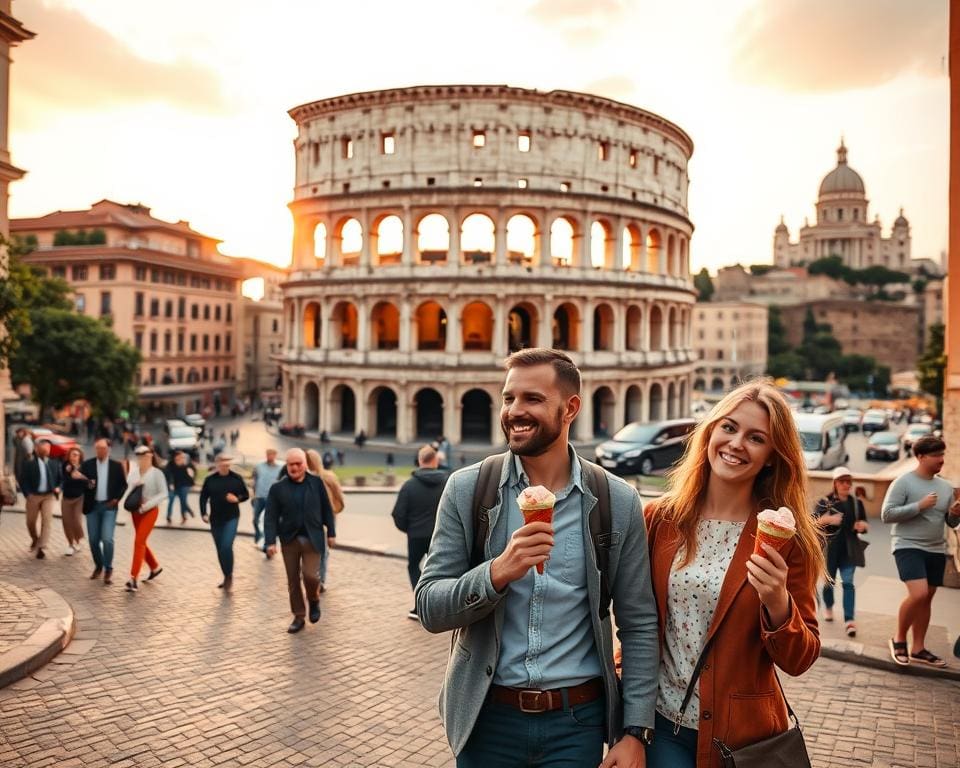
The Colosseum stands as the emblem of Roman engineering and public life. Built between 70 and 80 AD, it reveals the scale of spectacles and social order in the Roman Empire. Booking timed-entry tickets or a guided tour will reduce waiting time and deepen your understanding of gladiatorial contests and crowd culture.
The Roman Forum and Palatine Hill sit close by and offer a compact walk through political and religious heartlands. You will find temples, basilicas and triumphal arches that map how public space evolved under emperors.
The Pantheon remains the best-preserved ancient temple in the city. Now the church of Santa Maria ad Martyres, it draws visitors to its vast concrete dome and central oculus. Entry is free with usually modest queues, so it is simple to include in a short itinerary.
Scattered monuments such as Trajan’s Column and the Arch of Constantine provide visual chapters of military triumphs and imperial messaging. Spotting them helps you connect artefacts with the wider story of Roman Empire landmarks.
The Vatican, papal history and religious significance
Vatican City is the spiritual centre for millions and a tiny sovereign state within Rome. St Peter’s Basilica and St Peter’s Square dominate the skyline. Works by Michelangelo and Bernini shape the building’s artistry and your view of papal history.
The Vatican Museums and the Sistine Chapel shelter some of Western art’s greatest achievements. Pre-booked timed tickets or early-access tours save hours and let you focus on masterpieces rather than queues.
If you hope to attend a Papal audience, check the Vatican calendar in advance. Weekly audiences and major liturgical events attract pilgrims and offer a rare chance to witness living religious tradition.
Archaeological sites and museums you cannot miss
Capitoline Museums put classical sculpture and Renaissance works side by side on Capitoline Hill. The displays help you see how ancient Rome influenced later artists and city identity.
The National Roman Museum, with sites at Palazzo Massimo and Palazzo Altemps, contains exceptional sculpture, mosaics and frescoes. These collections illuminate daily life and imperial culture across centuries.
Large ruins such as the Baths of Caracalla show the scale of Roman public amenities. Walking these spaces makes ancient urban life tangible.
The Appian Way and nearby catacombs, like San Callisto and San Sebastiano, reveal early Christian practice and funerary customs. These archaeological sites Rome offers quiet contrasts to city-centre highlights.
- Buy combination tickets or a Roma Pass when your schedule is tight.
- Use guided tours or audio guides to clarify complex sites.
- Check opening times and closures, especially for St Peter’s during services.
Rome travel destination: practical tips for planning your visit
Planning your trip to Rome is easier when you know the best times to travel, how to move around, where to stay and key safety and money points. Use these Rome travel tips to shape an itinerary that fits your pace and interests.
Best times to visit to avoid crowds and enjoy better weather
For pleasant temperatures and fewer tourists, aim for the shoulder seasons. April to June and September to October offer 15–25°C, open attractions and softer light for photos.
Low season runs from November to February. You will find lower prices and quieter streets. Expect cooler weather and shorter days. Check attraction schedules for reduced hours.
High summer in July and August brings highs above 30°C and long queues. If you must travel then, plan early morning visits or late evening walks to avoid peak heat. Be aware of Ferragosto on 15 August when many local businesses close and crowds shift.
Getting around: public transport, walking routes and taxis
Rome transport mixes metro lines A, B and C with an extensive bus and tram network run by ATAC. Single BIT tickets last 100 minutes. For stays of several days, consider a multi-day pass to save time and money.
The metro is useful for longer hops. Colosseo station serves the Colosseum on Line B. Ottaviano on Line A takes you to the Vatican area. You will find the metro network smaller than in other capitals, with buses and trams filling gaps.
Central Rome is compact and best explored on foot. Wear comfortable shoes for cobbles and uneven pavements. For door‑to‑door travel, licensed white taxis are metered. Use apps like Free Now for convenience and check flat fares for transfers to and from Fiumicino airport.
For airport links, the Leonardo Express from Fiumicino to Roma Termini takes 32 minutes non‑stop. Cheaper regional trains and coaches are available. From Ciampino you will find shuttle buses and local rail options.
Where to stay: neighbourhoods for culture, nightlife and family stays
Centro Storico and the Pantheon area put you steps from many attractions and suit first‑time visitors who want central convenience. Expect higher prices in this zone.
Trastevere offers atmospheric, cobbled streets, trattorie and lively evenings. Pick this neighbourhood if you want authentic dining and nightlife.
Monti sits close to the Colosseum and Forum. It has independent shops and cafés, ideal for culture‑focused travellers. Prati is quieter and convenient for access to the Vatican Museums, which suits families or those prioritising museum visits.
Testaccio is a food‑lover’s district with markets and genuine Roman restaurants. When choosing where to stay Rome, check proximity to metro stations if you plan regular use of public transport.
Money, safety and accessibility considerations for UK travellers
Italy uses the euro. Cards are widely accepted in shops and restaurants. Carry some cash for markets and small cafés. Tell your bank you are travelling to avoid blocked cards.
Tipping is not obligatory. Small amounts for excellent service are appreciated. Many restaurants add a coperto service charge as standard.
On the safety front, Rome is generally safe for tourists. Petty theft and pickpocketing occur in crowded places and on public transport. Keep valuables secure and stay alert at busy sites and stations.
UK traveller tips include checking travel insurance and health cover. Hold valid travel insurance that covers medical evacuation and activities. Confirm EHIC or GHIC arrangements if you need healthcare during your visit.
Accessibility varies by site. Many museums, the Colosseum and the Vatican offer step‑free access and elevators. Ancient ruins may have uneven terrain. Check individual attraction websites in advance for facilities and services.
How Rome’s culture, food and daily life make your trip unforgettable
To feel Rome beyond its monuments you must engage your senses. Tasting local dishes, wandering lively markets and joining neighbourhood rhythms bring the city to life. These everyday moments show why Rome culture is as compelling as its history.
Roman cuisine and food experiences to try
Sample classics such as pasta alla carbonara, cacio e pepe, amatriciana and saltimbocca alla Romana. Each plate tells a regional story through a few high-quality ingredients.
Try street snacks like supplì, porchetta sandwiches and pizza al taglio for a quick taste of local life. Seek out gelaterie that use natural ingredients rather than flashy claims.
Book a cooking class to learn Roman recipes. Join a guided food tour in Testaccio or Trastevere, or visit Eataly to compare regional produce under one roof.
Local markets, neighbourhoods and daily rituals
Start your morning at Campo de’ Fiori for flowers and fresh produce. Visit Mercato Testaccio for authentic ingredients and casual eateries. Hunt for antiques at Porta Portese on a Sunday.
Adopt simple rituals: a standing espresso at a bar, aperitivo before dinner and an evening passeggiata through Piazza Navona or Piazza di Spagna. These routines let you connect with everyday Rome.
Look for small churches, artisanal shops and family-run trattorie tucked away from tourist routes. They provide authentic encounters that shape your sense of place.
Events, festivals and seasonal cultural highlights
Time your visit around occasions that match your interests. Watch Holy Week observances at the Vatican or join Republic Day on 2 June for civic ceremonies.
Explore cultural programming at venues such as MAXXI or Galleria Borghese. Attend the Rome Film Fest or summer concerts at the Baths of Caracalla for world-class performances.
Seasonal highlights include outdoor opera and concerts in summer, Christmas markets in December and lively spring festivals when the weather is mild. These moments showcase Rome festivals across a full calendar.
Practical tips: reserve dinner tables in popular areas, check opening hours for local eateries and learn a few Italian phrases such as buongiorno and grazie. Respect dress codes in religious sites to ensure smooth, respectful visits.
Sustainable and authentic experiences to enjoy in Rome
When you travel with sustainability in mind, Rome feels more welcoming and alive. Use public transport, walk or hire a bike or e-scooter for short journeys to cut emissions and see neighbourhood life up close. You can refill a reusable water bottle at the city’s nasoni drinking fountains, reducing single-use plastics and staying refreshed between sights.
Support local businesses to make your visit meaningful. Choose eco-certified hotels or family-run bed and breakfasts that practise energy saving and source food locally. Dine at neighbourhood trattorie and buy produce from Campo de’ Fiori or Testaccio markets; these choices feed the community and deliver authentic experiences Rome travellers prize.
Seek small-group and neighbourhood-led options for exploration. Book local tours Rome that focus on heritage, conservation and culture rather than mass tourism. Wander lesser-known areas such as Garbatella or Coppedè, visit community gardens and social enterprises, or take a low-impact walk along the Appian Way Regional Park for a quieter encounter with nature and archaeology.
Respect sites and customs to protect Rome’s past for future visitors. Stay on marked paths, avoid touching frescoes and obey rules about eating or sitting on monuments to prevent damage and fines. By choosing responsible tourism Rome practices—donating to conservation projects or joining volunteer initiatives—you deepen connections with residents and help keep the city vibrant and accessible.