
Technology and work are reshaping where, when and how people labour across the United Kingdom. Cloud platforms such as Microsoft Azure and Google Cloud, collaboration tools like Microsoft Teams and Slack, and videoconferencing services such as Zoom make hybrid working future not just possible but routine for many teams.
These workplace technology trends extend to endpoint mobility: laptops, tablets and smartphones let staff move between home, office and client sites. At the same time, automation and artificial intelligence from OpenAI, Google AI and Microsoft Copilot are redefining job roles, shifting task mixes and changing the balance between sedentary and active work.
That shift brings a wellbeing imperative. NHS guidance and reports from the Office for National Statistics show musculoskeletal conditions remain a leading cause of absence. Employers and bodies such as ACAS and the HSE now link digital transformation UK strategies with occupational health planning to prevent joint strain and related injuries.
This article explores how the future of work driven by technology both creates risks and offers remedies for joint health. It looks at practical, natural measures individuals and organisations can take, and the digital tools that support movement, posture and long-term wellbeing in a tech-first workplace.
How can you support joint health naturally?
Technology shapes our working day, yet simple, evidence-based habits can protect joints and boost wellbeing. Small changes at desk and in daily routine help people support joint health naturally while staying productive.
Understanding the link between workplace tech and physical wellbeing
Prolonged sitting, poor posture and repetitive movements from laptops and phones increase strain on neck, shoulders, wrists and lower back. The NHS and HSE link good workstation setup and regular breaks to reduced risk of repetitive strain injury and slower osteoarthritis progression. Cutting sedentary time lowers systemic inflammation that can drive joint pain.
Employers and staff share responsibility. Simple behaviour shifts yield measurable gains in comfort and function, and timely guidance from physiotherapists or NHS-approved resources helps sustain change.
Ergonomic technology to reduce joint strain
Fit the workspace so the top of the monitor sits at eye level, forearms rest parallel to the floor, knees sit at about 90° and feet stay flat or on a footrest. Follow HSE setup checklists for clarity.
- Use height-adjustable desks and sit–stand workstations; electric models from FlexiSpot and Fully make transitions easy.
- Choose adjustable chairs with lumbar support from Herman Miller or Steelcase to reduce lower-back load.
- Add monitor arms, external keyboards and vertical mice to prevent wrist deviation and strain.
- Include low-tech supports such as anti-fatigue mats, supportive footwear and short desk stretches.
Wearables and apps that monitor and encourage joint-friendly habits
Devices like Apple Watch, Fitbit and Garmin track activity and remind users to stand or move. Posture sensors and trainers give a gentle vibration when slouching, nudging better alignment.
Medically informed apps such as PhysiApp and NHS exercise videos guide stretching and mobility routines. Telehealth services like Livi and Babylon Health provide remote physiotherapy when needed. Employers must handle aggregated wellbeing data under UK GDPR to protect privacy.
Remote-work setups that promote movement and posture
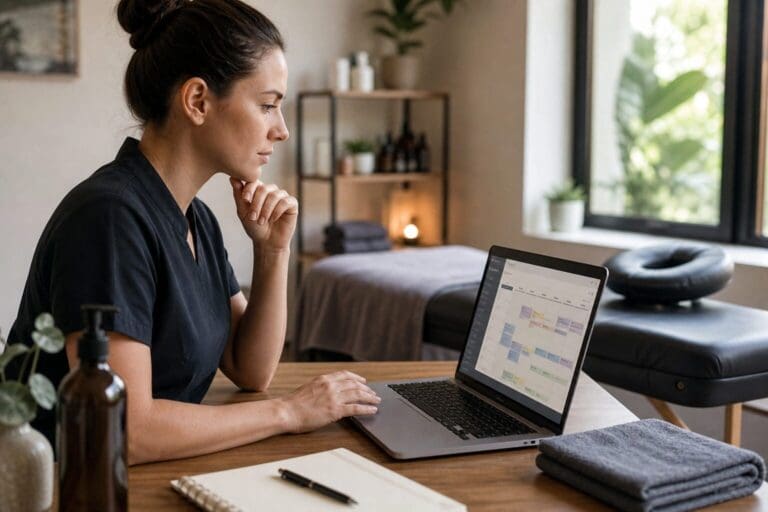
Create a dedicated home workspace and replicate ergonomic office setups where possible. Use a laptop stand with an external keyboard and mouse to avoid neck flexion and forward head posture.
Adopt microbreak patterns such as short movement every 20–60 minutes or the 50–10 rhythm. Try standing meetings and walking calls to add purposeful activity. Workplace policies that subsidise ergonomic office equipment, schedule guided mobility breaks and provide training align with ACAS and HSE guidance.
Pairing natural lifestyle measures with digital supports makes healthy routines stick. Use reminders, wearables for posture and tele-physio alongside active working tips to help prevent joint pain and sustain mobility. For ideas on integrating wellness into daily life, see this short guide on balanced routines: wellness routines.
Automation, AI and changing job roles
Technology is reshaping who does what at work. Routine manual and cognitive tasks are increasingly handled by software and machines. This shift moves people toward oversight, creative tasks and human-centred roles. The balance between efficiency and wellbeing will depend on design choices made by employers, policymakers and vendors.
How automation reshapes routine tasks and skill demands
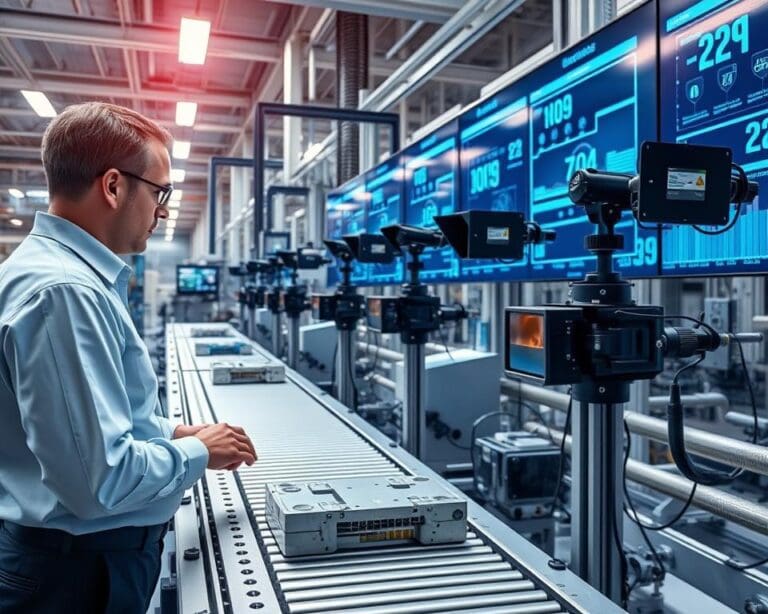
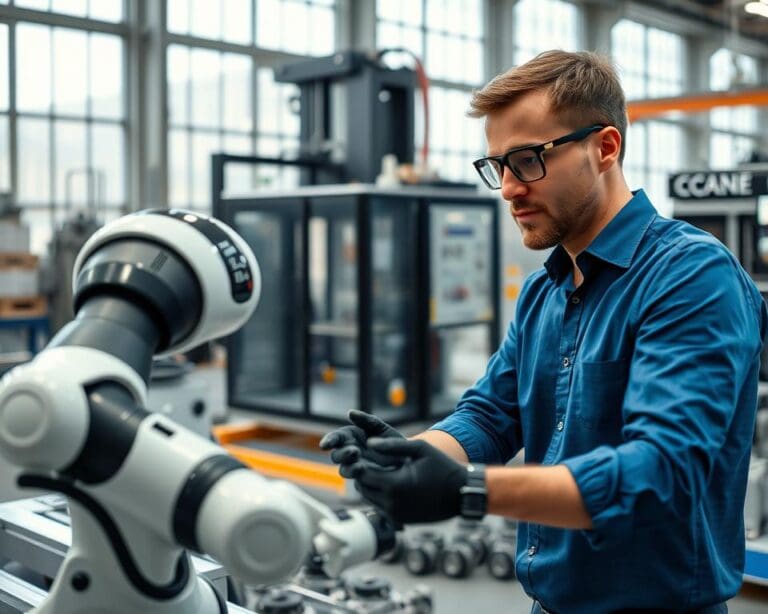
Robotic Process Automation platforms such as UiPath and Automation Anywhere manage repetitive back-office work like invoice processing and payroll reconciliation. Automated manufacturing systems remove many repetitive physical tasks that once caused joint strain, while creating new roles in maintenance, programming and supervision.
Occupational health changes as a result. Some biomechanical stresses fall, yet other risks appear: more sedentary roles, new manual handling tasks and different posture demands. Organisations must reassess ergonomic risks when redeploying staff to jobs created by automation and jobs linked to automation and jobs must be planned with vigilance.
AI as a collaborator: augmentation versus replacement
AI tools such as Microsoft Copilot and Google’s conversational assistants reduce cognitive load by drafting text, summarising meetings and aiding decisions. These systems can free time for movement and recovery when firms redesign workflows around an augmented workforce.
Concerns about displacement are real. Augmentation can reallocate routine tasks to AI while humans focus on judgement, empathy and complex problem-solving. Human-centred design is essential so efficiency gains do not translate into intensified workload or prolonged sedentary periods.
Reskilling and lifelong learning pathways supported by tech
Digital learning platforms like Coursera, LinkedIn Learning, FutureLearn and Udemy offer scalable routes to new skills. UK initiatives such as the National Retraining Scheme and expanded apprenticeships back this effort. Employers should embed modules on ergonomics, hybrid-work practice and movement breaks into training plans.
Practical steps include employer-supported reskilling UK programmes that pair technical training with wellbeing content. Lifelong learning tech can track progress, suggest next steps and connect learners to vocational partners. Pilot human+AI roles and vendor trials help scope value before broad roll-out and support a healthier transition.
Read more on how organisations can implement these changes in practice at this guide, where practical pilots, governance and productivity analytics are explored alongside reskilling strategies for the AI future of work.
Digital tools that foster collaboration and employee wellbeing
Digital platforms can join teamwork and wellbeing in ways that benefit both staff and organisations. Thoughtful use of technology reduces needless travel, encourages movement and helps keep joints and minds healthier during busy weeks.
Platforms such as Microsoft Teams, Slack, Zoom and Google Workspace support both live and async work. Their integrated status indicators, calendar-linked focus times and reminder features make it easier to schedule movement breaks and walking meetings.
High-quality webcams, external microphones and collaborative whiteboards like Miro and MURAL improve visibility and reduce awkward posture. These hardware choices cut eye-strain and neck hunching for hybrid and remote teams.
Digital mental-health and wellbeing solutions
Employer and consumer services such as Headspace for Work, SilverCloud and Unmind offer guided mindfulness, sleep support and stress-management programmes. Better sleep and lower stress can ease pain perception and speed recovery from joint issues.
Telehealth platforms including Livi and Babylon Health, together with physiotherapy tools like PhysiApp and MoveSpring, provide remote assessment and guided rehab exercises. These services track adherence and help staff follow safe programmes at home or in the office.
Using analytics to design healthier, more productive workflows
Aggregated, anonymised workforce analytics from calendars, collaboration tools and wearables reveal high-risk patterns such as back-to-back meetings and long sedentary spells. Employers can use that insight to redesign timetables and meeting culture.
Ethical use of occupational health data requires opt-in participation and strict UK GDPR compliance. When firms combine quantitative findings with staff surveys and focus groups, interventions respect autonomy and address joint health proactively.
- Introduce meeting-length caps and enforced break reminders to reduce prolonged sitting.
- Embed short “movement minutes” in large calls and run activity challenges that encourage walking between meetings.
- Use anonymised dashboards to monitor trends and adapt policies without exposing individual records.
Careful blending of hybrid collaboration tools, employee wellbeing tech and digital mental health UK services makes work more humane. That mix, guided by workforce analytics and protected occupational health data, supports a productive workplace where people can thrive.
Future workplace design and policy in a tech-driven era
Designing the workplace of tomorrow means blending flexibility with health-first principles. Hybrid office design should include flexible zones for focused work, collaborative hubs and movement-promoting layouts that feature standing meeting pods, treadmill-desks or active workstations where appropriate. Firms such as Steelcase and leading British design consultancies already show how spatial planning can embed wellbeing metrics alongside productivity goals, pointing the way for workplace design future initiatives.
Accessibility and universal design are central to musculoskeletal prevention. Adjustable furniture, clear circulation routes and provision for different body sizes and abilities reduce joint strain for all employees. Employers should consider subsidised equipment for home-workers and standardised ergonomic specifications so remote and office settings share the same safeguards.
Policy must catch up with practice. Occupational health policy UK, HSE guidance on musculoskeletal disorders and ACAS recommendations on home-working define employer duties to assess and mitigate risks in hybrid settings. Tech-driven workplace policy should encourage investment in ergonomics, embed joint-health targets into occupational-health programmes and explore incentives such as tax reliefs or grants to scale improvements across sectors.
Finally, technology and governance must work in harmony. Human-centred implementation of automation and AI requires policies that protect workload patterns, break schedules and ergonomic risk assessments. Measurement frameworks should track joint-health outcomes—reduced musculoskeletal absence and improved mobility scores—alongside output metrics. By combining practical natural measures, ergonomic technologies, digital wellbeing tools and collaborative policy-making, the UK can shape a future where technology amplifies human capability without compromising long-term health.