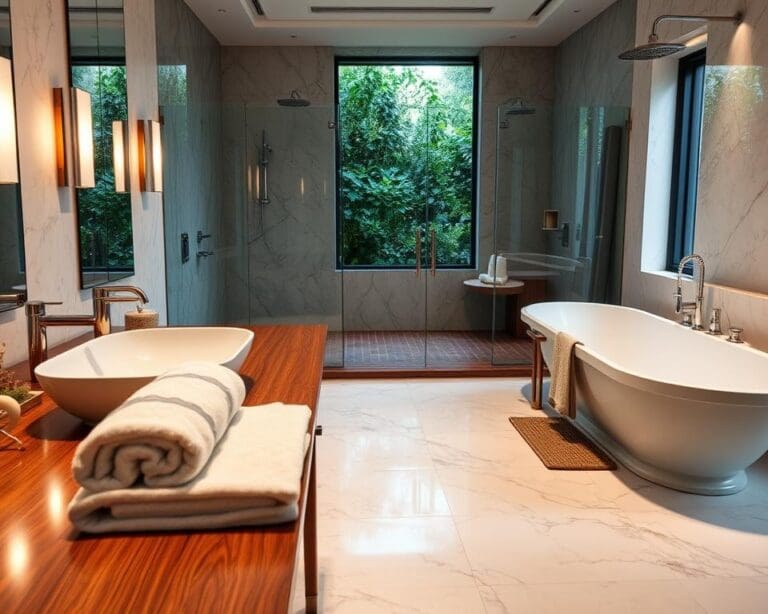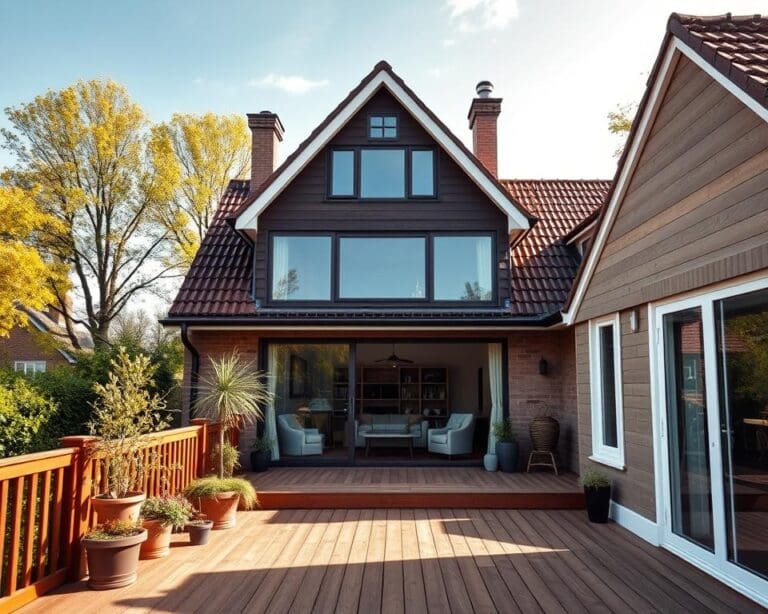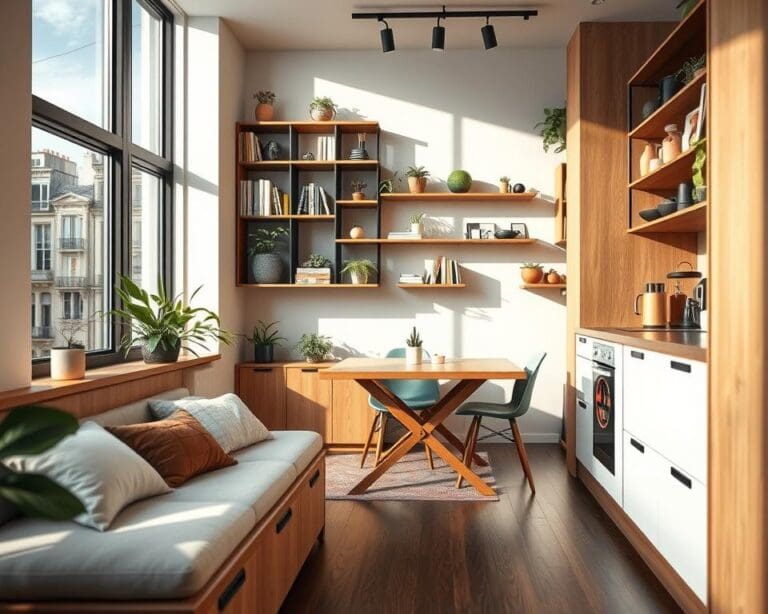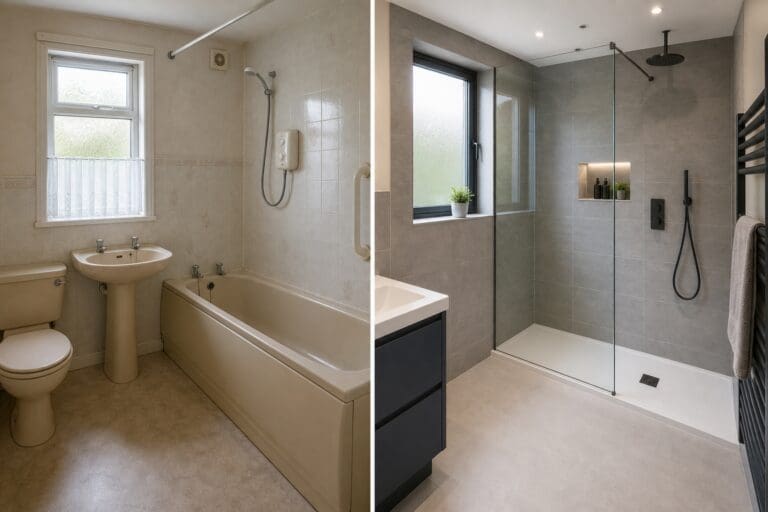

Planning a home extension can feel daunting, but a clear extension project strategy makes it manageable. Good home extension planning protects your budget, reduces delays and lifts long‑term enjoyment of your home.
This article is a practical roadmap for anyone in the United Kingdom planning a home extension. You will learn why careful planning matters, how to set realistic goals and whom to involve. A successful home extension begins with the homeowner as project lead working alongside professionals such as RIBA‑registered architects, chartered surveyors, architectural technologists, contractors and building control inspectors.
Careful planning turns disruption into opportunity: better flow, more natural light, improved energy efficiency and stronger market appeal. Whether you aim for modest extra space or a dramatic redesign, a clear brief and considered decisions make a UK home extension more likely to succeed.
The article is broken into four parts that build on one another: setting goals and the brief; practical steps for design, permissions and procurement; project delivery, timelines and cost control; and living through the build. Each section shows manageable steps to guide your planning a home extension process.
With preparation, professional advice and sensible expectations, a successful home extension is within reach. Read on to create an extension project strategy that protects your investment and improves daily life in your home.
home extension planning: setting goals and establishing your brief
Start with a clear extension brief that captures your project objectives and the purpose of extension in simple terms. Tie the brief to realistic home growth planning over a 5–15 year horizon so every decision supports future-proofing. A well-formed brief steers room priorities, defines the extension style and guides early budget planning.
Clarify your objectives and priorities
List must-have, nice-to-have and optional features. State whether you need extra living space, an open-plan kitchen-diner, additional bedroom(s), a home office or adaptable living for ageing in place. Link each objective to lifestyle and family plans so the project objectives remain practical and measurable.
Assess current space and future needs
Begin with a space assessment using existing plans or measured surveys. For precision, commission RICS chartered surveyors or architectural technologists to confirm footprint, structural walls and service runs. Analyse circulation, sightlines and daily performance to spot constraints such as low ceilings, drainage runs or tree roots.
Define budget range and funding options
Set realistic budget brackets early. Compare modest, mid-range and high-spec scenarios to understand extension costs and how specification affects price. Include professional fees, surveys, planning and building control fees, fixtures, finishes and a contingency of 10–20%.
Consider style, materials and sustainability goals
Decide on an extension style that complements the existing house and local character. Choose between brick, engineered timber, aluminium glazing or composite windows by weighing maintenance and lifecycle costs. Prioritise sustainable materials and low-carbon extensions where possible to reduce running costs and meet higher performance standards.
Practical checks and funding advice
Assess site factors such as garden orientation, boundaries and access for trades and materials. Check for Tree Preservation Orders and conservation restrictions early. Explore renovation finance options: remortgaging, additional borrowing, homeowner improvement loans or personal savings. Contact mortgage providers early as lenders usually require valuations and details of planned works.
Performance, resale and future adaptability
Decide performance expectations for thermal comfort, natural light and insulation. Choose whether to meet Building Regulations or aim for higher standards like Passivhaus principles. Balance personalised features against those that add broad resale appeal, and design for adaptable rooms to support multi-generational living or future partitioning.
Next steps for a robust brief
Turn the extension brief into an ordered scope that lists project objectives, room priorities, measured surveys required and a provisional budget. Use this document during early consultations with architects and builders to keep costs and design choices aligned with your home improvement funding and long-term aspirations.
Practical steps to manage design, permissions and contractors
Start with a clear delivery route. Decide whether to hire an architect for bespoke design or opt for design-and-build vs architect-led procurement. An architect-led approach follows RIBA stages and gives tight control over design and quality. Design-and-build offers single-point responsibility and can shorten programmes on straightforward projects.
Match expertise to complexity. Choose an RIBA-registered architect for complex sites, conservation areas or major structural change. Architectural technologists and chartered surveyors excel at measured surveys, construction drawings and practical detailing where budgets are tighter.
Prepare the documentation in stages. Begin with concept sketches and progress to planning drawings for LPA guidance and planning application. Produce technical design, construction drawings and a clear specification so contractors can tender on the same basis.
Ensure structural input early. A structural engineer must supply structural calculations, beam schedules and foundation solutions when load-bearing walls are altered. This avoids late amendments to technical design that push up costs.
Check planning rules before work starts. For planning permission UK matters, consult the latest permitted development guidance and local LPA guidance. Small rear or side extensions may qualify for permitted development, but Article 4 directions can remove those rights.
Use pre-application advice to reduce risk. Many LPAs offer meetings to flag likely officer concerns and save time during the planning application process.
Address heritage constraints where relevant. Listed buildings and conservation areas often need specialist heritage advice and listed building consent in addition to planning permission.
Plan for building regulations compliance. Decide whether to use local authority building control or an Approved Inspector. Prepare staged information and be ready for inspections to demonstrate compliance with thermal, structural and fire requirements.
Respect the Party Wall etc. Act 1996. Serve notices where works affect shared walls, excavations near boundaries or foundation depth. If neighbours contest, appoint surveyors and allow time for party wall procedures and potential costs.
Communicate with neighbours early. Seek neighbour consent where practical, share key drawings and outline working hours. Good liaison reduces disputes and clarifies access, waste storage and parking for trades.
Coordinate services and finishes. Resolve plumbing, heating, electrical and drainage routes during technical design. Include insulation, ventilation and damp-proofing details required by building regulations.
Issue consistent tender packs. Use identical drawings, specification and contract terms in the tendering process. Consider traditional tendering to multiple contractors or a negotiated tender if you have a preferred builder.
Compare quotes beyond the headline figure. Review exclusions, provisional sums and lead times for long-lead items. A detailed specification and schedules for windows, doors and finishes make comparisons fairer.
Conduct contractor checks before appointment. Verify public liability and employers’ liability insurance, ask for references and inspect recent completed projects. Membership of the Federation of Master Builders, Gas Safe or NICEIC registrations indicate robust standards.
Agree clear contract terms. Set out scope, variation processes, retention, defect liability and staged payments. Use recognised forms such as JCT Minor Works where helpful to reduce ambiguity.
Project delivery: timelines, cost control and living through a build
Begin with a clear build schedule and realistic construction timeline that maps design, planning decisions, procurement and site mobilisation. Break the work into milestones — foundations, superstructure, roofing, first fix, plastering, second fix, commissioning and final inspections — and factor in lead times for bespoke windows, kitchens and specialist fittings. A concise programme keeps expectations aligned and helps contractors and suppliers meet deadlines.
Cost management is central from day one. Monitor spend with regular cost reports and log every instruction and variation. Where changes arise, secure formal written approvals and updated quotes before work continues. Maintain a contingency pot and an auditable record of decisions so the final account reflects agreed work rather than guesswork.
Daily site routines matter as much as the bigger milestones. Prepare for deliveries, skip permits, scaffold erection, hoarding and temporary utilities to reduce delays and theft. Use simple communication tools — weekly site meetings, a site diary and photographic records — so the homeowner, contract manager and trades stay in step and issues are resolved quickly.
Living during renovation need not be chaotic. Set up temporary kitchens or decant areas, schedule noisy works around family routines and protect play areas. Plan dust control and cleaning regimes, and consider short-term alternative accommodation if essential services will be offline for long periods. At completion, carry out snagging inspections, collect final certificates and warranties, retain as-built drawings and update insurance and land registry records. These steps secure quality, support future resale and close the project with confidence.