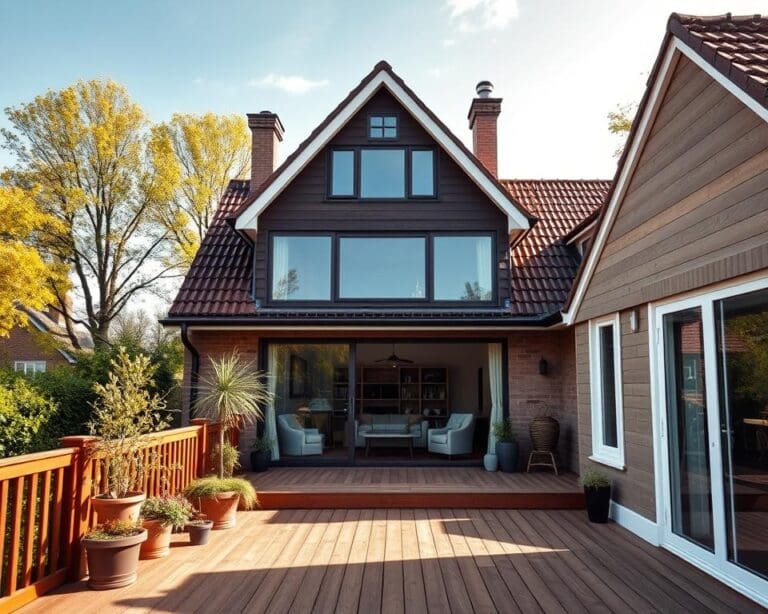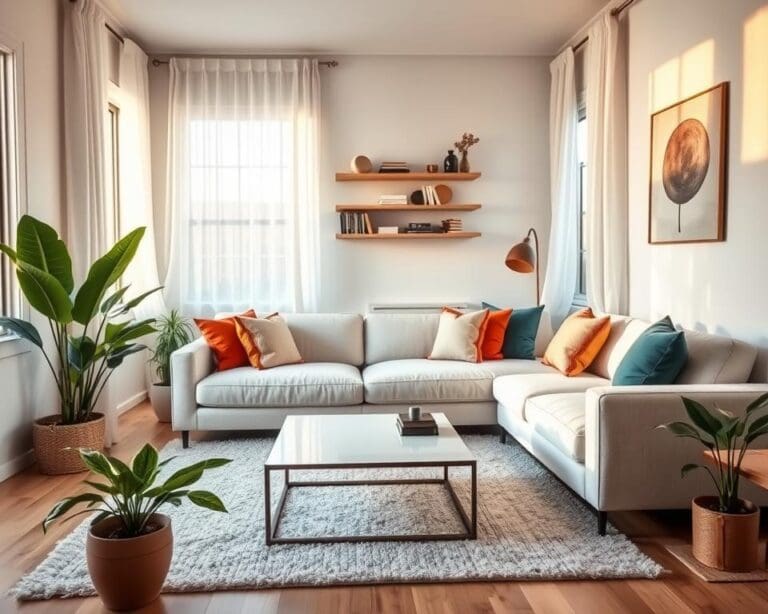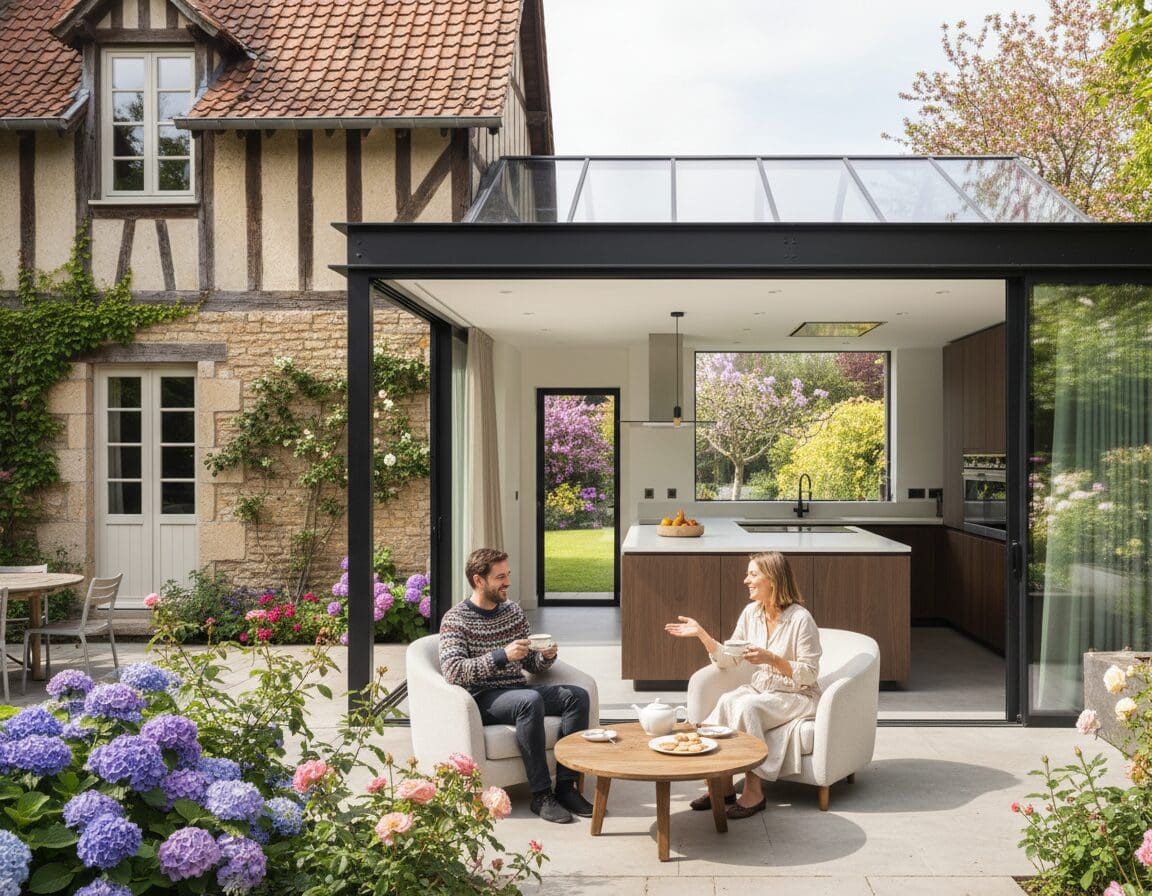
Adding a house extension can transform how you live. The primary benefits of house extension projects include increased living space, improved functionality and a closer connection to the garden. A well-designed extension brings greater natural light and a sense of openness, whether it is a single-storey rear extension, a side return, a double-storey addition or a dedicated garden room.
Homeowners in the UK choose to extend for many reasons. Growing families gain extra bedrooms and play areas. Professionals create a quiet home office. Older residents add a ground-floor bedroom and wet room to improve accessibility. Buyers and sellers also feel the benefits of house extension work, as an extension can enhance market appeal and long-term value.
The benefits of house extension combine practical, financial and emotional gains. Practical improvements like open-plan living and better flow sit alongside extend home advantages such as increased capital value. There is also pride in tailoring a home to suit personal tastes and needs.
Typical scenarios include turning underused garden space into a kitchen-diner, adding a first-floor bedroom for rental or resale appeal, or creating a ground-floor accessible suite for ageing in place. These outcomes often deliver immediate lifestyle improvements and medium-to-long-term financial returns.
Key considerations—planning permission, building regulations, costs and sustainability—are introduced here and expanded later. Seeking professional advice from RIBA chartered architects, structural engineers and local planning officers helps to maximise benefits of house extension work while reducing risk.
house extension benefits for space and lifestyle
An extension reshapes how a home feels and functions, giving space that matches changing routines. Thoughtful design brings both immediate lifestyle benefits and long-term adaptability without the need to move. Below we explore practical ways to expand living areas, add bedrooms or workspaces, and create rooms that change with the household.
Creating open-plan living and improved flow
Knocking through to form a kitchen-diner or combined living area lifts light and sightlines across the ground floor. An open-plan extension spreads natural daylight further into the home, improves social interaction and supports modern cooking and entertaining habits popular across the UK.
Design choices matter. Place a kitchen island to define circulation paths while keeping flow clear. Use zoning with furniture, level changes or rugs to separate functions without walls. Consider acoustic treatments, underfloor heating and efficient ventilation so the large space feels comfortable year-round.
Glazing selects the mood. Bi-fold doors, sliding doors and rooflights boost indoor–outdoor connection and create a seamless link with gardens. The practical gains include more usable floor area, easier entertaining and reduced reliance on many small rooms.
Adding extra bedrooms or a home office for modern needs
Demand for a home office extension and extra bedrooms extension has grown with remote work and multigenerational living. An extension can provide a dedicated workspace with data points, ample power outlets and improved soundproofing for concentration.
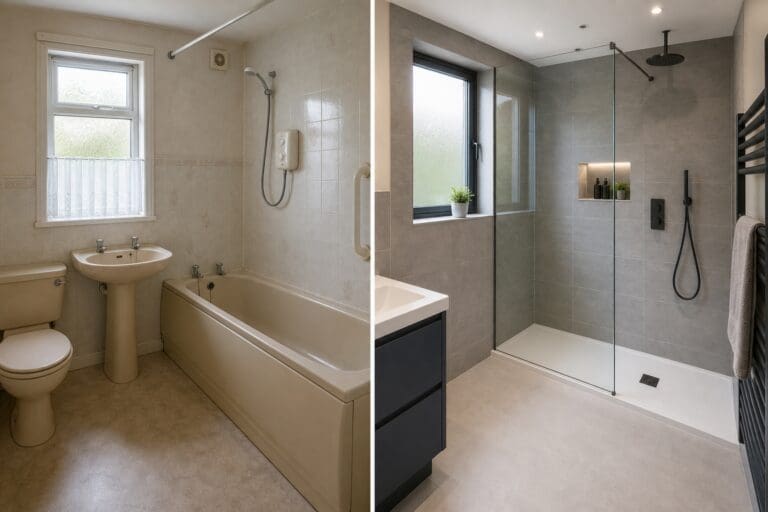
Bedrooms added by extension offer scope for en-suite bathrooms, built-in storage or independent living suites for tenants or elderly relatives. Ground-floor layouts can include wider doorways and wet-room options to future-proof accessibility and mobility.
Position new rooms for privacy and quiet, with good ventilation and escape routes to meet building regulations. Thoughtful insulation and glazing reduce noise and improve comfort for sleeping and working alike.
Designing multi-functional rooms for flexibility
Flexible room design keeps a house useful as needs change. Use fold-away furniture, sliding partitions and reversible fittings so a study can double as a guest room or a playroom can evolve into a teenage hangout.
Run extra electrical and networking services during construction to future-proof functionality. Plan for solar gain and shading to control temperature for varied uses. Choose finishes and storage that adapt as family life shifts.
Such adaptability delivers lasting lifestyle benefits by reducing the pressure to move when family size or routines change. The result is a home that grows with you, offering practical comfort and improved usability over time.
Financial advantages and increased property value
Extending your home can transform space and unlock measurable financial gains. A well-planned project improves liveability and boosts appeal to buyers and renters, raising the likelihood of an extension value uplift when compared with similar homes nearby.
How extensions impact market price in the UK
Extensions typically add usable floor area and make a property more competitive in its local market. The uplift to property value UK depends on location, the type of extension and the quality of finish. Areas with high demand and few comparable properties often see the strongest increase house price extension effects.
Factors that shape market impact include local market conditions, neighbouring comparables, planning constraints and build quality. Energy efficiency, extra bedrooms or a new kitchen-diner tend to drive better market perception than cosmetic changes alone.
Return on investment: typical figures and considerations
Return figures vary widely. Single-storey rear extensions often sit at the lower end of ROI house extension ranges, while side or double-storey builds that add bedrooms can show stronger returns.
Surveyors and estate agents commonly cite ROI ranges from about 50% up to and beyond 100% of build cost in the best cases. These figures depend on local market ceilings and how closely the build matches buyer expectations.
Careful choices on materials, insulation, glazing and finishes influence actual returns. Overspending on bespoke fittings in a modest neighbourhood can reduce the benefit, while poor workmanship can harm resale prospects.
Costs to consider versus long-term financial gain
Budget for design fees, structural engineering, planning or building regulation charges, construction, joinery, glazing and M&E works. Add landscaping, VAT where applicable and a contingency of around 10–20%.
Hidden costs include temporary disruption, potential council tax rebanding and higher running costs if efficiency is not improved. Regular maintenance is another ongoing commitment.
- Obtain multiple quotes from reputable UK builders and check references and insurance.
- Stage spending on high-impact areas such as the kitchen or an extra bathroom to maximise appeal.
- Get comparative appraisals from local estate agents and RICS-qualified surveyors to estimate extension costs vs value before committing.
Long-term financial benefits can include higher rental yields, a stronger resale price and lower running costs if the extension improves energy performance. Many homeowners find that extending avoids stamp duty and moving costs, making the overall proposition financially attractive when planned with care.
Planning, regulation and practical considerations
A well-planned extension starts with clarity on rules, safety and the practical steps that keep your build on track. Early checks save time and emotional strain. Use the brief below to guide conversations with your local authority, architects and builders.
Planning permission extension requirements vary across England, Wales, Scotland and Northern Ireland. Single-storey rear additions often fall under permitted development rights in many English suburbs when they meet size and design limits. Larger two-storey or side extensions typically need a full planning application.
In conservation areas, for listed buildings or where an Article 4 direction applies, permitted development rights may be removed and a planning application becomes necessary. Consult your local planning authority early and consider pre-application advice to reduce the risk of refusal.
- Key English PD limits: depth and height restrictions, side extension rules and materials that must be in keeping with the existing house.
- Footprint rule: extensions should not exceed 50% of the original property footprint if relying on permitted development rights.
Building regulations and structural safety
Building regulations extension rules apply to structural safety, thermal performance, fire protection, ventilation and drainage. Even when PD covers design, building regulations approval is usually required for structural works and new electrical or plumbing installations.
Engage a chartered structural engineer for foundation and load-bearing calculations. Follow the Party Wall etc. Act 1996 where neighbours are affected. Ensure smoke detection, suitable U-values for insulation and adequate ventilation to avoid condensation problems.
- Hire architects registered with RIBA or experienced architectural technologists for design compliance.
- Use engineers chartered through ICE or IStructE for calculations and certified work.
- For installations, use Registered Competent Person schemes to speed approvals for electrics and plumbing.
Timescales, disruption and contractor management
Expect design and approvals to take 4–12 weeks or longer when full planning permission is required. Procurement and contractor selection can add 2–6 weeks. Construction ranges from 6–12 weeks for single-storey extensions to 3–6 months for larger projects in extension timescales UK.
Manage disruption with a clear build-phase plan. Protect living areas, plan temporary kitchen facilities and set working hours with the contractor. Phased construction limits upheaval for occupied homes.
- Obtain at least three detailed written quotes and check membership of NHBC or the Federation of Master Builders.
- Verify insurers, request references and visit completed sites where possible.
- Agree a written contract such as a JCT form, set a payment schedule tied to milestones and keep a retention sum for snagging.
Prioritise health and safety on site, arrange responsible waste disposal and notify neighbours early. Good communication and diligent managing builders reduce stress and keep projects moving to plan.
Personalisation, sustainability and lifestyle improvements
A personalised home extension lets you shape spaces around how you live. Choose a contemporary glass extension for light-filled breakfasts or match period brickwork for subtle continuity with the façade. Bespoke joinery, tailored lighting schemes and storage that reflects daily routines turn an ordinary room into a personalised home extension that supports family life and style.
Building a sustainable house extension can cut running costs and boost comfort. High-performance insulation, double or triple glazing, underfloor heating and photovoltaic panels all help to create an energy efficient extension that often exceeds Part L standards. Selecting responsibly sourced timber, reclaimed tiles or low‑carbon concrete reduces embodied carbon and improves lifecycle performance.
Passive design choices matter as much as mechanical systems. Orientating the extension for solar gain, adding rooflights for daylight, using thermal mass and natural ventilation reduce reliance on heating and cooling. Complement these measures with low-energy LED lighting and, where suitable, an air‑source heat pump to strengthen long-term savings and EPC ratings.
The lifestyle improvements extension delivers go beyond finances. More daylight and garden views support mental wellbeing, while open-plan layouts enhance social connection. Designing level thresholds, accessible bathrooms and adaptable rooms future-proofs daily life and widens market appeal. Combining personalisation with sustainability creates a home that is more comfortable, cheaper to run and aligned with modern values.