Homeowners across the United Kingdom often face the same decision: move or extend? This article opens by asking which types of home extensions deliver the largest increases in usable floor area and the best chance to maximise living space without leaving your neighbourhood.
“Space” can mean different things. For many, it is additional usable square metres on the ground floor — a bigger kitchen-diner or family room. For others, vertical space from a two-storey addition or a loft conversion is the priority. Perceived space matters too: light, sightlines and clever layouts make rooms feel larger than their footprint suggests.
We will examine the main extension ideas that create the largest home extensions: rear extensions in single-storey and two-storey forms, wrap-around and side-return options, loft and roof conversions, and combined strategies such as rear plus loft that compound gains.
The guidance targets owners of terraced, semi-detached and detached properties across the UK who want to maximise living space without moving. It will be useful for families needing extra living, kitchen-diner or bedroom space, and for anyone weighing space gain against planning constraints, budget and disruption.
Along the way you will see the key trade-offs to consider: footprint versus vertical gain, permitted development versus full planning permission, cost per square metre, structural complexity and the likely impact on neighbours. These themes shape which UK home extension will suit your plot and your priorities.
Section 2 compares the types of home extensions and where they work best. Section 3 covers planning, costs and practical constraints, and Section 4 offers design strategies to maximise perceived and usable space. Read on to find extension ideas that fit your home and your ambitions.
types of home extensions: biggest space gains and where they work best
Choosing the right extension changes how you live. This brief guide compares common approaches, showing where each option shines and what trade-offs to expect when you want to increase footprint or add bedrooms.
Rear extensions for maximum ground-floor living space
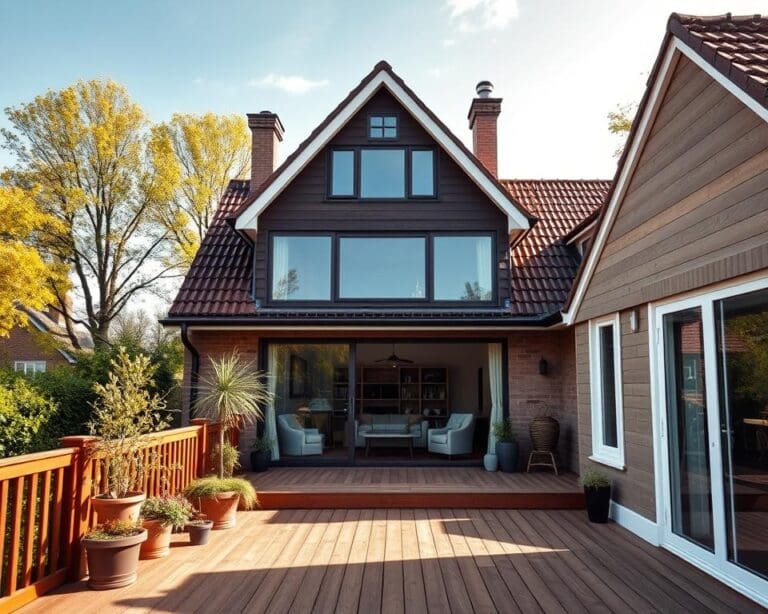
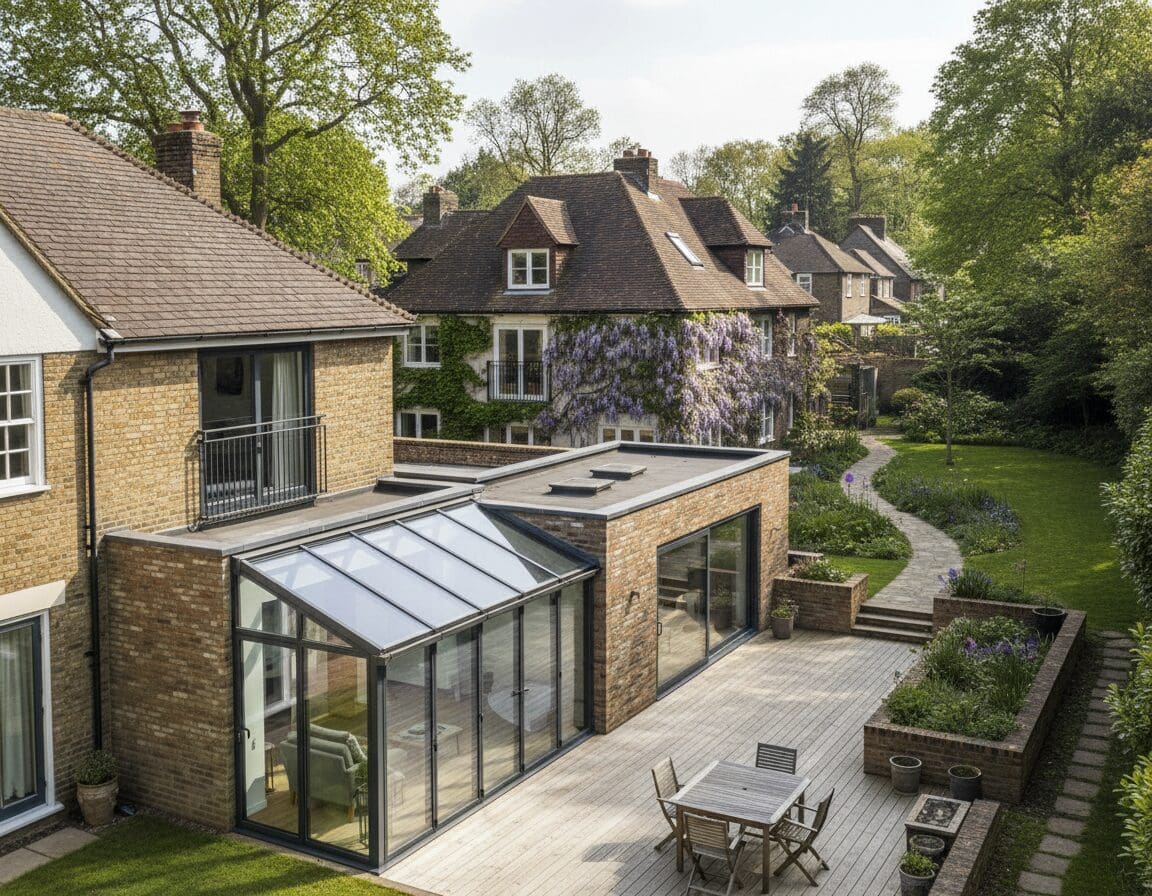
Extending into the garden is the most direct route to a ground-floor enlargement. A rear extension or garden extension often creates an open-plan kitchen-diner extension, family room or ground-floor master suite with bi-fold or sliding doors that connect indoor and outdoor space.
Single-storey rear extensions commonly add 3–6 metres to the back of a house, delivering substantial extra square metres depending on plot depth. Benefits include improved natural light and a more modern layout, though you must weigh garden loss, boundary proximity and possible drainage or foundation work.
Single-storey versus two-storey rear extensions — space comparison
Single-storey extension increases ground-floor area only. It tends to be cheaper, faster and often fits within permitted development if modest. Choose this when a spacious kitchen-diner extension or ground-floor living area is the priority and when garden depth or budget is limited.
Two-storey extension duplicates the footprint to add living space on both floors. This vertical extension effectively doubles the added habitable area, so you can add bedrooms, bathrooms and more circulation without using extra plot. Expect greater cost and complexity from structural work, stair installation and party-wall issues, plus higher planning scrutiny.
Wrap-around extensions and combining side returns for larger footprints
A wrap-around extension combines a rear extension with a side return extension to create an L-shaped plan. This approach is ideal for terraced and semi-detached homes that have a usable side gap and want to increase footprint without adding storeys.
Side-return kitchen layouts maximise floor area for a generous kitchen-diner extension, utility and storage while keeping garden access. Challenges include awkward roof detailing and plumbing runs, so careful design is needed to retain light with rooflights and glazed junctions.
Where space vs cost is a key decision, combining extensions lets you achieve a much larger footprint at ground level while avoiding the premium of a two-storey build.
Loft and roof conversions as vertical space solutions
Loft conversion or roof conversion offers another route to add bedrooms and living areas without reducing outside space. Dormer, mansard and hip-to-gable options create varying amounts of usable floor area and head height.
A loft extension suits homes with sufficient roof void and headroom, typically terraced or semi-detached properties. Permitted development may cover modest works, but larger schemes often need full planning, especially in conservation areas. Key considerations include insulation, stair access and structural reinforcement when you convert attic space into bathrooms or bedrooms.
Planning, costs and practical considerations for large extensions
Planning a large extension pairs design ambition with practical checks. Start by confirming permitted development rights for England and Wales if your project stays within size, height and boundary limits. Carry out early enquiries with the local planning authority so you know whether a planning permission extension is needed.
Permitted development does not apply in every case. Two-storey additions, big changes to rooflines, properties in conservation areas or any listed building extension often trigger formal approvals. Listed status typically requires listed building consent for alterations to historic fabric while conservation area rules can restrict materials, style and scale.
Budget planning must begin with realistic figures. Typical build costs for single-storey works in the UK can fall between £1,200 and £2,500 per square metre. Complex two-storey projects and premium finishes push the extension cost per square metre higher. Allow a contingency of 10–20% to cover unexpected items.
Hidden extension costs add up. Expect architectural and structural engineer fees, building regulation and planning application fees, party wall awards, neighbour notices and waste removal charges. Include VAT considerations and possible utility relocation bills when you calculate total spend.
For structural work, bring a structural engineer extension specialist on board early. Excavation for foundations, the need for steel beams when removing load-bearing walls and potential underpinning are expensive items. Foundations and underpinning requirements vary with soil and existing footings.
Party wall matters can delay progress. The Party Wall etc. Act 1996 often demands formal notices, surveys and awards for works near shared walls. Good neighbour relations reduce conflict; consult neighbours about access, noise and the likely neighbour impact before starting.
Site logistics influence build duration and construction disruption. Plan for access for plant, scaffolding, storage and welfare facilities. Urban streets may need traffic management and temporary drainage. Clear site planning limits surprise costs and keeps the project schedule realistic.
Typical timelines help set expectations. Once designs and approvals are in place, single-storey rear extensions often have a build duration of six to twelve weeks. Two-storey extensions and complex schemes commonly take four to six months or longer. Pre-construction lead time for design and approvals typically adds eight to sixteen weeks or more.
Manage disruption with practical steps. Protect interiors, consider phased living arrangements and set up temporary kitchens if needed. Agree a project schedule with milestones and regular updates from your contractor to reduce stress and keep the build on track.
Choose contractors carefully. Vet references, check insurance and memberships such as the Federation of Master Builders. Insist on a clear contract, a detailed programme and written allowances for hidden extension costs so budget planning remains robust throughout the works.
Design strategies to maximise perceived and usable space
To maximise space design, prioritise natural light and clear sightlines. Large glazed doors such as bi-fold or sliding patio units, full-height glazing and rooflights bring daylight deep into a room and create a strong visual link to the garden. Balance solar gain with external shading or roof overhangs so the space remains comfortable through summer and winter.
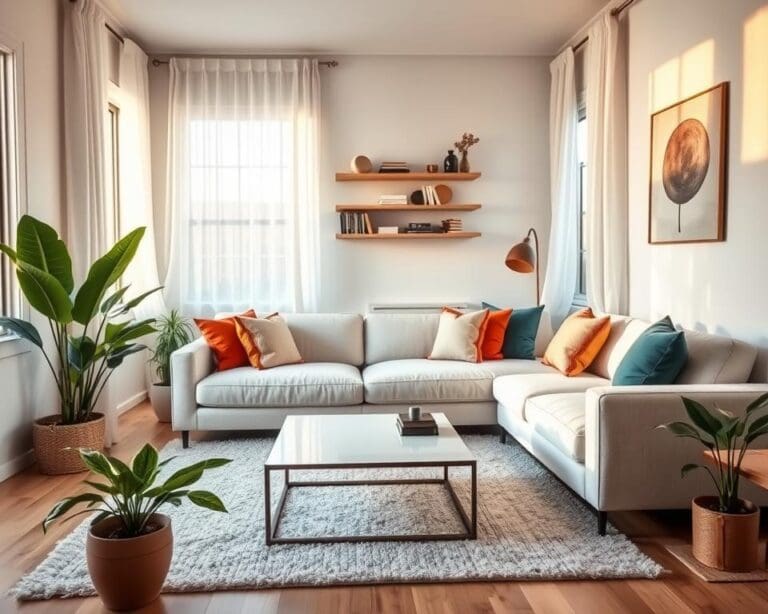
Open-plan strategies work well for small extension design because they remove wasted corridors and let one area perform many functions. Use consistent flooring and a restrained, light-coloured palette to create visual continuity between old and new. Define zones subtly with furniture, rugs and lighting rather than walls to keep circulation free and flexible.
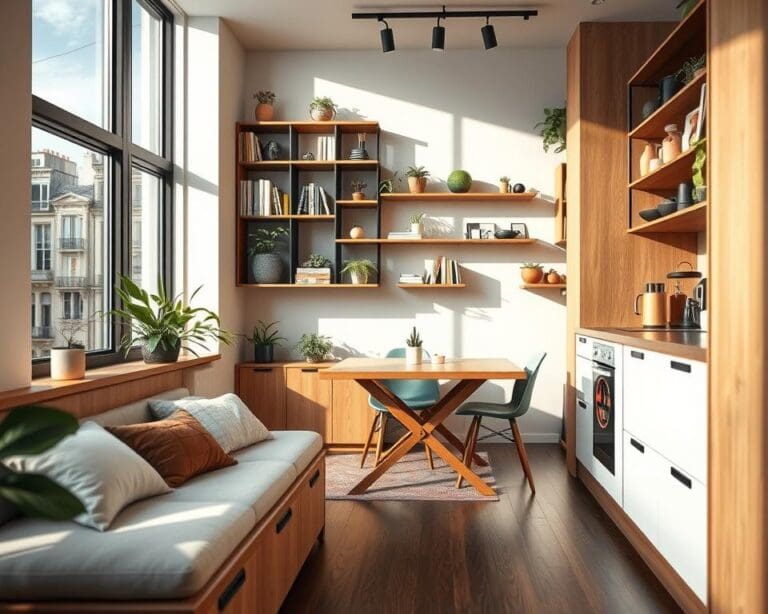
Smart storage solutions and vertical thinking free valuable floor area. Built-in cupboards, loft-style shelving, pocket doors and fold-away furniture convert awkward corners into useful space. Where ceiling height allows, mezzanines or split levels can add usable volume without expanding the footprint.
Make thermal comfort and accessibility part of the design brief to protect long-term value. High-spec insulation, energy-efficient glazing and underfloor heating reduce running costs, while level thresholds and wider doorways future-proof the extension. Thoughtful, sustainable choices ensure the new space feels larger, works harder and rewards daily living and resale value.