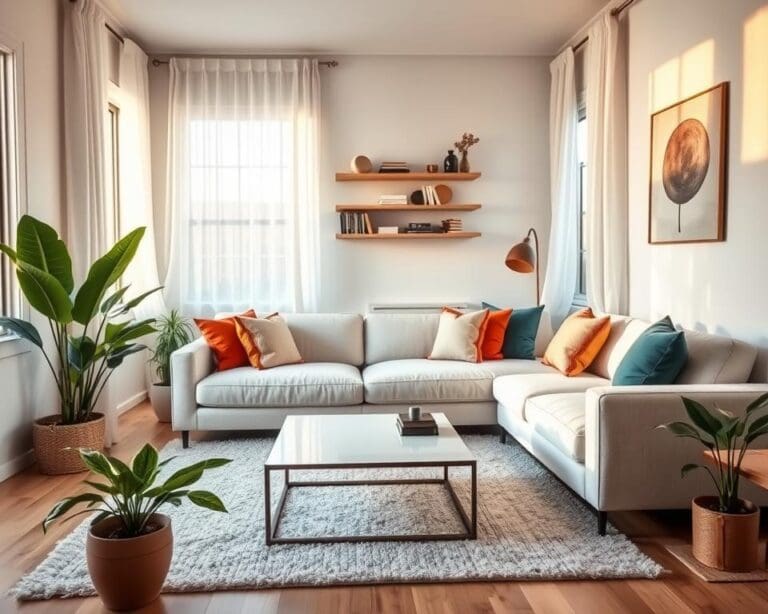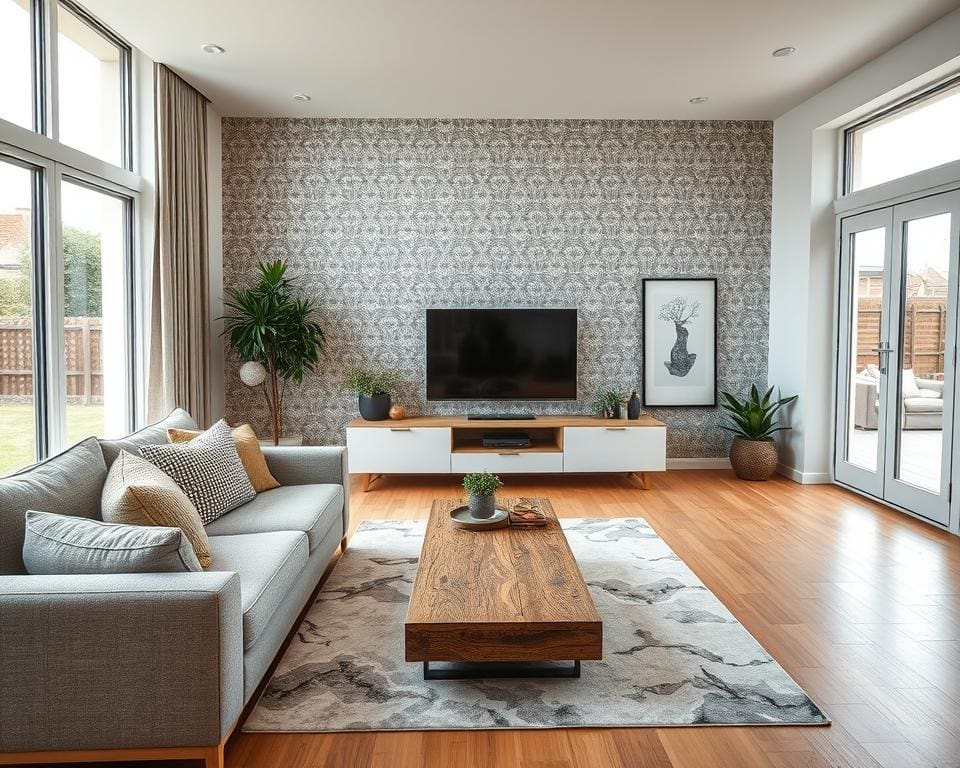
This short guide aims to inspire homeowners and renters across the United Kingdom with practical living room design ideas that balance style, comfort and function. Whether you live in a London flat, a Victorian terrace or a new-build, the advice here focuses on space optimisation, layered lighting and material choices that suit the UK climate.
Expect contemporary living room UK tips drawn from British design trends and retailers such as John Lewis & Partners, Heal’s and Made.com. The piece adapts Scandinavian simplicity for local homes and offers modern lounge ideas that suit both compact rooms and open-plan spaces.
Core themes include clever storage, multifunctional furniture and textured finishes that add warmth. By the end of this article you will have clear living room inspiration and actionable steps for choosing a palette, planning lighting and arranging sofas for a cohesive modern living room design.
living room design ideas for a contemporary British home
Creating a contemporary British living room means blending timeless character with clean, modern lines. Think restrained elegance: original cornicing or a fireplace paired with a low-profile sofa from Sofa.com or an oak coffee table for contrast. Keep proportions British, favour comfort and choose pieces that age well.
Defining modern British living room style
The modern British interior prizes balance. Combine classic features such as sash windows and wooden floors with contemporary silhouettes for cohesion. Use quality upholstery and durable fabrics from reputable retailers like Barker and Stonehouse to ensure a long-lasting finish.
Introduce heritage details sparingly so they complement rather than compete with minimalist furniture. This creates a calm, lived-in look that still feels curated.
Balancing form and function in open-plan layouts
Open-plan living brings light and flow but requires careful zoning. Define seating with rugs, low-back sofas and consoles to preserve sightlines. Position furniture to create clear circulation paths and use bookcases or steel-framed glass screens to segment space while keeping it airy.
Carry materials and colour across kitchen, dining and lounge areas so the modern British interior reads as one coherent space. This approach makes transition natural and visually pleasing.
Material choices that suit the UK climate
Choose UK-friendly materials that cope with damp and seasonal shifts. Engineered oak or reclaimed timber resists movement better than solid planks. Wool rugs and blended textiles add warmth and insulation during chilly months.
For upholstery, select treated linen or performance fabrics with stain resistance. Use water-based paints and moisture-resistant plaster where needed. Porcelain tiles work well with underfloor heating in modern homes.
How to layer lighting for mood and practicality
Good lighting design living room plans use three tiers. Start with ambient sources such as pendants or recessed lights. Add task lamps for reading and adjustable floor lamps next to seating. Finish with accent lights like picture lights or LED strips to highlight architecture.
Fit dimmers and zoned switching to change mood and save energy. Choose warm bulbs around 2700K–3000K to create a cosy atmosphere suited to UK evenings. Place task lighting near sofas and uplighters to reveal cornicing or fireplaces.
Colour schemes and finishes to elevate your space
Start with a neutral base to let light and furniture take centre stage. A neutral palette living room built from soft whites, warm beiges, greige and gentle greys creates a calm backdrop that suits British homes. Paint samples from Farrow & Ball or Dulux Trade help you test tones in morning and evening light before committing.
Introduce personality with bold accents. Jewel tones such as teal, emerald and sapphire add depth. Terracotta and ochre bring warmth. Muted pastels keep the scheme contemporary and fresh. Practical pairings work well: a charcoal sofa against pale walls with mustard cushions, or pale grey walls teamed with navy accents and brass hardware. These living room colour schemes balance restraint with character.
Texture gives a room soul. Layer woven rugs, boucle upholstery and velvet cushions to create tactile interest and insulating comfort. Throws in wool and linen add breathability for the UK climate, while easy-care synthetic blends stand up to pets and children. Timber grain and fluted veneers bring organic warmth without glare.
Choose matt paints and soft sheen finishes where you want a cosy feel. Textured finishes such as limewash, Venetian plaster or subtle sand render add depth and hide minor blemishes. Use these sparingly to avoid overwhelming the scheme; a single textured element will amplify the rest.
Feature wall ideas should frame the room and draw the eye. A matte-painted wall can enhance moulding and architectural detail. Wallpaper on one wall establishes a focal point and a narrative for the space. Look at ranges from John Lewis & Partners and Graham & Brown for patterns suited to British tastes.
Scale and placement matter. Small rooms benefit from small-scale motifs, while larger rooms suit bolder, larger repeats. Position a feature wall behind the sofa or media unit so it anchors the layout without competing with other elements.
Consider removable wallpaper for renters who want impact without permanence. For busy halls and family living areas, choose durable finishes and protective coatings that resist scuffs and clean easily. These choices allow living room colour schemes and textured finishes to remain stylish and practical over time.
Furniture, layout and storage solutions
Choose furniture that fits the room and your lifestyle. Think about scale, circulation and focal points before you buy. Careful planning turns simple living room furniture ideas into a calm, practical space you enjoy every day.
Selecting sofas and seating for comfort and style
Measure doorways and stairwells to ensure a sofa will fit. For relaxed lounging pick a deep-seated sofa; for formal seating choose a standard depth. Think about sofa selection UK options from Heal’s, Loaf or Barker & Stonehouse for British warranties and reliable aftercare.
Choose upholstery that copes with family life. Durable woven fabrics and stain-resistant treatments work well. Leather offers a classic look, while boucle captures a current trend. Add armchairs, ottomans and pouffes to create flexible seating and extra guest places.
Smart layouts for small and large living rooms
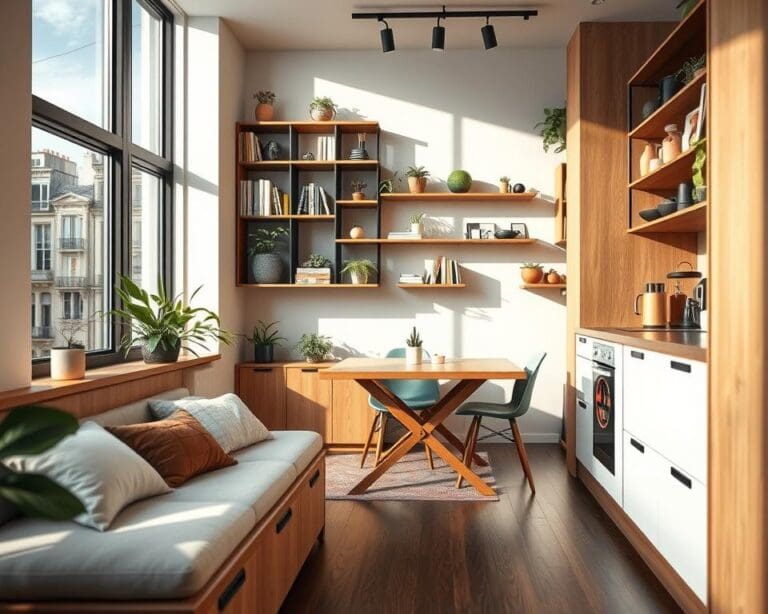
In a small living room layout favour L-shaped or modular sofas to maximise seating without blocking flow. Use wall-mounted TVs, narrow console tables and multi-purpose furniture to free up floor space.
In larger rooms create zones: a conversation cluster, a media area and a reading nook. Use rugs to define each area and choose furniture with the right scale so the space feels cohesive rather than sparse.
Keep walkways clear. Position focal points such as a fireplace, TV or major artwork to guide furniture placement and improve circulation around the room.
Built-in and modular storage to reduce clutter
Built-in storage makes the most of floor-to-ceiling space and hides AV cables for a neat finish. Commission a local joiner or explore bespoke options from national retailers like B&Q for period or contemporary homes.
Modular shelving and media units offer flexibility if you move often. Look for units with cable management and combine them with multifunctional coffee tables and stylish baskets for everyday items.
Declutter with clearly defined zones and labelled storage. Rotate cushions and throws to reduce visual clutter and keep surfaces clean and calm.
Accent furniture and statement pieces that anchor the room
A single standout item can provide character and act as an anchor. Consider a sculptural coffee table, a vintage sideboard or a designer armchair to create a focal point.
Mix eras for personality; pair a mid-century armchair with a contemporary sofa for an eclectic yet curated feel. Use second-hand marketplaces such as eBay and Facebook Marketplace to find authentic pieces at sensible prices.
Check sightlines and circulation when choosing statement furniture pieces. Ensure the scale complements the room so the item enhances the layout rather than overwhelms it.
Styling, accessories and sustainable touches
The finishing touches turn a room into a home. Layer cushions and throws in contrasting textures to create depth, and place curated books and objects on coffee tables and shelves in odd-number groupings for visual appeal. Indoor plants add biophilic warmth and improve air quality, while a well-chosen mirror or piece of art increases perceived space and anchors the scheme. These living room styling tips help you balance personality with practicality.
Composition matters: vary heights and textures, group items into sets of three or five, and rotate accessories seasonally to keep the space fresh. For carefully selected pieces, shop Habitat, Anthropologie and Oliver Bonas, or visit local independent markets for unique finds. Look for living room accessories UK retailers that publish material details so you can make informed choices about provenance and care.
Adopt sustainable living room habits by buying second-hand or vintage furniture and choosing FSC-certified timber for new pieces. Use natural or low-VOC paints such as Earthborn and opt for eco-friendly furniture and upholstery when possible. Repairing and reupholstering extends a piece’s life; this approach reduces waste and often preserves quality that mass-produced items lack.
Practical maintenance prolongs charm: follow manufacturer cleaning guidance, rotate cushions, use coasters and trays, and invest in a durable sofa and good lighting while economising on accessories and rugs that can be updated. Improve energy efficiency with LED lighting, draft-proofing, and layered soft furnishings to cut heat loss. For a final styling checklist, establish a focal point, choose a cohesive palette, layer lighting, add storage, pick key sustainable items and finish with personal touches using the best styling ideas living room offers.