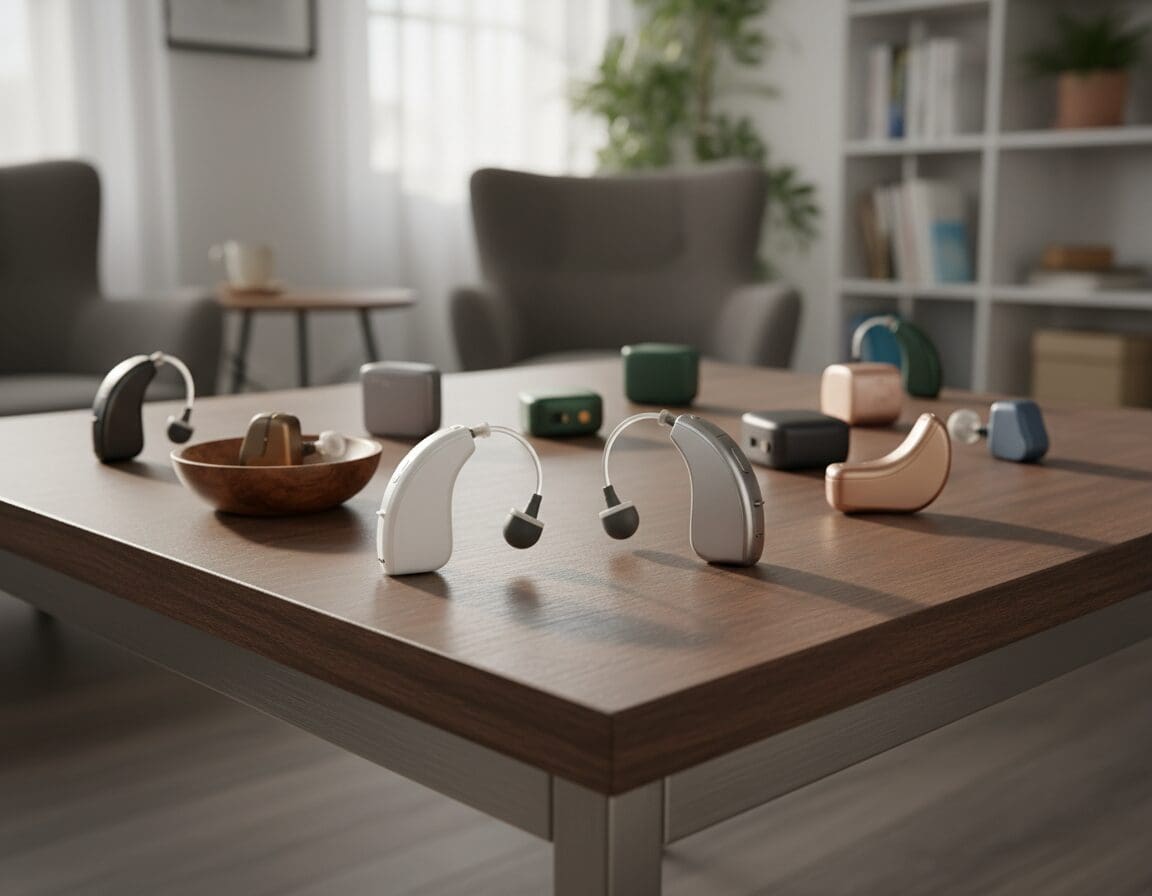
Hearing aids are medical devices that amplify sound and help people with hearing loss reconnect with conversations, music, and everyday life. Today’s hearing aid types and styles differ in design, placement, and technology, offering tailored solutions for a wide range of needs and preferences.
In the UK, choosing the right option often involves balancing comfort, performance, and long-term support. From discreet in-ear models to powerful behind-the-ear designs, each style shapes how sound is experienced in daily situations. For clear and practical hearing aids information, hearalways.co.uk provides an accessible starting point to explore features, support options, and what to expect from different devices.
Reliable guidance from organisations such as the NHS, combined with innovations from leading manufacturers, continues to improve both usability and sound quality. With the right information and support, selecting a hearing aid becomes less overwhelming and more about finding a solution that fits seamlessly into your lifestyle.
Overview of hearing aids: types, styles and key features
Choosing the right hearing aids starts with understanding the main hearing aid types and hearing aid styles available. Devices fall into two broad groups by location and form factor: behind-the-ear models and custom in-the-ear models. Behind-the-ear options include open-fit and receiver-in-canal (RIC/RITE) designs, plus BTE devices fitted with earmoulds. Custom choices cover in-the-ear (ITE), in-the-canal (ITC), completely-in-canal (CIC) and invisible-in-canal (IIC) styles.
Why understanding hearing aid types matters for sound quality and comfort
Microphone and receiver placement shape sound quality. A RIC device places the receiver in the ear canal for clearer highs, while BTE microphones can reduce wind noise. Venting, occlusion and the coupling method influence how natural your own voice sounds.
Comfort comes down to size, weight and fit. Small CIC and IIC models sit deep in the canal and suit those who prioritise discretion. BTE and earmould combinations offer a lighter feel in the ear and greater long-term comfort for people with dexterity concerns.
Common hearing aid features to consider when choosing a style
Modern hearing aids share many powerful hearing aid features that improve listening in noisy places. Look for digital signal processing, directional microphones, noise reduction and feedback cancellation. A telecoil can help with loop systems in public venues.
Connectivity matters for daily life. Bluetooth streaming links hearing aids to phones, TVs and accessories. Proprietary apps enable remote control, programme changes and firmware updates. Power choice affects convenience: disposable zinc-air cells suit infrequent users, while rechargeable lithium-ion systems offer all-day use and eco-friendly benefits.
Controls vary by model. Push buttons and rocker switches give tactile feedback. Tap gestures and app control keep the shell smooth and discreet. Consider what you can manage easily when choosing a style.
How styles influence fitting, maintenance and lifestyle suitability
Custom ITE, ITC, CIC and IIC styles require ear impressions and precise fitting. They are more prone to earwax and moisture issues, so routine cleaning and occasional professional re-canalisation are needed. Wax guards are common service items.
BTE and RIC designs keep electronics outside the canal, cutting moisture risk. Earmoulds may need replacement as ear shapes change. Many manufacturers such as Phonak, Oticon and Signia offer water- and dust-resistant coatings that suit active users.
Degree of hearing loss guides the choice of type. Severe and profound losses often require BTE with earmoulds for secure coupling and power. Mild-to-moderate losses are commonly well served by CIC, IIC or RIC options.
Practical considerations in the UK include NHS provision versus private purchase, as well as warranty, aftercare, trial periods, and adjustments from providers such as Hear Always. For clear and reliable information on hearing aids, visit hearalways.co.uk, where you can compare features, support options, and trial periods before making a decision.
BTE hearing aids and variations
The family of BTE hearing aids spans robust, discreet and highly customisable designs. Readers will learn how behind-the-ear devices work, why open fit BTE hearing aids suit many people, when receiver in the ear hearing aids are preferable and how BTE hearing aids with earmoulds serve those needing maximum power and control.
Behind-the-ear basics
BTE devices house circuitry and battery in a shell that sits behind the ear. Sound travels through tubing to an earmould or thin tube and dome. Larger electronics mean more amplification and longer battery life. These hearing aid types suit mild to profound loss, children who need durable fittings and adults who prefer easy handling. Tubing and earmoulds require periodic replacement. Cleaning tends to be straightforward and less affected by earwax than in-canal models.
Open fit designs and benefits
Open fit BTE hearing aids use a thin tube and small dome that leave the ear canal mostly open. This reduces the plugged-up sensation and preserves low-frequency naturalness while boosting high frequencies. They work well for mild-to-moderate high-frequency loss and for wearers who prioritise comfort and natural sound. Limitations include reduced low-frequency gain for severe loss and a higher chance of whistling with certain ear shapes.
Receiver in the ear models
Receiver in the ear hearing aids place the speaker inside the ear canal on a thin wire. This keeps the behind-the-ear housing small and discreet while improving sound clarity through reduced acoustic loss. Many RIC or RITE devices offer Bluetooth streaming and rechargeable options. Brands such as Oticon, Phonak and Signia provide models across performance tiers. Receivers are replaceable but may be vulnerable to wax and moisture, which adds a maintenance consideration.
BTE with earmoulds for power and control
BTE hearing aids with earmoulds use custom-made shells that fit the outer ear and canal. That secure coupling yields maximum power transfer and reliable feedback control. These are the preferred hearing aid types for severe to profound loss and for children who need secure retention. Choice of mould material and venting helps audiologists shape amplification and comfort. Fitting requires ear impressions and periodic remakes as ears change, particularly in growing children.
Practical UK notes
Costs vary between standard BTE, receiver-in-canal models and fully custom-fit devices. The NHS supplies many types to eligible patients, while private suppliers offer premium features and aftercare. Clear guidance from an independent audiologist helps match the right BTE style to hearing needs, lifestyle and budget when choosing hearing aids.
In-the-ear options: ITE, ITC, CIC and IIC hearing aids
Custom-fit hearing aid styles offer choices that balance discretion, performance and ease of use. ITE and ITC hearing aids sit partly or fully in the outer ear, giving space for controls and larger batteries. CIC hearing aids and IIC hearing aids tuck deeper into the canal for a near-invisible look, with trade-offs in power and serviceability.
In-the-ear (ITE) devices fill the concha bowl and can house larger batteries, directional microphones and manual controls. These features suit users with mild-to-severe loss who want easier handling and longer battery life. Custom fabrication gives a secure, comfortable fit and better microphone placement than very small canal devices.
In-the-canal (ITC) models sit partly in the ear canal and appear more discreet while still offering some volume controls and directional mics. They reduce visible bulk yet remain easier to handle than tiny canal options, making them a good middle ground for many people.
In-the-ear (ITE) and in-the-canal (ITC) hearing aids: balance of custom fit and functionality
Custom ITE and ITC designs deliver stable acoustic coupling and often improved speech clarity in noisy places. They are more exposed to earwax and moisture than behind-the-ear types. For users with reduced dexterity, the larger controls and battery access can make daily use simpler.
Completely-in-canal (CIC) and invisible-in-canal (IIC) hearing aids: cosmetic discretion and limits
CIC hearing aids sit fully inside the canal and look less obvious than ITC devices. IIC hearing aids sit even deeper and are often invisible from outside the ear. These styles reduce wind noise and have strong cosmetic appeal for users who prioritise discretion.
Size limits mean CIC and IIC devices have less room for directional microphones, Bluetooth streaming or rechargeable cells. Most rely on small zinc-air batteries and face greater risk from wax blockage and moisture. They are rarely suitable for severe or profound hearing loss.
Comparing battery life, controls and connectivity across custom-fit styles
Battery life varies by size and feature set. ITE models can carry size 13 batteries or built-in rechargeable systems for extended runtime. ITC models often use mid-size batteries with moderate life. CIC and IIC hearing aids typically use size 10 or 312 zinc-air cells, which need more frequent changes.
Controls follow the same pattern. Larger custom-fit styles include volume wheels, programme buttons and telecoil options. Small canal devices depend on automatic programmes or smartphone apps for adjustments. Major brands like ReSound, Phonak, Signia and Widex offer accessories to link smaller aids to modern connectivity features.
- Maintenance: regular wax-guard replacement and professional cleaning keep custom devices working well.
- Aftercare: retailers such as Hear Always provide follow-up services and routine checks for bespoke fittings.
- Warranty and lifespan: expect standard UK warranties and an average serviceable life that depends on care and environmental exposure.
For balanced information and guidance on candidacy and fitting, seek hearing aids information on hearalways.co.uk and consult an audiologist who can test ear anatomy and hearing needs before recommending a style.
Features, accessories and guidance for choosing the right hearing aid
Choosing between hearing aid types and hearing aid styles begins with your audiogram and daily life. Degree and configuration of hearing loss guide whether a behind-the-ear or in-the-ear solution is appropriate. Equally important are lifestyle needs — social life, work, sport — plus cosmetic preference and manual dexterity when assessing hearing aid features such as volume controls or push buttons.
Prioritise key technology: directional microphones, noise reduction, feedback cancellation and telecoil for loop systems found in many UK venues. Automatic scene analysis helps devices adapt to changing environments. Consider connectivity and smartphone integration if you value direct Bluetooth streaming, app-based controls and remote adjustments for calls, music and fine-tuning.
Decide on power type: rechargeable lithium-ion models offer daily convenience and lower long‑term waste, while disposable batteries suit those wanting quick, familiar swaps. Complementary accessories can transform usability — remote microphones and TV streamers improve speech-in-noise performance, drying pods and dehumidifiers protect electronics, and wax guards plus cleaning kits maintain reliability.
Before making a purchase, arrange an audiology assessment that includes objective testing and speech measurements. While NHS provision meets many needs, private options often provide quicker access to advanced features, personalised fittings, and extended aftercare. Explore clear guidance and reliable information on hearalways.co.uk to better understand your options. Pay close attention to trial periods, warranties, and the possibility of ongoing fine-tuning.
Ultimately, hearing aids are an investment in communication, wellbeing, and confidence—choose a solution that supports your daily life and helps you stay fully connected to the world around you.