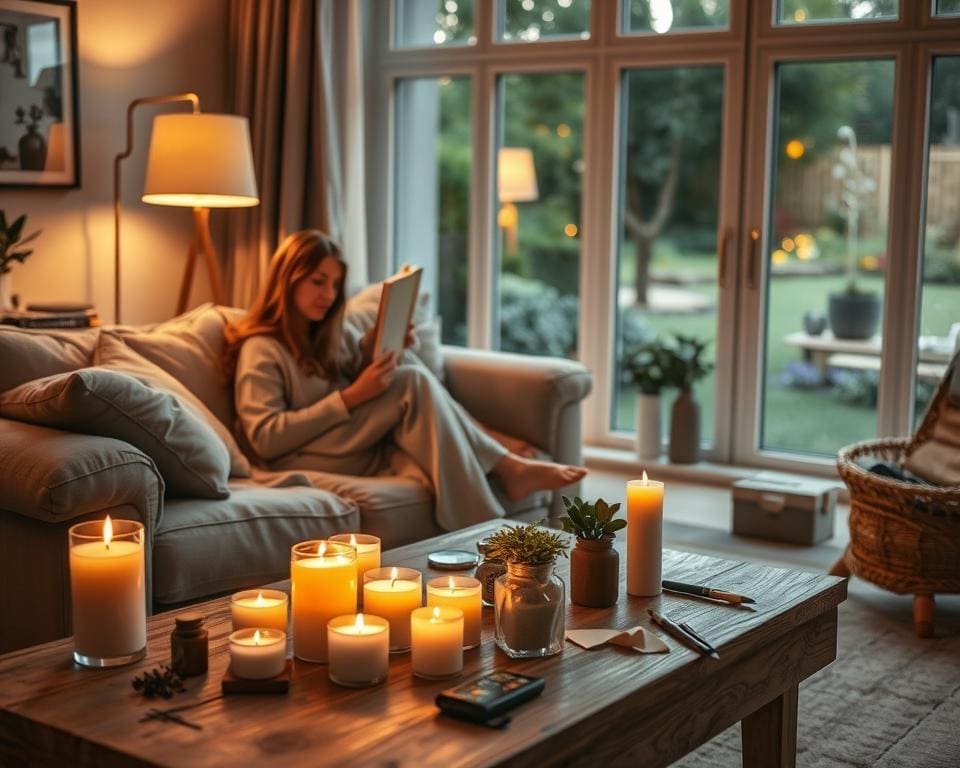
You can turn an ordinary night into a restorative ritual that helps you de-stress, sleep better and feel more present. A deliberately planned relaxing evening at home calms the nervous system, lowers stress hormones and supports quicker sleep onset. Many studies link structured relaxation and reduced screen time with lower cortisol and improved sleep quality, so a little intention goes a long way.
This short guide sets out practical ideas for a night in that suit singles, couples and families. You will find options for planning your evening, creating a cosy atmosphere, trying low-effort creative activities, and pairing food, drink and simple self-care rituals. Suggestions range from low-cost and low-effort to more involved options, so you can mix and match to suit your mood.
Treat this as a personalised practice rather than a one-size-fits-all routine. Pick two or three night-in activities from later sections and try them for a few evenings to see what helps you most. Quick wins include setting a start time, dimming the lights, preparing a simple meal or snacks, putting phones away, choosing a soothing playlist and trying one creative hobby or mindful movement.
Planning your perfect relaxing evening at home
To plan a relaxing evening you need a clear starting point. Think about what you want from the night: rest, mental recharge, creativity or gentle social time. A short intro helps you choose activities that match your goal and keeps your evening routine purposeful.
Setting intentions for the night
Begin with a single-sentence intention or a tiny checklist. For example: Unplug and sleep earlier or Create something small and tidy my space. These short intentions guide choices, so a desire to unwind physically will point you towards a bath and stretches, while a wish to recharge mentally suggests reading or journalling.
Keep intentions flexible and kind. If you change mood, accept the shift without judgement and adapt the plan.
Choosing a start time and realistic activities
Pick a start time that fits your day. Families often begin earlier. Night owls may start later. For better sleep, begin wind-down actions 60–90 minutes before bedtime.
Match activity intensity to your energy. Low-energy nights suit passive relaxation like films or baths. Higher-energy evenings can host sketching, gentle yoga or cooking. Limit activities to two or three and assign rough durations, for example: 20–30 minutes for a bath, 30–45 minutes for creative time and 30–60 minutes for a relaxed meal or film.
Creating a simple schedule that reduces decision fatigue
Draft a short sequence: arrival ritual, atmosphere setup, main activity and a closing ritual. An arrival ritual might be changing into cosy clothes. Atmosphere setup covers lighting and music.
- Arrival ritual: change into comfy clothing.
- Atmosphere: dim lights, queue a playlist.
- Main activity: read, create, move gently.
- Closing ritual: warm drink, skincare, digital shutdown.
Use checklists, phone reminders or a paper note to remove choices. Prepare in advance by laying out clothes, pre-chopping ingredients or queueing a podcast. Try timeboxing or a leisure version of Pomodoro: 25–45 minute creative blocks with 10–15 minute breaks to help flow without pressure. This approach will reduce decision fatigue and make your evening schedule feel effortless.
Atmosphere and comfort ideas to enhance relaxation
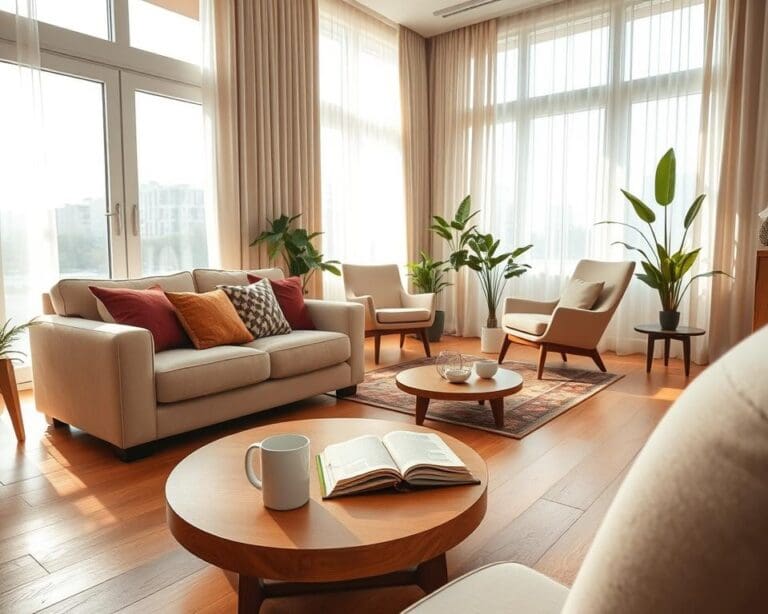
Create a relaxing atmosphere at home by arranging a few simple elements that calm the senses. Start with a warm palette and clutter-free surfaces to set a peaceful tone. Small, intentional changes make a big difference to your relaxation environment.
Lighting options: lamps, candles and dimmers
Soft, warm light helps your body prepare for rest. Use table lamps with low-watt bulbs, warm LED strips or salt lamps to avoid harsh glare. Dimmers or smart bulbs from Philips Hue or IKEA TRÅDFRI let you drop brightness gradually to suit the hour.
Candles give instant ambience. Choose beeswax or soy options if you want a natural scent and keep them well away from fabrics. Fairy lights and indirect uplighting add depth without overstimulation, which supports a gentle, cosy lighting ideas approach.
Soundscapes: playlists, ambient noise and guided meditation
Curate ambient soundscapes that match your plan for the evening. Pick a playlist on Spotify or Apple Music with acoustic, lo-fi or soft jazz tracks for reading or light creative work. Keep volume low and steady to avoid jolts that break calm.
Apps such as Calm, A Soft Murmur or Insight Timer offer rain, waves and fireplace sounds you can layer behind a guided meditation. Use a compact Bluetooth speaker or wireless headphones to distribute sound evenly and preserve the relaxation environment.
Comfort upgrades: blankets, cushions and cosy clothing
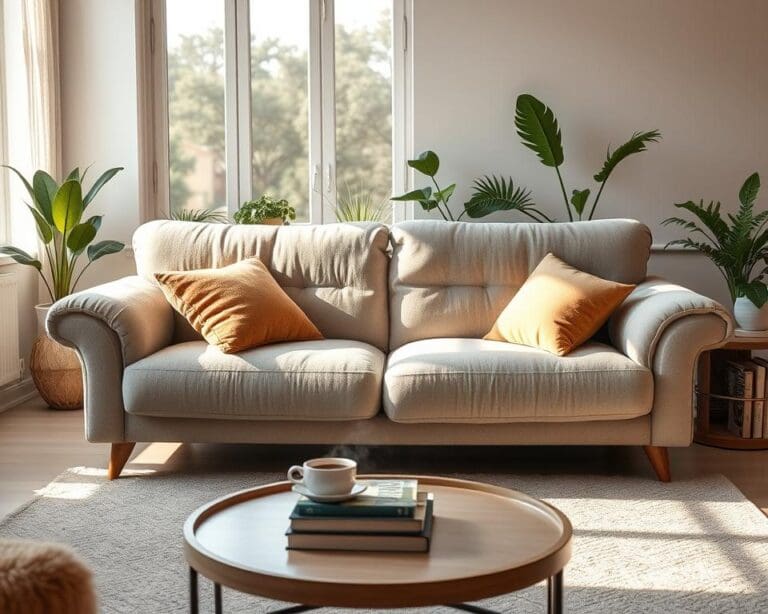
Invest in cosy home comforts that invite you to stay put. A weighted blanket or a plush throw adds warmth and a sense of security. Consider brands like Silentnight for blankets and choose materials such as Egyptian cotton, bamboo or linen for breathability.
Supportive cushions and a lumbar pillow make floor seating or the sofa more restful. Wear oversized cotton or bamboo loungewear and warm socks to maintain comfort while keeping your body temperature ready for sleep. Small touches like these complete a calm, welcoming space.
For ideas on layout and biophilic touches that bring the outside in, see this practical guide on bedroom relaxation: how to decorate a bedroom for.
Creative activities to switch off and recharge
Pick one or two gentle pursuits to help you unwind. These creative night-in activities are designed to quiet the mind and make relaxation feel achievable. Keep supplies simple and set a short timer so the focus stays on pleasure, not perfection.
Low-effort creative hobbies: sketching, journalling and adult colouring
Keep a small sketchbook and a few pencils ready for 20–30 minute sketch sessions. Choose easy subjects such as a houseplant, a mug or the view from your window. This makes sketching feel doable and helps you value process over product.
Try gratitude prompts or short reflective questions when journalling. Bullet journalling mixes planning with creativity so you can express yourself without pressure. Set a timer to stop striving for perfection and accept unfinished pages.
Adult colouring books from Dover or Paperchase offer mindful, repetitive focus. Pair colouring with soft ambient music to calm your thoughts. Treat mistakes as part of the activity and move on.
Mindful movement: gentle yoga, stretching or tai chi
Choose a few restorative poses such as child’s pose or legs-up-the-wall to ease muscle tension. Aim for 20–30 minutes to feel a meaningful shift, or ten minutes for a quick reset. Concentrate on breath and bodily sensations rather than on performance.
Stretching routines that target the neck, shoulders, back and hips help release daytime stiffness. Hold each stretch for 20–30 seconds and breathe steadily. Short tai chi or qigong sequences offer slow, flowing movement to calm the nervous system.
Search for free classes from Yoga with Adriene or local UK studios that post online if you want guided options. Practising mindful movement at home makes it simple to restore calm at your own pace.
Digital detox activities: board games, reading and puzzles
Choose cooperative board games like Pandemic or easy classics such as Scrabble and Uno for social evenings without screens. For solo play pick puzzle decks or strategy games that don’t need a device. These digital detox ideas encourage connection and presence.
Reading light fiction, short stories or gentle non-fiction helps you relax without screens. Use a warm bedside lamp or an e‑reader set to warm light to protect your sleep cycle. Puzzles such as jigsaws, crosswords or Sudoku offer steady mental engagement and can be left out to return to later.
For family nights, try crafting kits, a simple baking recipe or an at-home cinema with snacks. These options help you relax without screens while keeping the evening low-stress and enjoyable.
Food, drink and self-care rituals for a restorative night
For an effective evening self-care routine, choose light, wholefood meals that settle you rather than energise you. Think tray-bake salmon with new potatoes and greens, a one-pot lentil soup, or simple pasta tossed with olive oil, garlic and herbs. Keep portions modest and favour roast vegetables or a slow-cooker tray so you can enjoy relaxing night food without extra dishes.
Snacks and evening drinks for sleep matter. Opt for a banana, a handful of almonds, natural yoghurt or oat biscuits instead of heavy or spicy treats. Reach for chamomile, lemon balm or rooibos tea, or a warm milk alternative with a drizzle of honey. Limit alcohol near bedtime, as it fragments sleep, and consider decaffeinated green tea if you want a milder flavour.
Build small at-home pampering rituals that fit your energy levels. A warm bath with Epsom salts and a few drops of lavender oil soothes muscles, followed by a simple skin routine—cleanse, moisturise and an occasional sheet mask from The Ordinary or Boots—feels restorative. Add a quick foot soak and a gentle massage or foot roller if you’ve been on your feet all day.
Finish with sleep preparation and ritual continuity to lock in benefits. Dim lights 60–90 minutes before bed, use a diffuser with lavender or bergamot from brands like Neom or This Works (checking pet and sensitivity safety), and perform a short breathing or progressive muscle exercise. Set devices to Do Not Disturb, note one or two things you appreciated about the evening, and create two or three simple templates—quick weeknight, indulgent weekend, family-friendly—to make restorative night-in rituals repeatable.