Window boxes add instant character to your home, whether you are dressing up a city balcony or bringing colour to a quiet street. The right choice can frame your windows beautifully, soften hard lines and create a welcoming first impression from the outside.
Beyond appearance, window boxes also need to perform well in changing weather and fit securely into your space. From compact ledges to wider façades, each setup calls for the right balance between size, material and planting style. By choosing carefully, you create a feature that not only looks good but also lasts through the seasons. If you are exploring options on idealistplanters.co.uk, it helps to focus on designs that combine durability with a clean, timeless finish.
Assessing your space and planting goals for outdoor planters
Before you buy, take a moment to map the exact spot where a planter will sit or hang. Measure the external width of the sill or rail, the depth from wall to outer edge and the drop below the sill if the pot will be suspended. These simple figures help you choose between compact rectangular planters for windowsills and larger window boxes for outdoor spaces.
Think about weight limits as well. A planted container becomes much heavier when wet and can easily add 10–20 kg or more. Older timber sills and narrow railings may not support that load. Always check manufacturer guidelines for balconies and railings, and use clamp-on brackets where drilling is not allowed.
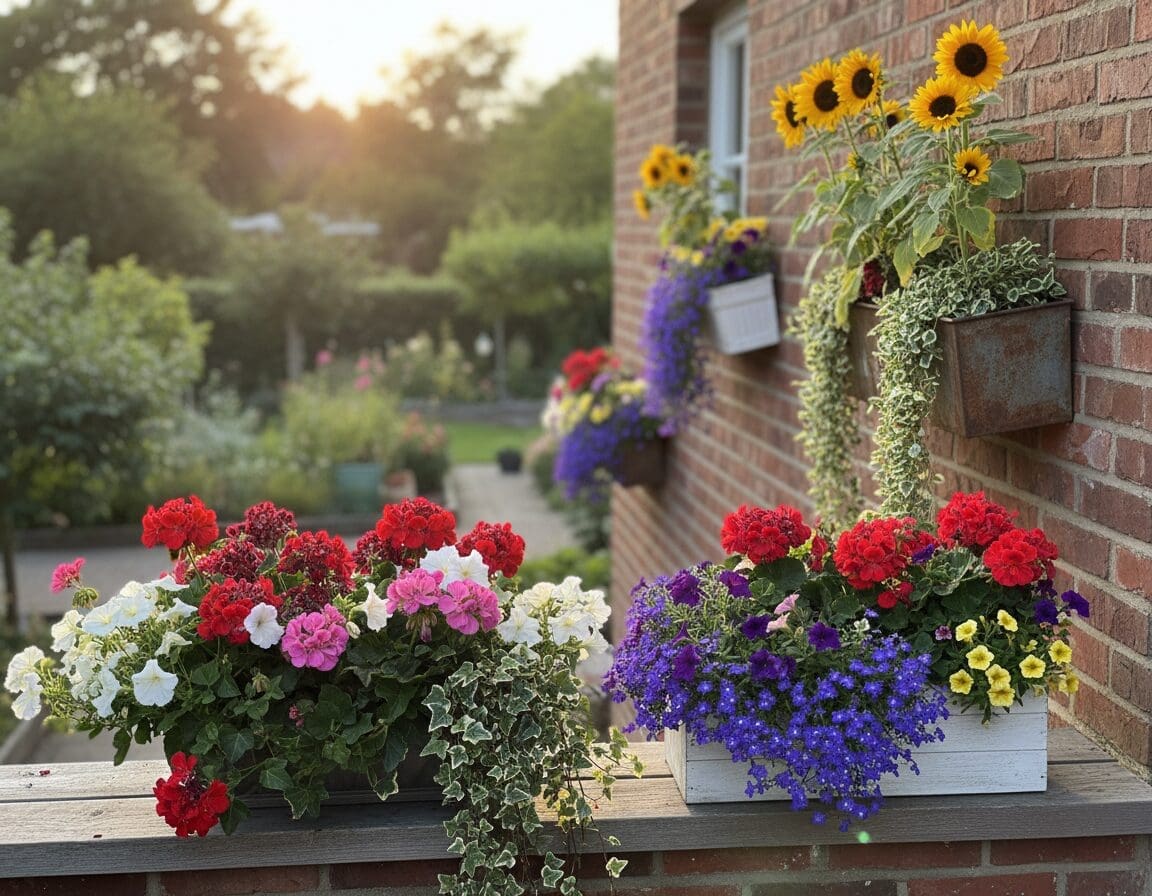
Decide what you want to grow. Decorative displays often use trailing plants such as petunias, geraniums or calibrachoa to create movement and colour. Long, narrow planters work well for these arrangements, giving a layered and balanced look.
If you prefer edibles, choose plants that thrive in limited soil. Herbs, salad leaves and compact tomato varieties are strong options. Rectangular planters with a depth of at least 15–20 cm give roots enough space to develop properly.
You can also combine both approaches. Place herbs at the back and trailing plants at the front to create a neat and practical display. Keep in mind that edible planting usually requires more frequent watering and feeding, while decorative displays need regular maintenance such as deadheading.
Considering sunlight, exposure and seasonal use
Sunlight and shelter play a key role in how your plants perform. South- and west-facing spaces heat up quickly, so drought-tolerant plants and lighter-coloured or concrete-effect planters help reduce heat stress. North-facing areas are better suited to shade-loving plants that prefer cooler conditions.
Local microclimates also matter. Recessed windows and balconies may be sheltered, while exposed areas can channel strong winds. In these cases, choose heavier, durable planters and secure fixings. In calmer spaces, lighter containers offer more flexibility.
Finally, think about seasonal use. If you want year-round interest, combine evergreens, bulbs and hardy plants. For winter conditions, choose frost-resistant materials or planters that can be moved indoors when needed.
Good drainage remains essential in every setup. Use liners, drainage holes or raised supports to prevent water build-up during wet periods and to protect root health over time.
Window boxes: materials, styles and practical features to choose
Choosing the right window boxes means weighing look, weight and practical features. Your choice will affect plant health, installation and the overall feel of your home. When you buy window boxes, it helps to compare materials carefully, as weight, durability and maintenance can vary significantly between options. Lightweight designs are often easier to install, while more solid materials can offer added stability and a premium look. Below are clear comparisons and simple rules to help you pick planters that suit your windows and your lifestyle.
Compare common materials and finishes
Wood gives a classic appearance and natural insulation for roots. Cedar, redwood or pressure-treated timber work well, but wood needs regular oil or lacquer to resist rot in the UK climate. Fit a liner to extend life.
Metal options, like galvanised steel and aluminium, suit contemporary façades. Galvanised steel offers strength while aluminium is lighter and corrosion-resistant. Metal can heat up in sun, so choose pale finishes or insulated liners to protect roots.
Plastic and resin are cost-effective, frost-proof and very light. High-density polyethylene and reinforced resins can mimic stone or wood, including concrete effect window planters, while keeping weight low. These are ideal for upper-floor installs where weight matters.
Fibrestone and faux-concrete combine a premium concrete look with composite materials. You get the aesthetic of modern outdoor window planters without the heavy load of true concrete.
True concrete is durable and on-trend for contemporary homes but is heavy. Use concrete planters where floors and brackets can safely support the mass.
Terracotta and ceramic give a traditional look. They are porous, which helps roots breathe, yet they can be brittle. Glazed versions hold moisture better and reduce frost damage risk.
Look for drainage and fixings
Drainage matters for plant health and for protecting sills and brickwork.
- Check for adequate drainage holes and consider models with built-in trays or saucers.
- Removable plugs help in dryer spots or when you want free drainage in rainy spells.
- Look for window planters with drainage and fixings that include overflow features on self-watering reservoirs.
Reservoir systems reduce watering needs. They suit herbs and busy households, but any reservoir should have an overflow to stop waterlogging during long wet periods.
Fixings must match your installation. Options include screw-through masonry brackets, clamp-on rail brackets and over-sill hooks. Choose galvanised or powder-coated steel brackets to resist corrosion.
If you rent, non-invasive clamp or over-sill fixings avoid drilling. For higher floors or heavy troughs, follow the manufacturer’s weight limits and consider professional installation.
Match styles and sizes for window planters to your home
Think about architectural harmony when you pick styles and sizes for window planters.
Ornate cast-iron troughs suit period sash windows. Clean-lined fibrestone or concrete effect window planters complement modern aluminium frames. Match colour and finish to rooflines, brick tones or window sashes for a coordinated look.
Size matters for appearance and plant choice. For shallow herbs and bedding, aim for depths of 12–20 cm. Deeper planters of 20–30+ cm work for larger perennials and small shrubs. Width can span a whole sill or be slightly narrower; ensure good weight distribution across brackets.
Use several narrow rectangular planters for long windows to provide balance. Choose a single wide trough for a strong architectural statement. Select lightweight outdoor planters for windows where load limits are tight, and consider concrete effect window planters if you want a stone look without heavy mass.
When you match scale and finish to your home, you get a cohesive result that keeps plants healthy and your façade safe.
Practical buying considerations and maintenance for durable planters
When choosing window boxes, it is important to balance weight and durability. For most windowsills and railings, lightweight options are easier to handle and place less strain on the structure. Heavier materials such as stone or concrete can work well, but only where the surface can safely support the load, so always check weight limits before making a decision.
When you buy window boxes, taking the time to review product specifications helps you avoid issues with installation and long-term use. On idealistplanters.co.uk, you can compare models, check compatibility with your setup and review details such as UV resistance and warranty, helping you choose planters that are both practical and long-lasting.
Maintenance also plays a key role in keeping window boxes in good condition. If you like to change plants seasonally, lighter planters or systems with easy fixings make this much simpler. Regular care, such as cleaning containers, protecting materials during winter and preventing rust or wear, will extend the life of your planters and keep them looking their best.
Use a well-draining, nutrient-rich compost and make sure drainage holes remain clear to avoid water build-up. Over time, refreshing the soil and rotating plants helps maintain healthy growth. By planning carefully and choosing the right materials, you create window boxes that remain attractive, functional and suited to the UK climate.
Find window boxes that suit your home and last through the seasons
Choosing the right window boxes comes down to balancing style, practicality and durability. By taking the time to assess your space, select suitable materials and plan for maintenance, you create a solution that enhances both your home and your planting results. Well-chosen window boxes add structure, colour and character, while supporting healthy growth throughout the year.
If you want a reliable combination of design and performance, exploring options on idealistplanters.co.uk helps you compare styles, materials and features in one place. With the right choice, your window boxes become a long-lasting addition that improves your façade and brings consistent visual appeal to your outdoor space.