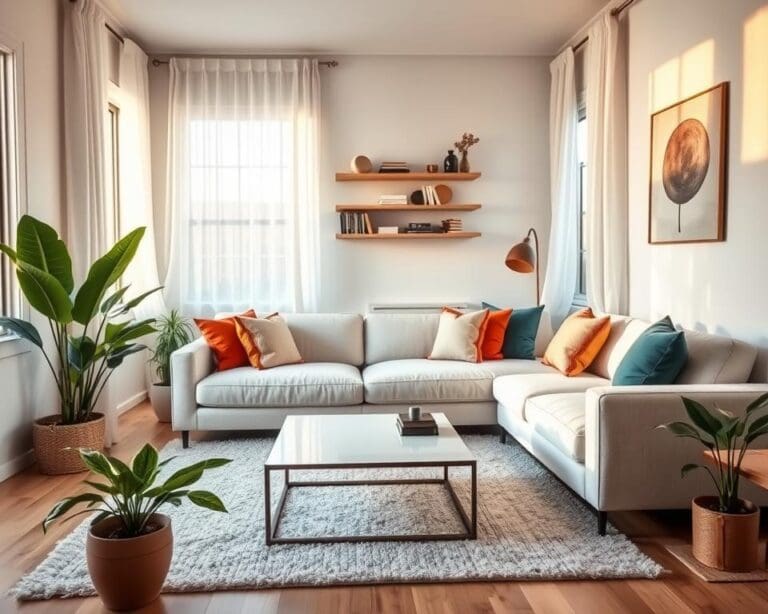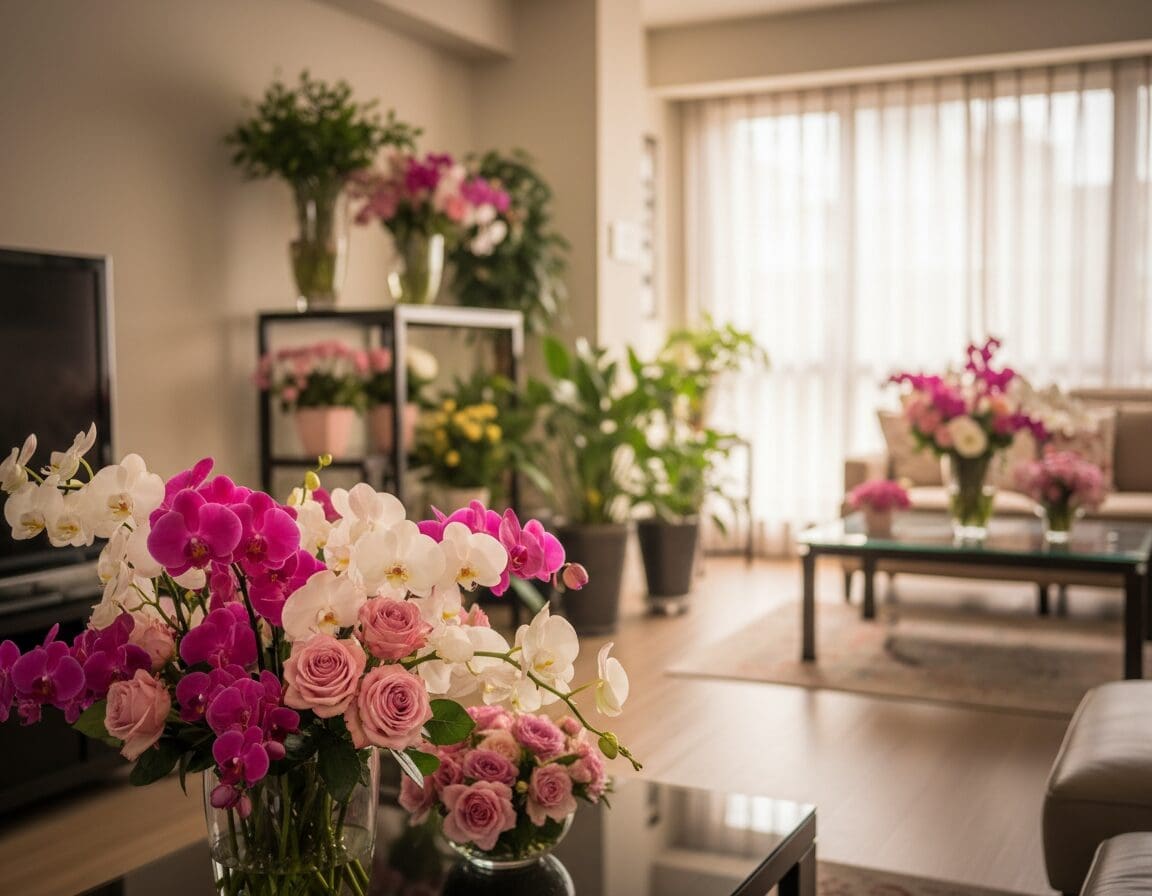
You can lift your interiors with orchids and roses to create a polished, lively home. This guide shows you how to use home decor flowers orchids roses to add elegance and colour across typical British rooms. It focuses on practical styling, placement, care and pairing tips suited to UK homes and popular interior looks.
Orchids bring architectural lines and long-lasting blooms that suit modern schemes and minimalist spaces. Their vertical stems work well in well-lit bathrooms, conservatories and living areas where you can show their shape.
Roses offer classic romance, varied forms such as garden and hybrid tea, and rich scent and texture. They are ideal on dining tables, mantelpieces, bedside tables and as cut-flower centrepieces that add warmth and character.
Many orchids and roses are available year-round from florists such as Interflora and Marks & Spencer Flowers or from British growers, though garden roses peak in late spring and summer while some orchids bloom seasonally. Buying from reputable suppliers helps ensure freshness and longevity.
This article will cover essential design principles like scale, colour and texture, practical care and styling tips for each flower, ways of combining orchids and roses, and room-by-room ideas for cohesive floral home styling and interior floral design UK.
Essential principles for decorating with flowers
When you bring orchids and roses into your home, a few core floral design principles will make them look intentional and effortless. Start by thinking about the room’s scale, the colour story and the textures you want to celebrate. Small choices—vase shape, stem height, a sprig of foliage—change the mood more than you might expect.
Understanding scale and proportion
Match the size of your arrangement to furniture and sightlines. For bedside tables, choose small posies or a single stem. Coffee tables suit medium bouquets. Dining and console tables take larger pieces, but keep the top of an arrangement under one-third of the table height so people can see across it.
Balance tall stems like Phalaenopsis orchids with lower, fuller blooms such as garden roses. Pair a slim pot holding a tall orchid with a shallow bowl of roses to combine vertical and horizontal emphasis. Think vase-to-flower proportion: narrow vases suit long orchid stems while wide, shallow vessels fit clustered roses.
Colour harmony and palettes
Choose a palette that complements your décor. For a minimalist interior, an all-white orchid or cream rose scheme reads calm and refined. For drama, try complementary contrasts like purple orchids against yellow roses. For gentler cohesion, select analogous tones such as pink to red roses alongside mauve orchids.
Use neutral foliage—eucalyptus, pittosporum or ruscus—to soften bold hues and link arrangements across rooms. Repeat small colour accents in cushions or a vase to integrate the display with upholstery, rugs and art. These simple moves make your colour palettes for flowers feel deliberate and lived in.
Texture and variety
Mix smooth petals of orchids with the ruffled faces of roses and add greenery for tactile contrast that reads well close up and from across the room. Vary vase materials to introduce another layer: glass reflects light, ceramic adds weight and colour, metal gives a modern sheen.
Introduce filler blooms such as waxflower, gypsophila or astilbe and combine diverse foliage to add depth without overwhelming focal blooms. Use odd numbers of stems for a natural look and favour asymmetry for contemporary displays. Keep traffic and safety in mind; avoid tall pieces in narrow hallways or within reach of small children.
home decor flowers orchids roses
Flowers can change the mood of a room with little effort. You will learn practical tips for placing orchids, arranging roses for lasting blooms and ways to combine orchids and roses that suit UK homes. Short, clear advice helps you style with confidence and maintain freshness.
Orchids: placement and styling tips
Place orchids where they get bright, indirect light such as east- or west-facing windowsills, conservatories or well-lit bathrooms. Avoid harsh midday sun and keep plants away from radiators and draughts to protect roots and leaves.
Choose minimalist pots or decorative stands that echo your interior. A sleek white ceramic pot suits modern rooms, terracotta warms natural schemes and a clear glass container shows Phalaenopsis roots to pleasing effect.
Water about once a week, allow roots to dry slightly and use orchid compost or bark. Feed with an orchid-specific fertiliser every two to four weeks during active growth. These steps support orchids placement styling and protect blooms in typical UK temperatures of 16–24°C.
Roses: arranging and care for longevity
Cut stems at an angle and place them in a clean vase. Refresh water daily or every other day to reduce bacterial growth and extend vase life. Remove any foliage below the waterline before arranging.
Build bouquets with roses as focal points and use filler flowers like limonium or statice plus greenery such as eucalyptus. For table pieces, try chicken wire or a glass bowl instead of floral foam for a greener approach.
Re-cut stems every few days, add a few drops of household bleach or a commercial preservative to the water and keep roses cool overnight if you can. These small steps improve rose care longevity and help blooms open evenly.
Combining orchids and roses for impact
Pair orchids and roses in asymmetrical compositions for balance. Use orchids as vertical anchors and cluster roses at the base or offset to one side to create depth without blocking sightlines.
Match colours and textures for a cohesive look. Soft blush roses with white orchids create romance, while deep red roses with purple orchids produce drama. Add neutral foliage to tie the pairing together.
Try a low, wide ceramic dish with garden roses at the front and a single orchid stem rising behind, or group a slim orchid pot and a low rose bowl on a console. These approaches show how to combine orchids and roses with practical styling ideas suited to floral care UK.
Creative arrangements and styling ideas for different rooms
Start by thinking how each room is used and the mood you want to create. For living spaces, choose floral centrepieces living room that balance scale with sightlines. A wide, low vase on a coffee table keeps views open, while a single orchid on a slim pedestal draws the eye upward without crowding seating areas.
For dining areas, keep arrangements low and linear so conversation flows during meals. Use shallow troughs filled with roses and complementary filler flowers running along the table centre. Secure small rose posies to napkin rings with floral wire or ribbon for special occasions, and favour unscented or mildly scented blooms to avoid overpowering food.
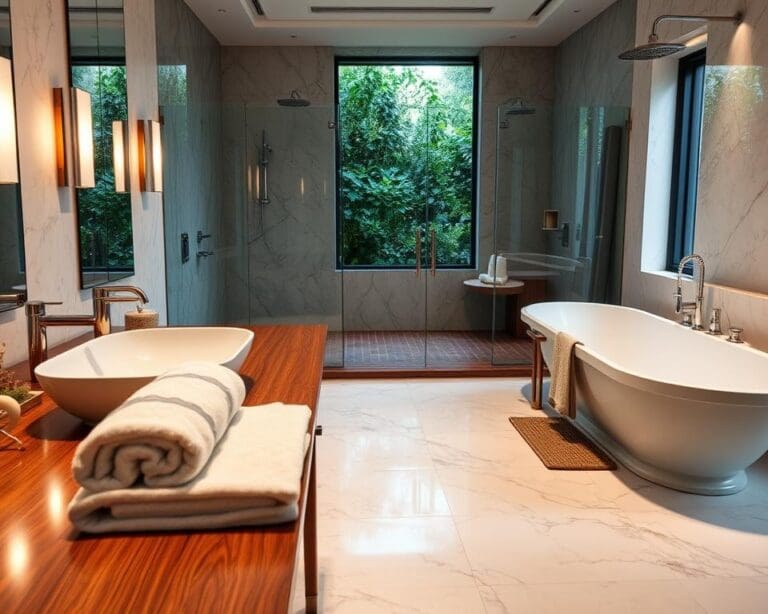
In private rooms, adapt the blooms to comfort. Bedroom rose arrangements should be compact and lightly scented or unscented to protect sleep. Bathroom orchids thrive in humid light; position varieties such as Phalaenopsis on a well-lit windowsill and ensure ventilation to prevent mould. Choose water-resistant vases and avoid splash-prone spots for delicate roses.
For hallways and consoles, one striking orchid or a neat rose posy offers a warm welcome without taking up essential surface space. Rotate displays between rooms to sustain interest and plant health, and keep an emergency kit with water, preservative, scissors and spare vases. Source seasonal stems from local markets, Waitrose or Sainsbury’s to keep costs and carbon footprint down, and repeat a single flower type or colour across adjacent spaces to create a cohesive flow in open-plan homes.