Choosing the right window boxes helps you make the most of small outdoor areas while adding instant kerb appeal. In this short introduction you will learn why outdoor planters are worth the investment and what to expect from the rest of the guide.
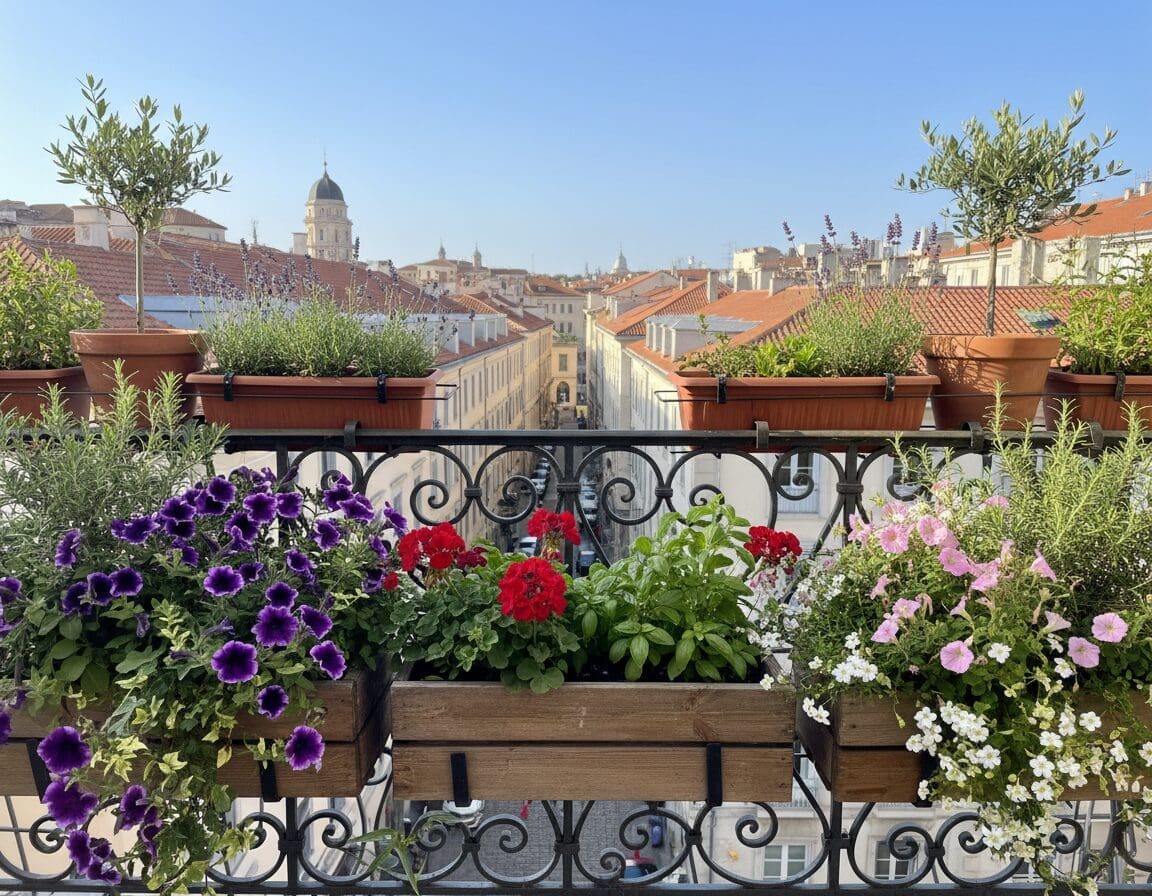
Window boxes let you plant herbs for the kitchen, grow cut flowers within reach and bring seasonal colour to balconies and sills. They also maximise space on Georgian and Victorian terraces with deep sills, suit modern apartments with balcony railings and complement cottage-style homes that favour traditional wooden boxes.
As you consider styles and sizes for window planters, balance looks with practical needs. Think weight, drainage, fixings and frost resistance so your boxes last through changeable UK weather. Later sections will cover lightweight outdoor planters for windows, durable planters for balconies and railings, rectangular planters for windowsills, long narrow planters for flowers and herbs, and concrete effect window planters and modern outdoor window planters.
If you want to buy window boxes on idealistplanters.co.uk or from other specialist retailers in the UK, check materials, drainage and mounting options. Also bear in mind local rules: conservation areas sometimes restrict fixings and finishes, so choose options that meet both aesthetic and planning needs.
Choosing the right window boxes for your home and balcony
Picking the right window boxes blends style with structure. Think about how planters will sit against brick, painted render or timber cladding. The right choice improves curb appeal and keeps plants healthy.
You should match planter style to your home’s architecture. For contemporary flats choose sleek aluminium or fibreglass. For period cottages consider painted timber or tongue-and-groove wooden boxes. For Victorian façades decorative wrought-iron or cast-iron troughs work well.
Colour, profile and ornamentation change how a planter complements a property. Muted tones and natural wood stains suit heritage homes. Monochrome or concrete-effect finishes suit modern façades. Check conservation area rules and landlord requirements before altering an external appearance on listed or restricted buildings.
You must consider material: lightweight outdoor planters for windows versus heavier options. Plastic and polyethylene are very light, frost-resistant and low cost. Fibreglass and resin are light and can mimic concrete, ideal for modern outdoor window planters. Metal such as galvanised steel or aluminium is durable but can warm in strong sun. Concrete or stone is very heavy and best for ground-level placements or strong balcony supports.
Load matters for sills and railings. Lightweight outdoor planters for windows reduce stress on fixings. Durable planters for balconies and railings need stronger mounts and may require comment from building management in communal properties. Always check weight ratings for balcony fixings.
Size and shape guide planting success. Rectangular planters for windowsills give even depth and suit mixed arrangements. They match sill length and make tidy displays.
Aim for at least 15–20 cm depth for annuals and herbs. Choose 25–30 cm depth for larger perennials and small shrubs. Measure your sill before buying to select correct width and length.
Long narrow planters for flowers and herbs save space. They suit row planting and layered schemes, with taller plants at the back and trailing varieties at the front. Deeper boxes hold more soil and retain moisture during hot spells.
Practical features make daily care easier. Always choose window planters with drainage and fixings. Drainage holes and overflow options stop root rot. Use saucers or liners when protecting sensitive surfaces.
Consider built-in reserve-water systems or self-watering inserts to reduce maintenance during holidays. For mountings choose bracket-mounted boxes, screw-fix or clamp-on railing brackets, and sill-mounted boxes with adjustable brackets.
Use secure fixings rated for the planter’s saturated weight. For coastal sites pick corrosion-resistant fixings such as stainless steel or galvanised fittings. Add protective liners or foot pads to prevent staining and allow airflow beneath the planter.
Styles, materials and finishes to suit outdoor spaces
You have many choices when picking outdoor planters for your windows and balcony. Think about the look you want, how much upkeep you can manage and what the local weather demands. The right mix of material and finish will keep plants healthy and your home looking smart.
Modern outdoor window planters and concrete effect window planters
Contemporary finishes favour smooth matt colours and clean lines that suit flat-fronted homes and new-build flats. Concrete effect window planters made in fibreglass or resin mimic heavyweight materials while staying light enough for rails and sills.
High-quality resin and fibreclay resist frost and UV better than some thin plastics. Check manufacturer guidance for outdoor exposure so you know which product will last on an exposed balcony.
Traditional wooden and metal window boxes for outdoor spaces
Timber choices such as cedar and larch are prized for natural rot resistance. Treated softwood is cheaper but needs staining or painting every few years to stay in good order.
Metal window boxes for outdoor spaces include galvanised steel and powder-coated aluminium for a classic look and strong durability. Cast-iron evokes heritage style though it is heavy and may need rust treatment if scratched.
To prolong life, apply breathable preservative to timber and use rust-inhibiting primer and paint on metal boxes in wet UK conditions.
Low-maintenance and weatherproof options for UK climates
If you prefer low fuss, choose polypropylene, polyethylene or fibreglass with UV stabilisers. These materials cope well with damp springs and bright summers across the UK.
Take simple drainage and frost-proofing steps. Use frost-resistant compost, elevate planters a little to prevent waterlogging and consider storing delicate pots over severe winter spells.
Self-watering and reserve-water features reduce daily chores and help plants through hot dry periods without constant attention.
Accessories and mounting options for balconies railings and sills
Accessories extend function. Liners, coir or felt folds protect timber and help retain moisture. Trellis attachments suit climbers while saucers protect surfaces from drips.
Choose mounting hardware that fits your setting: adjustable railing brackets for different diameters, through-sill brackets for deep sills and safety clips or screws for secure balcony fitting. On windy sites use heavier outdoor planters or add ballast and fix plants so they cannot tip and fall.
Where to buy and what to look for when purchasing
When you buy window boxes on idealistplanters.co.uk or from other specialist suppliers, start by measuring carefully. Note sill depth, overall width and railing diameter, and confirm the internal depth of the planter for root space. Compare product specifications across retailers such as Garden Trading, John Lewis, Crocus and B&Q to spot differences in price, warranty and delivery options.
Check materials and weight before committing. Verify empty and filled weights so brackets and supports are suitable, and confirm building management rules for balconies. Choose durable planters for balconies and railings if you need strength; long narrow planters for flowers and herbs suit sills and narrow balconies. Look for window planters with drainage and fixings, removable liners or self-watering reservoirs to simplify maintenance.
Assess finish and longevity as part of value and sustainability. Seek FSC-certified or reclaimed timber, recycled plastics, or recyclable metals where possible. A higher-quality resin or fibreglass outdoor planter often outlasts a cheap plastic one and keeps its look through UK weather. Check for rust-resistant coatings and UV-stable finishes on outdoor planters.
Before you order, ensure appropriate fixings and a clear warranty. Where possible, visit showrooms or request samples to see colour and texture in natural light. Plan planting by aspect — south-facing pots need drought-tolerant species, north-facing sites suit shade-tolerant varieties — then measure, list preferred styles and materials and compare mounting options from idealistplanters.co.uk and other suppliers.