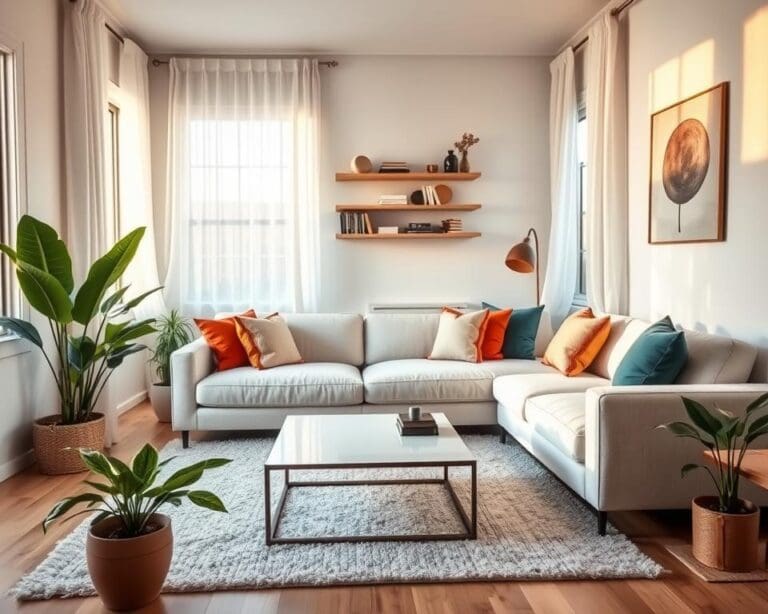
You can lift a room without major building work by choosing the right home accessories. Mirrors and vases refresh light, scale and texture, and they let you express your taste in a cost-effective way. For many UK homes, from Victorian terraces to modern flats, a handful of well-chosen pieces changes how a space feels.
Small investments in mirrors and vases influence perceived room size and brightness. Mirrors amplify natural light on grey days, while vases introduce colour and sculptural interest. Together, mirrors and vases work as home styling accessories that balance function and decoration.
This guide is written for readers across the United Kingdom who want practical, style-forward advice. You’ll find tips that suit typical UK proportions and light levels, and pointers to trusted retailers such as John Lewis & Partners, Made.com, Habitat and Dunelm when sourcing decorative accessories for home use.
In summary, the primary design benefits are clear: mirrors add depth and light, vases add colour and texture, and combined displays create cohesion. The article first explores mirrors in depth, then looks at combining mirrors and vases, mixing materials and styling mantels, console tables and shelves, before finishing with ways other decorative accessories for home can add personality.
How mirrors transform light, space and style
Mirrors change how you perceive a room by bouncing light and creating depth. In north-facing rooms common across the UK, a well-placed mirror lifts gloom and makes compact spaces feel brighter. Use mirrors for small rooms to scatter daylight into corners and bring a sense of airiness without structural changes.
Choosing the right mirror shape and size for your room
Pick the best mirror shapes for your scheme. Rectangular and square mirrors suit structured, contemporary interiors and work well above sideboards or mantels.
Round and oval mirrors soften hard angles and suit bathrooms or console tables. Oversized wall mirrors can act as statement pieces; keep proportions in mind so a mirror complements rather than overwhelms furniture.
- Above a sofa: choose a mirror about 60–75% of the sofa width.
- Over a console: slightly narrower than the console for balance.
- Full-length: allow 50–70 cm of wall width for comfort.
Placement strategies to amplify light and create depth
Use mirror placement tips to reflect windows and double natural light into darker areas. Position a mirror opposite or adjacent to a window to push daylight deeper into the room.
Place mirrors at the end of narrow corridors to create the illusion of space. Hang the mirror centre at around 150 cm from the floor as a starting point and adjust for furniture height and sightlines.
Frame styles and finishes that complement interior schemes
Choose framed mirrors UK shoppers favour depending on your style. Metal frames in brass or blackened steel suit industrial and Art Deco themes.
Wood frames work well with Scandinavian and mid-century looks. Ornate gilded frames add contrast in modern rooms. Frameless or bevelled-edge designs give a minimalist finish. For bathrooms, select anti-tarnish finishes and tempered glass for safety.
Mirrors as focal points and decorative statements
Use decorative wall mirrors as the room’s anchor above a fireplace or main sofa. Surround the mirror with matching wall lights or artwork to create a layered focal area.
Statement mirrors, such as backlit or oversized shapes, can replace artwork and deliver both function and style. Decide whether a mirror is for dressing or decoration and choose glass clarity, bevel detail and secure mounting accordingly.
home accessories mirrors vases
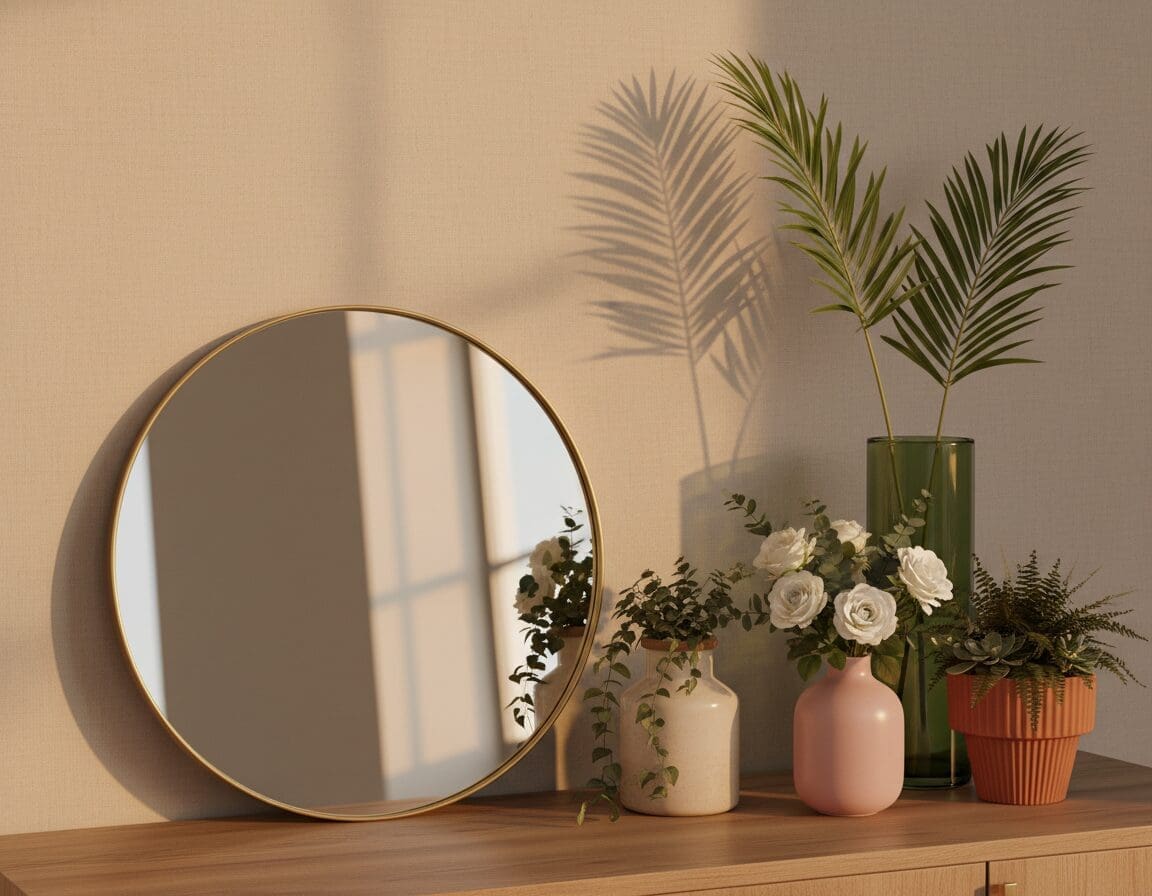
Pairing mirrors with vases changes how you perceive a room. The mirror reflects colour, texture and light while a vase provides physical depth and seasonal life. This dialogue between reflection and object makes simple home accessories mirrors vases feel intentional and polished.
Combining mirrors and vases for balanced displays
Use symmetry when you want formality. Place matching vases each side of a centred mirror on a mantel for a calm, ordered look. Try asymmetry for a relaxed vibe: one tall vase beside a stack of books across from a smaller sculpture creates dynamic balance.
Think about scale. Vary heights and widths and favour odd-number groupings of items to keep compositions lively. Match a vase hue to cushions or artwork seen in the mirror to knit the room together.
Mixing materials: glass, metal and ceramic pairings
Clear glass vases brighten when set near mirrors, while smoked glass adds warmth to a reflection. Metal vessels in brass or copper bring a sheen that contrasts well with a matte frame or dark timber.
Ceramic pieces offer colour and pattern; unglazed stoneware brings cosy texture. Mix shiny and matte finishes and combine smooth forms with ribbed or fluted surfaces to create tactile interest. Choose weighted bases for tall vases if you have pets or children.
Styling tips for mantels, console tables and shelves
For mantel styling ideas, anchor a mirror above the fireplace then layer two vases of differing heights with candlesticks or framed photos. Keep flammable items away from open flames and leave breathing space for safety.
On console table décor UK, lean a mirror or hang one centrally. Place a tall vase with seasonal blooms, add a low tray for keys and include a decorative book to build layers. Allow negative space so the vignette reads clearly.
For shelves, use small mirror tiles or a round mirror behind objects to add depth. Scatter vases of varied shapes across levels to guide the eye and refresh displays with fresh or dried stems such as daffodils, eucalyptus or pampas grass.
Shop British retailers for reliable options. Look to Dunelm, Next Home, Amara, Oliver Bonas and Habitat for glass and ceramic vases. For metallic pieces try The White Company or Heal’s, or hunt independent ceramicists for artisan character.
Vases and other decorative accessories that add personality
Vases are more than vessels; they act as sculptural accents that signal your taste. An unadorned ceramic vase can read minimalist, while a hand-thrown stoneware piece speaks to a rustic or country aesthetic. When you choose decorative vases UK, think about colour, form and surface so each object tells part of your story even when empty.
Pair vases with complementary pieces to create a useful, attractive display. Decorative trays, candleholders, bowls and books add layers of texture and function. Use lidded vessels for stash like keys and coins, and place small table lamps or candles near a mirror to introduce warmth and reflective light. These accessories to personalise home make everyday surfaces work harder and look considered.
Match vases to your interior style. Minimal spaces suit monochrome, clean-lined vases and thin-framed mirrors. Rustic rooms favour earthen glazes and woven elements. For contemporary schemes, try metal or smoked-glass forms. Eclectic interiors benefit from varied eras and colours; mixing decorative objects UK gives a curated, collected-over-time feel.
Keep displays cohesive by repeating two or three accent colours and a few textures across vases, cushions and art. Include plants—low succulents or trailing pots—near mirrors to create depth, especially in compact flats. When sourcing, support British makers and browse vintage markets or online platforms for unique finds. Start with one mirror-and-vase vignette, edit regularly, and invest in one standout piece while balancing the rest with affordable finds to make styling with vases both impactful and sustainable.