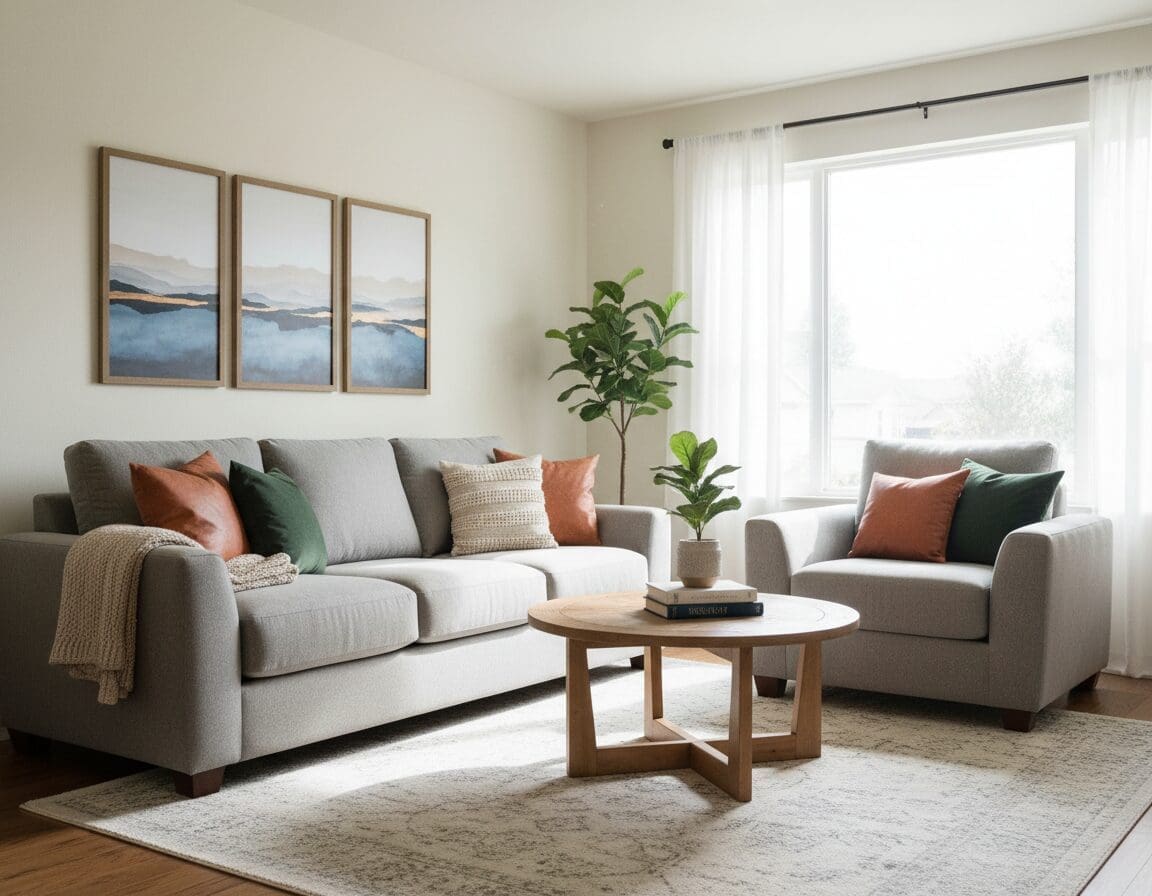
When you plan a sofa armchair living room, comfort and practicality should lead your choices. The right sofa and armchair pairing lifts everyday life, makes hosting easier and helps you relax after a long day.
This short guide focuses on clear, practical advice for UK homes. You’ll learn how to assess room size, sightlines and traffic flow so you pick the best sofas for comfort and the most suitable armchairs for your lifestyle.
We draw on guidance from British retailers such as John Lewis & Partners, DFS and Heal’s, plus upholstery care tips used by Scotchgard and standards from the British Furniture Manufacturers. These sources inform realistic, evidence-based comfortable living room ideas you can apply today.
Across the article you will find living room seating combinations that fit families, pet owners, people who work from home and those who entertain. Start here: think about scale, materials and maintenance, then match those choices to how you use the room.
Choosing the right sofa for comfort and style
Choosing a sofa blends practical planning with personal taste. Start by picturing how you use the room and who will sit there most often. Measure doorways and staircases before ordering. An informed choice saves time and keeps delivery smooth.
Understanding sofa sizes and how they affect comfort
UK sofas come in common formats: two-seater (roughly 140–170cm), three-seater (about 180–220cm), chaise sofas and corner/sectional options from 240cm upwards, and compact loveseats. Use a sofa size guide when planning to ensure the piece fits both the room and your daily needs.
Account for seat width and arm width to keep circulation comfortable. Leave at least 90–100cm of clearance in front of the sofa for walking space. Check module sizes for corner sofas against door frames and stairwells.
Frame materials and construction for durability
Frames made from hardwoods such as beech or oak and beech plywood last longer than softwoods or basic engineered boards. Look for frames with dowelled, screwed and glued joints and corner-blocking to reduce wobble.
Consider suspension systems when evaluating resilience. Serpentine springs suit budget models, eight-way hand-tied springs offer premium support, and elastic webbing provides a modern, low-profile alternative. Review warranty lengths from UK retailers as a guide to expected longevity.
Seat depth, back height and cushion fill explained
Seat depth and seat height shape how you sit. Use a seat depth guide: shallow seats at 50–60cm suit upright sitting and older adults, deeper seats at 60–90cm favour lounging and taller people. Ideal seat height sits between 40–45cm for most adults.
Back height should support the shoulders and neck. Taller backs suit reading and long TV sessions. Explore cushion fill types to balance support and softness: high-density foam gives firm support, feather-wrapped foam combines resilience with a softer surface, and pocket coil cushions add bounce and durability.
Choose flippable cushions or removable covers to slow sagging and make maintenance easier.
Fabric choices: breathability, maintenance and feel
Natural fabrics such as cotton, linen and wool breathe well and feel pleasant against skin. Synthetics like polyester, acrylic and microfiber resist stains and pilling, making them practical for busy households and pet owners.
Look for performance fabrics with stain-resistant finishes and high Martindale rub test figures if durability matters. Leather types range from full-grain to corrected-grain and bonded; full-grain develops a characterful patina over time. Factor in sofa fabric care when choosing materials.
Balancing style with ergonomics for everyday use
Decide between a low-profile contemporary sofa and a more supportive traditional design based on how you use the room. For TV-centred living, deeper seats and softer cushions work well. For social spaces, slightly firmer seats and defined arm widths encourage interaction.
Pick neutral upholstery for longevity and update looks with accent cushions and throws. Test sofas in-store when possible and read comfort reports from retailers such as John Lewis & Partners and DFS. Many firms offer home trials and clear returns policies that help you find truly ergonomic sofas UK.
How to pair armchairs with your sofa armchair living room setup
Choosing pieces that sit well together makes your living room layout feel intentional. Start with the sofa as your anchor, then decide whether you want matched pieces for calm balance or a contrasting armchair for a styled look. Check armchair and sofa scale so seat heights and depths are compatible; mismatched levels can make conversations awkward.
Selecting complementary styles and scales
Match lines and proportions when you prefer cohesion. A modern sofa pairs neatly with a streamlined armchair for a unified feel. If you pick a classic wingback beside a contemporary sofa, use a shared fabric tone to link them. Use simple formulas: two chairs opposite a sofa for symmetry, or one statement armchair with a neutral sofa as a focal point.
Creating conversation zones with layout and spacing
Define areas that invite talk and relaxation. Aim for 30–45cm between coffee table and seating for legroom. Keep main walkways 60–90cm wide so people move freely. For larger rooms, place facing seats 180–300cm apart to allow easy exchange without shouting. Consider L-shaped groupings for open-plan homes, face-to-face setups for formal rooms, and circular clusters for intimate chats.
Mixing materials and textures for visual interest
Layer fabrics, leathers and woods to add depth. Pair a velvet armchair with a linen sofa for tactile contrast. Use wooden or metal legs as small connecting details. Tie colours together with a shared accent tone or one patterned cushion to avoid clutter. Mind pets and spills; velvet shows hair more easily while some linens hide wear better.
Considerations for mobility and access in smaller rooms
For small living room seating, choose armless chairs or slipper chairs to save space. Raised legs and narrow frames make the room feel airier. Look for modular sofas that adapt to changing needs and ottomans with storage to reduce clutter. Leave 75–90cm turning space where mobility aids may be used and ensure armrests sit about 20–25cm above the seat for easier standing up.
Armchair types that enhance relaxation and function
Choosing the right armchair can change how you relax and use your living space. This brief guide helps you weigh comfort, function and style so you can pick one of the best armchairs for comfort without guesswork.
Recliners and power chairs offer excellent support when you want to unwind. Manual recliners suit those who prefer simple mechanics and low maintenance. Power models give precise positioning, commonly with infinite position adjustment, built-in lumbar support and footrests for full leg elevation.
Look for recliner features such as heat and massage functions if you want therapeutic options. Check for removable covers to ease cleaning and battery backup for power chairs. If mobility is a concern, hospital-grade recliners meet stricter standards and often include CE marking and UK electrical safety compliance.
Plan your space by measuring required clearance. Wall-hugger designs reduce the footprint by sliding forward as they recline. Always test a chair’s range of motion in your room to ensure it fits comfortably.
Wingback, slipper and occasional chairs each serve a different need. A wingback chair is ideal for reading nooks and offers high back support that shelters your head and upper body. Use the wingback chair guide when choosing one for taller users who need extra head support.
Slipper chairs are armless and sit lower to the ground, making them perfect for compact rooms where you need extra seating without bulky arms. Occasional chairs are flexible; they can match lounge heights or act as dining-height seating depending on purpose.
Match the chair type to your needs: choose a wingback for a cosy, traditional feel, a slipper when floor space is limited and an occasional chair when you want versatile seating.
Accent chairs as focal points let you introduce colour and texture while keeping comfort as a priority. Select a supportive seat depth, suitable seat height relative to your sofa and a robust frame under decorative finishes. An accent chair can become the room’s statement through bold colour, a distinctive silhouette or a patterned fabric like chenille or a wool blend.
Balance drama with practicality by choosing stain-resistant fabrics if the chair will see frequent use. This approach ensures your accent chairs UK look striking without sacrificing everyday comfort.
Upholstery and padding options greatly affect long-term comfort and maintenance. Wool is durable and naturally flame-retardant. Cotton blends breathe well but can stain. Synthetic microfibres hold up and clean easily. Leather ages attractively and wipes clean, making it a strong choice for active households.
For padding, high-density foam provides lasting support. Feather fillings feel soft; pair them with foam cores for resilience. Sprung seats or pocketed coils distribute weight evenly and prolong comfort over years.
Maintain upholstery with regular vacuuming and cushion rotation. Use professional cleaning at recommended intervals. Consider protectants such as Scotchgard fabric protector and reputable leather conditioners like those from Leather Honey to keep materials in good condition.
Practical tips for arranging and caring for sofa and armchair combinations
Start by measuring your room and sketching a floor plan. Define a focal point such as a fireplace or TV, then place the largest piece first, usually the sofa. Add armchairs to create balance and flow, leaving clear walkways. Use temporary layouts or retailer AR tools like IKEA Place or John Lewis AR to visualise arrangements before you buy.
Think about lighting and surfaces. Position seating to benefit from natural light and add task lamps beside reading chairs at about 55–60cm above the table surface for comfortable illumination. Choose a rug that anchors the seating: aim for common UK sizes such as 160x230cm for small spaces and 200x300cm for larger arrangements, with at least the front legs of the sofa and armchairs resting on the rug.
Care for upholstery with simple routines. Vacuum weekly with an upholstery attachment, plump and rotate cushions regularly, and blot spills immediately. Follow manufacturer cleaning codes (W, S, SW, X) and schedule professional cleaning every 12–24 months depending on use. For pet owners, use washable throws, choose tight-weave fabrics or leather, trim claws and apply protective sprays to reduce wear.
Protect and maintain structural components to extend life. Shield fabric from direct sunlight with blinds or UV film, tighten loose legs and screws, and inspect springs and webbing. Review warranties and consider extended cover for electrical recliners. Before you buy, measure doorways, test comfort in-store, check Martindale rub counts and cleaning codes, and plan delivery and returns so your sofa and armchair arrangement tips turn into a durable, comfortable living area.