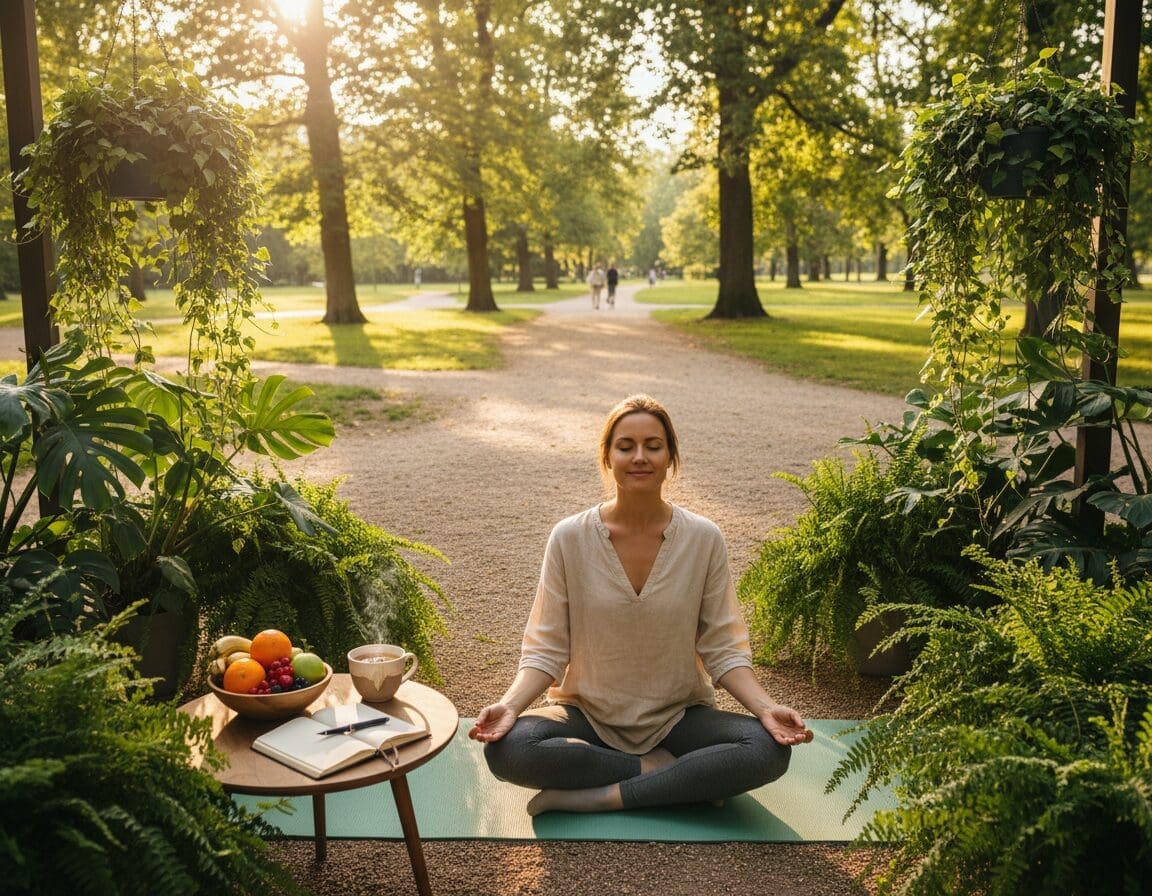
You can create a healthy lifestyle with less stress by understanding how daily choices shape your body’s response. A healthy lifestyle means routines for sleep, food, movement, social connection and your environment that lower short‑term cortisol spikes and limit long‑term effects such as disrupted sleep, weakened immunity, anxiety and raised cardiovascular risk.
Evidence from NHS guidance, HSE advice and reviews in journals like The Lancet and the British Journal of Sports Medicine shows that regular sleep, balanced nutrition, physical activity and social support reduce stress biomarkers and improve mood. Small, practical lifestyle changes for stress produce measurable benefits and preventing chronic pressure is more effective than treating it later.
The advice here is tailored for life in Ireland. You will find references to HSE mental health and GP services, notes on seasonal daylight changes that affect circadian rhythm, and tips that fit common commuting and work patterns in Dublin, Cork or smaller towns. These local details help you reduce stress Ireland‑wide.
Across this article you will get clear stress management tips, practical habits to improve balanced life wellbeing, and strategies for chronic pressure. The aim is to help you build a personalised, sustainable plan of lifestyle changes for stress that fits your routine and offers lasting benefit.
Practical habits to reduce daily stress and improve wellbeing
Start with small, repeatable habits that fit your day in Ireland. Consistent routines help your body and mind adapt, making stress easier to manage. The tips below focus on sleep, food and movement so you can build resilience without major upheaval.
Establish a consistent sleep routine
Keeping a steady bedtime and wake time helps regulate cortisol and supports memory and mood. Aim for the same schedule most days, with a wind-down period of 30–60 minutes before bed.
Reduce screen time and blue light in the evening, cut caffeine after mid-afternoon and avoid heavy meals or alcohol close to bedtime. A short walk in morning daylight can help anchor your circadian rhythm and improve sleep quality.
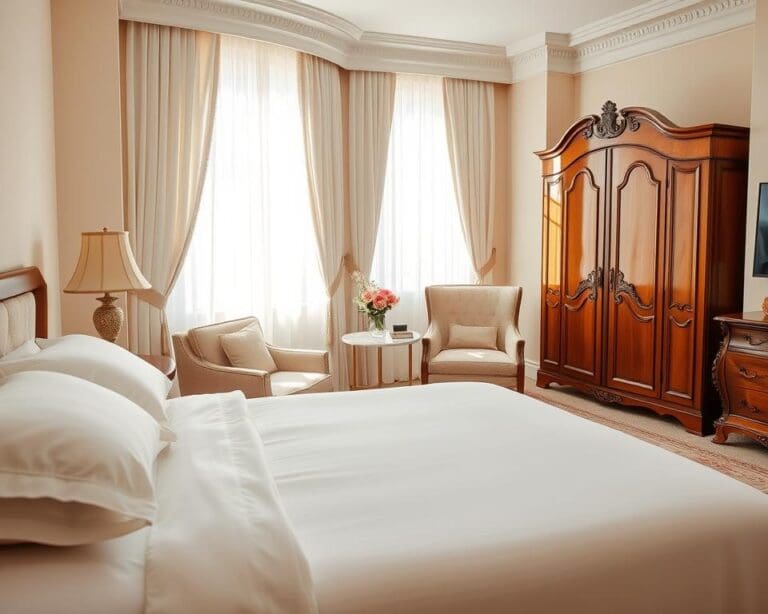
Create a sleep-friendly bedroom for local conditions: use blackout curtains for bright summer nights, keep the room cool around 16–19°C, and deal with damp or mould to protect respiratory health. Earplugs or a white-noise machine can reduce night-time disturbances and strengthen sleep hygiene Ireland practices.
Simple nutrition changes to support stress resilience
Stable blood glucose and key nutrients help you cope with daily pressure. Focus on foods rich in magnesium, B vitamins, vitamin D and omega-3s to support mood and energy.
Have regular meals combining wholegrains, lean proteins and healthy fats. Keep water to hand and cut back on sugary drinks. These shifts are central to stress-reducing nutrition and will help improve sleep quality as well.
Use practical meal planning Ireland tips for busy weeks. Batch-cook stews, soups and casseroles with seasonal Irish veg and canned pulses. Rely on staples like oats, potatoes and local salmon or mackerel for omega-3s. Choose affordable frozen veg from supermarkets such as Lidl, Tesco or Dunnes to save time and money.
Incorporating movement without added pressure
Short bursts of activity lower cortisol and boost endorphins. You do not need long gym sessions to feel the benefit.
- Try 10–20 minute brisk walks or stair-climbing sessions.
- Use short bodyweight circuits or gardening to lift mood quickly.
- Fit short workouts for mood into your day, breaking activity into manageable slots.
Pick what you enjoy so you stick with it. Join Parkrun, a local leisure centre class or a community GAA training session to combine social contact with exercise. Aim for about three 20-minute sessions most weeks to make everyday exercise for stress a habit.
healthy lifestyle stress: strategies to manage chronic pressure
Long-term pressure can creep into your life unnoticed. This short guide helps you recognise chronic stress and gives practical strategies for chronic stress management that fit daily routines in Ireland.
Recognising signs of chronic stress
Watch for emotional changes such as persistent irritability, low mood, anxiety or trouble concentrating. Loss of enjoyment in hobbies signals the problem may be lasting.
Physical signs can include ongoing fatigue, headaches, muscle tension, digestive upsets and disturbed sleep. Frequent infections or slow recovery are warning signs.
Behavioural shifts may show as withdrawal from friends, altered appetite, rising alcohol or substance use, slipping work performance or missed responsibilities.
If symptoms last several weeks, worsen or stop you doing everyday tasks, you should consider seeking help. Your GP, HSE mental health services or an accredited counsellor can advise next steps.
Stress-reduction techniques with evidence of effectiveness
Brief daily mindfulness and meditation reduce rumination and anxiety. Try apps such as Headspace or Calm, community classes, or HSE mindfulness Ireland programmes to get started.
Simple breathing methods like box breathing, diaphragmatic breathing and the 4-7-8 technique can calm your nervous system quickly. Practise during stressful moments and as a daily habit.
Progressive muscle relaxation helps lower bodily tension and improve sleep. Tense a muscle group for five seconds, then release and move on; a 10–20 minute session works well before bed.
Cognitive approaches such as brief reframing, stepwise problem solving and a scheduled “worry time” reduce repetitive negative thinking. Evidence shows CBT, mindfulness-based stress reduction and regular exercise produce moderate-to-large benefits for anxiety and mood.
Building a supportive daily routine
Set clear priorities using urgent-versus-important choices. Limit multitasking, schedule focused work blocks and build in short breaks to preserve energy.
Keep core habits steady: a sleep window, regular meals and daily movement. Allow flexible slots for social life and unexpected demands to avoid rigid schedules that increase pressure.
At work, explore practical workplace stress solutions. Talk to managers about reasonable adjustments, phased returns or flexible hours. Use occupational health or an Employee Assistance Programme if available.
When to seek help Ireland: book with your GP for assessment and referrals, contact Aware for mood support, Pieta House for crisis help, or your local mental health team. Counselling, CBT or medication may be recommended under GP or psychiatrist guidance.
Creating a sustainable lifestyle that prioritises mental and physical balance
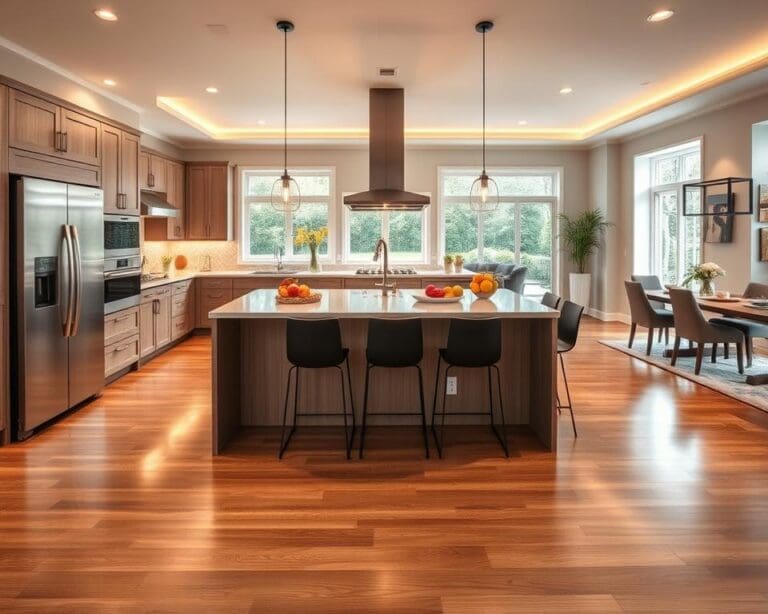
To build a sustainable lifestyle, start by shaping your home so it eases, not adds to, stress. Declutter rooms to lower cognitive load, sit near windows to soak up daylight and open windows for fresh air. In darker months, try a light therapy lamp and bring houseplants indoors to boost air quality and calm. Small changes to natural light and order help you reduce stress at home without big expense.
Make green space part of your routine. Regular walks in parks, along the coast or in the Wicklow Mountains and Phoenix Park have measurable benefits for mood and stress. Mixing short outdoor visits with local activities supports home wellbeing Ireland, and keeps you connected to nature even in busy weeks.
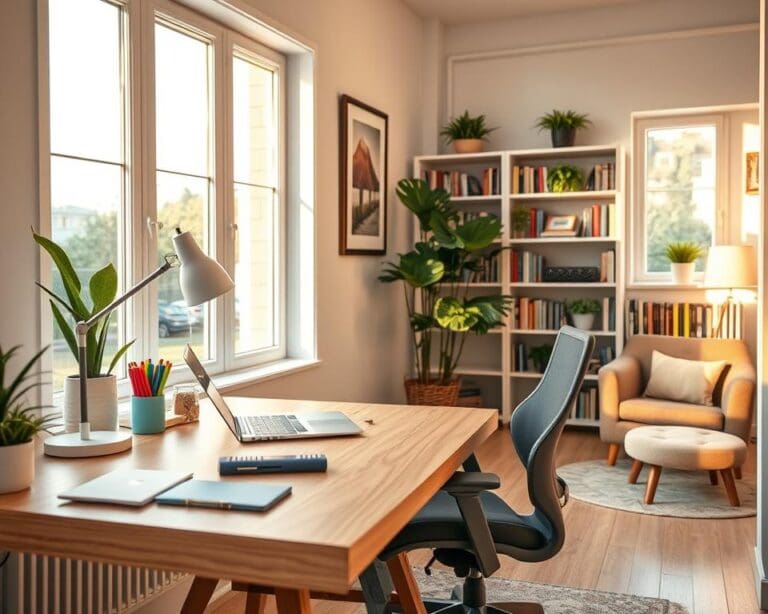
Designate a focused workspace separate from your relaxation areas where possible. Check ergonomics — chair height, screen level and a supportive setup prevent physical strain. Use simple visual cues such as timers and short lists to structure work bursts and breaks. These shifts make it easier to sustain productive days and monitor wellbeing metrics like sleep, mood and energy.
Keep relationships active through regular contact with family, friends and local groups. Join GAA clubs, community centres or parish activities and consider organisations such as Age Action for older adults to strengthen social support Ireland. Offer small acts of help and ask for support when you need it; reciprocal aid reduces isolation and buffers stress.
Track progress with a short daily log: sleep hours, a one‑line mood rating (happy/anxious), energy level and any physical symptoms. Use a paper journal or a free app to record small wins — days you moved, slept well or met someone. Set a monthly review using SMART adjustments, drop anything that causes pressure, and add one tiny habit at a time. Treat setbacks as data, not failure, and practise self‑compassion as you refine your approach.
Choose habits that fit your life and plan for seasons. Share costs and motivation through community resources and swap outdoor time for indoor light therapy in winter. A practical checklist to embed these ideas: keep a consistent sleep window, adopt two simple nutritional swaps, do three short movement sessions weekly, practise five minutes of breathing daily, make one social contact per week and hold a monthly habit review. Gradual, steady change will help you sustain balance and reduce healthy lifestyle stress over the long term.