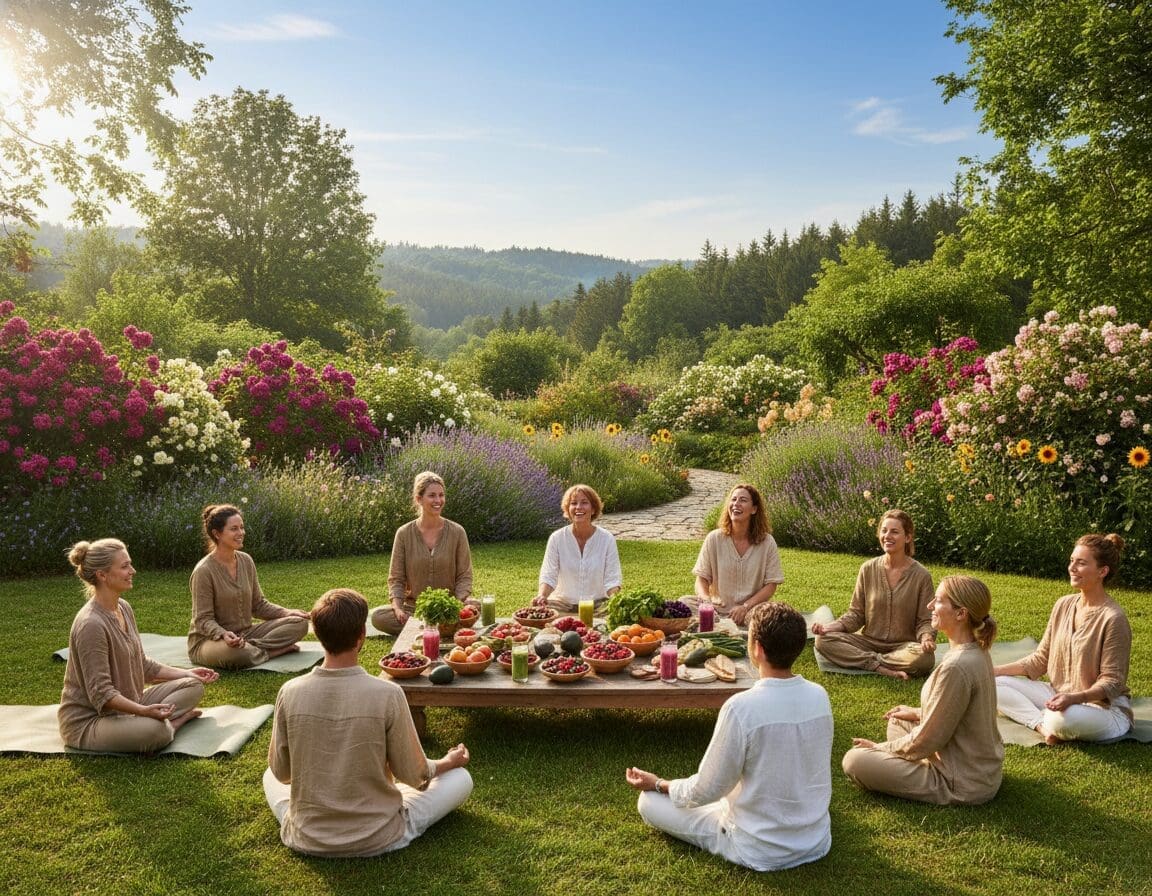
Small, evidence-based lifestyle changes can make a measurable difference to your beauty and well-being. In Ireland’s cool, often damp climate, modest shifts to your routine help support skin barrier function, circulation and hormonal balance. You can expect clearer, more hydrated skin, stronger hair and nails, better sleep and steadier daytime energy when you focus on healthy living.
Research and guidance from the NHS and the British Dermatological Association link diet, hydration, sleep and exercise to reduced inflammation and improved skin health. Peer-reviewed studies on sleep and metabolic health show how better rest boosts mood and vitality. These findings form the scientific basis for practical wellbeing tips you can use every day.
The guide that follows is tailored to the Irish context. Seasonal daylight changes and the risk of low mood mean you may need specific strategies for light exposure and activity. At the same time, local produce such as Atlantic salmon, kale and root vegetables offers nutrient-rich options that support radiance and overall health.
Use this section as an overview and a prompt to start small. The coming pages offer beauty tips Ireland readers can adopt easily: hydration habits, balanced meals, simple sleep routines and movement that suits urban and rural lifestyles. Commit to incremental change—small, consistent steps lead to long-term wellbeing and sustained vitality.
Daily habits that improve skin, hair and energy
Small, consistent habits shape how you look and feel. This short guide breaks down practical steps you can use each day to support hydration and skin, hair health and steady energy levels. Follow tips that suit busy routines and the Irish diet without adding complex routines.
Hydration and skin health
Systemic hydration keeps skin turgor firm and helps the barrier function work well. Drinking around 1.5–2 litres daily is a useful starting point for most adults, then adjust for activity, body size and weather.
Eat hydrating foods common in Ireland such as cucumbers, lettuce, Irish apples, berries, soups and broths to supplement fluids. Limit excessive caffeine and alcohol because they act as diuretics and can undo your efforts. Balance tea and coffee with plain water.
Topical hydration works alongside internal fluids. Look for humectants such as glycerin and hyaluronic acid plus occlusives like shea butter to lock in moisture. Patch test new products and favour fragrance-free options for sensitive skin.
Balanced nutrition for radiance
A diet rich in protein supports hair and nail keratin. Choose lean Irish sources like eggs, dairy, Atlantic salmon, free-range poultry and legumes to meet needs. Include healthy fats such as omega-3s from salmon, chia and flaxseed and monounsaturated fats from rapeseed oil.
Micronutrients matter for long-term glow. Vitamin C from citrus, blackcurrants and peppers helps collagen synthesis. Vitamin A and carotenoids come from carrots and kale. Zinc and iron support hair health; try red meat in moderation, lentils and spinach. Consider vitamin D supplements after consulting your GP, given Ireland’s low winter sun.
Antioxidant-rich foods such as wild Irish blackberries, raspberries and green tea reduce oxidative stress that speeds ageing. Aim to include protein at breakfast to stabilise energy and plan batch-cooked stews with seasonal vegetables. Try oily fish twice a week in line with Healthy Eating Guidelines.
Sleep quality and daytime energy
Good sleep promotes skin repair and hormonal balance, affecting growth hormone and cortisol. You may notice a dull complexion and puffiness when sleep quality drops. Most adults benefit from 7–9 hours each night.
Keep consistent sleep–wake times and seek morning light to set your circadian rhythm, which is useful during short winter days in Ireland. Reduce evening blue light exposure and limit heavy meals, alcohol and caffeine before bed.
Build a simple pre-sleep routine such as a warm shower, reading or gentle stretching. Use blackout curtains in long summer evenings and light therapy lamps in winter to support mood and daytime energy.
Simple skincare routine for busy lives
Adopt a minimalist, evidence-based skincare routine you can repeat daily: cleanse with a gentle, non‑stripping product, treat with targeted serums, moisturise according to your skin type and protect with broad‑spectrum SPF every day.
Use vitamin C in the morning and introduce retinoids at night with care. Add weekly extras like sensible chemical exfoliation and occasional hydrating masks. Choose reputable retailers such as Boots Ireland or dermatology-recommended brands and see a dermatologist for persistent concerns like acne, rosacea or eczema.
Save time with multi‑purpose products such as tinted moisturisers with SPF and double‑duty supplements like omega‑3 capsules. Lay out your products to make the skincare routine consistent, which helps maintain skin, hair health and steady energy levels alongside good nutrition for radiance and the rest of your lifestyle.
How physical activity and movement enhance beauty and well-being
Movement shapes more than muscle tone; it feeds your skin, clears your mind and lifts day-to-day energy. Use practical activity to support circulation, hormone balance and stress resilience. Short routines and simple habits make this work within Irish life, from city commutes to coastal walks.
Benefits of regular exercise for skin circulation
Aerobic activity boosts blood flow, delivering oxygen and nutrients to skin cells and helping remove metabolic waste. That improved cardio and circulation can create a natural glow and speed healing after minor damage.
Regular movement also lowers systemic inflammation and helps balance hormones such as insulin and cortisol. You may see fewer acne flares and better collagen support when you hit the recommended 150 minutes of moderate exercise per week.
Practical tips: break long sitting spells with short walks to maintain micro-circulation. After workouts, cleanse sweat to avoid pore blockages and wear breathable fabrics to limit friction and irritation.
Types of movement to suit different lifestyles in Ireland
Walking is accessible and low-cost. From the Wicklow Mountains to coastal promenades, walking Ireland routes offer mood lifts and small chances of vitamin D on sunnier days.
Cycling and commuting can replace short car trips. Public bike schemes and local cycling clubs help you keep going and build consistent activity into a busy week.
Gym classes, Pilates and yoga are widely available in leisure centres and studios. Choose a level that fits you. Group sessions add social reward while improving strength and flexibility.
At home or at work, bodyweight circuits, stair-climbing and desk stretches keep movement regular. Use short guided sessions from apps or NHS resources when time is tight.
Plan for weather and seasons. Indoor pools, community halls and waterproof layers let you continue activity during wet and windy periods.
Stress reduction through movement and breathwork
Movement reduces cortisol, boosts endorphins and often improves sleep. Those changes benefit skin health and overall vitality.
Simple breathwork for stress can be practised in minutes. Diaphragmatic breathing and box breathing calm the nervous system and lower acute tension.
Mind–body practices such as yoga and tai chi combine breath and motion to improve posture, reduce facial tension and enhance flexibility. Try five to fifteen minutes of morning breathwork, a post-work walk or a lunchtime stretch for steady gains.
Mental wellness, social connection and long-term vitality
Your mental wellness shapes how you look and feel. Chronic stress and anxiety raise cortisol and inflammation, which can speed visible ageing and sap energy. By contrast, positive mood and steady emotional health support restorative sleep, skin repair and clearer thinking. Simple daily habits — short mindfulness sessions, cognitive reframing of negative thoughts and setting small, realistic goals — build resilience and protect long-term vitality.
Strong social connection bolsters both mood and lifespan. Evidence shows people with close ties tend to eat better, move more and manage stress more effectively. In Ireland you can nurture these links through local walking groups, GAA clubs, craft circles or volunteering. Interacting with different generations also reduces isolation and helps maintain cognitive resilience.
When things feel overwhelming, seek professional support. Speak with your GP or explore HSE mental health services and accredited counsellors and psychologists. For immediate crisis help, organisations such as Pieta House and Samaritans are available. Using these services early preserves emotional health and supports long-term vitality.
Bring mental wellness and social routines into your prevention plan. Keep regular GP check-ups, skin and dental reviews, and follow age-appropriate screening advice. Tackle smoking, moderate alcohol, protect skin with SPF and set measurable goals for sleep, movement and hydration. Small, steady changes — tracked with a journal or app and reviewed seasonally — deliver lasting wellbeing Ireland results and strengthen resilience over time.