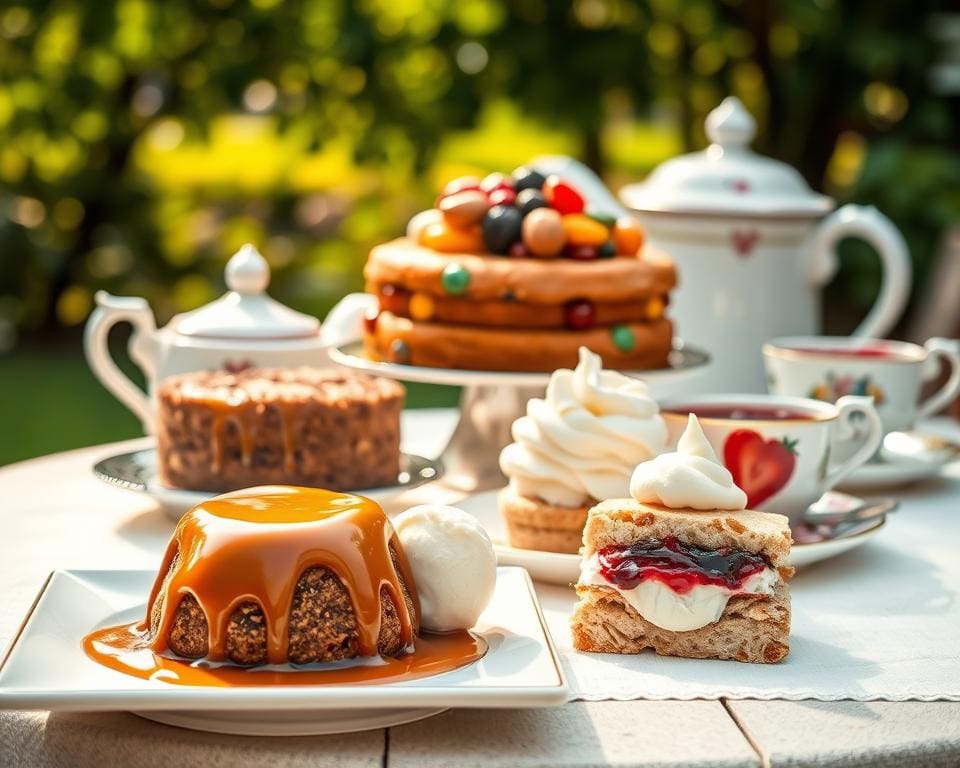
Welcome to a concise guide that opens the door to British desserts and the ritual of traditional afternoon tea. Here you will find an approachable overview that sets out historical context, reliable recipes and where to enjoy authentic experiences across the UK.
Desserts and puddings hold a central place in British culinary life. From sticky toffee pudding in cosy cafés to elaborate hotel tea services, British puddings and British sweets reflect regional identity, seasonal produce and social history. Many favourites grew from frugal cooking using suet, dried fruit, treacle and leftover bread.
This article is for anyone in the United Kingdom with a curiosity for classic UK desserts. You might be a home baker searching for dependable recipes, a history enthusiast tracing culinary roots, or a visitor seeking genuine afternoon tea. The tone is practical and factual so you can use the material straight away.
What follows is organised into four clear parts: an exploration of iconic British desserts and their histories; practical recipes, techniques and tips for perfect results; adaptations for dietary needs; and a focused guide to traditional afternoon tea, etiquette and recommended venues.
The content draws on established sources to ensure accuracy, including The Oxford Companion to Food, Jane Grigson’s English Food, BBC Good Food and The Guardian’s food pages, alongside contemporary chef writing and recipe archives.
Explore iconic British desserts and their histories
You will find that British puddings origins are rooted in thrift, flavour and changing tastes. This short guide traces the history of British desserts so you can see where familiar favourites come from and why they remain popular today.
Origins of sticky toffee pudding
You know sticky toffee pudding as a moist date sponge served warm with a rich toffee sauce. It is often paired with clotted cream, custard or vanilla ice cream. The origins of sticky toffee pudding are debated. Many link it to the Lake District and the Sharrow Bay Hotel in Cumbria, where it was popularised in the 1970s. Other claims point to Midlands kitchens and to older 19th‑ and early 20th‑century recipes that resemble it. Chef Nigel Borthwaite and a wave of late 20th‑century cooks helped boost its profile during a revival of British desserts.
Dates, sugar and treacle became commonplace as global trade and refining improved. Local tastes shaped the sauce you find on a plate: some cooks favour black treacle, others use golden syrup or butterscotch. Each variation tells a small part of the pudding’s story.
Regional favourites: spotted dick, treacle tart and bread and butter pudding
Spotted dick is a suet‑based steamed pudding studded with currants or raisins. Its spotted dick history ties it to the Victorian era and to school and institutional menus. The name likely refers to the fruit “spots” and a dialect term for pudding or a corruption of “dough.” The pudding has enjoyed a comeback as a comforting, nostalgic dish.
Treacle tart is shortcrust pastry filled with golden syrup, breadcrumbs and lemon juice. The treacle tart origin sits in Victorian and Edwardian kitchens where breadcrumbs bound the syrup and reduced waste. You will recognise it from popular culture moments such as those in the Harry Potter stories, which helped keep it in the public eye.
Bread and butter pudding began as a frugal bake using leftover slices of bread, butter, milk, eggs and sugar. Its bread and butter pudding history reaches back to 17th‑ and 18th‑century cookery books as a way to stretch ingredients. Regions echo their tastes with richer custards, spices or by swapping in brioche or croissants for a more indulgent finish.
How historical influences shaped British dessert traditions
Trade and empire changed what you could cook at home. Sugar, spices such as cinnamon and nutmeg, and dried fruits like sultanas and dates arrived from abroad and reshaped puddings from the 17th century onwards. These items appear across the history of British desserts and in recipes you still see today.
The industrial revolution made sugar cheaper and dairy more available. Mass production and improved ovens meant stewing and steaming suited both hearth and coal ranges. Social class shaped dishes, too. Grand Victorian puddings signalled wealth with elaborate suet crusts. Simple treacle or bread‑and‑butter puddings fed working families on tight budgets.
Cookery writers like Hannah Glasse and Eliza Acton helped standardise recipes so cooks could reproduce them more consistently. A late 20th‑ and 21st‑century revival led by chefs such as Raymond Blanc and presenters like Mary Berry has renewed interest in traditional puddings. Many gastropubs and contemporary kitchens now serve elevated versions made with better ingredients and modern techniques.
British desserts: recipes, techniques and tips for perfect results
Start with a clear pantry and a few reliable recipes. These notes will help you tackle classic British dessert recipes with confidence, from storecupboard basics to a foolproof sticky toffee pudding recipe. Keep your workspace tidy and weigh ingredients for consistent results.
Essential ingredients and pantry staples for classic deserts
Stock plain flour and self-raising flour, caster and brown sugar, baking powder and bicarbonate of soda. Keep unsalted butter, eggs, whole milk and double cream to hand. Tinned and dried fruits such as dates, sultanas and currants are invaluable.
Include golden syrup, treacle and vanilla extract for traditional flavour. Have breadcrumbs, suet or vegetarian suet, baking parchment and spices like cinnamon and nutmeg ready. A reliable oven, mixing bowls, whisk, wooden spoon, pudding basin or loaf tin and a steamer or covered saucepan complete the kit.
Step-by-step recipe for sticky toffee pudding
Ingredients: chopped dates, boiling water, bicarbonate of soda, unsalted butter, soft brown sugar, eggs, plain or self-raising flour, baking powder and vanilla. For the toffee sauce use butter, brown sugar, double cream and Tate & Lyle golden syrup.
- Soak the chopped dates in boiling water with a pinch of bicarbonate of soda until soft; cool slightly and mash.
- Cream butter and sugar until light. Beat in the eggs and vanilla until smooth.
- Sieve flour with baking powder, fold into the mixture, then stir through the date puree for even distribution.
- Spoon into a buttered 20cm tin or individual ramekins. Bake at 180°C fan for about 30–35 minutes, or until a skewer shows a few moist crumbs.
- For the sauce, melt butter with brown sugar and golden syrup, simmer briefly then stir in double cream until glossy. Adjust thickness by reducing gently.
- Serve the warm sponge with generous toffee sauce and a side of Cornish clotted cream, custard or vanilla ice cream.
Technical tip: avoid overbaking to keep the sponge moist. Mash the dates well for uniform texture. For individual puddings, use a water bath to increase steam and produce a silkier crumb. Use a thermometer if you make caramel stages for precise results.
Tips for adapting recipes for dietary preferences
Vegetarian dessert adaptations are straightforward. Swap suet for vegetable suet and check that no gelatine appears in fillings. For vegan versions replace butter with block vegan margarine, eggs with flax or chia egg mixes and use oat cream for the sauce.
For gluten-free British desserts use certified gluten-free plain flour blends and gluten-free breadcrumbs. Add a little xanthan gum for structure if needed. Always check labels on golden syrup and baking powder to avoid cross-contamination when cooking for coeliacs.
For nut or dairy allergies, choose fortified plant milks and dairy-free creams to keep richness. Test substitutes in small batches to balance sweetness and texture before serving to guests.
Presentation and serving suggestions to impress guests
Warm plates before plating. Spoon hot toffee sauce over the sponge at the table for theatre. Serve neat slices or individual ramekins with a quenelle of vanilla ice cream or a spoonful of Cornish clotted cream.
Pair puddings with robust black tea such as Assam, a strong coffee or a dessert wine like Muscat. For a modern edge, offer a peaty single malt whisky alongside. Seasonal touches such as fresh berries in summer or a drizzle of brandy butter in winter lift familiar dishes.
Traditional afternoon tea: experience, etiquette and where to try it in the UK
Traditional afternoon tea is a light social meal served between about 3pm and 5pm. You will be offered finger sandwiches, scones with clotted cream and jam, and an array of cakes and pastries, all accompanied by loose-leaf tea. A cream tea refers specifically to scones, clotted cream and jam, while high tea historically meant a heartier early evening meal for working families.
The ritual is usually traced to Anna, the Duchess of Bedford in the 19th century, who helped make afternoon tea a fashionable pause in the day. It soon spread through aristocratic drawing rooms and then into hotels and tearooms, evolving into both classic and contemporary interpretations you can try today.
Observe simple afternoon tea etiquette to enjoy the moment. Dress smart-casual for most hotel and tearoom services and book ahead, especially for the best afternoon tea London venues. Ask for loose-leaf tea and allow it to steep 3–5 minutes. Small sandwich bites are polite, and you should split scones carefully. Use dessert forks and spoons as needed. The Devon versus Cornwall debate—Devonites often put cream on first, while Cornish prefer jam first—is part of the fun; either method is acceptable.
For where to have afternoon tea UK, look to The Ritz London, Fortnum & Mason, Claridge’s and The Savoy for iconic service, or find boutique hotels and local tearooms for modern takes. Try a cream tea Cornwall in places such as St Ives or Padstow for authentic clotted cream, and visit Bath’s historic tearooms or country house hotels in the Lake District and Yorkshire for scenic settings. Prices vary: basic cream teas from around £5–£12, mid-range afternoon tea £20–£45, and luxury experiences from £60 plus. Contact venues ahead for dietary requests; many now offer vegetarian, vegan or gluten-free options. Ultimately, the pleasure lies in the atmosphere and ritual, so sample both traditional and themed teas to find what you enjoy most.