You’ll find the Espresso Martini on menus from Manchester to London because it hits two notes at once: the familiar kick of coffee and the sleek presentation of a modern cocktail. This opening section explains the purpose of the article — to explore why Espresso Martini is popular in the UK and beyond, and what you should know about its history, ingredients, techniques, cultural trends and serving tips.
The espresso martini history begins in 1980s London, often credited to bartender Dick Bradsell at Fred’s Club. He mixed vodka with fresh espresso and coffee liqueur to answer a customer’s request for “something that wakes you up and then fs you up.” The drink grew through the 1990s and returned to prominence in the 2010s with the rise of craft cocktail bars and specialty coffee culture.
This matters to you because the cocktail combines instant recognisability with stylish ritual. Knowing why Espresso Martini is popular helps you choose, order or make one with confidence. You’ll get practical, evidence‑based insights so your next order or home attempt feels intentional rather than accidental.
There are clear cultural signals of espresso cocktail popularity: the cocktail’s ubiquity on bar lists across the UK, its presence in restaurant and club menus, entries in bar competitions and festivals, and millions of social posts tagged with #EspressoMartini. These markers explain why it remains among the cocktail favourites UK audiences repeatedly pick.
What follows will unpack the enduring appeal, the craft of how the Espresso Martini is made, its place in UK social trends, and practical advice for choosing, serving and savouring your drink.
The enduring appeal of the Espresso Martini
The Espresso Martini remains a staple because it brings coffee and cocktails together in a single, memorable serve. You get the comfort of a fresh espresso with the ritual of a shaken cocktail. That balance explains much of the Espresso Martini appeal in bars and at home.
Balancing coffee and cocktail culture
The drink sits at the crossover where coffee meets cocktails. You recognise the roasted, bitter notes from third-wave espresso and you enjoy the theatrical shaking that belongs to cocktail craft.
Bars now source single-origin beans and partner with roasters such as Monmouth Coffee Company, Square Mile and Has Bean to lift the coffee element. When you taste a shot pulled to barista standards, the cocktail rewards you with clarity and depth.
Psychophysiology plays a part. The bitterness of espresso gives complexity while sugar or coffee liqueur softens the edge. That interplay of bitter and sweet keeps your palate engaged.
Why the flavour profile resonates with modern palates
The flavour profile espresso martini combines bitter espresso, sweet liqueur, boozy warmth from vodka and a creamy texture from vigorous shaking. These elements form a layered tasting experience you can read at once.
Contemporary drinkers favour texture and mouthfeel. You expect velvet-smooth foam, balanced bitterness and a defined sweetness. The Espresso Martini meets those demands while remaining accessible to coffee fans and cocktail lovers alike.
Health trends change how you order. You can ask for decaffeinated espresso, reduced sugar or lower-proof spirits without losing the core character. Those choices make the drink fit modern wellbeing concerns.
Versatility for different occasions and settings
This cocktail adapts to many moments. You might choose a short serve after dinner, a long cold-brew version at brunch, or a frozen iteration on a summer terrace. Low-alcohol recipes expand its reach for more restrained nights out.
Venues from cocktail bars to gastropubs, hotel bars and rooftop terraces list the drink because it suits varied crowds. Delivery services include it on menus for celebratory orders.
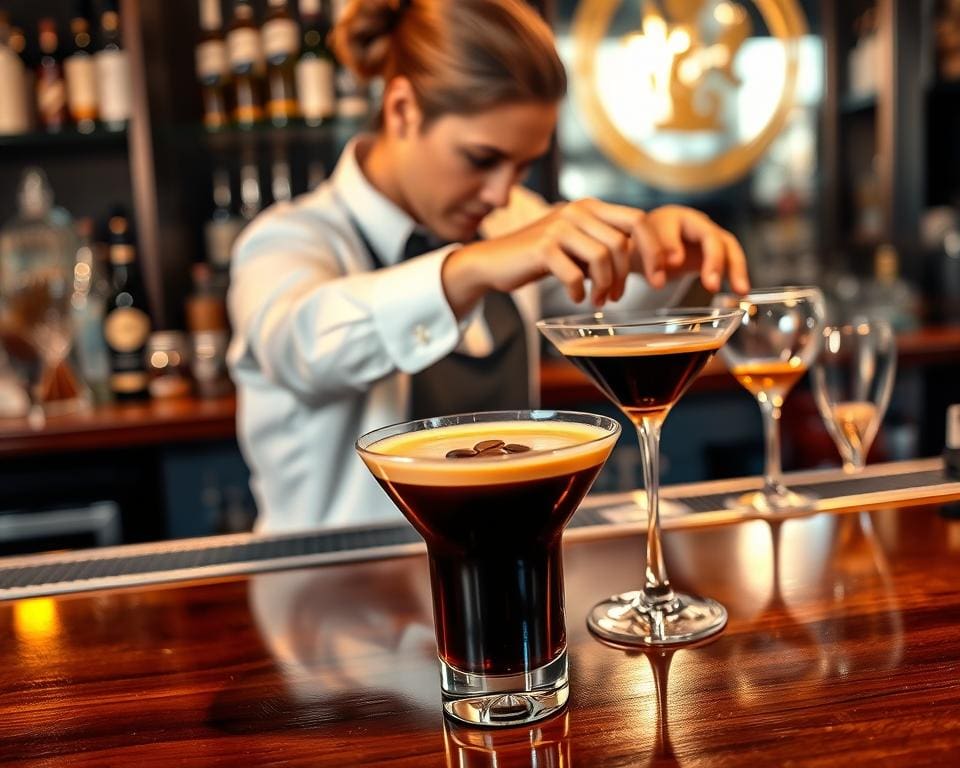
Visuals matter. The dark glossy surface, silky crema and three coffee-bean garnish make the drink photogenic and giftable. That presentation helps the Espresso Martini appeal across social scenes.
How the Espresso Martini is made and what makes it special
The Espresso Martini blends strong coffee and clear spirit into a silky, lively drink. You will find that knowing the espresso martini recipe and the crema technique helps you control balance and texture. Below are the core elements, practical tips and popular twists so you can try making it at home or order confidently at a bar.
Core ingredients and their roles
Key espresso martini ingredients are freshly brewed espresso, vodka, coffee liqueur such as Kahlúa, simple syrup or sugar if you prefer it sweeter, and ice. Typical ratios range from 30–45ml vodka, 20–30ml coffee liqueur and 25–30ml espresso, though bars and palates vary.
Espresso gives aroma, acidity and bitter-roasted notes. Vodka supplies a neutral backbone so coffee can take centre stage. Coffee liqueur adds sweetness and depth. Sugar tunes balance. Ice chills and dilutes to open flavours while avoiding over-thinning.
Quality matters. Use freshly ground beans and a well-pulled double espresso with an 18–20 second extraction for the best crema and flavour. Choose a neutral, quality vodka brand and an authentic coffee liqueur for cleaner results.
Techniques that affect texture and crema
How you make espresso martini hinges on technique. Shake vigourously in a Boston shaker to emulsify coffee oils with spirit. A hard shake for 10–15 seconds with deliberate aeration encourages a stable, foamy head and a silky mouthfeel.
Espresso temperature influences crema and dilution. Pull the espresso and let it cool briefly before shaking to reduce over-dilution while keeping the foam. Very hot espresso risks thinning the foam and watering down flavour.
Ice selection controls dilution. Use fresh, large ice cubes to chill quickly with measured melting. Too much dilution flattens the drink and collapses crema. Fine strain into a chilled coupe or martini glass to remove ice shards and preserve a smooth surface.
Garnish traditionally with three coffee beans. They symbolise health, wealth and happiness and finish the presentation with a classic touch.
Common variations and modern twists
Espresso martini variations range from simple swaps to inventive bar signatures. Popular adaptations include the cold-brew martini, which uses cold brew in place of hot espresso, and the Baileys Espresso Martini using Irish cream for a creamier profile.
Vegan or low-sugar versions use sugar alternatives or syrups. Flavoured vodkas such as vanilla and hazelnut add a sweet scent. Nitro cold brew creates an even creamier texture. Coffee-infused spirits, coffee bitters or a stout float create unique layers.
Notable UK bars offer signature takes that keep the coffee identity while adding twists. You may find versions with chocolate bitters, orange zest, Madagascan vanilla or a stout float. Those touches deliver variety while honoring the core espresso martini recipe and the crema technique.
Espresso Martini and social trends in the UK
The Espresso Martini sits at the crossroads of coffee culture and nightlife. You see its influence in cities such as London, Manchester, Bristol and Edinburgh, where speciality coffee shops have raised expectations for espresso quality in cocktails. Cafés and bars now collaborate on bean choice and extraction to deliver a drink that honours provenance while fitting late-night menus.
Influence of coffee culture on nightlife
Baristas and bartenders work together on single-origin shots and brewing technique. You might notice menus listing roasters from Union Hand-Roasted Coffee to independent London micro-roasters, which gives customers a clearer idea of flavour. This cross-pollination has led to hybrid venues that serve espresso-forward cocktails by day and transform into cocktail bars by night, changing opening hours and drawing diverse crowds.
Social media, aesthetics and cocktail photography
The Espresso Martini photographs well: glossy crema, deep colour and a coffee-bean garnish make striking imagery for Instagram and TikTok. Visual trends such as close-ups of crema, slow-motion pours and short recipe reels keep the cocktail prominent on feeds and prompt brief surges in demand for viral variations like cloud‑topped martinis.
Brands and influencers amplify reach through collaborations. You will spot partnerships between roasters and spirit companies such as Kahlúa and Tia Maria that push co‑branded releases. These activations drive cocktail social media interest and shape what venues prioritise on their lists.
How bartenders and bars keep the cocktail relevant
Bars refresh their Espresso Martini offering by rotating single-origin espressos, using limited-edition liqueurs and adding seasonal garnishes. Interactive tableside preparation and pairing the drink with chocolate desserts or petit fours are common ways to raise perceived value. Small changes in grind and extraction time can shift tasting notes and improve food pairings; see a useful guide on matching beverages to dishes at how beverages complement different meals.
Bartender trends reflect ongoing professional development. You will find bartenders attending competitions such as the Martini Grand Prix, taking roaster-led training and testing new techniques to refine crema and balance. Bar trends espresso martini persist because the cocktail is simple to build and delivers strong margins, which encourages experimentation while keeping customers comfortable with a familiar favourite.
- Rotating single-origin shots to highlight provenance
- Pop-ups and Espresso Martini nights to draw groups and press
- Masterclasses that teach extraction and serve as marketing
Choosing, serving and enjoying your Espresso Martini
When you look for the best espresso martini, check for a rich coffee aroma, a glossy crema and a balanced sweetness. Ask whether the bar uses fresh espresso or a batch mix if freshness matters to you. If you prefer less caffeine, request decaffeinated espresso or a lighter pour.
Tell the bartender your preferences: lower sugar, a specific roaster such as Square Mile or Monmouth for chocolatey or fruity notes, or a smaller serve to pace yourself. Knowing how to order espresso martini helps you get the texture and temperature you want — cold but not watery, and smooth on the palate.
To serve espresso martini well, use a chilled coupe or martini glass, fine-strain to remove ice shards and top with three coffee beans. Offer a small napkin and a glass of water as a palate cleanser. For groups, consider smaller serves or a shared large-format option to help everyone enjoy responsibly.
If you make one at home, use freshly pulled espresso or a good cold-brew concentrate, pre-chill glassware and shake hard to build crema. Troubleshoot by checking ice quality and shake time if the crema collapses, and adjust syrup or extraction if it is too bitter. Try variations like a cold-brew base, Baileys for a dessert serve, or vanilla syrup to personalise your drink.
Follow these espresso martini tips and you will easily enjoy espresso martini UK style: it blends coffee familiarity with cocktail craft, suits many settings and rewards a bit of experimentation with beans and technique to find your perfect serve.